





 Portuguese
  English
  Spanish
  5 min of reading
  0 comments


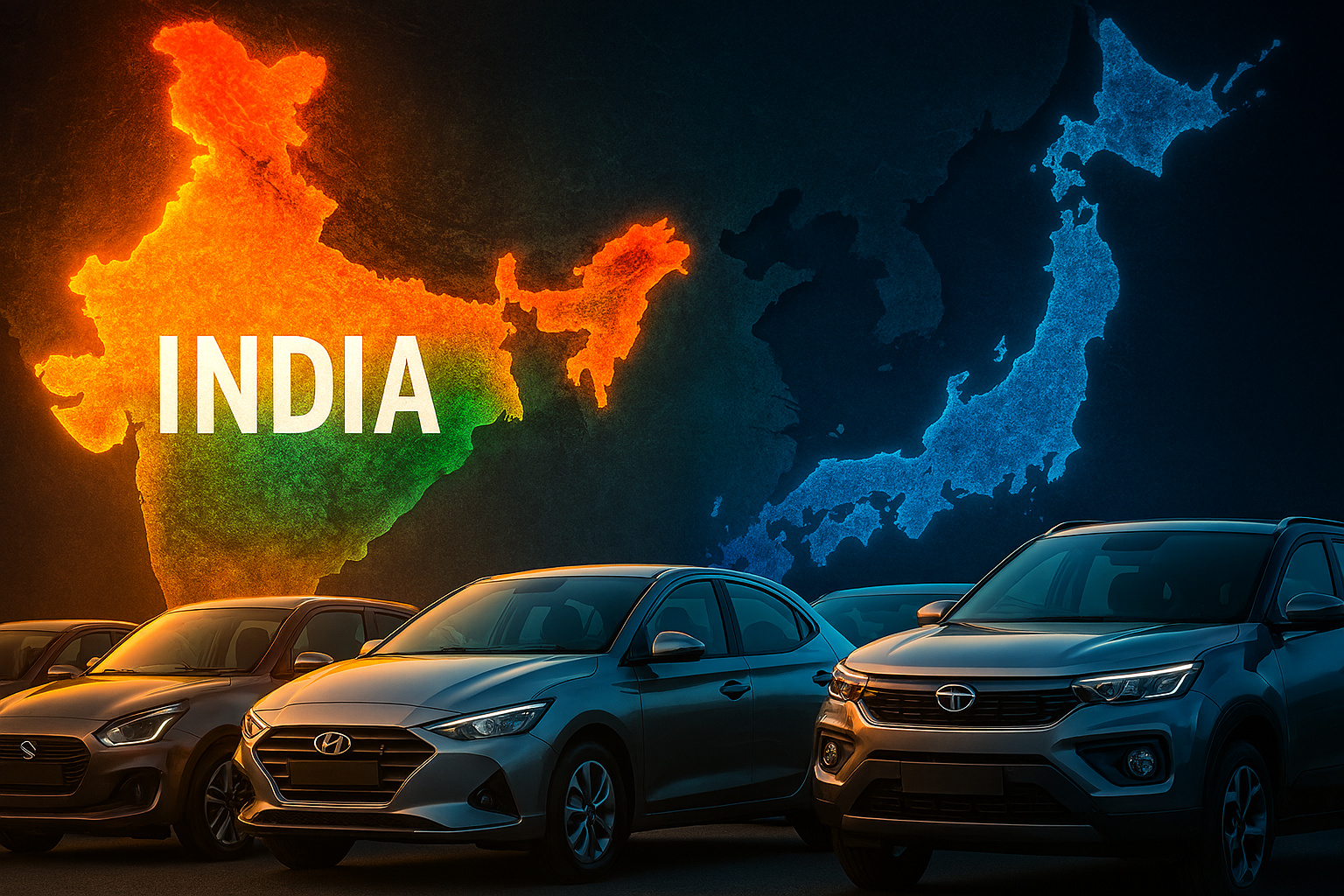
India Surpasses Japan and Becomes the 3rd Largest Automotive Market: See Numbers, Leading Brands, and the Impacts of This Global Revolution.
The global automotive landscape is changing rapidly. For decades, the United States, China, and Japan dominated vehicle sales, but this configuration is being challenged. India, with its rapidly expanding domestic market, has already surpassed Japan in car sales volume and is now officially competing for the title of the third-largest automotive market on the planet. More than just a statistical figure, this achievement represents a historic transformation that could reposition brands, factories, and investments on a global scale.
Growth of the Automotive Market in India
According to the Society of Indian Automobile Manufacturers (SIAM), the country recorded sales exceeding 4.25 million vehicles in 2023, surpassing Japan, which closed the same period with about 4.2 million. This difference solidified India as the third-largest automotive market in the world, trailing only China and the United States.
The growth is driven by a combination of factors: an increase in per capita income, expansion of credit, modernization of urban infrastructure, and the desire of the emerging middle class to shift to individual transportation. Additionally, government incentives and reduced barriers to foreign investment have created a favorable environment for the industry.
-
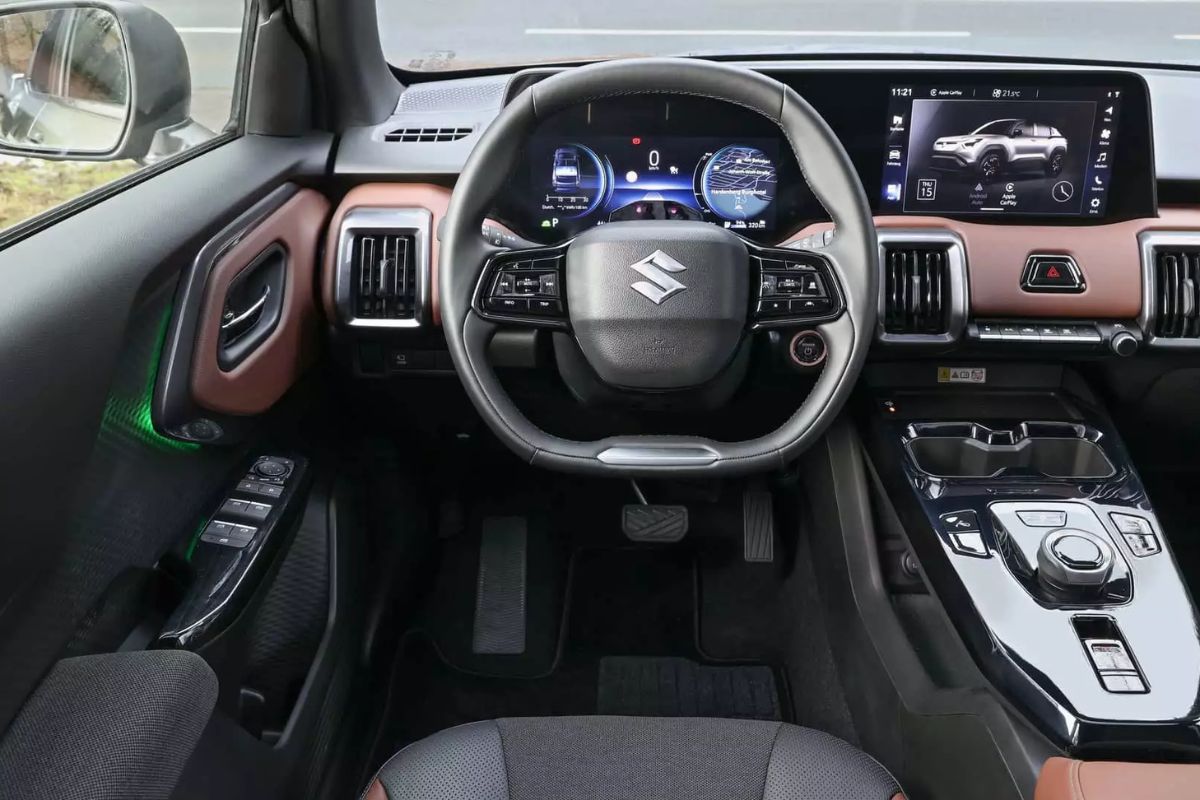
The 2026 electric Vitara arrives in Brazil and proves that Suzuki is not leaving: 4×4 traction, 184 hp, 61 kWh LFP battery, 293 km range, R$ 259,000, and a trunk capacity of 224 L.
-
Hyundai has unveiled the Boulder, a square SUV with a body-on-frame design, 37-inch mud tires, and carriage-style doors that seems to be made to take on the Ford Bronco and the Scout Traveller in the United States.

-
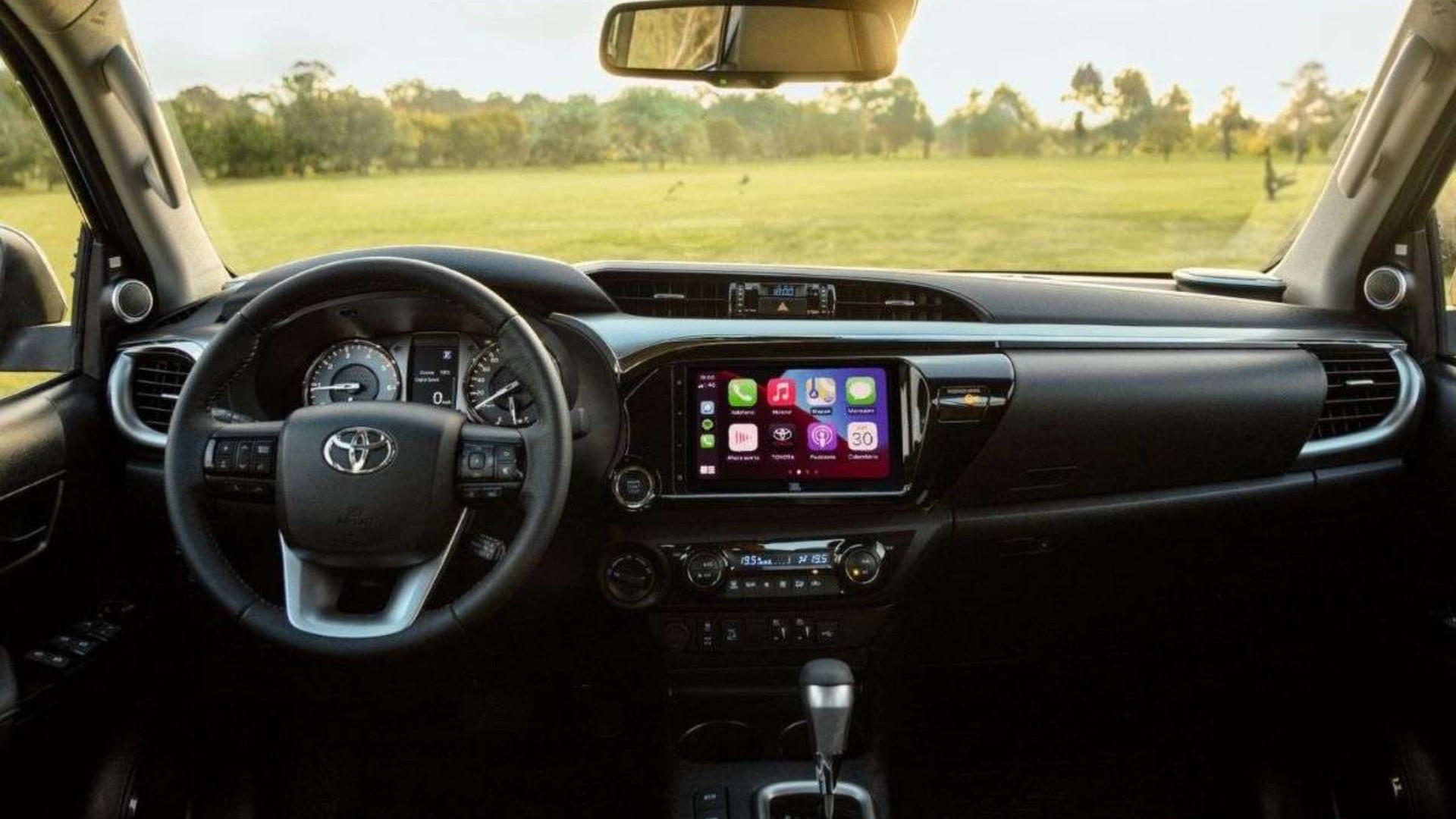
The Toyota Hilux is R$ 75.5 thousand cheaper and bets on the 2.8 turbodiesel engine with up to 204 hp and 50.9 kgfm to catch up with the VW Saveiro, which leads with 4,472 sales.
-
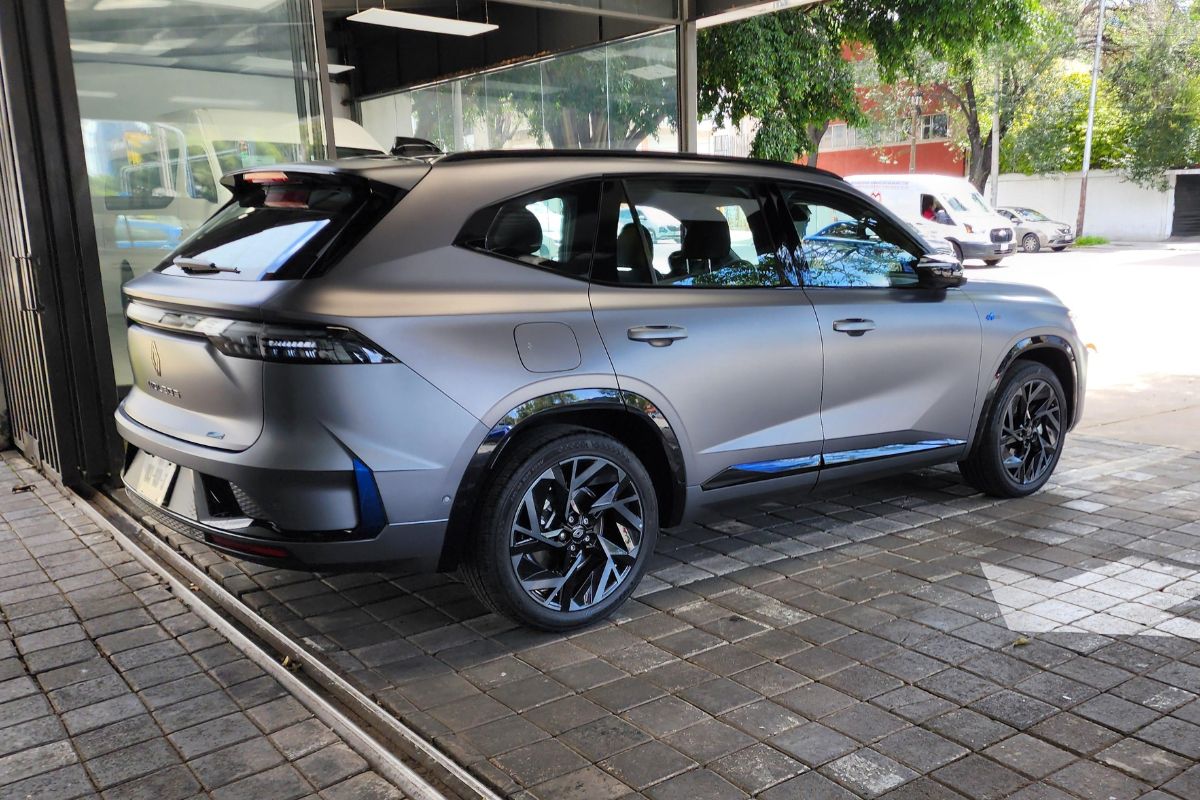
The new Renault Koleos has a screen exclusively for the passenger that is invisible to the driver, heated rear seats, and 29 assistance systems, but its Chinese competitors cost R$ 40,000 less and deliver more power.



Brands Leading the Indian Automotive Revolution
The Indian market has unique characteristics, with a strong presence of local and foreign automakers adapted to regional conditions. The leaders include:
- Maruti Suzuki – controlled by the Japanese Suzuki, is the dominant brand, accounting for about 40% of the market. Its portfolio of hatchbacks and affordable compacts, such as Alto and Swift, has won millions of Indians.
- Hyundai – the South Korean brand occupies the second position with a line of compact and urban SUVs, such as Creta and i20, highly competitive in pricing and technology.
- Tata Motors – a local giant that gained prominence with affordable SUVs and electric vehicles, such as the Tata Nexon EV, becoming a symbol of India’s technological advancement.
- Mahindra – another strong Indian brand, notable in the sports utility vehicle and commercial vehicle segment.
- Toyota and Kia – foreign brands expanding their presence, focusing on SUVs and hybrid models tailored to the region’s consumption profile.
These automakers not only compete in the domestic market but have also transformed India into an export platform for various emerging markets.
India’s Automotive Industry and Vehicle Exports
In addition to domestic sales, India has become a global automotive export hub. Brands like Hyundai, Suzuki, and Kia use local factories to produce models destined for over 100 countries.
In 2024, the country exported approximately 5 million vehicles (including motorcycles and passenger cars), consolidating its position as one of the major exporters in the sector.
This role as an industrial hub continues to attract more investments. Global automakers use India as a low-cost production base, leveraging skilled labor and a local supply chain that is growing in efficiency and competitiveness.
The Advancement of Electric Cars in India
Another important element of this revolution is the electrification of the Indian fleet. The government has set ambitious targets to reduce emissions and increase the adoption of electric and hybrid vehicles. Tax incentives, subsidies, and investments in charging infrastructure have been stimulating the sector’s expansion.
Models like the Tata Nexon EV and MG ZS EV have become benchmarks in the local market, while BYD, the world’s largest electric vehicle manufacturer, has already announced plans to expand operations in the country.
Although the share of EVs is still small compared to the total market, the growth potential is enormous, considering the population size and environmental pressures.
Global Impact of India’s Rise
The fact that India has surpassed Japan is not just symbolic but strategic. This change reflects a new dynamic in the global automotive sector:
- Redirection of Investments – global automakers are beginning to prioritize India in their expansion plans, often at the expense of stagnant markets.
- Intense Internal Competition – the presence of strong local manufacturers increases competitiveness and forces multinationals to adjust prices and products.
- Geopolitical Role – as the third-largest market, India gains influence in global negotiations on emissions, alternative fuels, and vehicle safety standards.
While Japan faces demographic stagnation and declining demand, India is growing supported by a young population and accelerated urbanization.
This structural difference explains the turnaround and suggests that the gap between the two countries is likely to widen in the coming years.
The Future of the Indian Automotive Industry
Projections indicate that India could reach 5 million vehicles sold annually by the end of the decade, consolidating itself as an automotive power. For automakers, this means not only selling more but also facing a demanding consumer who seeks competitive pricing, fuel efficiency, and increasingly embedded technology.
The challenge will be to balance rapid growth with environmental sustainability. India is already one of the most polluted countries in the world, and increasing the fleet could exacerbate traffic and air quality problems. Therefore, promoting electric and hybrid vehicles will be crucial in shaping the future of this market.
The surpassing of India over Japan in the global automotive ranking represents much more than a statistic: it confirms that the center of gravity of the industry is shifting. The third-largest market in the world is now in South Asia, where local brands like Maruti Suzuki, Tata, and Mahindra share space with international giants.
The Indian automotive revolution is just beginning. If it can balance growth, innovation, and sustainability, the country could become not only the third-largest market but also one of the most influential industrial and technological hubs of the next decade.










Seja o primeiro a reagir!