





 Portuguese
  English
  Spanish
  3 min of reading
  0 comments


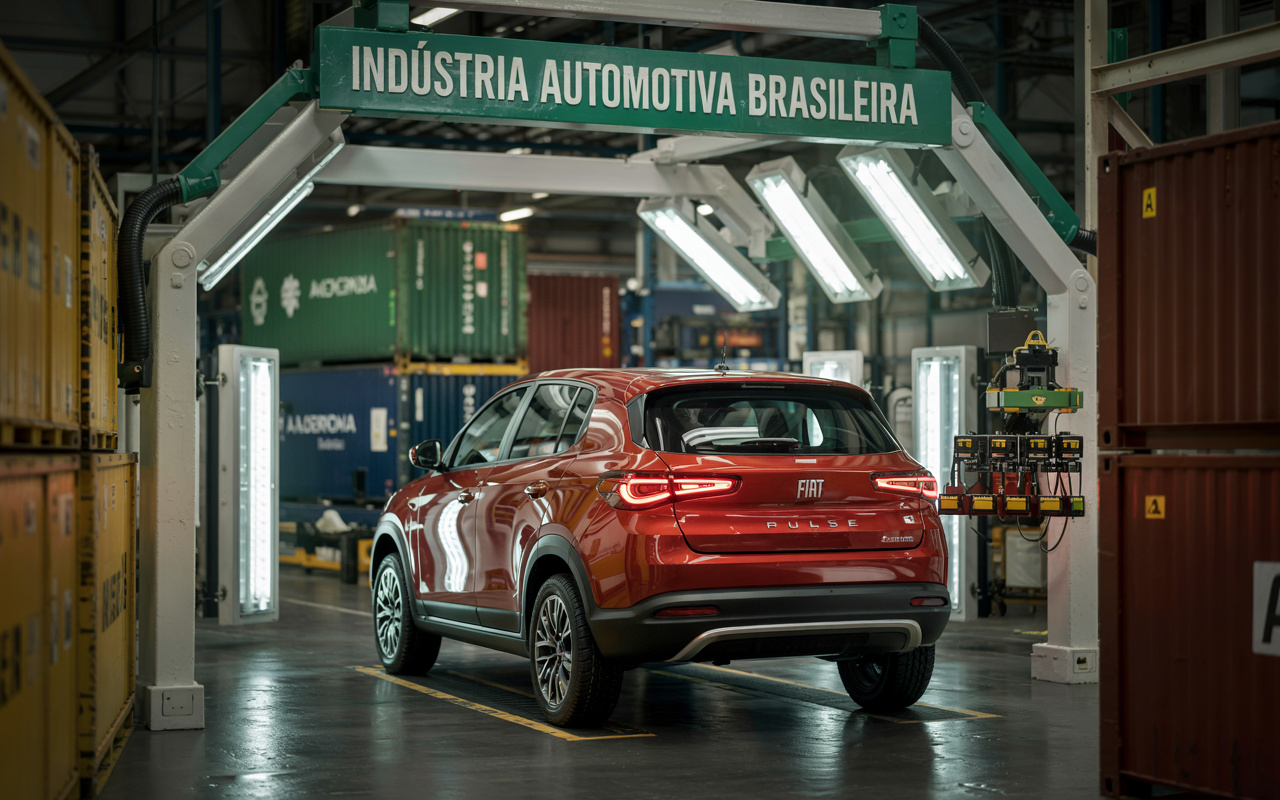
Brazilian Automotive Industry Exports Surge 38% in 2025, Driven by Argentina, Which Bought 58.9% of Exported Vehicles. Domestic Market Remains Pressured by High Interest Rates.
The Brazilian automotive industry is experiencing a paradoxical scenario in 2025: while the domestic market suffers from high interest rates and uncertainties in international trade, exports are achieving historic performance, mainly driven by Argentina. According to data released by Anfavea (National Association of Motor Vehicle Manufacturers), export volume is expected to grow by 38.4% compared to 2024, reaching 552 thousand units — well above the initial forecast of only 7.5%.
The engine of this shift is the Argentine market, which from January to July purchased 183,905 Brazilian vehicles, an impressive leap of 156.5% compared to the same period last year. As a result, Argentina’s share of exports jumped from 35.1% to 58.9%, completely changing the scenario projected at the beginning of the year.
Brazilian Automotive Industry: Argentina Establishes Itself as Main Destination for Exports
The trade of vehicles between Brazil and Argentina is favored by the rules of Mercosur, which reduce tariff barriers and simplify trade flow. Even with the economic crisis and high inflation, the government of Javier Milei has maintained austerity measures, and the Argentine automotive sector continues with strong demand.
-
Historic bankruptcy of Centauro shocks the market, and the century-old company puts more than 500,000 products, machines, and complete infrastructure up for online auction.

-
New shoe factory in Ceará is expected to create 400 jobs and strengthen the local economy.
-
No one imagined it, but a mixture of sawdust with a mineral that fights fires surprises scientists with a result that changes the course of fire-resistant construction.

-
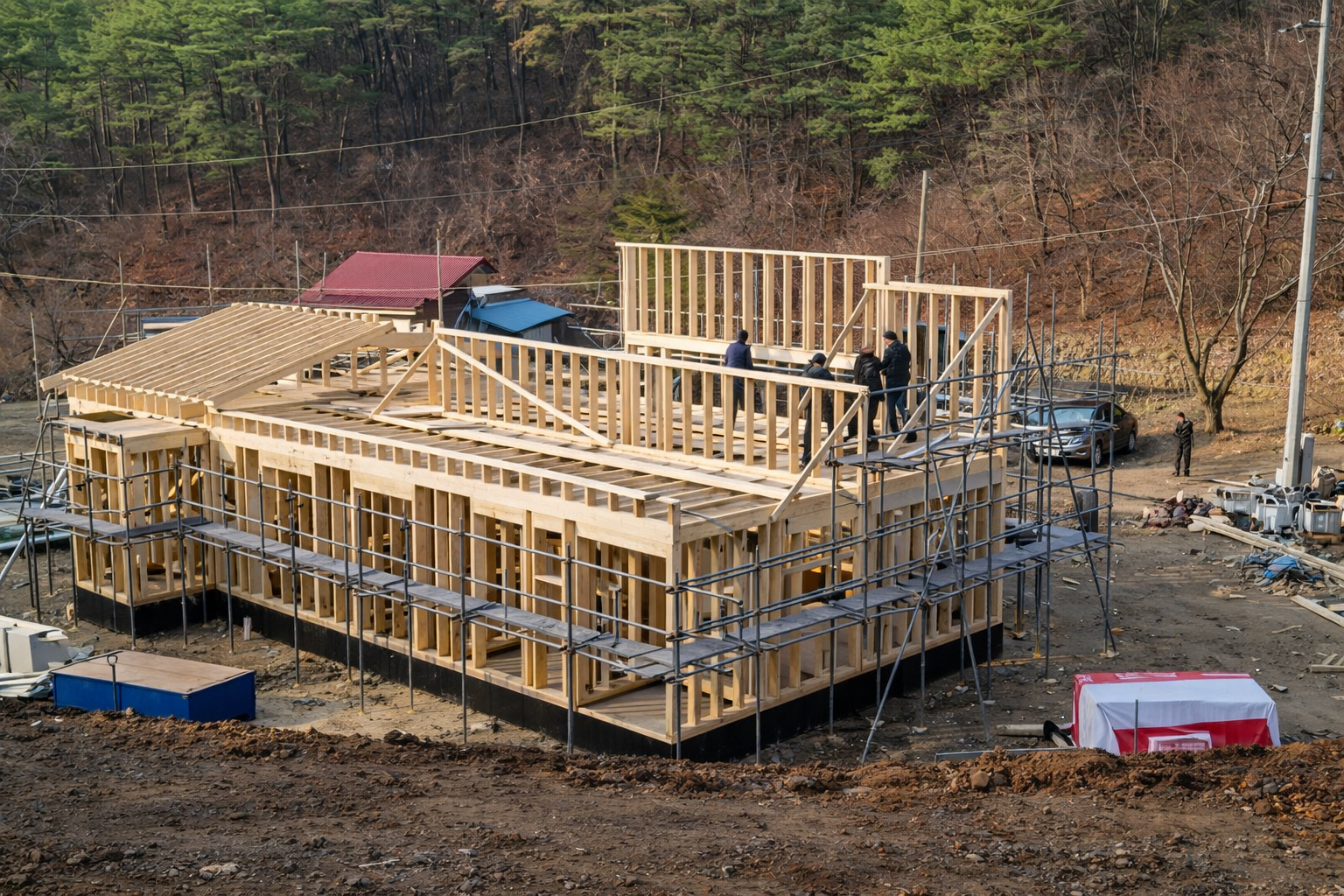
From empty land to a high-end house, wooden construction uses a lightweight system, metal structure for the foundation, ventilated ceramic cladding, and special windows to create an efficient and comfortable living space throughout the year.

In addition to Argentina, countries like Colombia and Chile have also increased their purchases of Brazilian vehicles. In contrast, Uruguay and Mexico have reported a decline in imports.
For Igor Calvet, president of Anfavea, the Argentine performance was decisive: “This demand completely changed the scenario we had at the beginning of the year and reinforces the importance of the external market to maintain the production pace in Brazil.”
Exports Rising and Domestic Market Declining
If the scenario in exports is positive, the reality in the domestic market is less encouraging. Anfavea revised down the forecast for growth in internal sales, from 6.3% to 5%, which represents 2.765 million units.
The main obstacle is the basic interest rate, currently at 15%, the highest in nearly 20 years. This level increases the cost of credit and complicates vehicle financing, reducing consumer appetite.
International Scenario Also Brings Risks
The tariffs imposed by President of the United States, Donald Trump, have generated uncertainties in global trade and an indirect impact on cargo transportation. As 60% to 70% of Brazilian products move by road, a contraction in this segment directly affects truck sales, one of the pillars of the national automotive industry.
Production Maintains Growth Pace in 2025
Despite the challenges in the domestic market and external uncertainties, Anfavea maintained its growth projection for total production in 2025: an increase of 7.8%, reaching 2.749 million units. The good performance in exports, especially to Argentina, has been sufficient to sustain assembly lines and maintain jobs in the sector.
The current scenario reinforces the importance of diversifying destinations and maintaining strategic trade agreements. For the Brazilian automotive industry, Argentina not only saved the sector’s performance in 2025 but also demonstrated that the external market can be key to navigating periods of domestic recession.
If the domestic market continues to be pressured by interest rates and expensive credit, betting on exports will be crucial to keep production heated and ensure the competitiveness of Brazilian automakers.








Seja o primeiro a reagir!