





 Portuguese
  English
  Spanish
  4 min of reading
  1 comment




Almost Half Of The Brazilian Industry Adopted Green Innovation, With 47% Of Industries Having Approved Projects Or Plans. Industry 4.0 And 5.0 Drive This Transformation.
Almost half of the industrial sector in Brazil is incorporating innovation, with 47% of industrial companies approving projects or implementing related plans. Technological evolution, driven by Industry 4.0 and 5.0, has been a key factor for this change.
Going beyond, many industries are focusing not only on general innovation but specifically on eco-innovation. Technologies aimed at reducing environmental impacts are trending in the industrial sector. Recognizing the need to minimize environmental damage, the industrial sector has invested in what is called ‘green innovation’, which encompasses technologies intended for this purpose.
Study Reveals Innovative Actions In Brazilian Industries
A survey released by the National Confederation of Industry (CNI) in August of last year revealed that 47% of Brazilian industries have projects or action plans aimed at innovation. According to the survey, 30% of companies already have ongoing projects, while 17% have approved plans. Another 28% are studying the adoption of innovative measures related to sustainability.
-
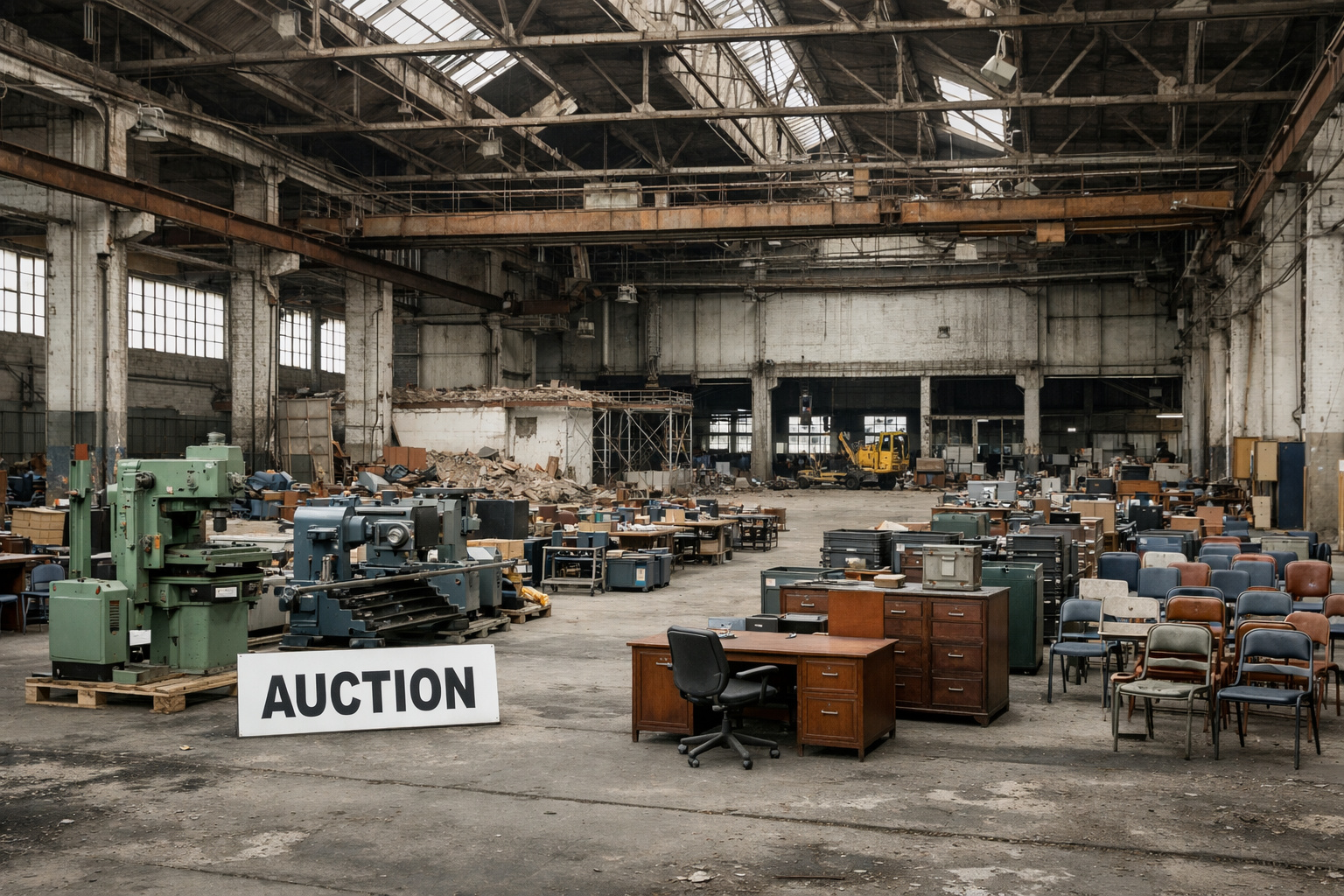
Historic bankruptcy of Centauro shocks the market, and the century-old company puts more than 500,000 products, machines, and complete infrastructure up for online auction.
-
Oncorp wins auction and enables biodiesel and gas thermal plants in Brazil, with strategic projects in Suape and Xavantes Aruanã.

-
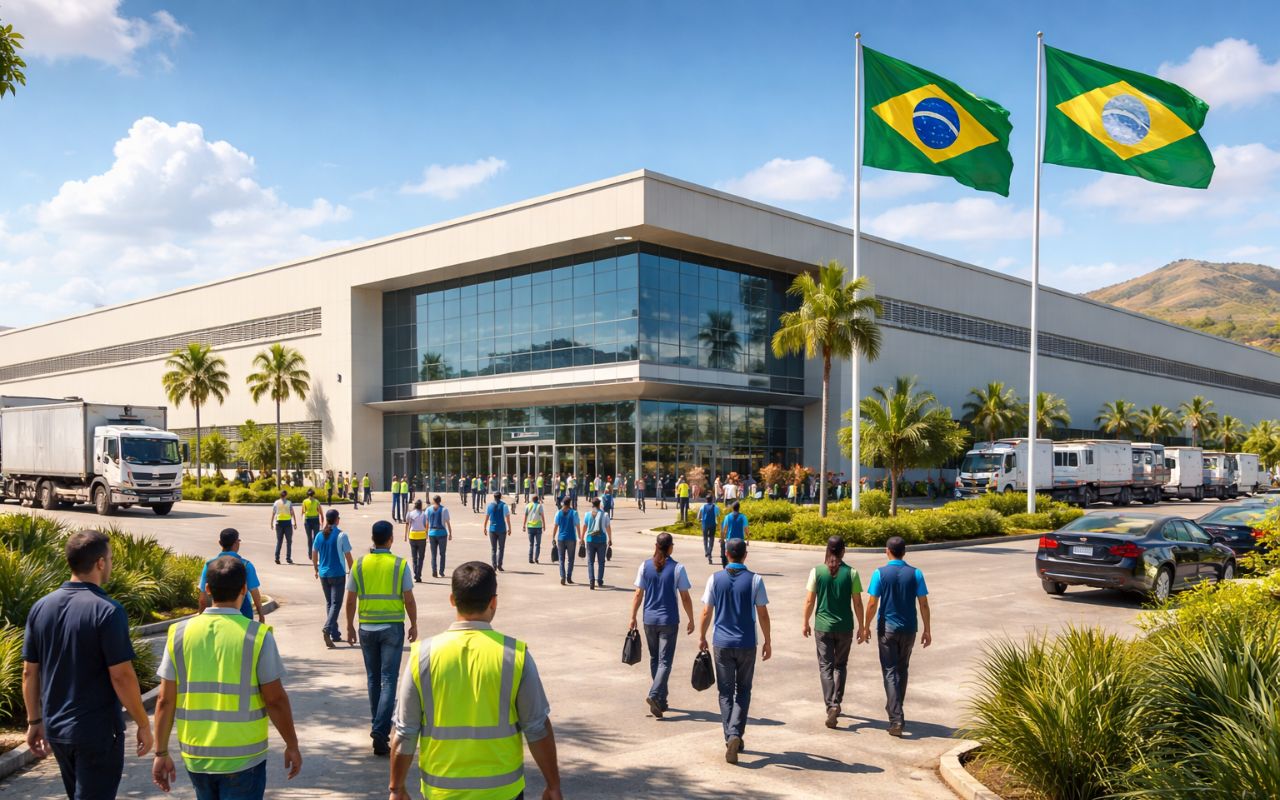
New shoe factory in Ceará is expected to create 400 jobs and strengthen the local economy.
-
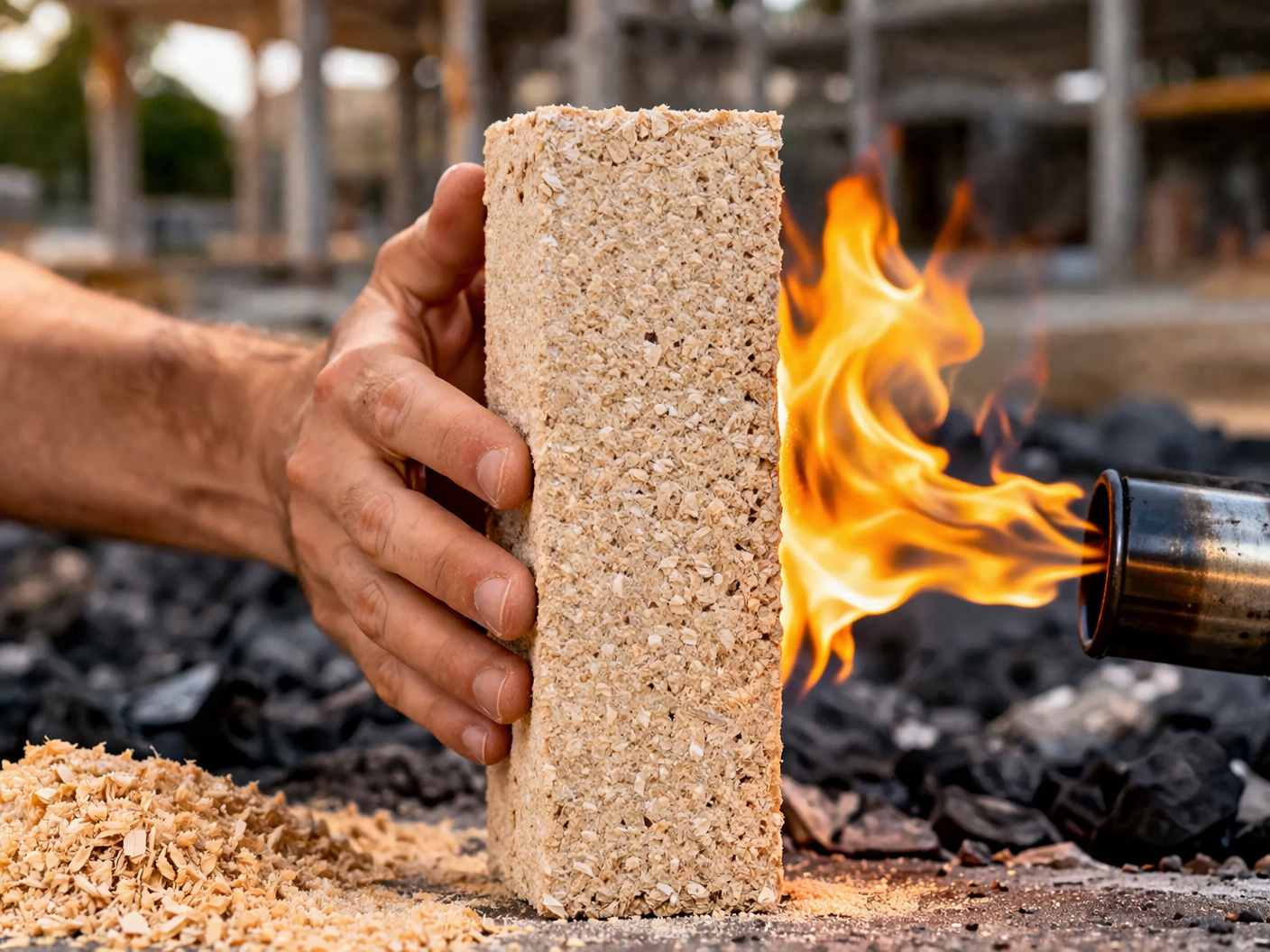
No one imagined it, but a mixture of sawdust with a mineral that fights fires surprises scientists with a result that changes the course of fire-resistant construction.

About 19% of industries are still not developing any actions in the field of green innovation. CNI points out several reasons for the growing interest of industries in sustainable innovations. Investing in technological innovations in the sector means reducing environmental impacts, increasing the efficiency of resources, and adopting newer and more efficient technologies. The industry has gone through a modernization process thanks to the implementation of ‘Industry 4.0‘.
Technological Innovation And Sustainability In Industry 4.0
Introduced in the 2010s, ‘Industry 4.0’ is defined as the period of integration of digital technologies into industrial processes, aiming to increase productivity, quality, and competitiveness, according to the Brazilian Micro and Small Business Support Service (Sebrae). Since 2020, the industry has been advancing towards ‘Industry 5.0‘, where machines and people collaborate for innovative, creative, and sustainable production that adds more value to products.
In this modernization process, smart solutions have become an essential reality for the sector. One example is the ERP system, which integrates departments, allowing information management and waste reduction, according to the Foundation Institute of Administration (FIA). The acronym ERP comes from the English terms Enterprise Resource Planning.
Environmental Commitment And Green Innovation In Practice
Green innovation, or eco-innovation, prioritizes reducing environmental impact through the implementation of products and services that increase the efficiency of resources used. On the practical side, the concept combines innovation principles with environmental commitment, according to the Organization for Economic Cooperation and Development (OECD). Although this idea is not new, its importance has grown in recent years as society recognizes the urgency of sustainable actions.
Technology has been aligning with the development of smart solutions, even if not all are considered green innovations. One example is MRP, which stands for Manufacturing Resource Planning or Material Requirements Planning. This manufacturing resource planning tool performs calculations to better understand processes, ensuring control over necessary resources and avoiding waste, as explained by Sebrae.
Expansion Of Eco-Innovation And Challenges
According to the OECD, eco-innovation can manifest in the industry through technological innovations, marketing actions, and institutional initiatives. In an interview with the press, the CNI president, Robson Braga, highlighted that the concept is spreading in the sector but still faces challenges. He emphasized the need to support small businesses in this journey, considered a trend for the strategic plans of the Brazilian industry. It is important to note that small businesses represent 99% of active companies in the country, according to data from the Federal Revenue.
Advantages Of Green Innovations For Industries
The adoption of green innovations offers several benefits for Brazilian industries. According to the Social Development Institute, Management and Technology (IDESG), the reduction of costs is one of the first positive aspects observed. A large part of these initiatives promotes resource optimization, waste reduction, and pollutant emissions, which also generates savings from environmental fines.
Furthermore, the increase in productivity is another significant benefit. By improving processes and the quality of products and services, there is an increase in the productive potential of industries. The reputation of industries is also favored. Companies that demonstrate environmental responsibility and commitment to sustainable development gain a positive image in the market, which is considered a competitive advantage, according to IDESG.
Source: © Ana Beatriz









Interessante o que acabei de ler aqui, existe muitos artigos em seu blog relacionado a este que acebei de ler gostei de seu blog. Assista as melhores filmes