





 Portuguese
  English
  Spanish
  6 min of reading
  0 comments


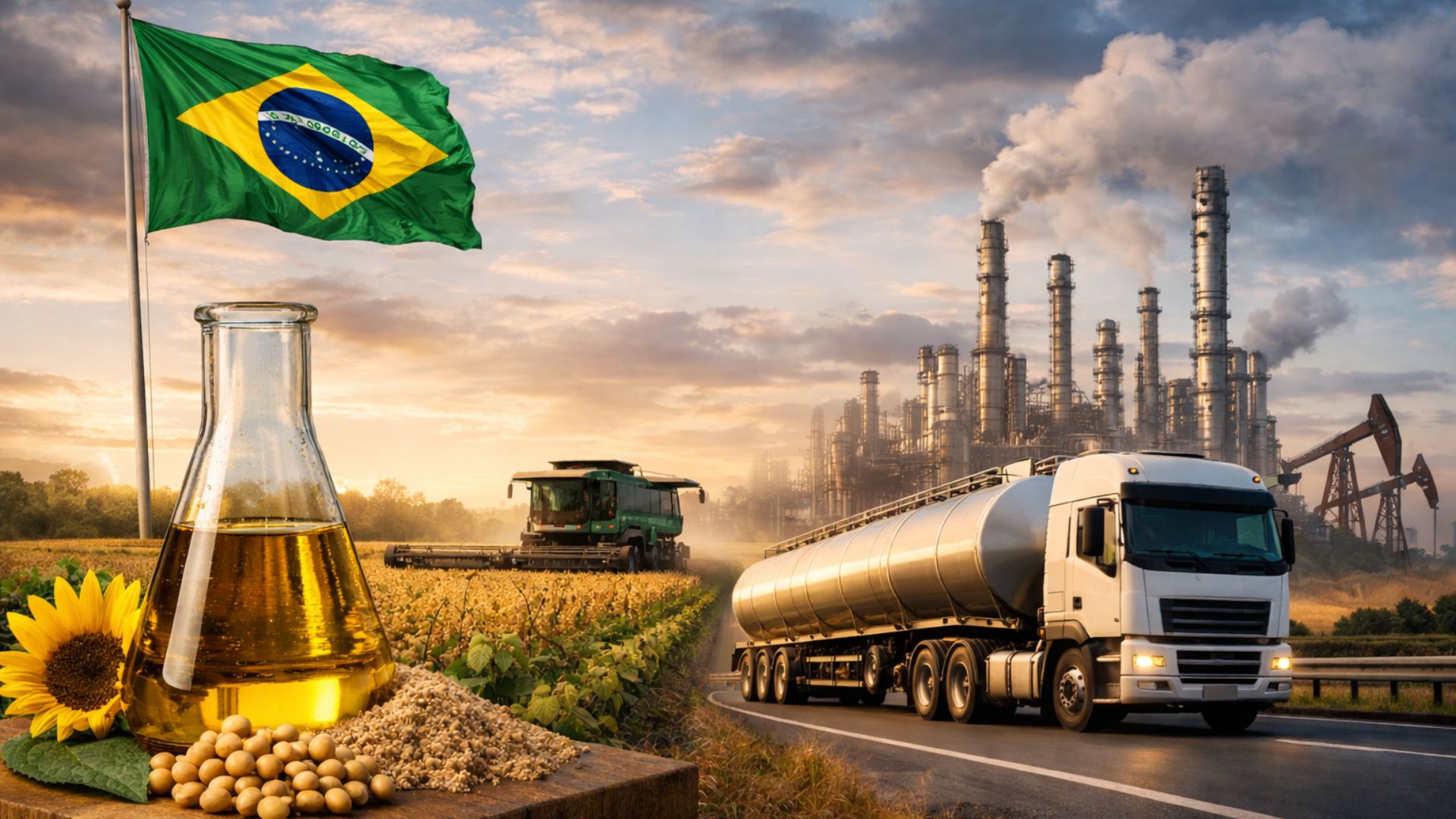
Biofuels Sector Pressures Government to Define New Biodiesel Percentage in Diesel and Argues That the Increase in Mixture Can Strengthen National Industry, Boost Agricultural Production, and Reduce Dependence on Imports Amid International Market Volatility.
The Brazilian biofuels industry has intensified its demand for the federal government to approve, in the coming weeks, the increase in the biodiesel mixture with fossil diesel. According to a report published by Globo Rural on March 3, the increase from 15% to 16% — the so-called B16 — is provided for in the Future Fuels Law starting March 1, 2026, but depends on deliberation by the National Energy Policy Council (CNPE), an agency led by the Ministry of Mines and Energy (MME).
Understand the Context of Industry Pressure for Biodiesel Mixture
The topic has gained traction amid the international instability and Brazil’s dependence on imported diesel. According to the sector itself, Brazil imports approximately 25% of the diesel it consumes. In times of external conflict and currency volatility, this exposure pressures prices and increases uncertainty.
For the biodiesel-producing industry and parliamentarians linked to agribusiness, the approval of the increase in the mixture is strategic. The measure can bolster energy security, stimulate agricultural production, and reduce dependence on imported fossil diesel.
-
Brazil accelerates hydrogen and biofuel projects to consolidate the fuel of the future and reduce dependence on oil by 2026.
-
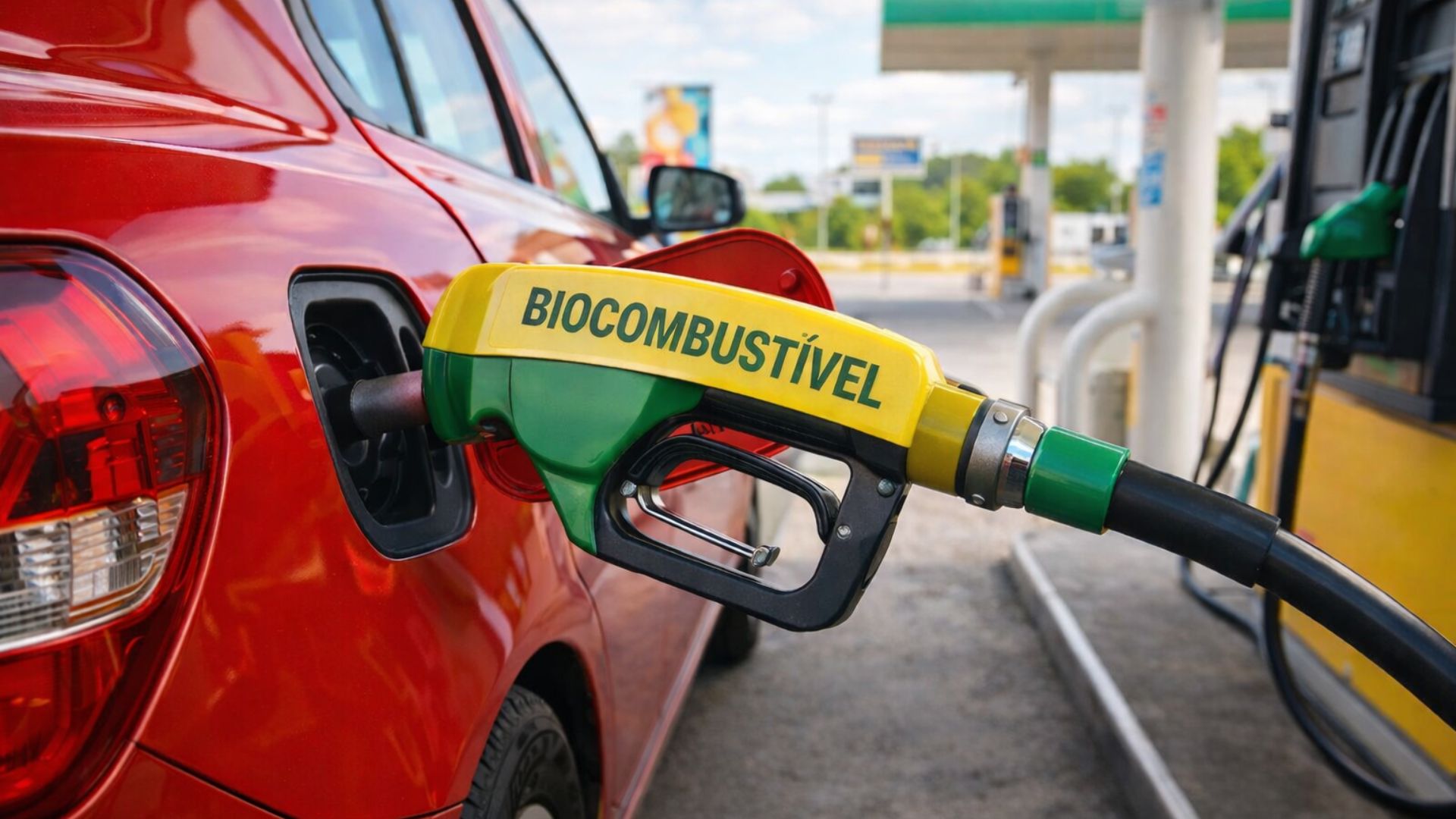
CNPE strengthens policy and prevents imported biodiesel from being mixed with diesel, aiming to strengthen the Brazilian industry and protect jobs by reducing external dependence amid tensions in the global market.
-
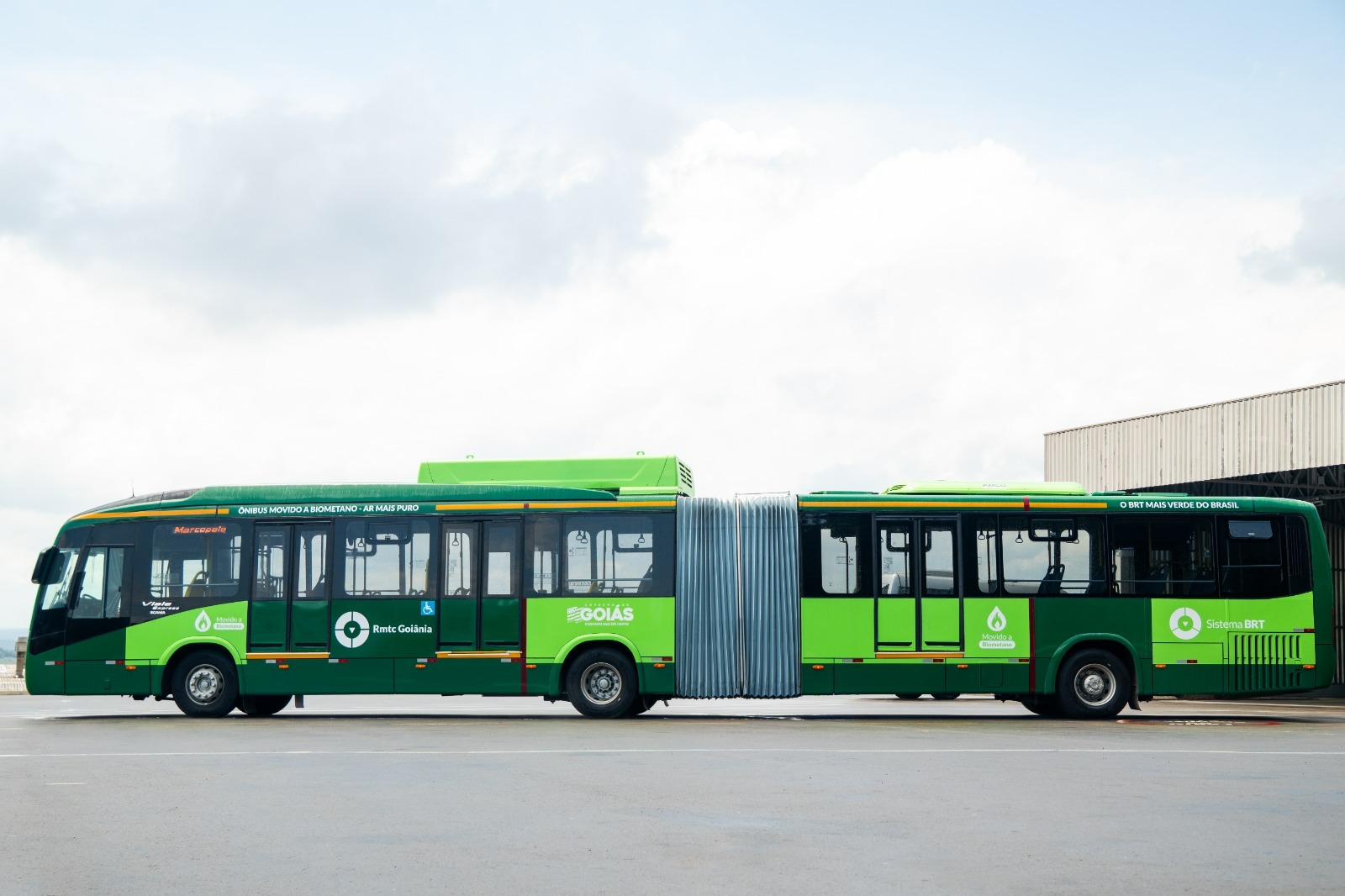
Revolution in public transport: Goiânia puts into circulation the first articulated buses powered by biomethane in Brazil and promises to drastically reduce pollution on the Anhanguera Corridor.
-
From the field to the pipelines: Mato Grosso do Sul accelerates the energy transition and consolidates a new axis in renewable energy with the arrival of a giant biogas plant.
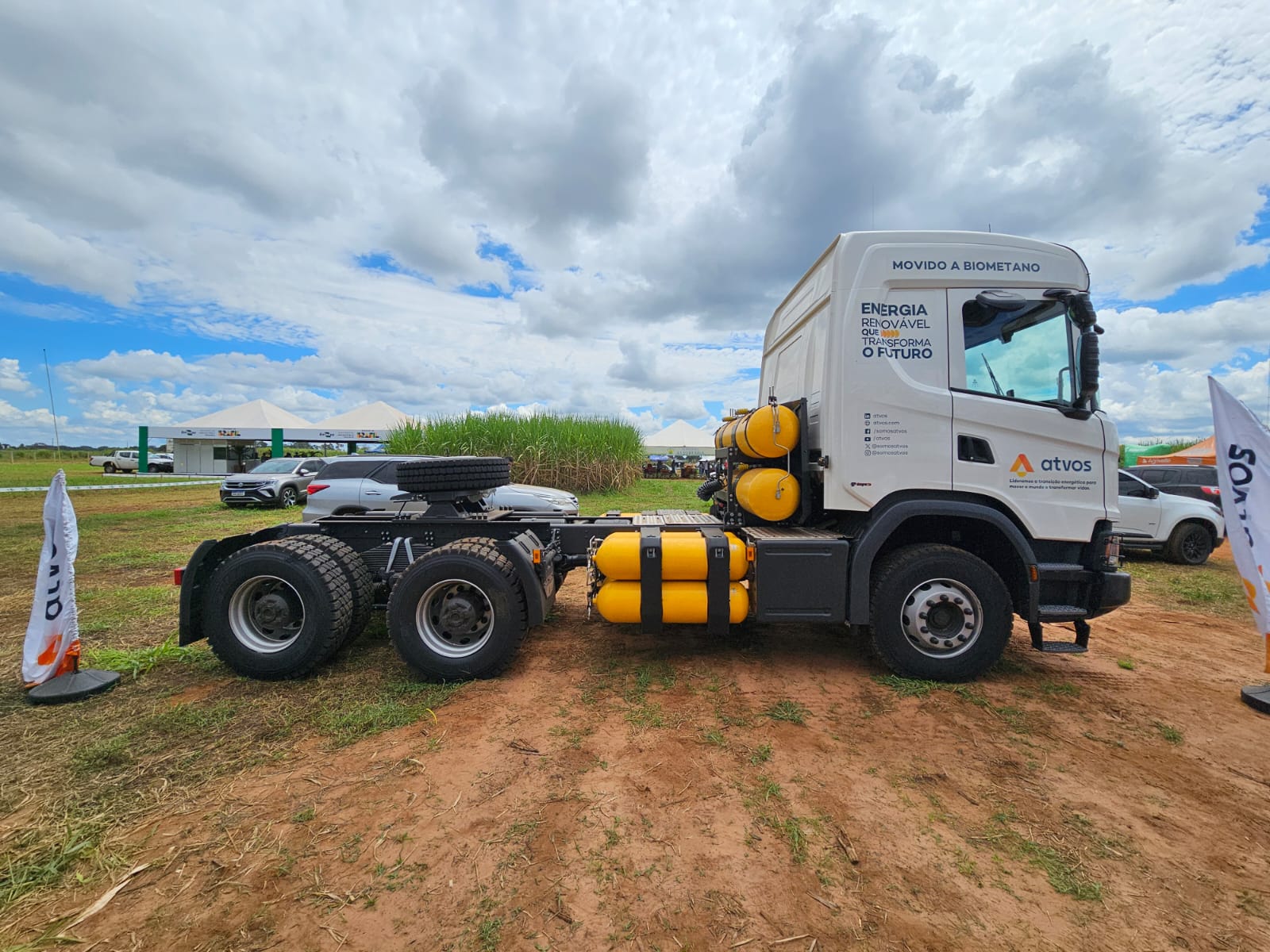

On the other hand, the government and the automotive industry advocate caution, calling for technical tests before the final decision. Below, understand the main points of this debate and the economic, energy, and productive impacts involved.
Industry Pressures Government to Comply with Legal Schedule for Increasing Biodiesel Mixture
The current national biofuels policy establishes gradual growth in the biodiesel share in diesel sold in the country. The Future Fuels Law provides for an annual increase of 1 percentage point until the mixture reaches higher levels in the coming years.
According to the legal text, the mixture should increase from 15% to 16% starting March 1, 2026. However, in practice, the increase in the mixture only materializes after approval by the CNPE. This step is what the industry demands from the government.
Industry representatives assert that the increase to B16 does not represent an abrupt change but rather a continuation of an already defined public policy. For the plants, adhering to the schedule is essential for providing predictability to investments, contracts, and the planning of the production chain.
The sector expects the topic to be evaluated in a CNPE meeting scheduled for March 12, according to sources in Brasília. Therefore, the decision may occur in the coming weeks, should it enter the committee’s official agenda.
Government Advocates Technical Tests Before Authorizing New Percentage
Despite the legal forecast, the federal government signals caution. There is an intention to conduct new tests to validate the higher mixture before formally authorizing B16.
The tests already contracted by the Ministry of Mines and Energy were conducted with mixtures of 15% biodiesel to diesel. The new studies should evaluate higher percentages, including 20%, to assess technical performance, behavior in engines, and potential operational impacts.
According to government members, these additional tests would only be ready by mid-year. This creates a mismatch between the legal schedule and the completion of technical analyses.
The automotive industry supports this stance. The National Association of Automotive Vehicle Manufacturers has already expressed disagreement with increasing the mixture without a clear technical reference regarding potential impacts on engines. The concern is that the change could be implemented before complete validation, generating risks for manufacturers and consumers.
External Dependence Strengthens Industry Argument in Favor of Increasing Mixture
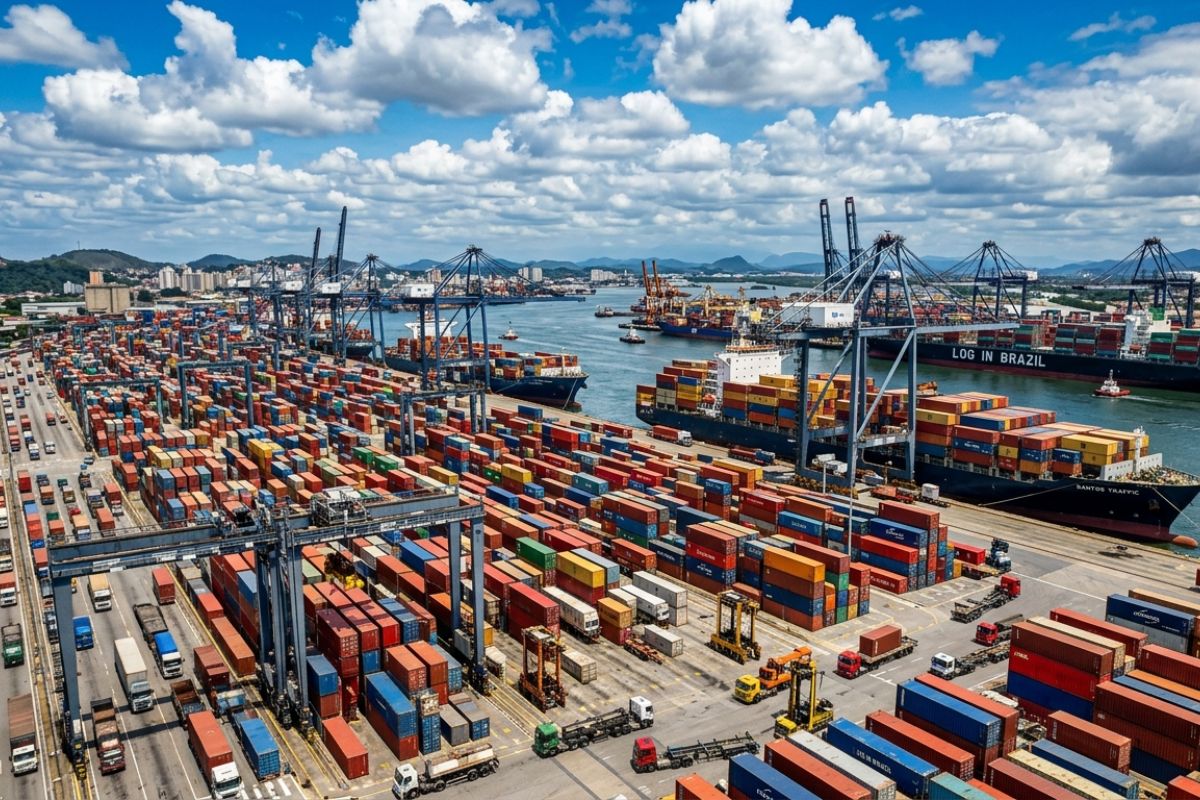
One of the main points made by the industry is the need to reduce dependence on imported diesel. Currently, Brazil imports about 25% of the diesel it consumes, even being a crude oil exporter.
This situation is seen as a structural fragility. In scenarios of international conflict, such as those involving Iran and other energy-producing regions, diesel prices tend to rise. The impact affects transportation, logistics, and inflation.
For the sector, each additional percentage point of biodiesel in the mixture reduces the need for importing fossil diesel. Increasing the mixture to 16% would enhance this partial replacement and help lessen currency exposure.
In the industry’s view, the government’s decision has a direct effect on the country’s energy security. By strengthening domestic biodiesel production, Brazil increases its autonomy in the face of external shocks.

Biodiesel Boosts Agricultural Production and Adds Value to the Productive Chain
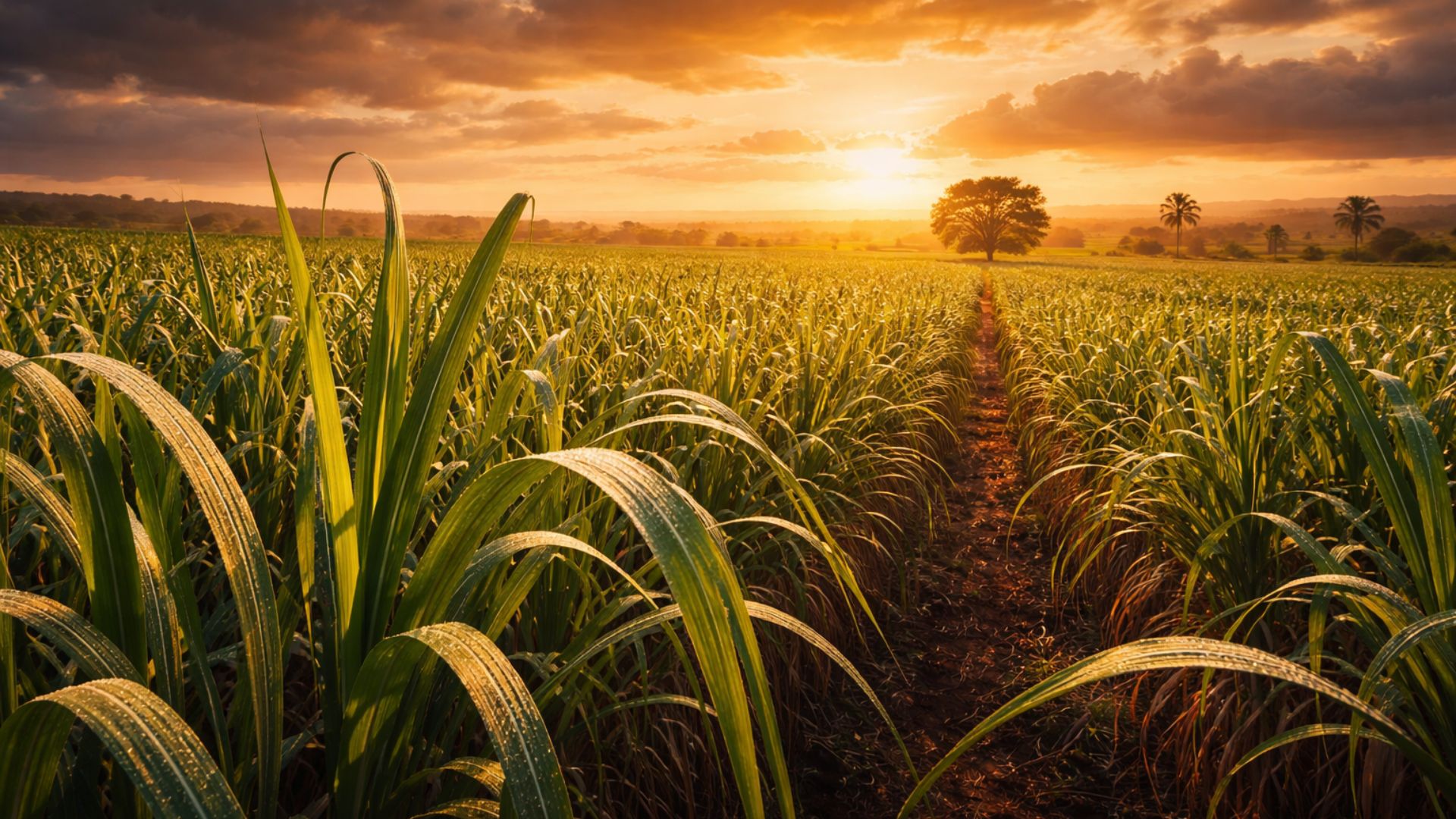
Another central argument is the positive impact on agricultural production. Brazilian biodiesel is primarily produced from soybean oil, which directly connects the energy sector to agribusiness.
With the increase in the mixture, the demand for raw material rises. This stimulates grain processing, expands plant activity, and generates indirect effects on cooperatives and rural producers.
In addition to oil, soybean crushing generates meal, a fundamental input for animal feed. Thus, the expansion of biodiesel strengthens not only the production of renewable energy but also the animal protein chain.
For the industry and for the parliamentary fronts linked to the sector, increasing the mixture to B16 is absolutely necessary at this moment of international instability. The argument is that the measure enhances energy security and strengthens domestic production.

Energy Security, Currency, and Economic Impacts of B16
The discussion about increasing the mixture also involves macroeconomic variables. When Brazil imports 25% of the diesel it consumes, a significant part of price formation depends on the exchange rate and conditions in the international market.
During periods of dollar appreciation or rising oil prices, diesel costs increase. This directly affects the transportation of goods and passengers, with repercussions on inflation and food prices.
Biodiesel, being produced domestically, reduces part of this vulnerability. Although it is also subject to market costs, its production occurs primarily within national territory, with lower exposure to geopolitical risks.
For the industry, increasing the mixture serves as a partial “shield” for the economy. It does not eliminate external dependence but reduces its intensity. Meanwhile, the government needs to consider potential effects on final prices, competitiveness, and technical impacts, ensuring that the transition occurs safely and balanced.
Technical Debate Among Industry, Government, and Automotive Sector
The current impasse reveals tension between different segments. On one side, the biodiesel-producing industry pressures for immediate compliance with the legal schedule. On the other, the government and the automotive industry advocate for completion of tests prior to authorization.
The automotive sector’s concern is practical: if the mixture increase is implemented and problems later arise, how would the already marketed products be handled? This uncertainty reinforces the advocacy for caution.
The government, in turn, needs to harmonize interests. The decision involves energy policy, environmental impacts, the agricultural sector, the automotive industry, and consumers.
The CNPE, as the deliberative body, will play a central role in this process. The eventual approval of B16 will mark a new chapter in Brazilian biofuels policy.
What Is at Stake for the Country’s Energy Future
The decision regarding the increase in the biodiesel mixture is not merely technical. It signals the direction of Brazil’s energy policy in a transition to more renewable sources.
Brazil has built, over the past decades, one of the cleanest energy matrices in the world. Biodiesel is part of this strategy, integrating energy and agriculture.
At the same time, the dependence on 25% imported diesel highlights structural limits. Reducing this vulnerability is a strategic objective, especially in contexts of conflict and international volatility.
For the industry, the approval of B16 represents a coherent advancement aligned with the law and the need to strengthen domestic production. For the government, the priority is to ensure technical safety and stability.
The final decision will indicate how the country intends to balance economic growth, energy security, and regulatory predictability. In an unstable global scenario, the debate over increasing the biodiesel mixture shows that energy, agriculture, and politics are increasingly interconnected in Brazil.






Seja o primeiro a reagir!