





 Portuguese
  English
  Spanish
  3 min of reading
  0 comments


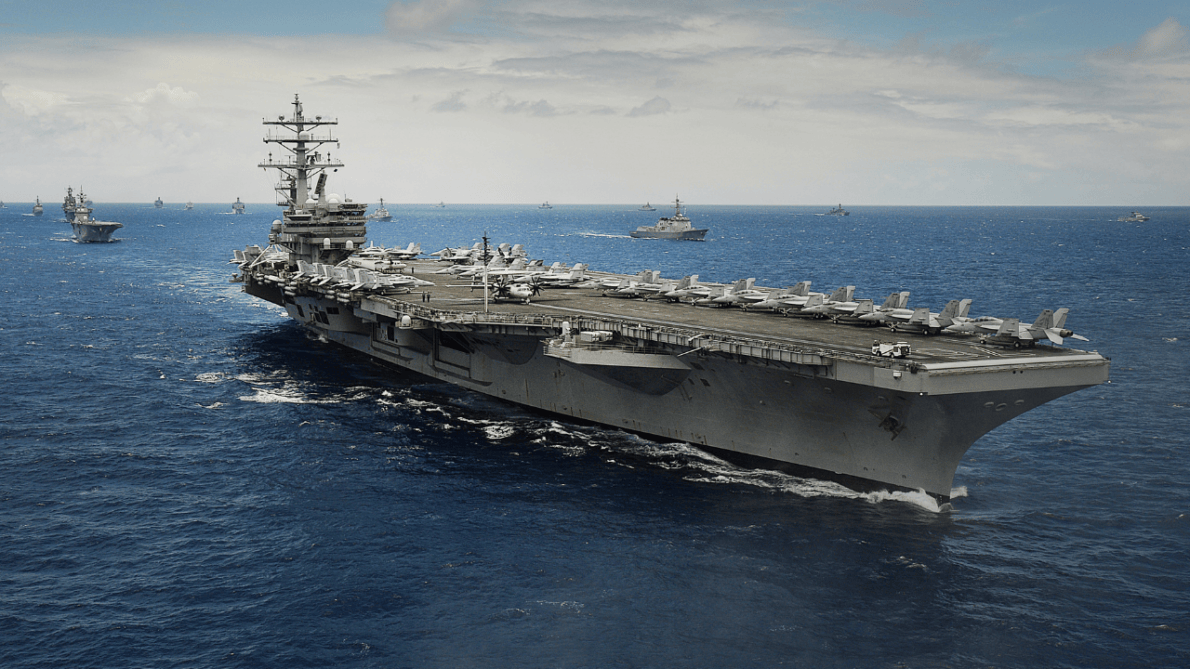
Manufacturers of Aircraft Carrier Components Urgently Request Funding from Congress to Avoid Supply Chain Collapse and Shutdown.
The construction of the next Gerald R. Ford-class aircraft carrier, CVN 82, is at risk of significant delays due to the imminent shutdown of various suppliers in the U.S. naval industrial base.
The warning was issued by the Aircraft Carrier Industrial Base Coalition (ACIBC), a coalition representing hundreds of companies involved in manufacturing critical components for large military vessels.
According to the ACIBC, the continuation of production is directly threatened by a lack of financial resources. The organization is seeking the release of US$ 600 million in advance funding from the U.S. Congress to ensure the start of construction of CVN 82 by, at the latest, the fiscal year 2029.
-
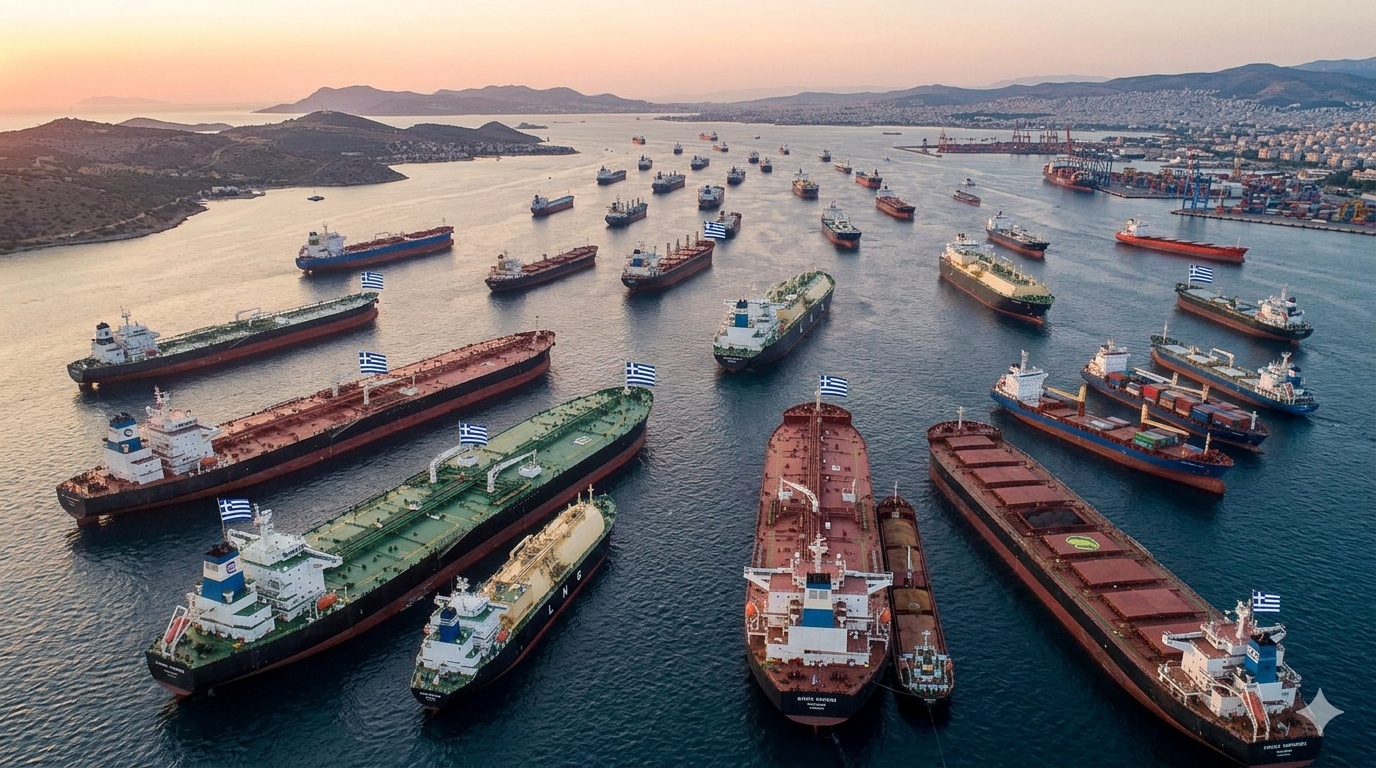
Neither the USA nor China: a small European nation has become one of the largest maritime powers on the planet, controlling one of the largest merchant fleets in the world with thousands of ships and dominating the global transportation of oil and strategic cargo.
-
Scotland and the United Kingdom have created a new anchoring system that floats in the water without touching the seabed, after discovering that the current from a conventional anchor destroys up to 50 m² of seagrass meadow per event and that ship-damaged reefs showed no signs of recovery even ten years later.

-
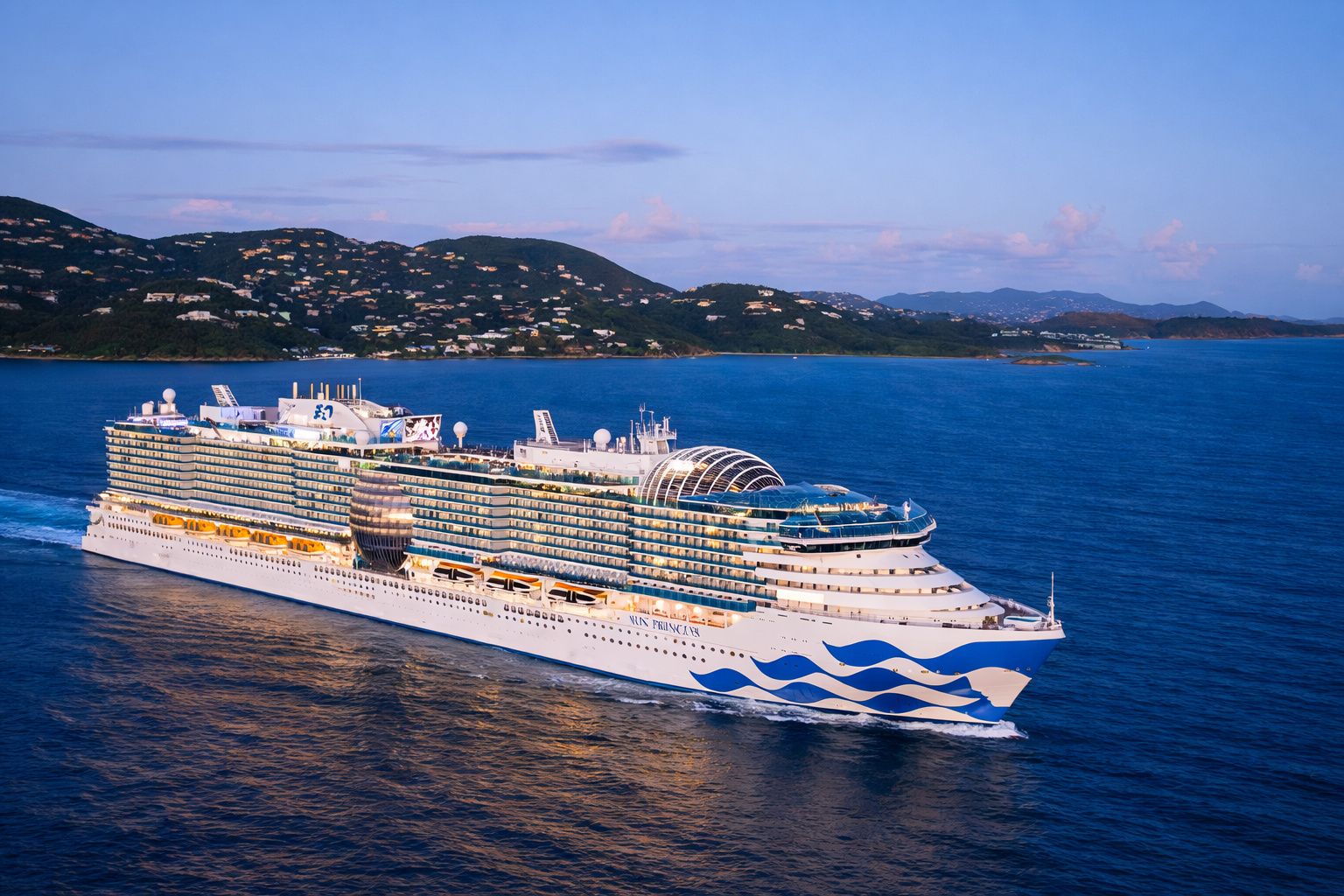
Weighing 175,500 Tons, Measuring 345 Meters Long, and With Capacity for Over 4,300 Passengers, the Sun Princess Becomes the Largest Ship Ever Built by Princess Cruises and Attracts Global Attention for Its Huge Glass Dome Inspired by Santorini’s Architecture Installed on Top of the Vessel
-
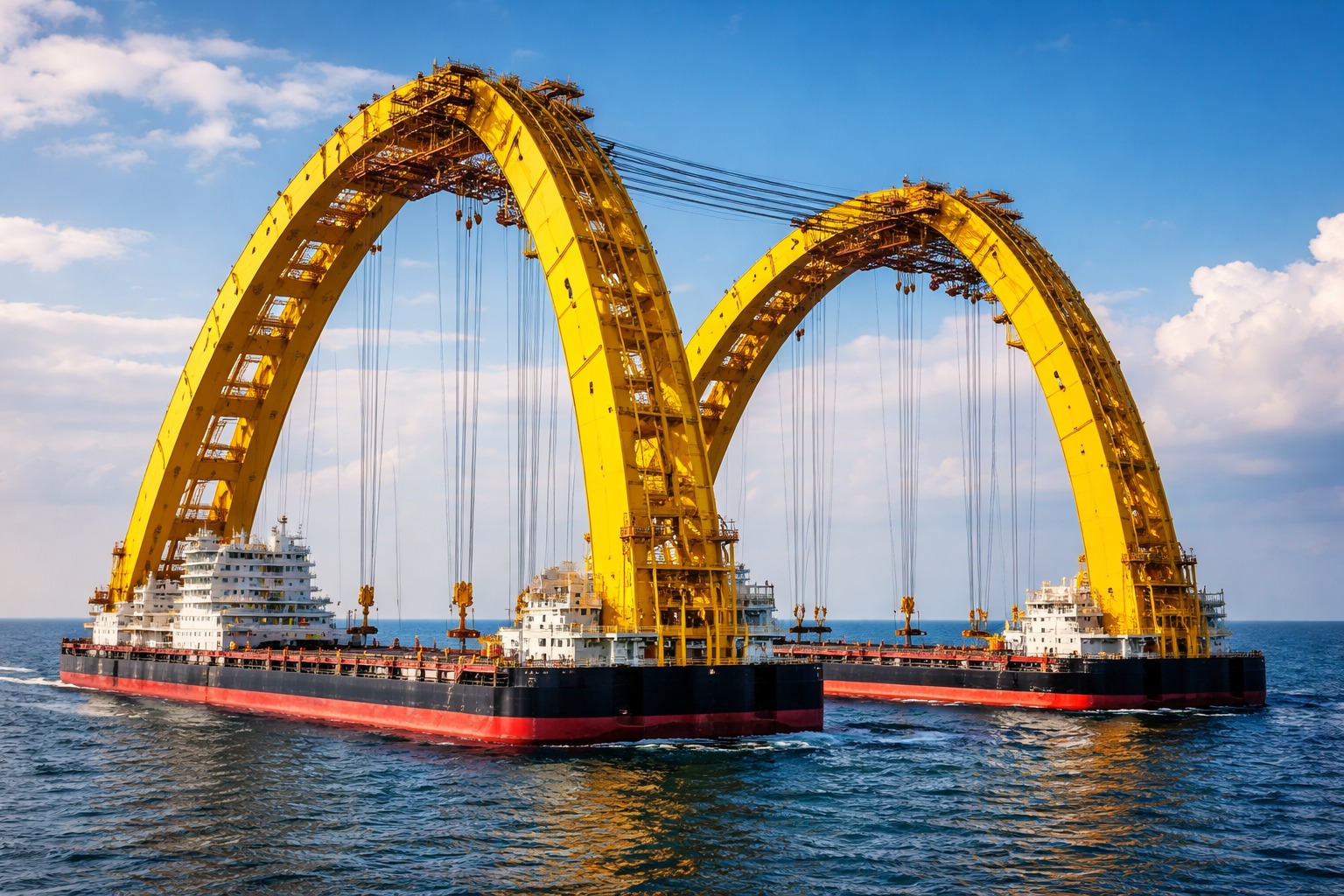
TX-10, The Colossus of The Sea: Largest Lifter Ship in The U.S., With Two Giant Barges, 73-Meter Tall Structure, and Strength to Raise 7,500 Tons of Sunken Oil Rigs

“We are requesting US$ 600 million in advance procurement resources so that we can begin production of long-lead-time components,” stated Lisa Papini, president of the ACIBC, during a meeting with lawmakers last week. Without this, suppliers cannot keep their lines operating.
Suppliers Have Already Started Shutting Down
The situation of the supply chain is considered critical. According to a survey conducted by the ACIBC among 219 suppliers, 73% of critical or single-source supply lines are already deactivated or will become inactive by 2026, if the funding is not approved. The projection is even more concerning: 83% will be inactive by 2027 and 96% by 2028.
According to Papini, this year represents a turning point. “Last year, we warned that without new contracts, companies operating continuous production lines would begin to halt their activities. This year, we already have companies saying they have stopped or will stop soon — and when I say stop, I mean that the production line has ceased continuous operations,” she stated.
Workforce Relocation and Migration to Other Markets
The uncertainty regarding the future of contracts has led several suppliers to relocate their workforce and seek opportunities in other sectors, gradually abandoning the naval industry.
Many of these companies are responsible for components not only for aircraft carriers but also for nuclear submarines and other strategic vessels.
This trend concerns the ACIBC, as recovering these industrial capabilities — once lost — can be slow and extremely costly.
The discontinuity in production also affects the maintenance schedules of the aircraft carriers currently in operation, as the same suppliers produce parts for the maintenance of the active fleet’s vessels.
“In recent years, the missions of these ships have been repeatedly extended, increasing the need for support and maintenance. The same suppliers that build CVN 82 are the ones providing services and parts to keep the aircraft carriers operational,” emphasized Papini.
Dual Purchase of Aircraft Carriers as an Efficient Solution
In light of the scenario, the ACIBC advocates for Congress to approve the joint acquisition of aircraft carriers CVN 82 and CVN 83, a model previously adopted for CVN 80 and CVN 81. According to Papini, this approach ensures efficiency, stability, and predictability for the industry.
The block purchase, with three years of advance funding and deliveries every four years, is the most effective model to ensure the continuous supply of materials and maintain qualified jobs.
The U.S. Navy has already expressed support for this acquisition format, reinforcing that the dual purchase allows for better planning and use of public resources.
Growing Pressure on Congress
With the possibility of a widespread shutdown of the industrial base and the risk of delays in the CVN 82 schedule, the pressure on U.S. lawmakers is intensifying.
The decision regarding advance funding is becoming not only a budgetary issue but also strategic for maintaining the naval superiority of the United States.
The ACIBC continues to engage with lawmakers, emphasizing that keeping suppliers active is essential to ensure fleet readiness and respond to constantly evolving geopolitical challenges.
The race is now against time: without financial commitment this fiscal year, the impact on the production chain could be irreversible.









Seja o primeiro a reagir!