





 English
  Francês
  Alemão
  Italiano
  Japonês
  Norueguês
  Portuguese
  Spanish
 3 min of reading


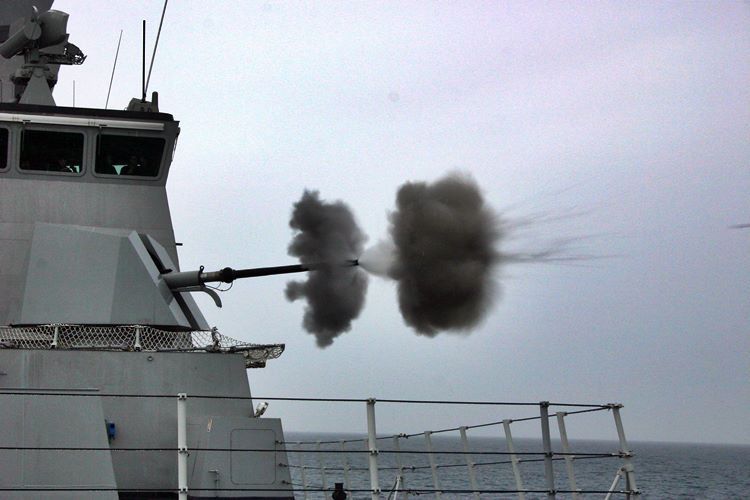
Brazilian Navy Selects Four 76 mm Naval Gun Units to Equip the Tamandaré Class Frigates to Be Built in Itajaí, SC
To Arm Its New Tamandaré Class Frigates That Will Be Built in Itajaí, the Brazilian Navy chose the 76/62 naval gun from Leonardo. Due to Covid-19, the Italian company and Thyssenkrupp negotiated via lengthy videoconferences, a contract exceeding 30 million euros, for the acquisition of four guns with an option to provide two additional units, potentially securing two more frigates for the Águas Azuis Consortium.
Read Also
- 50 Job Vacancies for High School and Higher Education to Work at Multinational General Electric Today, September 23
- Industrial Group Acquires Oceana Shipyard in Santa Catarina and Will Take Over the Navy Frigate Project
- Brazilian Navy Inaugurates Today at the Naval Complex of Itaguaí (CNI) in Rio de Janeiro, the Madeira Island Submarine Base (BSIM)
- Naval Construction: Labor Recruitment Should Start Soon for Building Ships of the Brazilian Navy at Santa Catarina Shipyard
The 76/62 naval gun from Leonardo is globally recognized for its high firepower and precision in shooting, capable of delivering multiple impacts on specific points of the target within seconds of engagement.
However, at the time of announcing the 76/62 for Brazil, a rumor surfaced behind the scenes that the choice of the 76/62 naval gun by Brazil was undeniably linked to cost considerations.
-
New shoe factory in Ceará is expected to create 400 jobs and strengthen the local economy.

-
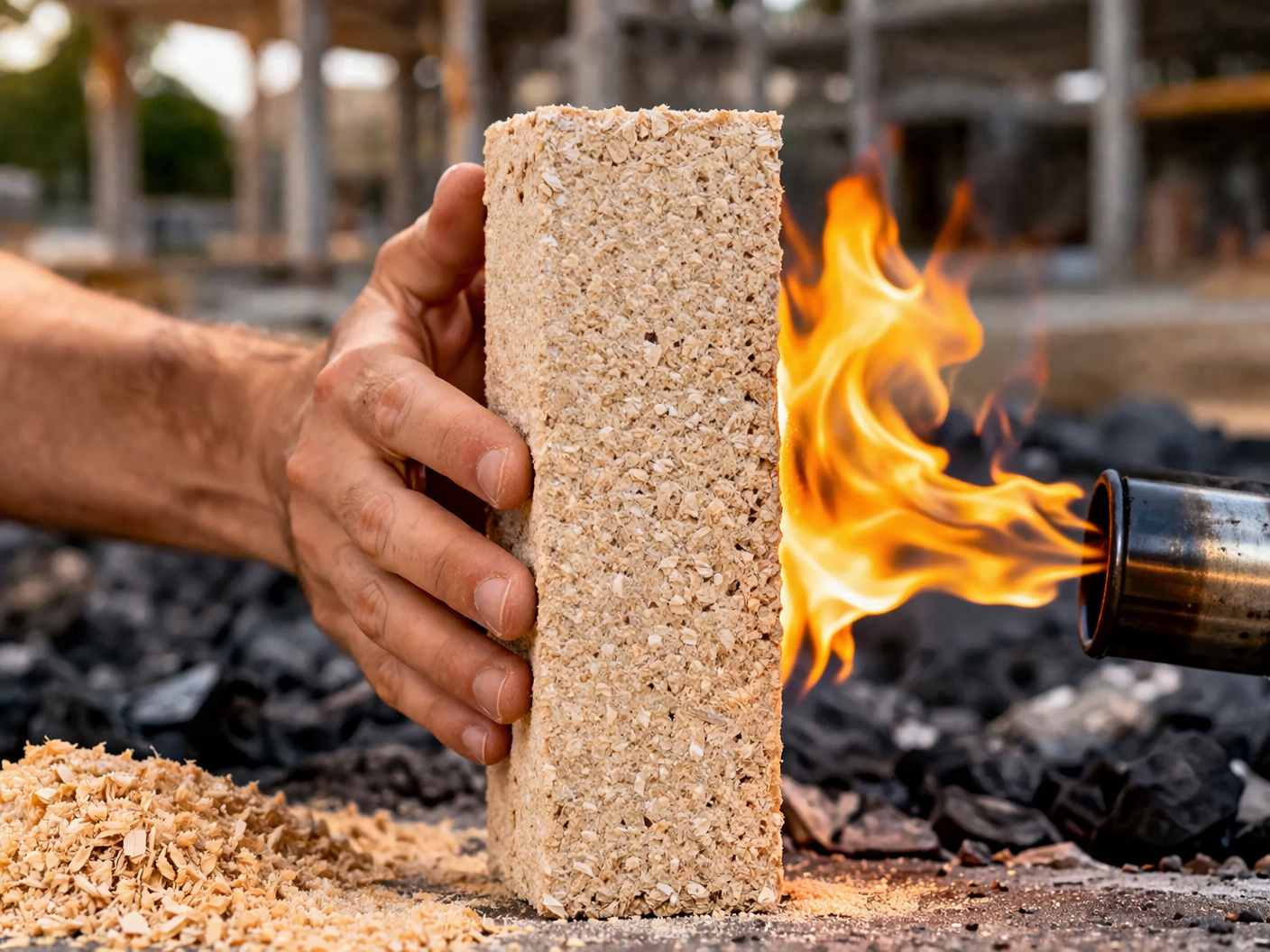
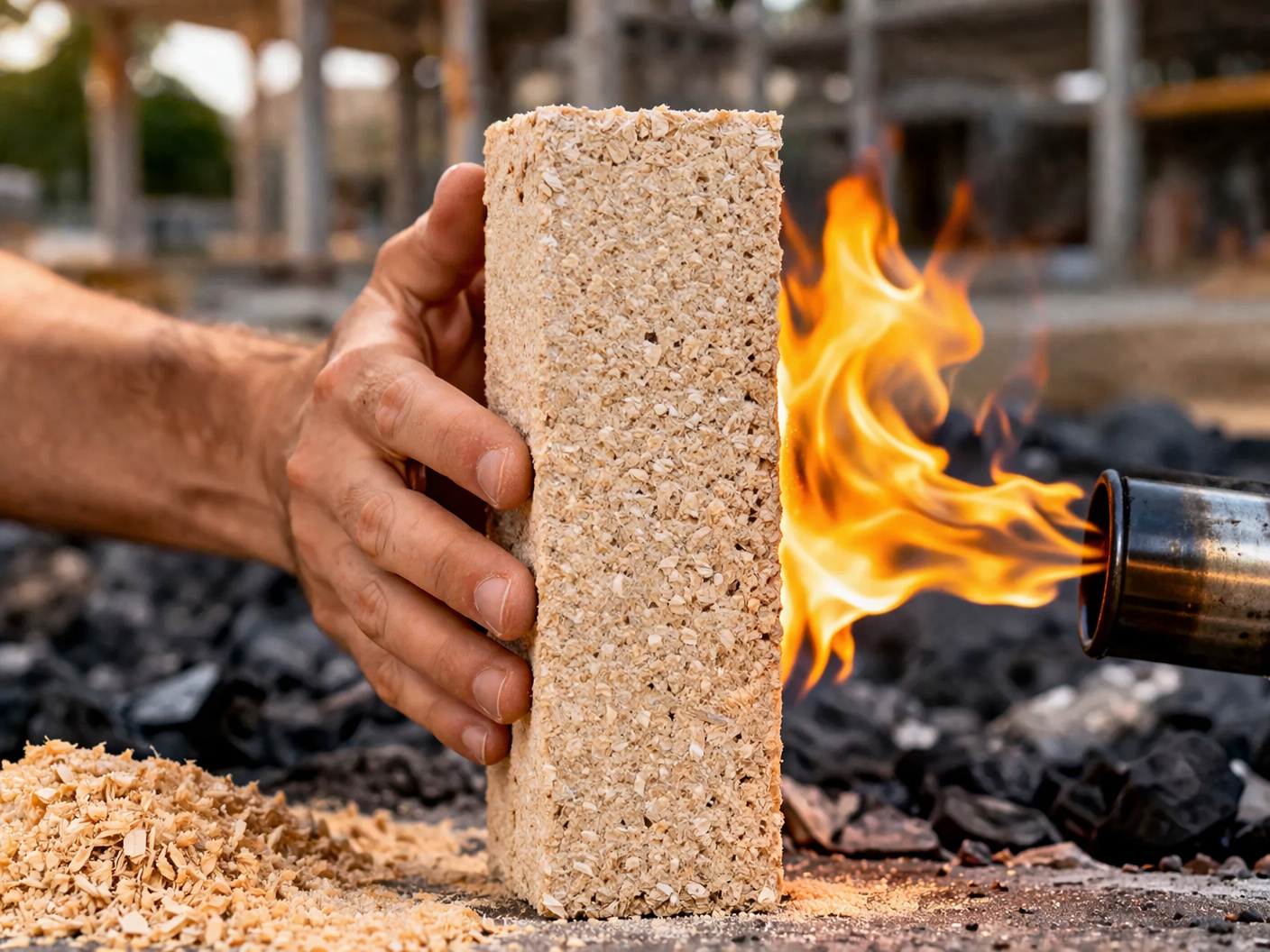
No one imagined it, but a mixture of sawdust with a mineral that fights fires surprises scientists with a result that changes the course of fire-resistant construction.
-
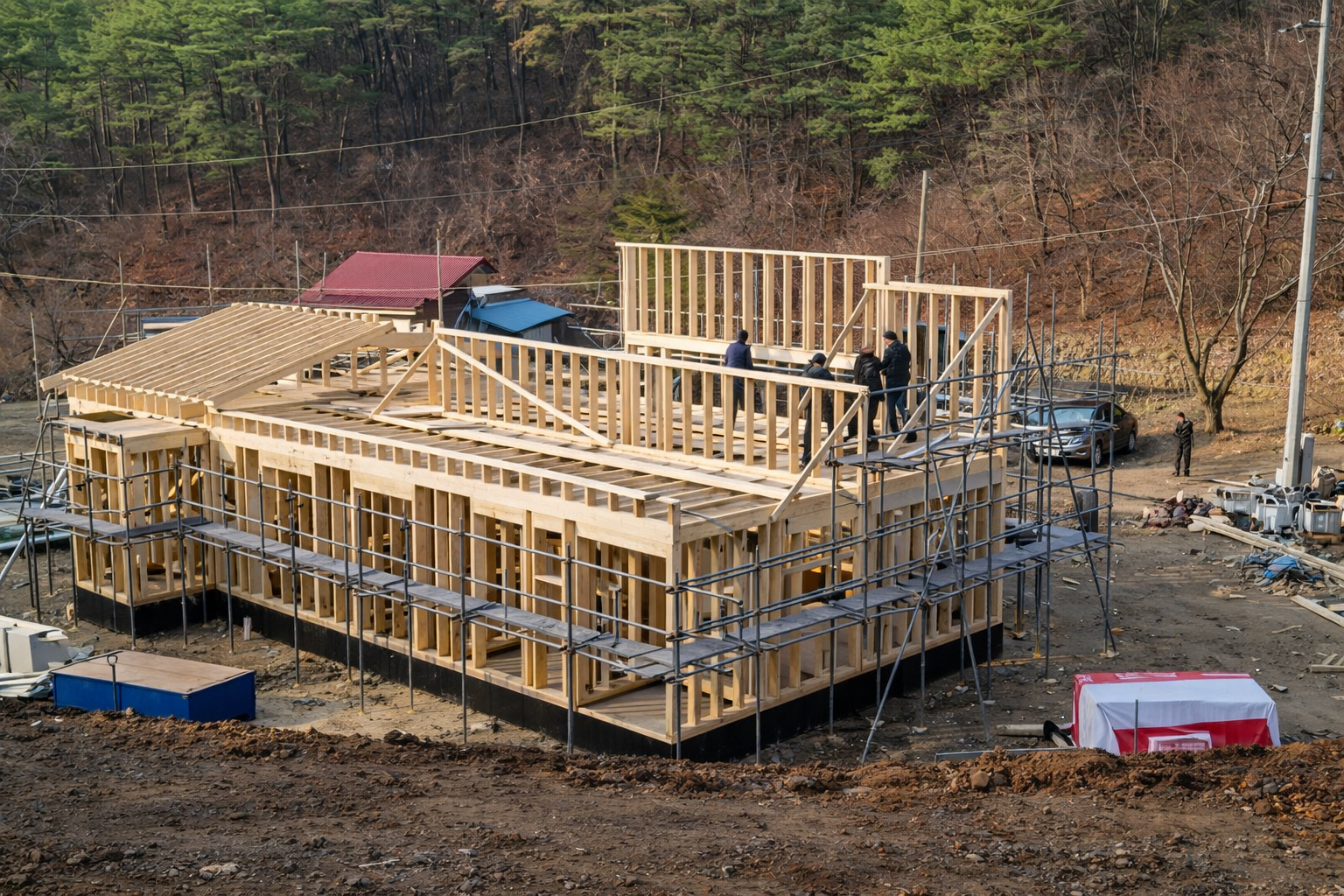
From empty land to a high-end house, wooden construction uses a lightweight system, metal structure for the foundation, ventilated ceramic cladding, and special windows to create an efficient and comfortable living space throughout the year.
-
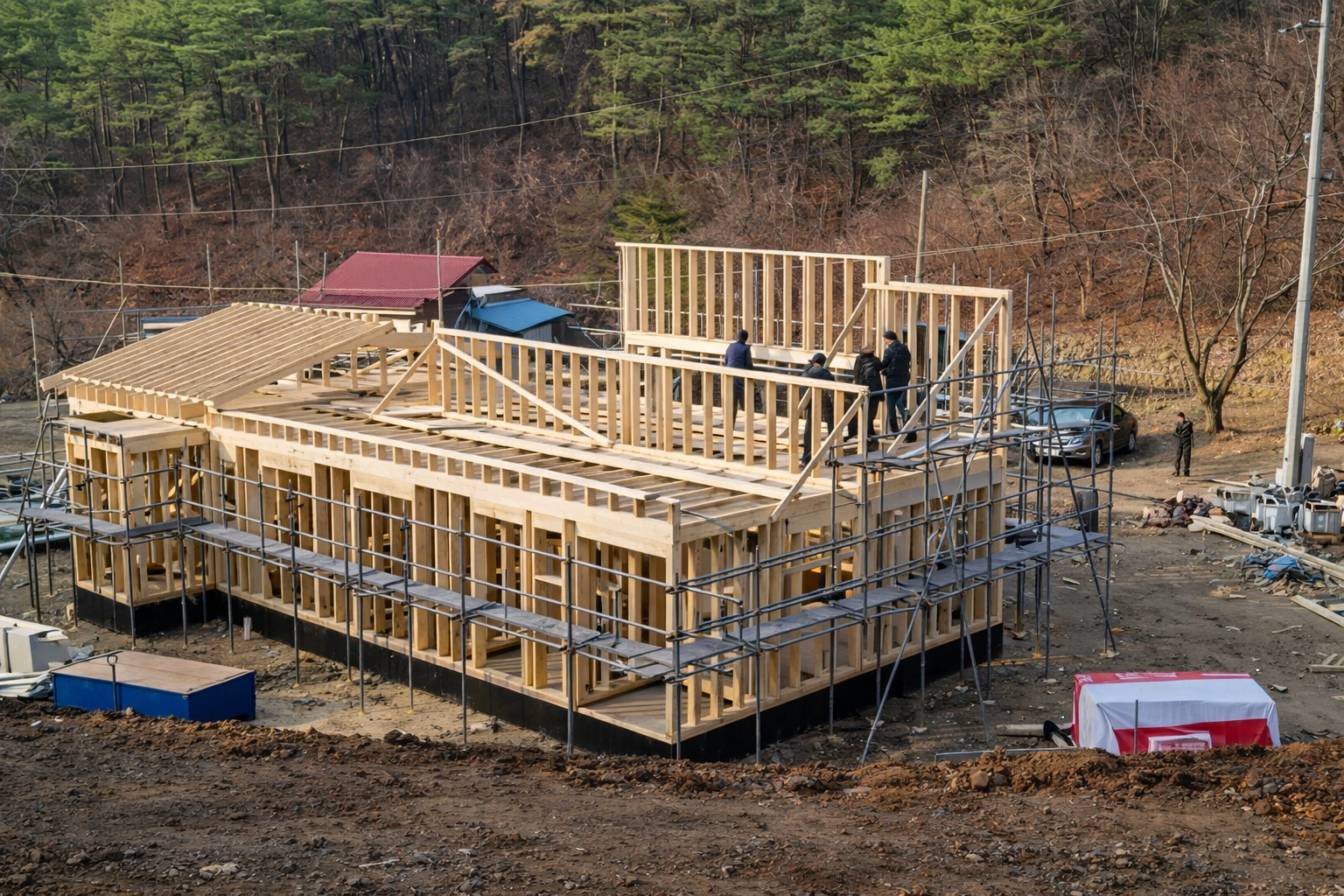
From vacant land to a high-end house, wooden construction uses a lightweight system, a metal structure for support, ventilated ceramic cladding, and special windows to create an efficient and comfortable living space throughout the year.

This raises various questions such as: could the Leonardo 76/62 naval gun without liquid cooling maintain the same high volume of precise fire that made this weapon a necessity for over 50 Naval Institutions in its saltwater-cooled version? In terms of the weapon’s tube, air cooling reduces its lifespan.
Will the Brazilian ships maintain the ability to execute a high rate of fire in combat, or, in the worst-case scenario, could the weapon overheat and jam precisely during a prolonged exchange of fire? Does the air cooling system, if it actually exists, offer similar or close performance to the model with liquid cooling?
About the 76/62 Naval Gun from Leonardo
The 76 mm onboard weapon is one of two medium caliber naval guns available with sustained fire capability, which is a fundamental requirement in any scenario involving simultaneous engagement of multiple maneuvering targets, a common occurrence in asymmetric warfare scenarios.
The 76/62 gun, without ammunition, weighs around eight tons, with 80 ready-to-use rounds stored in its magazine. The range goes from 16 km with standard ammunition to 40 km with smart guided ammunition Volcano in the Strales version.
The compact configuration of the 76/62 naval gun and its accessories (with low weight of the set without ammunition) have allowed for significant firepower to be added to modest platforms in terms of tonnage, something that has ensured this weapon great market success in almost five continents.









Seja o primeiro a reagir!