





 Portuguese
  English
  Spanish
  6 min of reading
  0 comments


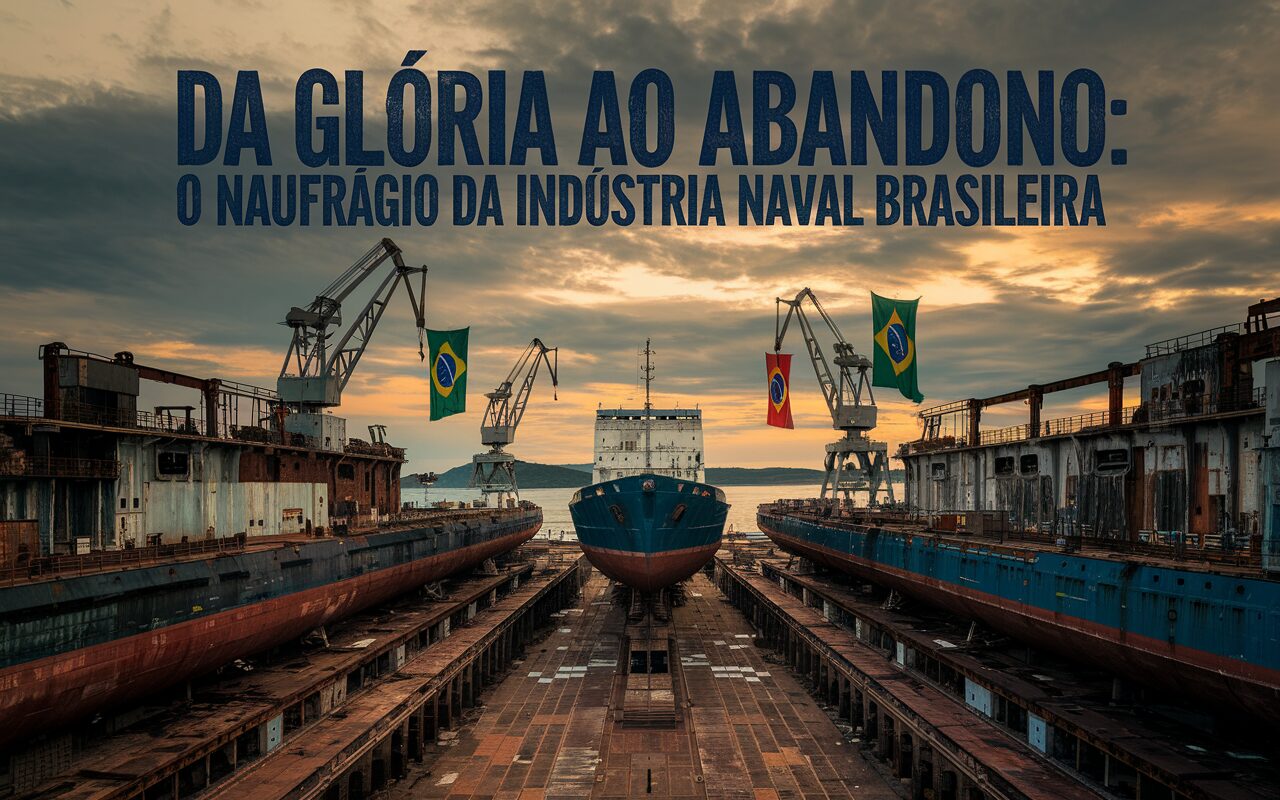
Brazilian Naval Sector Faces Collapse, with Mass Layoffs and Shipyards Closing Operations; Crisis Threatens Jobs, Investments, and the Recovery of the Maritime Industry in the Country.
The Brazilian naval industry, which was once a source of national pride and reached the second position globally in production volume, is currently experiencing one of its greatest crises. After years of growth driven by public policies and investments from Petrobras, the sector has entered a decline, leading to mass layoffs, shipyard closures, and loss of industrial capacity.
The Rise of the Naval Industry in Brazil
The history of the naval industry in Brazil dates back to the 19th century, but it was between the 1950s and 1970s that the sector experienced its first major expansion cycle. During the military government, mechanisms were created to promote it, such as the Merchant Marine Fund (FMM) and policies encouraging the construction of national ships.
In the 1970s, Brazil became the second largest shipbuilder in the world, behind only Japan. Large shipyards like Verolme, Ishikawajima (now Ishibras), and Mauá boosted the economy, generating thousands of direct and indirect jobs.
-
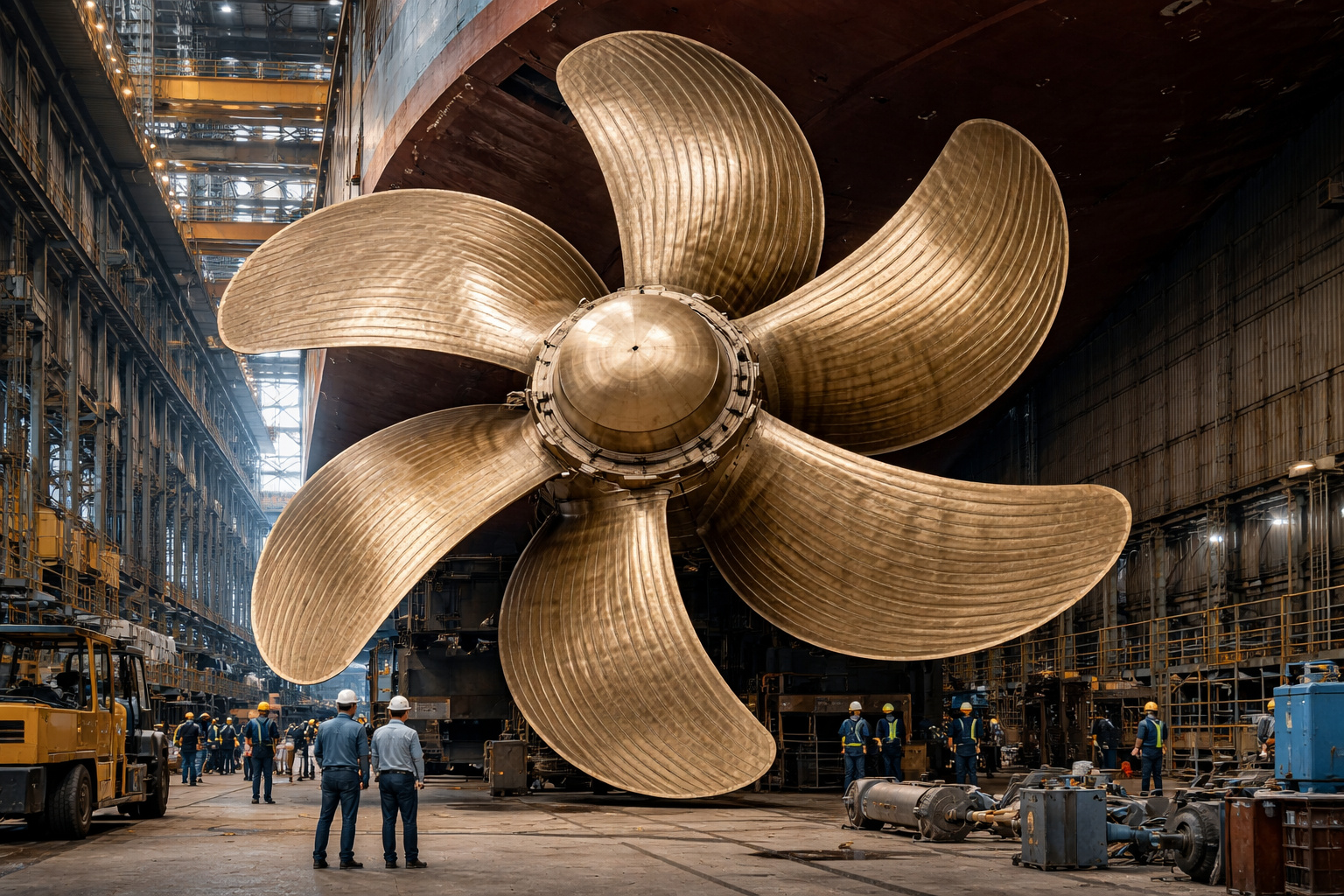
How a 131-ton, 11-meter propeller supports 90% of global trade and transforms the largest container ships on the planet.
-
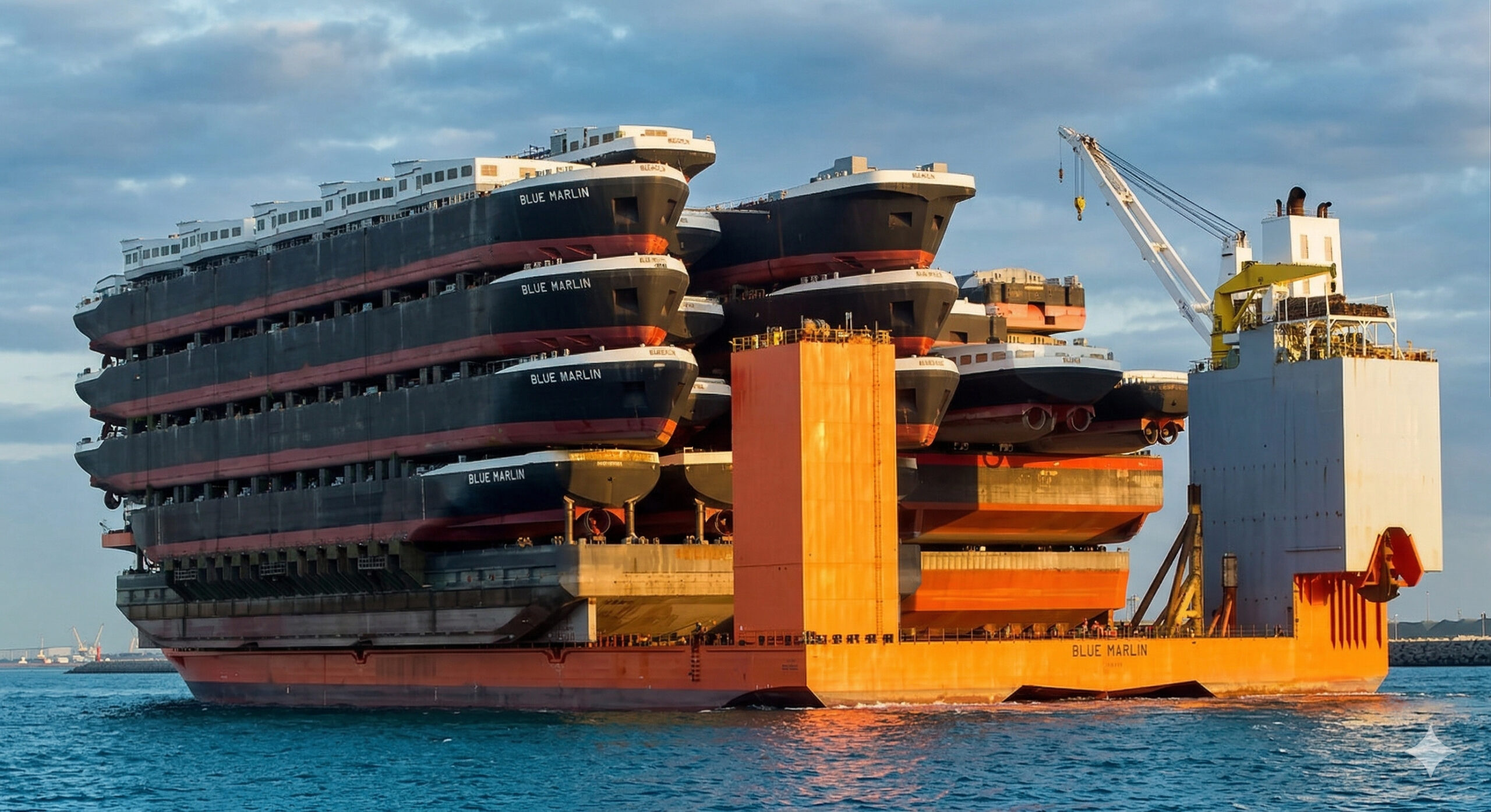
With a length of 225 meters and a capacity of 76 thousand tons, this ship “sinks” its own deck down to 28 meters deep to accommodate war destroyers, oil platforms, and giant radars floating above, and then emerges with everything intact on top like a colossal tray crossing oceans.
-
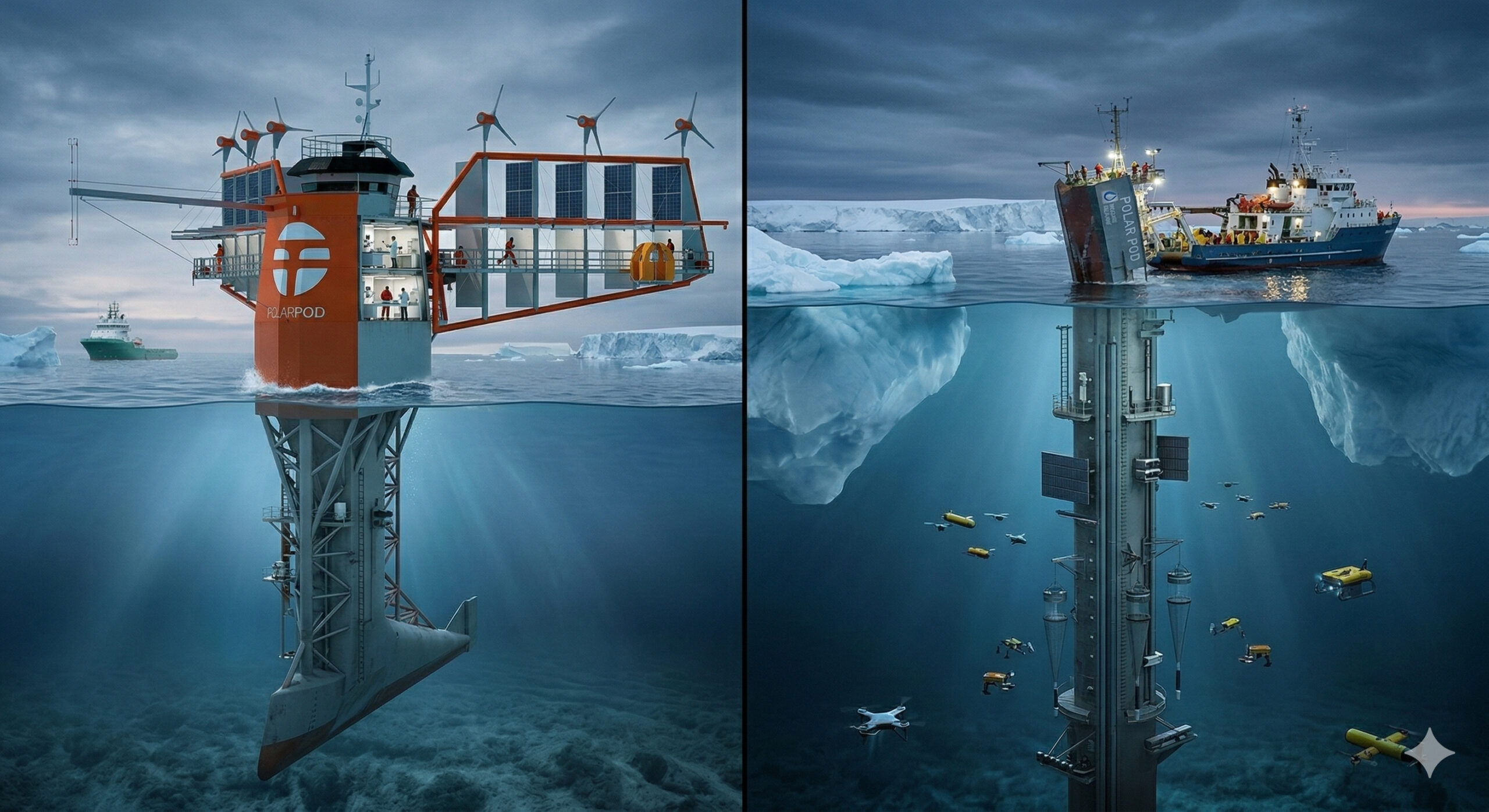
A 100-meter platform without a motor, without a keel, and operating upside down rotates 90 degrees in the ocean, sinks 75 meters, and drifts around Antarctica for two years driven by the planet’s most powerful current to study the largest carbon sink on Earth, still poorly understood by science for accurate climate modeling.
-
With a length of 108 meters and a giant spoon shape, the FLIP was the only ship in the world capable of rotating 90 degrees in the ocean and remaining vertical, with 91 meters submerged, operating for 60 years until it was retired and sent to the scrapyard in 2023.


The New Growth Cycle in the 21st Century


After a period of retraction in the 1980s and 1990s, the Brazilian naval industry experienced a new phase of expansion starting in the 2000s. With the discovery of pre-salt reserves and the need to expand the offshore support fleet and oil transport, Petrobras and Transpetro launched large naval order programs, such as the Fleet Modernization and Expansion Program (Promef).
This movement resulted in the construction of new shipyards and the expansion of existing units, such as the Atlântico Sul Shipyard (EAS) in Pernambuco, Enseada Indústria Naval in Bahia, and Brasfels in Rio de Janeiro.
At its peak, between 2010 and 2014, the naval industry employed around 80,000 workers across the country and accounted for approximately 1% of Brazil’s Gross Domestic Product (GDP).
The Crisis That Led to Collapse
The virtuous cycle of the naval industry began to be interrupted starting in 2014. The combination of economic, political, and structural factors was responsible for the onset of the crisis:
- Fall in international oil prices, which reduced the viability of offshore projects;
- Cut in investments from Petrobras following the scandals revealed by Operation Car Wash;
- Excessive indebtedness of shipyards, which heavily invested in infrastructure expecting future orders;
- Paralysis of Sete Brasil, a company created to manage the construction of pre-salt drilling rigs, which directly affected several shipyards.
The impact was swift and profound. Dozens of projects were canceled or suspended, and shipyards began to suffer mass layoffs.
Mass Layoffs and Shipyard Closures
According to data from the National Union of the Shipbuilding and Repair Industry (Sinaval), about 60,000 jobs were eliminated between 2015 and 2020.
The Atlântico Sul Shipyard, which once employed more than 10,000 people, now operates with a reduced team. The Enseada Shipyard suspended its activities in 2015 and maintains only a minimal maintenance structure. EISA (Ilha Shipyard S.A.) in Rio de Janeiro also halted operations.
Currently, a survey by the Brazilian Petroleum Institute (IBP) indicates that of the 48 existing shipyards in Brazil, 15 are deactivated or without active construction contracts.
The mass layoffs affected not only the workers but an entire supply chain and service providers, worsening the economic crisis in regions dependent on naval activity, such as Niterói (RJ), Itaguaí (RJ), and Ipojuca (PE).
Attempts to Recover and Obstacles
In recent years, some initiatives have aimed to revive the Brazilian naval industry. Petrobras, for example, began the process of decommissioning old platforms, which could generate demand for dismantling and recycling offshore structures.
New platforms for production in the pre-salt, such as P-82 and P-83, were contracted, with part of the construction being carried out in Brazil.
However, the scenario still remains challenging. Experts point out that the effective recovery of the naval industry depends on:
- Guarantee of public and private orders;
- Long-term industrial policy, to reduce dependence on oil economic cycles;
- Encouragement of technological innovation to compete in the international market;
- Investments in offshore renewable energies, such as the construction of vessels for offshore wind farms.
The Impact of the Crisis on the Local Economy
The crisis in the naval industry has had profound consequences for local economies. Cities that had their industrial base anchored in shipyards suffered increased unemployment, decreased tax revenue, and retraction of commerce.
In Niterói, for example, it is estimated that the closure of shipyards contributed to the loss of approximately 30% of the city’s industrial jobs between 2015 and 2020.
The situation led mayors and governors to demand stimulus measures from the federal government, focusing on the reindustrialization of the naval chain.
New PAC Injects Resources and Signals the Recovery of the Naval Industry
Amid the crisis that caused mass layoffs and closed several shipyards, the federal government bets on the New Growth Acceleration Program (PAC) as a driver to revive the Brazilian naval industry.
Launched in 2023 and reinforced in 2024, the New PAC allocated R$ 30.8 billion for over 430 projects in the naval sector. These investments encompass the construction of new vessels, modernization and repair of existing units, expansion of shipyards, and implementation of new port infrastructures.
Among the main highlights is the allocation of R$ 1 billion for the construction of the third frigate of the Tamandaré-class project, aimed at strengthening the capacity of the Brazilian Navy. The initiative also seeks to stimulate the recovery of jobs in the industry, reducing the impact of the mass layoffs observed over the last decade.
Fleet Renewal and Support from the President
Petrobras, through Transpetro, has joined the effort to renew its fleet with the order of four new handy-class ships, each costing US$ 69.5 million. These projects, in addition to reinforcing the logistics of the energy sector, ensure contracts for national shipyards and contribute to reversing the crisis in the sector.
President Luiz Inácio Lula da Silva publicly advocated for strengthening the naval industry, emphasizing the need to use local content in new constructions and prioritize the training of qualified labor in the country. According to him, “a country with a beautiful naval industry becomes competitive in international trade.”
Complementing the efforts, Resolution CMN No. 5.189 expanded access to funds from the Merchant Marine Fund (FMM). This will make around R$ 18.5 billion available in 2025 to finance new projects without burdening the budget of the Ministry of Ports and Airports.
New Opportunities: Offshore Wind Energy
One of the bets for the diversification of the Brazilian naval industry is the construction of support vessels for offshore wind energy projects.
With the advancement of the global energy transition, Brazil has the potential to install offshore wind farms, especially in the Northeast and South regions.
To make this new frontier viable, it will be necessary to modernize shipyards, train labor, and create specific financing mechanisms.
Despite the challenges, offshore wind energy projects and the New PAC could represent an opportunity to reduce the effects of mass layoffs and revitalize the Brazilian naval industrial base.
Source: Brazilian Petroleum Institute (IBP), SciELO, DefesaNet, Agência Brasil, Jornal Grande Bahia









Seja o primeiro a reagir!