





 Portuguese
  English
  Spanish
  4 min of reading
  0 comments


From Fuel to Plastic, Oil Sector Is Present in Almost Everything and Influences the Global Economy and Business Decisions
The oil industry is everywhere. From the fuel that powers cars to the plastic of the objects we use. It also influences prices, jobs, policies, and even international decisions. Many people do not realize it, but oil directly affects our daily lives and the functioning of the economy.
What Is the Oil Industry
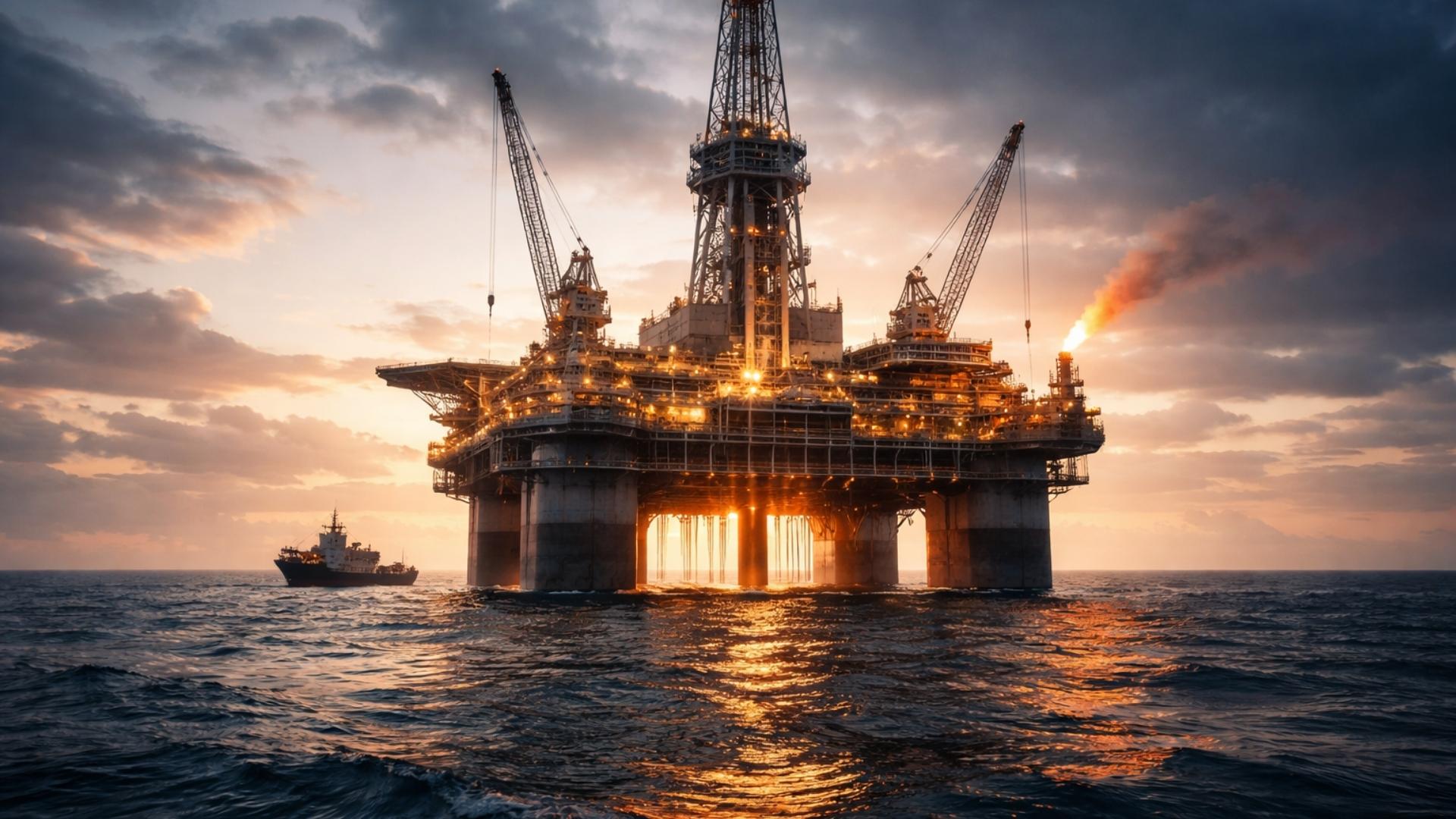
The oil industry involves the exploration, extraction, refining, transportation, and commercialization of oil. It starts underground, passes through refineries, and ends up at gas stations, factories, and homes.
It is divided into three major areas:
-
The rise in oil prices could ensure an extra revenue of R$ 100 billion for the Federal Government, indicates a recent economic study.

-
Naturgy begins an investment of R$ 1.6 million to expand the gas network in Niterói and benefit thousands of new residences and businesses.
-
A major turn in the Justice system suspends tax increases and directly impacts oil and gas companies in Brazil by affecting costs, contracts, and financial planning, leaving uncertain what could happen to the sector if these costs had increased.

-
Brava Energia begins drilling in Papa-Terra and Atlanta and could change the game by reducing costs in oil while increasing production and strengthening competitiveness in the offshore market.
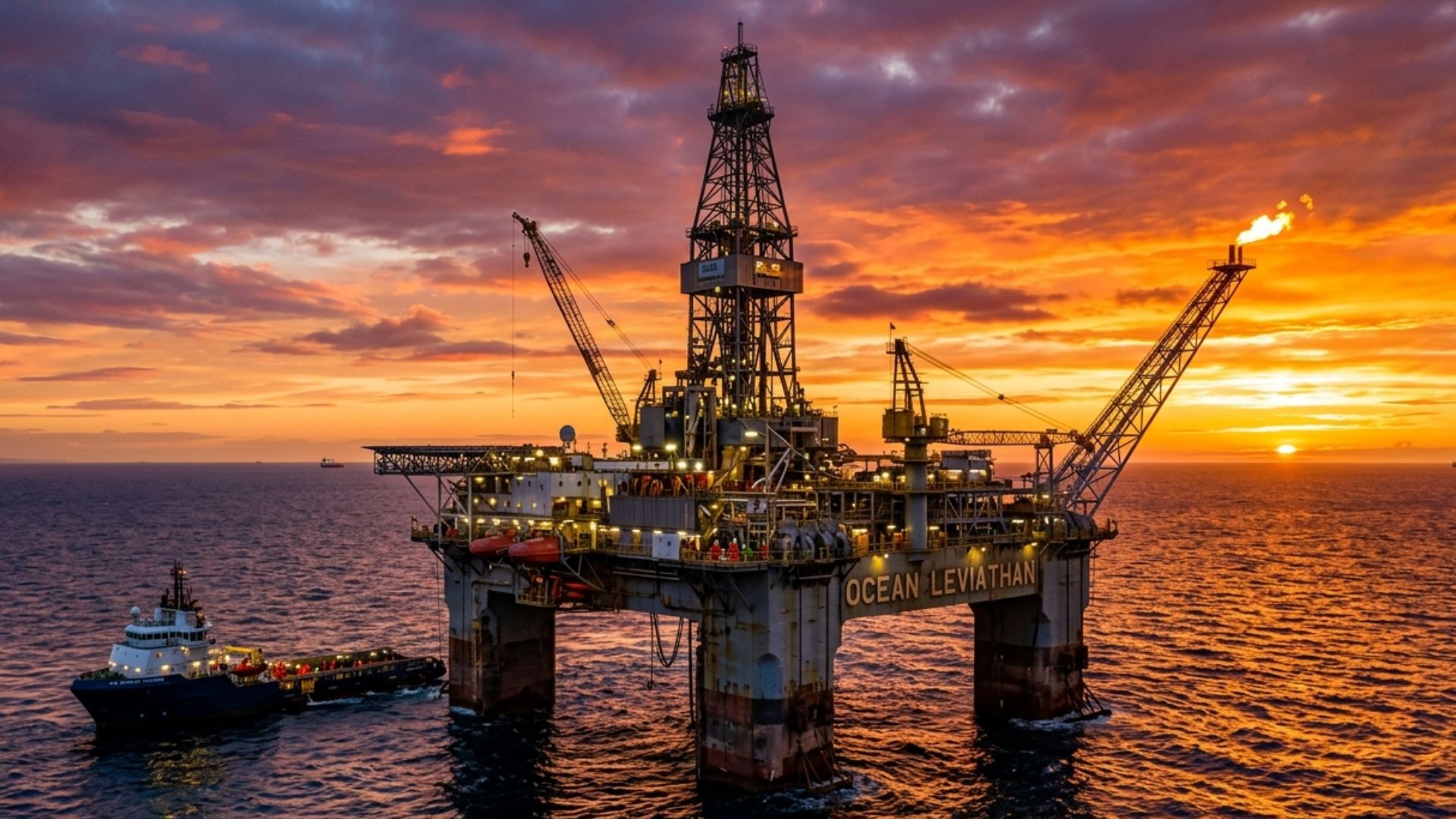

- Upstream: the exploration and production phase, which includes finding oil and extracting it from the ground.
- Midstream: deals with transportation, whether by pipelines, ships, or trucks.
- Downstream: where oil becomes a product. Gas, diesel, kerosene, plastics, and many more.
Each stage moves billions and employs millions of people worldwide.
Where Is Oil
Oil is found in specific locations around the planet. The largest producers are in the Middle East, the United States, Russia, Brazil, among others. Here in Brazil, the oil industry gained strength with the discovery of the pre-salt layer.
Oil reserves are limited. That’s why there is so much competition and interest in them. Countries and companies invest heavily to find new sources.
Derived Products: It’s Everywhere
What many people don’t know is that the oil industry produces much more than fuels.
It is responsible for:
- Plastics (from packaging to electronics)
- Cosmetics
- Medicines
- Fertilizers
- Rubbers
- Paints
- Clothing (like synthetic fabrics)
- Cleaning products
In other words: the oil industry impacts what we eat, wear, use, and even how we take care of our health.
Economic Impacts
The oil industry influences the global economy. When oil prices rise, it affects transportation costs, production, and even electricity. This directly impacts inflation.
Companies that depend on transportation or use plastic suffer more. Producing countries benefit when prices rise.
Additionally, oil is priced in dollars. When the dollar rises, oil becomes more expensive for countries using other currencies, like Brazil.
Job Creation
Millions of direct and indirect jobs depend on the oil industry. There are geologists, engineers, operators, technicians, drivers, chemists, analysts, managers, salespeople, and much more.
It also moves outsourced maintenance, cleaning, security, and logistics companies. In regions where there is exploration, like the Campos Basin (RJ) or the pre-salt layer, the local economy revolves around oil.
Private and Public Sectors
In Brazil, the oil industry has a strong public sector presence, with Petrobras. But there are also private companies, both national and foreign.
The government profits from royalties and taxes. That is, part of the country’s revenue comes from oil. This helps fund education, health, infrastructure, and other public services.
Energy and Electric Matrix
Oil is also one of the main sources of energy in the world. Even with the growth of renewable sources, the oil industry remains dominant in many countries.
In Brazil, electricity comes mainly from hydropower, but diesel is still essential for transportation and generation in remote areas.
Risks and Environmental Disasters
The oil industry brings benefits, but also risks. Oil spills can cause major environmental impacts. Well-known examples include the BP disaster in the Gulf of Mexico (2010) and the spill off the northeastern coast of Brazil (2019).
Moreover, the burning of fossil fuels emits CO₂, contributing to global warming.
Companies in the sector have been investing in safety, monitoring, and cleaner technologies. But the risks still exist.
The Energy Transition
With the advancement of renewable energies and global goals against warming, the oil industry faces a challenge: to adapt.
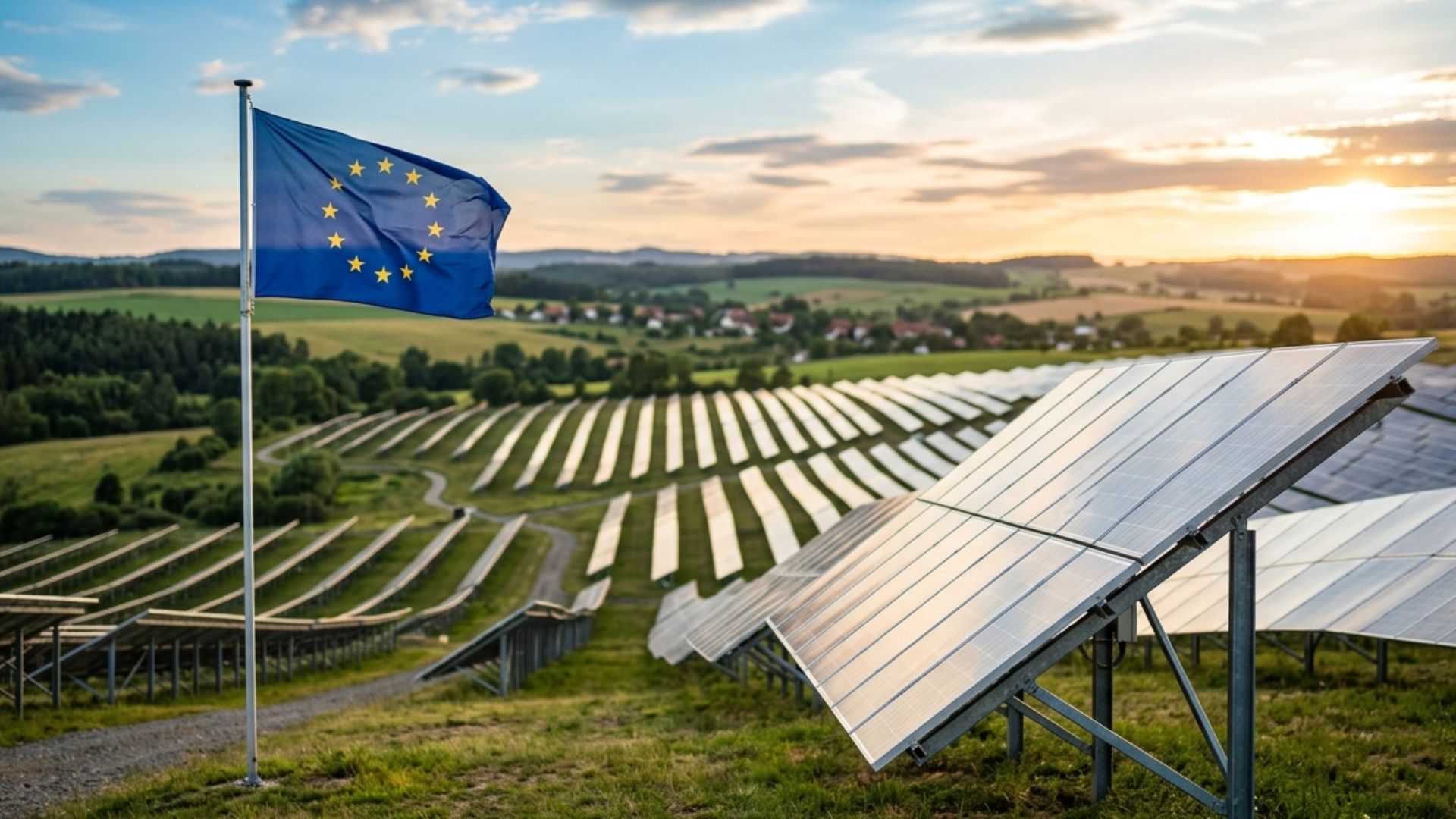
Companies are diversifying their investments. Many are already betting on solar, wind, biofuels, and carbon capture. This is what is called the energy transition.
Even so, oil will still be necessary for decades, especially in hard-to-electrify sectors like aviation and heavy industry.
Political Influence
The oil industry also has political influence. OPEC countries, for example, set production targets that affect the price of oil globally.
In Brazil, decisions about taxes, concessions, and environmental laws directly involve the sector. Large companies also lobby to defend their interests.
Oil in Your Daily Life
Even if you don’t own a car, the oil industry impacts your routine. The bus you take, the packaging of your shampoo, the fertilizer that helped produce the food you eat—all of it goes through oil.
Understanding this makes it clearer why this industry is so strategic. It is behind almost everything we consume.
Investments and Opportunities
Investing in the oil industry can be attractive. There are shares of companies in the sector, funds linked to oil, as well as opportunities for technical professionals and engineers.
With digitalization, the sector also seeks IT, data, automation, and cybersecurity professionals.
Furthermore, there is room for innovation in clean energy, efficiency, and sustainability—areas that are growing within the oil industry itself.
The Future of the Oil Industry
The industry is expected to remain relevant for many decades, even with the growth of renewable energies. It is transforming, seeking ways to be cleaner and more efficient.
Diversity and innovation will be crucial. Companies that do not adapt may lose ground. But those who bet on the transition responsibly can get ahead.
The oil industry is not just about gas stations or offshore wells. It is at the center of the global economy, affects everyone’s lives, and is undergoing important changes.
Understanding how it works and where it is present helps you make more informed decisions, whether as a consumer, professional, or investor.








Seja o primeiro a reagir!