





 Portuguese
  English
  Spanish
  5 min of reading
  0 comments


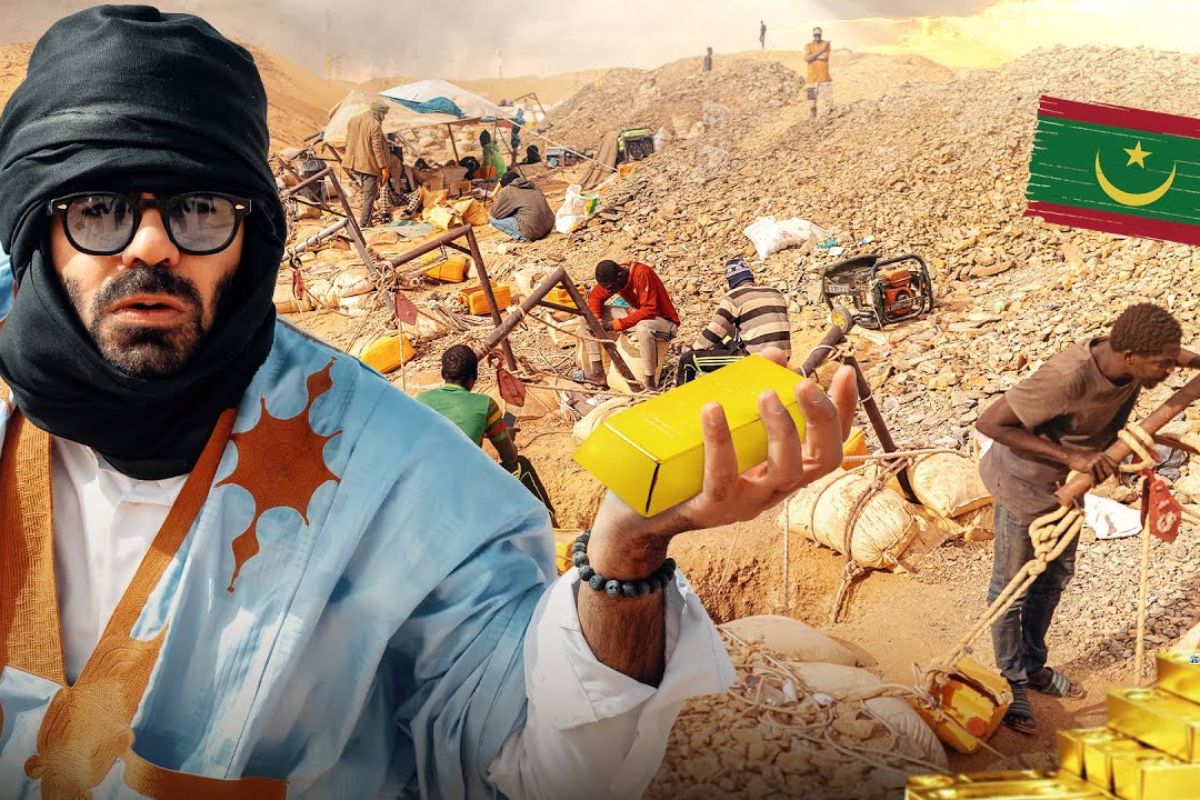
The Routine of Miners in Chinguetti and Chami Reveals an Underground City of Gold, with Tunnels Reaching 48 Meters, Shifts that Span the Night, Prayer in the Tent, Refining with Mercury, and the Parallel Economy that Links the Desert to the Port of Nouadhibou
In the heart of the Sahara, the miners of Mauritania have transformed areas near Chinguetti and Chami into a labyrinth of tunnels, pulleys, ropes, and improvised ventilation. The scene mixes fine dust, hard rock, and a choreography partly learned from miners from Sudan, in an effort that begins with the purchase of equipment, traverses descents of up to 48 meters, and ends in the race for ore refining in the Alchami workshops.
For four days, the report followed the descent, the wait, and the return to the surface. Between loads, the miners pause for tea, pray in the small mosque’s tent, check the oxygen coming through tubes, and return to the depths. Some sleep in the tunnels for up to two nights, maintaining a routine that supports a chain of income officially regulated by the State, but competed for by intermediaries around the refining areas.
Who Goes Down and Why
The most recognized face of this front is Moulay, a miner who claims to have descended hundreds of times and reached a depth of 48 meters.
-
Finland, the happiest country in the world, wants to hire 140,000 technology professionals and is eyeing Brazilians: visas are issued in just two weeks and salaries with a 37-hour workweek are surprising.

-
Mr. Mário reveals the technique of the caipira papaya: he cuts the fruit in half, discards the seeds from the tip, and plants the ones from the back to increase the chance of a productive female tree.

-
Few remember, but the submarine that disappeared in 1968 with 52 crew members was found after 51 years at the bottom of the sea at more than 2,000 meters, intriguing the entire world.

-
With 1,200 tons suspended, the Japan mega-structure in a grid shape with a floating sphere from Fuji TV features two 25-story towers connected by elevated walkways, titanium panels, and impresses the world with its ability to reduce wind impact.


The standard narrative repeats in many wells: rope, pulley, gold-bearing rock, silence, and a clock that does not beep down below.
The skill, according to veterans, was partly honed by techniques that circulated in Sudan, where miners gained experience before consolidating the Mauritanian method.
The motivation is direct. The gold, accidentally discovered in 2016, turned into a valve for employment and income and received regulatory framing.
Miners go down in teams, take turns in the narrow space, carry supplies, and when necessary, sleep underground for 24 to 48 hours, to take advantage of the opening of the vein and reduce transit time between the surface and the depths.
How to Dig in a Desert
The preparation begins in Chami, where the city sells everything from basic to specialized supplies: pulleys, cables, cutting tools.
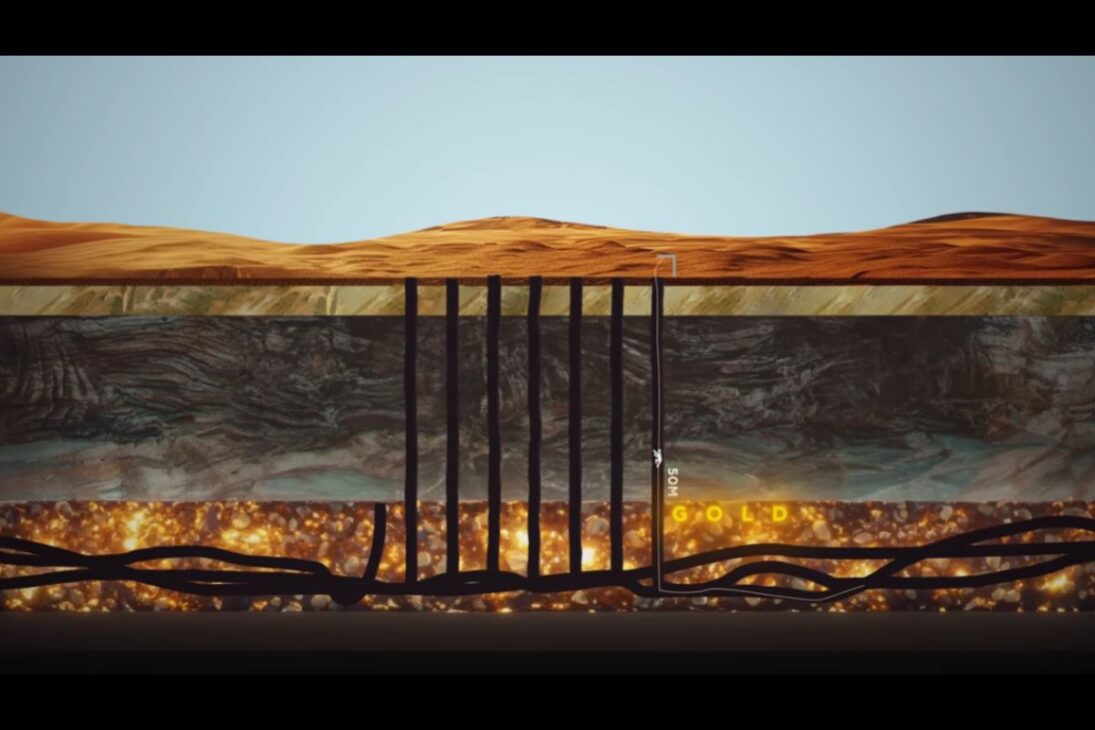
In the field, the miners mark the terrain, open the first shaft, and follow through “streets” underground that connect neighboring wells.
The ventilation system is simple yet crucial: pipes bring air inside, while the desert heat demands rhythm and breaks.
The underground city exists and has its own logic. There are active tunnels, condemned tunnels, and spots where the risk of collapse is high.
Supervisors like Mamoto, called Muhammad by his companions, oversee safety and flow.
Prayer in the tent organizes time on the surface; down below, time is organized by lanterns, the sound of metal against rock, and backpacks filled with water and tea.
Living 48 Meters Beneath the Sand
The descent is vertical and the return is uncertain. Miners report durations of 10 consecutive hours in the vein, sometimes in groups of five within the same narrow well.
The routine includes simple meals, constant hydration, and quick naps.
The oxygen provided through improvised pipes is monitored as an absolute priority.
Outside, the desert imposes rigorous logistics.
The heat accelerates fatigue and forces frequent rotations.
With each shift, bags of ore come up, the miners emerge covered in dust, and someone checks whether the well remains stable.
“Angel of Death” is the nickname of one of the most dangerous areas, reminding that not every return is guaranteed.
From Vein to Crucible: The Refining Economy
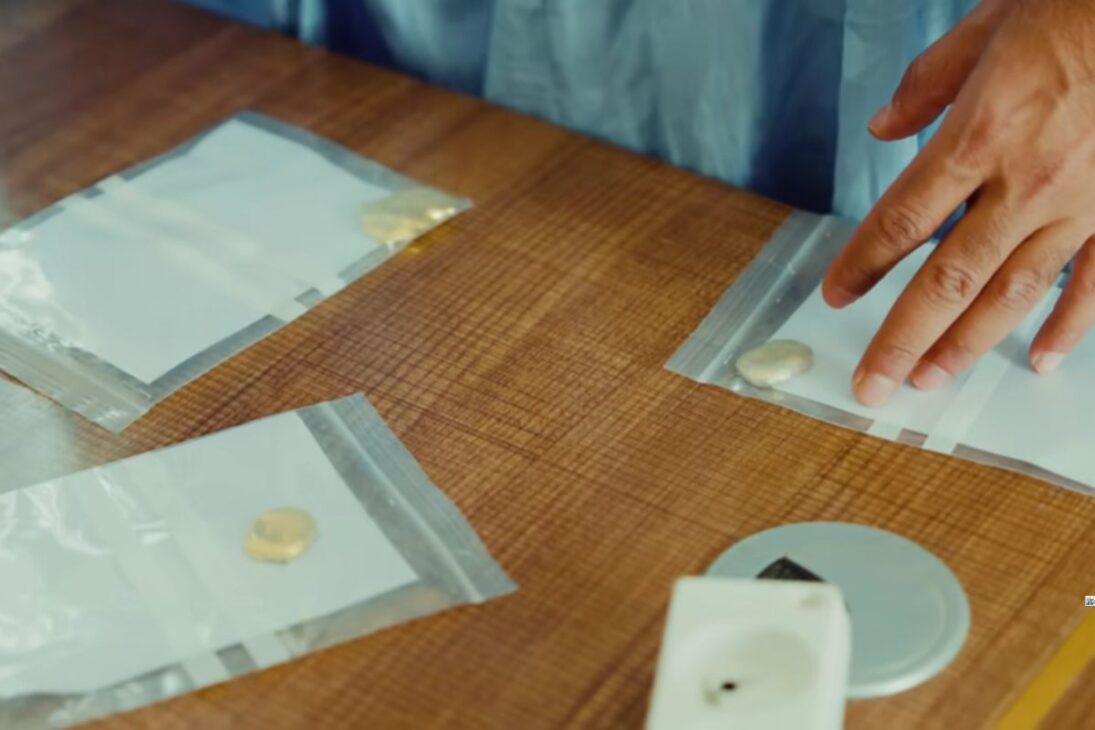
The path of the ore leads to Alchami, where an open-air refining city operates like a factory.
Mills crush rocks into pulp; in the ponds, mercury captures gold through amalgamation.
The process, repeated house by house, concentrates the metal and produces small nuggets traded on the spot.
Official regulations dictate sales to the relevant authority, but the parallel market attracts part of the production.
Between public norms and private convenience, the miners receive cash on the spot, haggle weight per gram, and rush to the next batch.
The cycle restarts at dawn, when ore trucks resume the back and forth between the excavation fronts and the workshops.
A Desert That Exports Far Beyond Gold
The Mauritanian economy does not operate solely on gold.
The port of Nouadhibou exports iron ore brought by a train crossing the Sahara, along with high-value fish heading to various destinations.
From Nouakchott to Chami, the trade infrastructure feeds the flow of goods, people, and money, sustaining the back and forth that keeps the miners equipped and the workshops filled.
This desert ecosystem is interdependent: gold finances the stay in the field, the port channels mineral wealth, and the service network, from tea to spare parts, picks up the slack when a well closes or a vein cools.
With each new front, the underground city reshapes and the miners go back down.
Risk, Faith, and Method
Safety is a daily negotiation with rock.
The set of good practices includes avoiding unstable tunnels, reinforcing walls with wood, keeping ventilation active, and respecting signs of saturation.
Underground, the method is everything: dividing tasks, controlling weight per trip, and not pushing when the shaft is wet or slippery.
On the surface, faith stitches together daily life. The improvised mosque marks the hours, the miners align their prayers with rotation, and the tents serve as shelters from the sun.
Between the mystique of the “land of millions of poets” and the math of the gram, the desert demands discipline from those who choose to stay.
The life of miners in the Mauritanian Sahara combines technique, risk, and an economic chain that begins in the tunnel and ends in the crucible.
In your assessment, what is the most critical point of this circuit to ensure safe work and fair income: ventilation and stability of the wells, refining regulation with less mercury, or official buying with more transparent prices?







-

Uma pessoa reagiu a isso.