





 Portuguese
  English
  Spanish
  3 min of reading


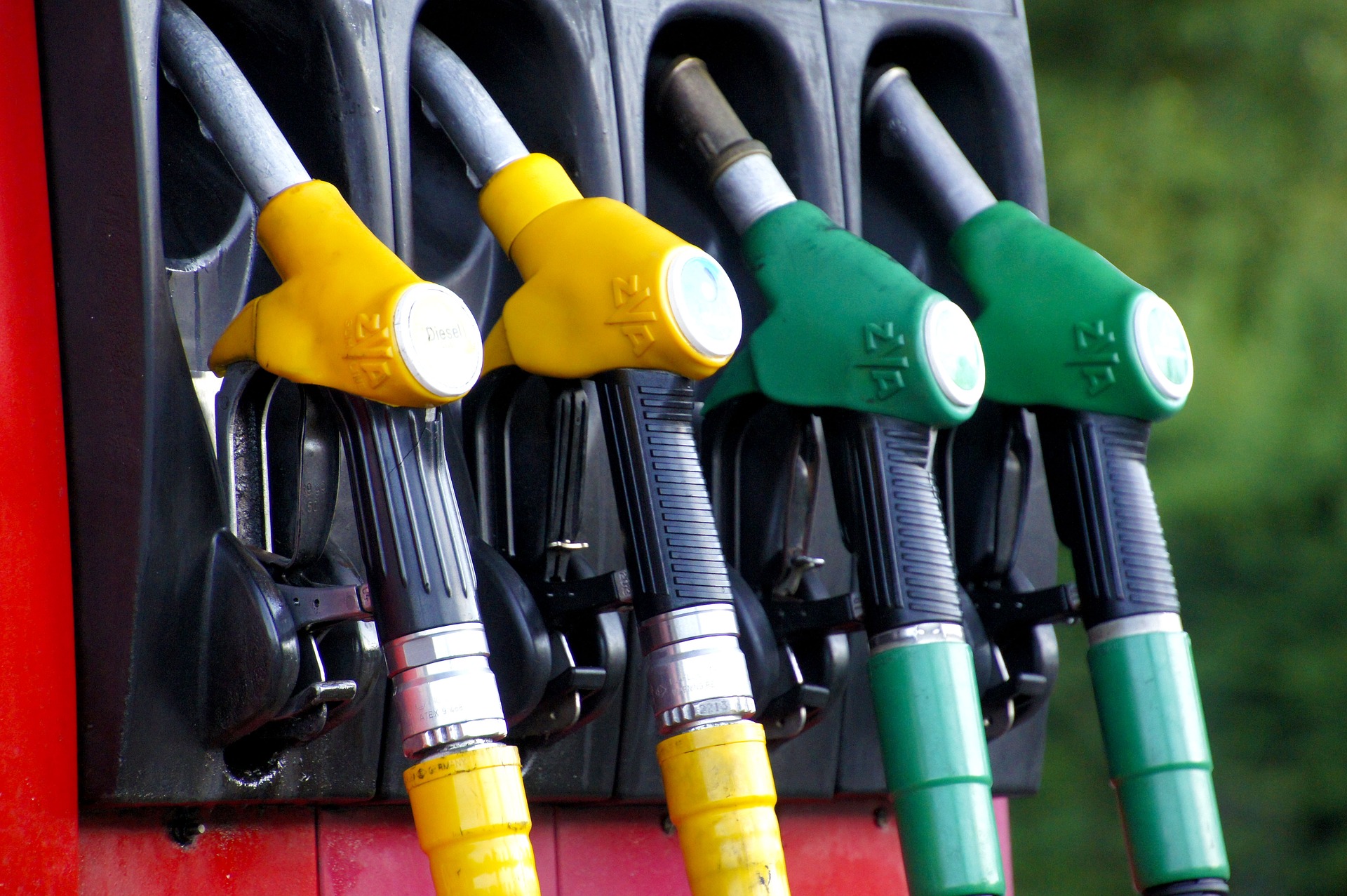
The Monthly Preview of the National Consumer Price Index Wide-15 (IPCA-15) for August estimates that inflation will be negative again, falling 0.73% and bringing the accumulated total for the last 12 months below double digits. Although this event represents a change in consumer prices, in theory, it may indicate a possible economic stagnation.
Inflation had already turned negative in July, falling 0.68%, and was one of the lowest values reached since 1998, even before the Workers’ Party government took over the country. According to experts, despite deflation already being a reality (negative IPCA), consumers continue to pay high prices for basic items such as Long Life Milk, which increased by over 80% in just one year. Despite rising food prices, following the spike in fuel costs which directly impacted freight, and the high dollar, which led many farmers to prefer exporting to receive in foreign currency, Petrobras announced a brief reduction in gasoline and diesel prices to control domestic prices.
However, this has not been enough for the transport and logistics sector, with an accumulated inflation of 10% that has not been passed on to end consumers, drastically harming the annual profits of private institutions.
In Santa Catarina (SC), after fuel price reductions, gasoline is being sold for about R$ 4.99, mainly in some coastal cities and the Midwest. However, in Paraná (PR), a neighboring state, there are stations charging almost R$ 6, a difference of R$ 1 from one state to another. Analysts state that this price difference is primarily due to ICMS taxes imposed by the states, which vary in percentage.
-
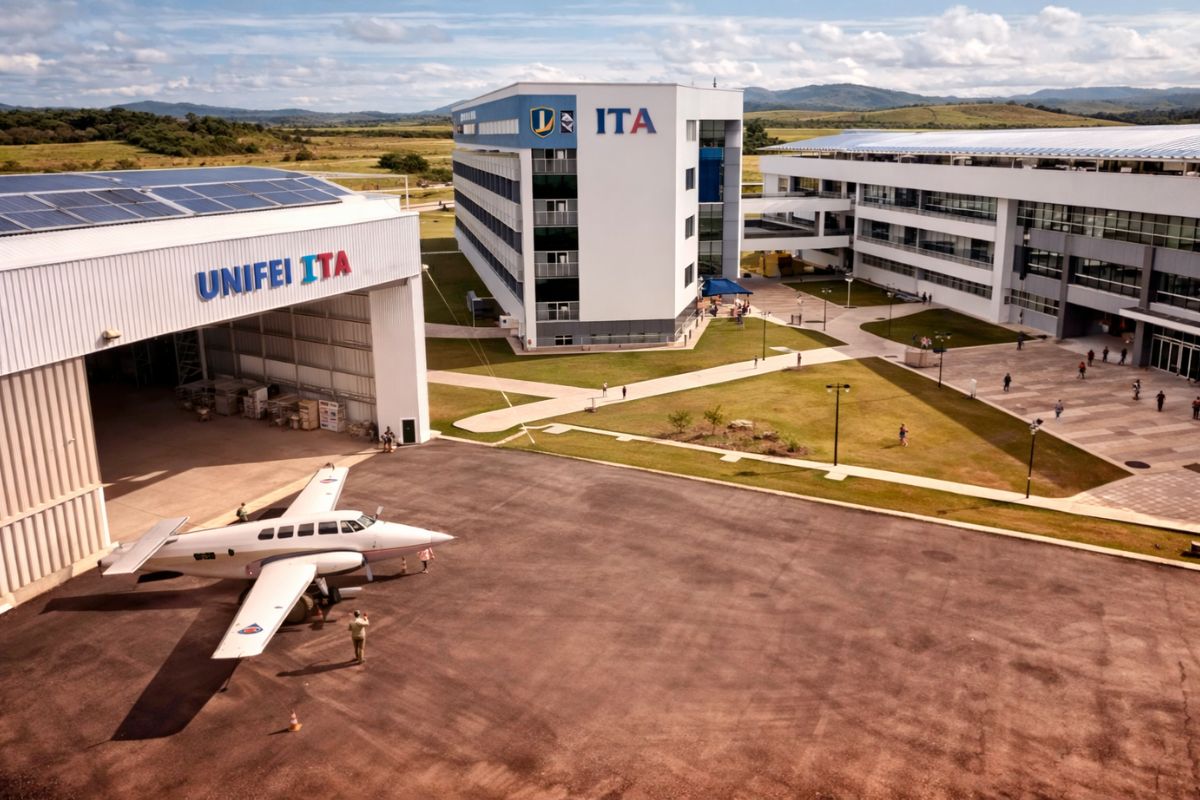
The institute that trained the greatest aerospace engineers in Brazil has just opened its first campus outside São Paulo after 75 years: ITA Ceará will have R$ 445 million, new courses in energy and systems, and classes are expected to start in 2027.
-
Luciano Hang, owner of Havan, goes to Juiz de Fora after the tragedy in February, brings R$ 1 million, hands out R$ 2,000 cards, and donates up to R$ 15,000 to victims in the region.

-
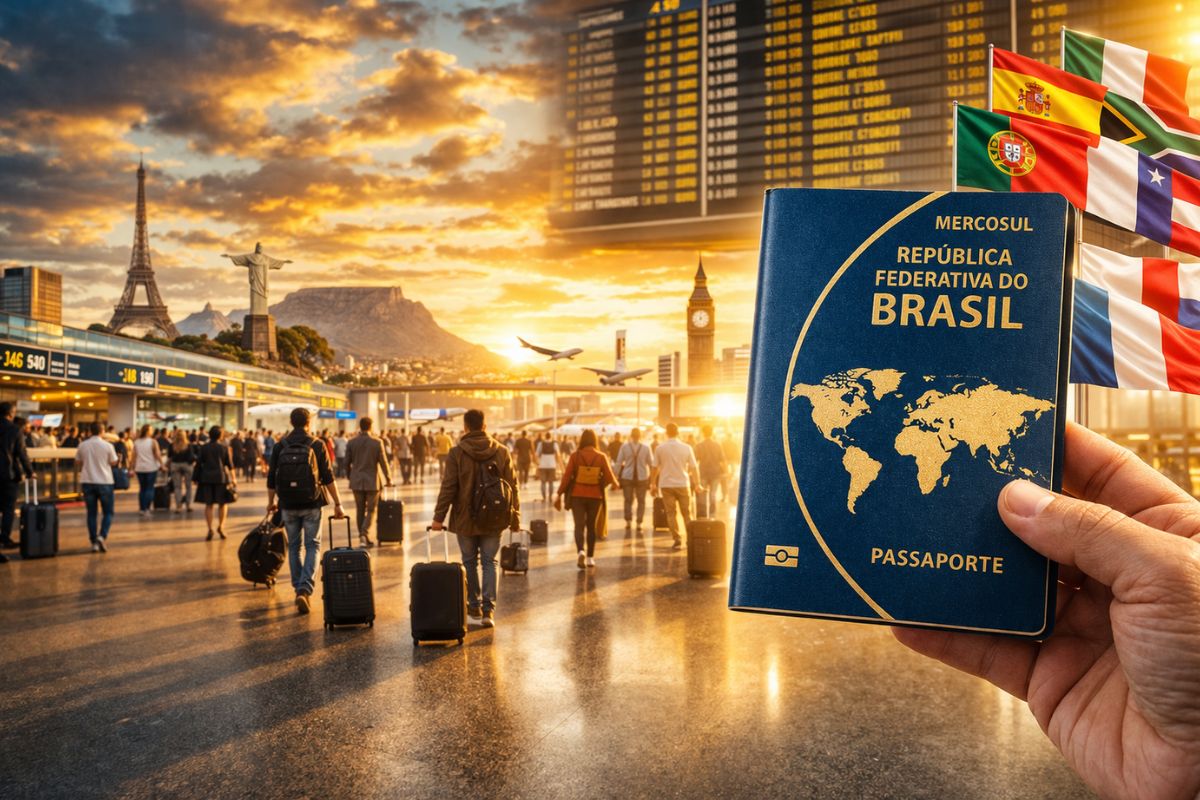
The Brazilian passport allows legal residence in dozens of countries without the need for a prior visa, and most Brazilians are unaware that they can apply for residency directly upon arriving in nations in South America, Africa, and even Europe.
-
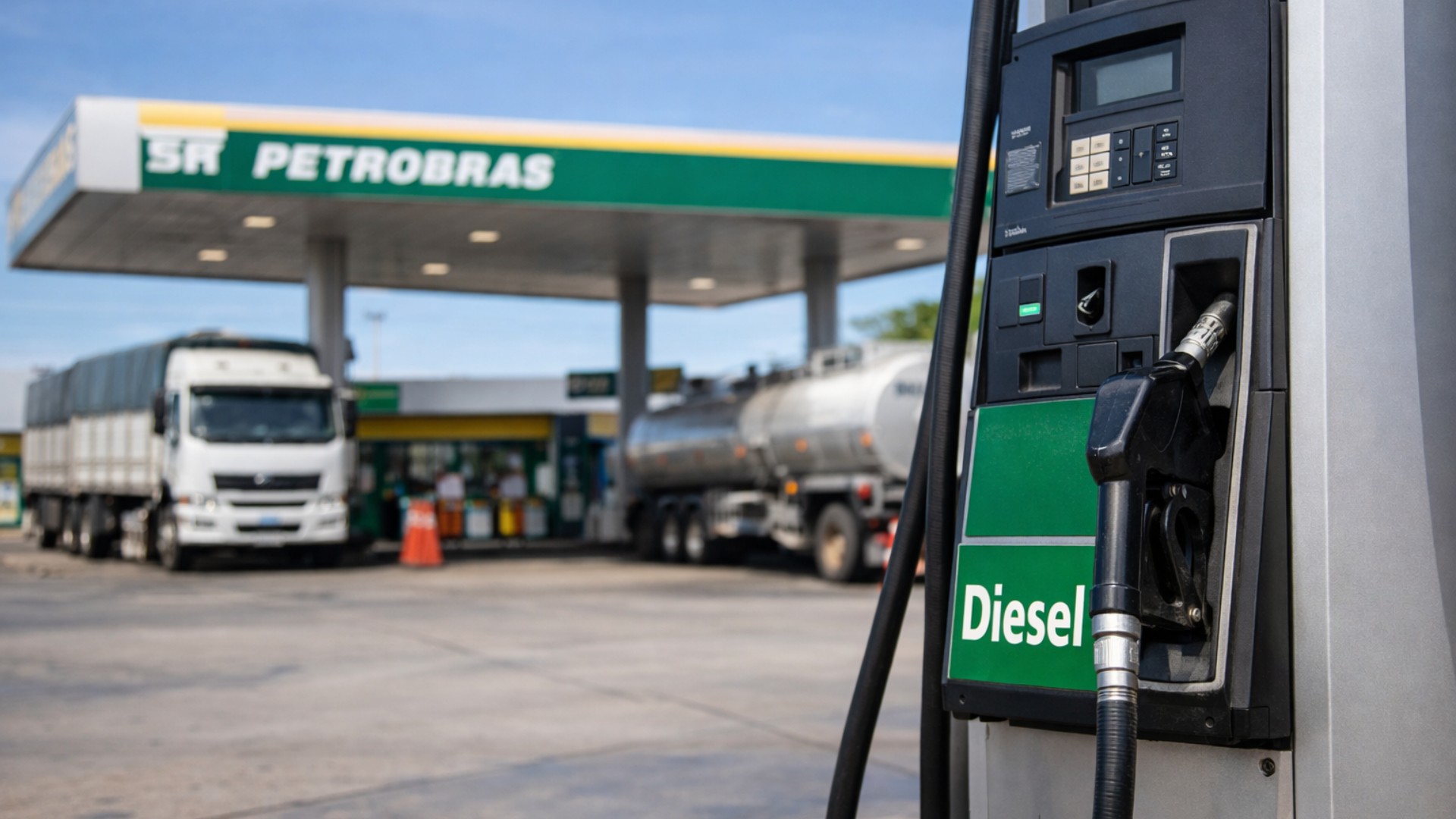
Petrobras sends a message to Brazilian truck drivers after fuel collapse and reveals plan to have 100% domestic diesel.

International Fear, Insecurity, High Inflation… What Is Impacting the Economy in Brazil?
In 2022, Brazil’s economy has been afflicted by a series of factors that directly impact inflation, such as the high dollar (R$ 5.11 in the last trading session) and the increase in the Selic rate, which is in double digits and causes investors to prefer withdrawing money from the stock market to invest in government bonds, reducing part of the investments in companies and leading to stagnation in retail growth: giants like Magazine Luiza and Americanas are proof of this, as their prices have fallen by more than half since the pandemic began.
The increase in commodity prices, products that are the focus of the Brazilian economy, has also raised domestic inflation, as agribusiness preferred to export, despite record harvests, resulting in a decrease in domestic stocks and an increase in prices due to the law of supply and demand. During 2020, at the onset of the pandemic, rice prices soared to over R$ 35 in some markets, and meat prices nearly tripled in the southern region.
Elections in 2022 Intensify Investors’ Fears and Could Shape Petrobras’ Actions
The elections, set to take place in October 2022, intensify investors’ fears due to the polarization among the candidates in the voting intentions: Luiz Inácio Lula da Silva, who served as Brazil’s president for two consecutive terms, and Jair Bolsonaro, the current president of the Republic.
The results this year could determine the course of Petrobras’ pricing policies between October and December, potentially leading to a spike in gasoline and diesel prices, impacting the transport and logistics sector.










Seja o primeiro a reagir!