





 Portuguese
  English
  Spanish
  4 min of reading
  0 comments


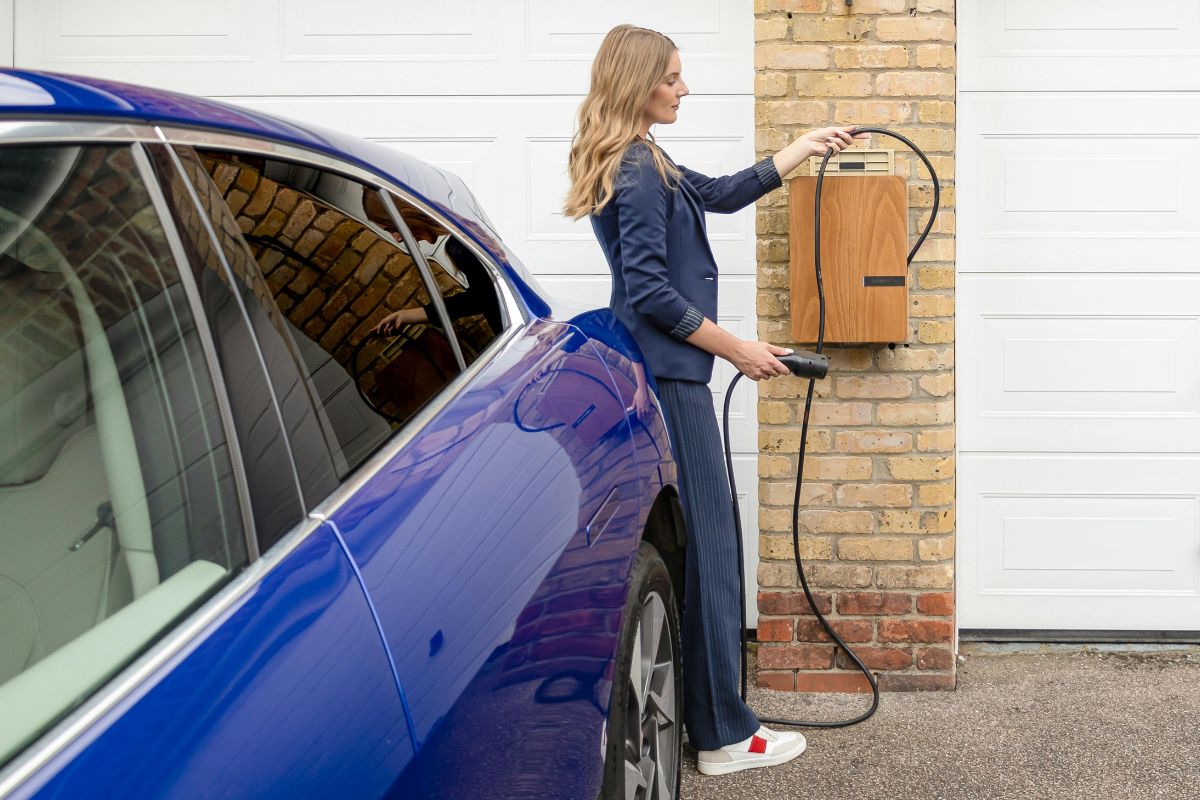
The Installation of Chargers for Electric Vehicles (EVs) Goes Beyond Home Use, Becoming a Strategic Differentiator for Businesses, Including Venues for Celebrations Like Wedding Chacaras, Adding Convenience, Modernity, and a Sustainable Positioning.
The transition to electric mobility is an expanding reality in Brazil and around the world. With the increase in the fleet of electric vehicles, driven by the pursuit of savings and lower environmental impact, the demand for accessible and efficient charging infrastructure is growing exponentially. This need is not limited to the homes of EV owners but extends to all locations they frequent.
In this context, commercial establishments and, in particular, spaces dedicated to events, such as wedding venues, find in the offering of charging points an opportunity for innovation and added value. By providing this facility, these businesses not only meet a practical need of their customers but also reinforce an image of modernity and concern for the future.
The Rise of Electric Vehicles and the Importance of Charging
The electric vehicle market has shown vigorous growth, with consumers increasingly aware of the financial and environmental benefits. The range of modern electric vehicles already allows for long trips, but the convenience of strategic charging points is crucial for user peace of mind and for the mass adoption of this technology. The main benefits driving this change include reduced fuel costs, less maintenance compared to combustion vehicles, and, fundamentally, the absence of local pollutant emissions.
-
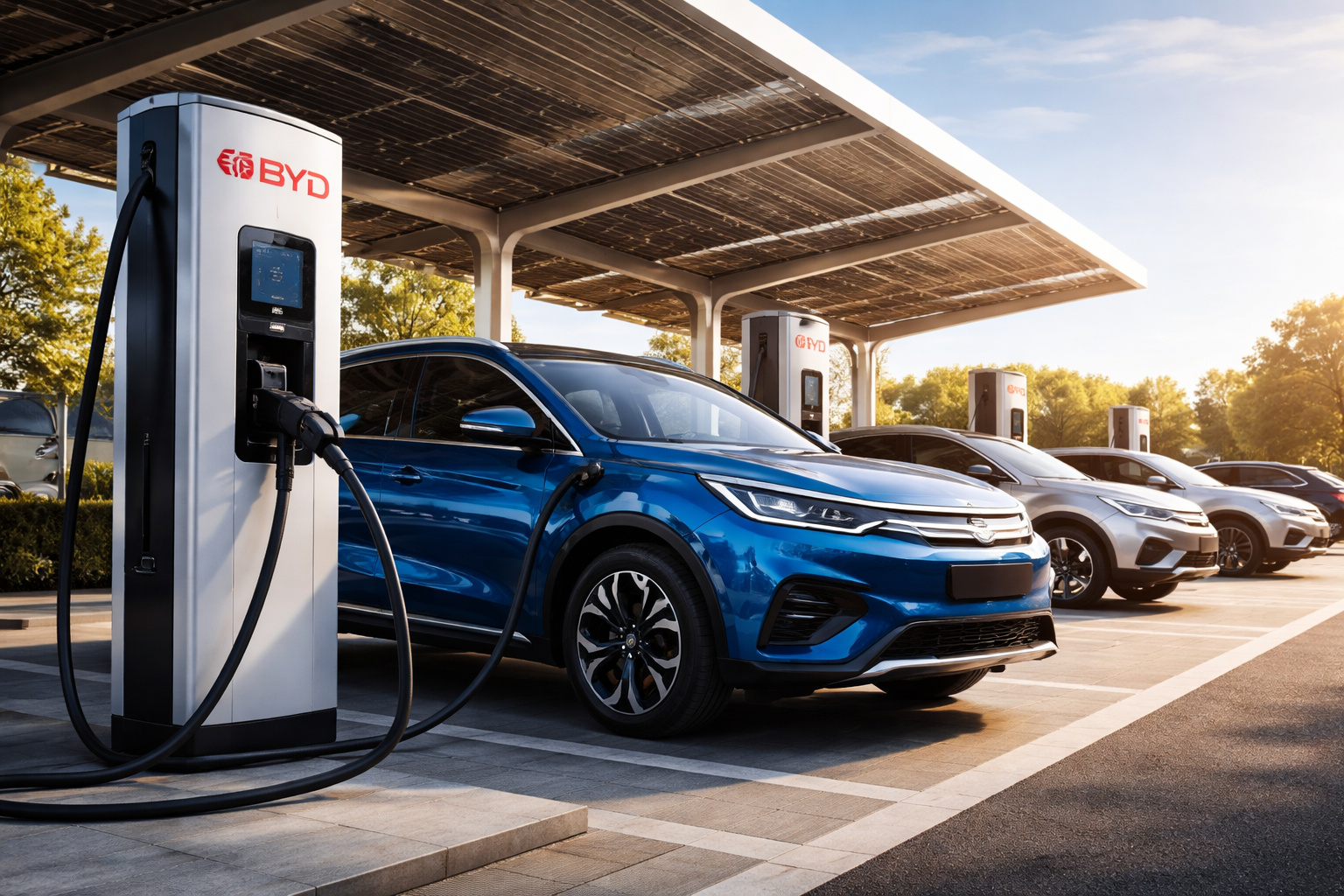
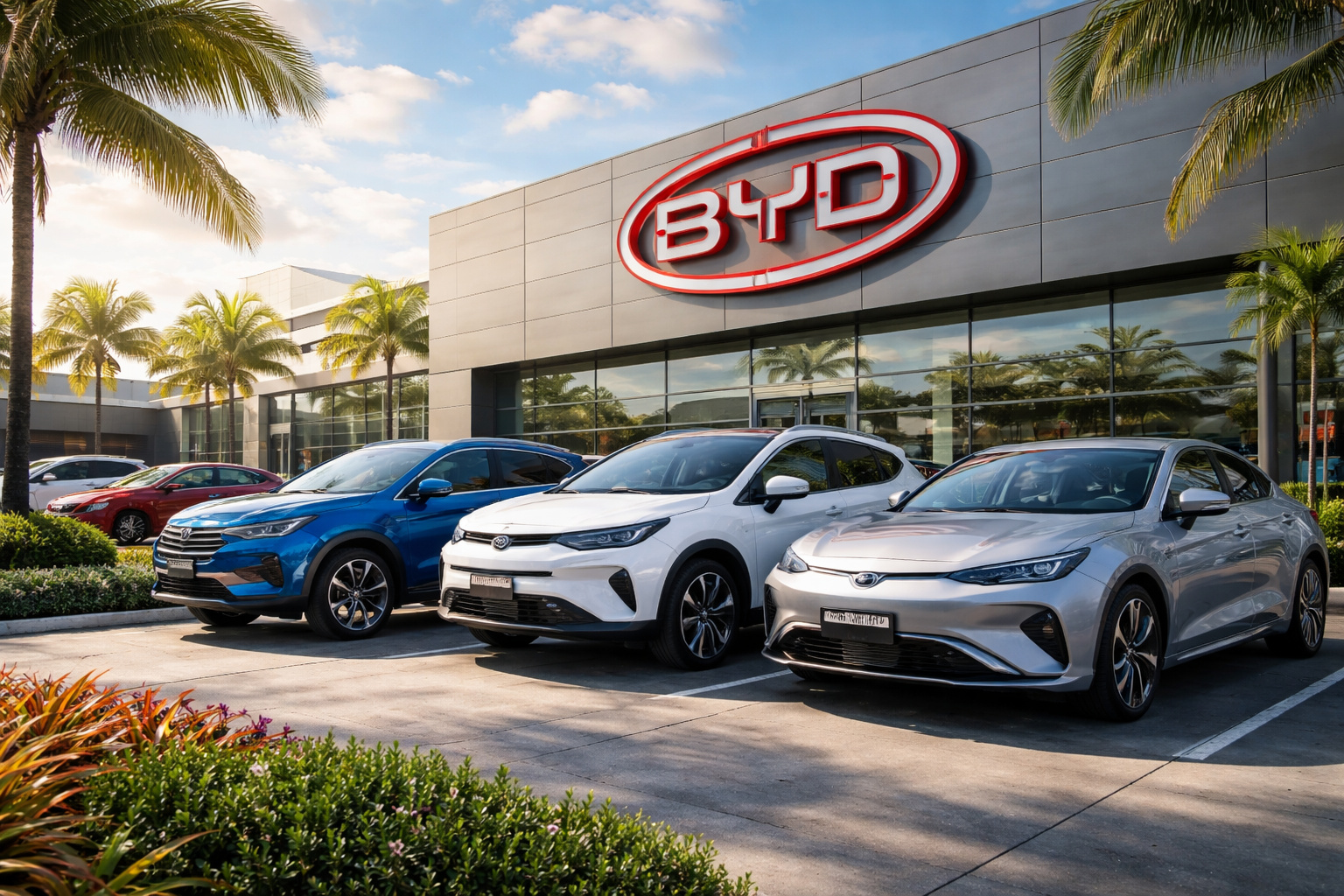
Largest public charging network in Brazil: BYD reaches 125 fast chargers and accelerates national expansion of electric mobility.
-
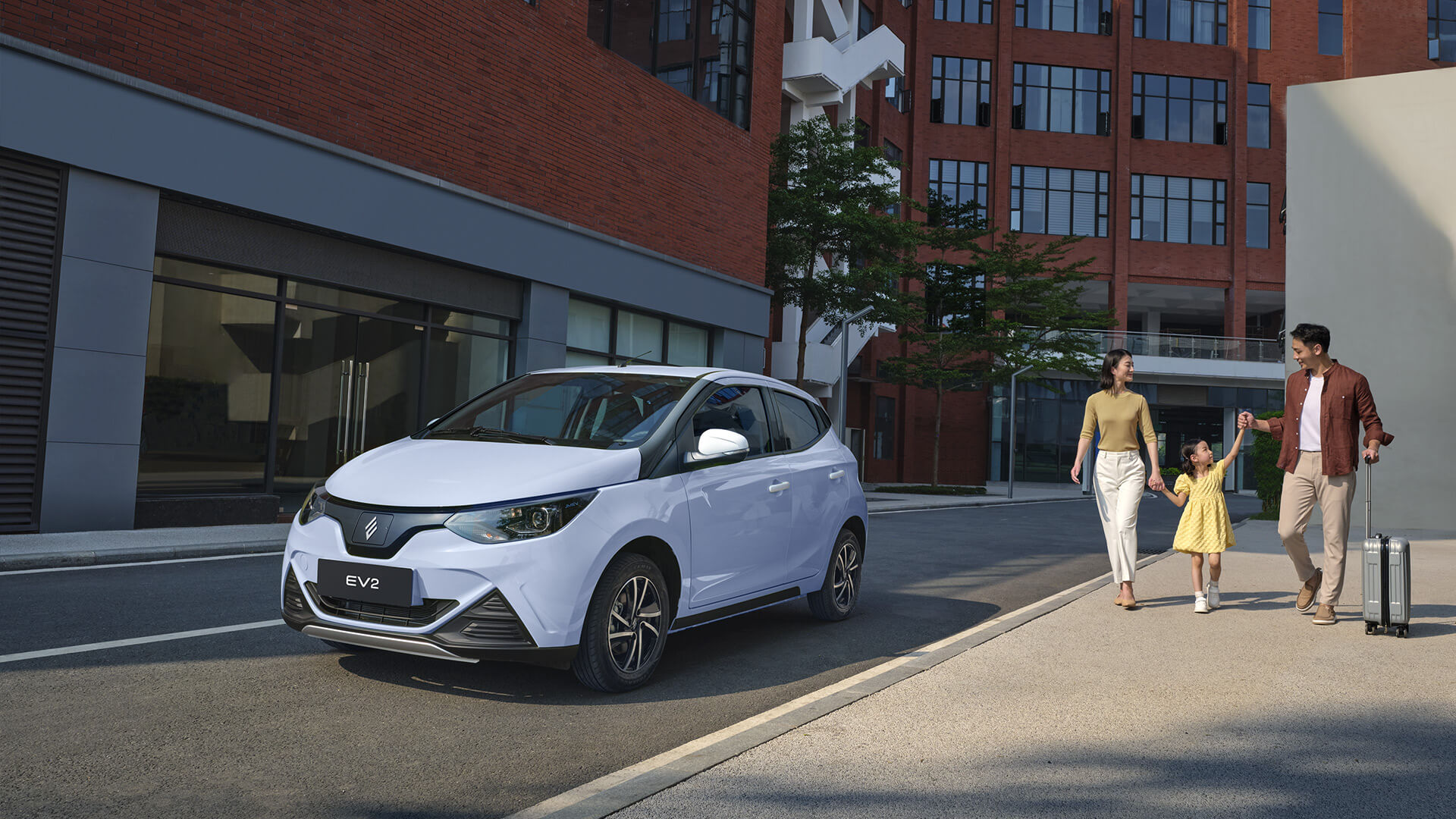
Goodbye expensive popular car: electric vehicle for less than R$ 70,000 starts being sold in Brazil with a range of 200 km and targets those looking to escape gasoline.
-
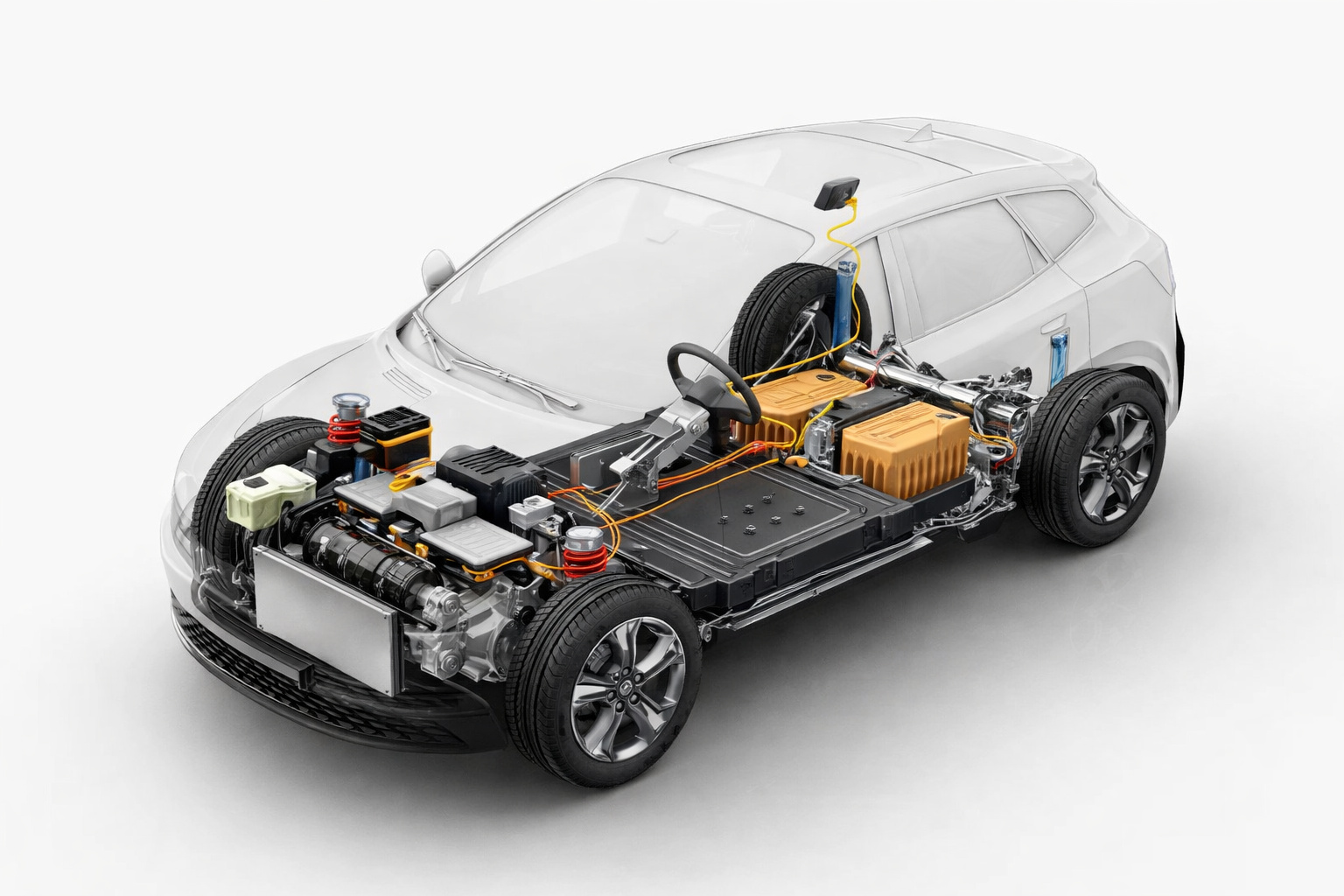
China Surprises Automotive Industry With Battery That Promises Electric Car Able to Run Up to 1,000 km Without Recharge
-
Why BYD Grew So Fast in Brazil and How Blade Batteries, Electric Cars, and Industrial Incentives Shaped This Expansion in the National Automotive Sector

Practical Benefits of Installing Vehicle Chargers
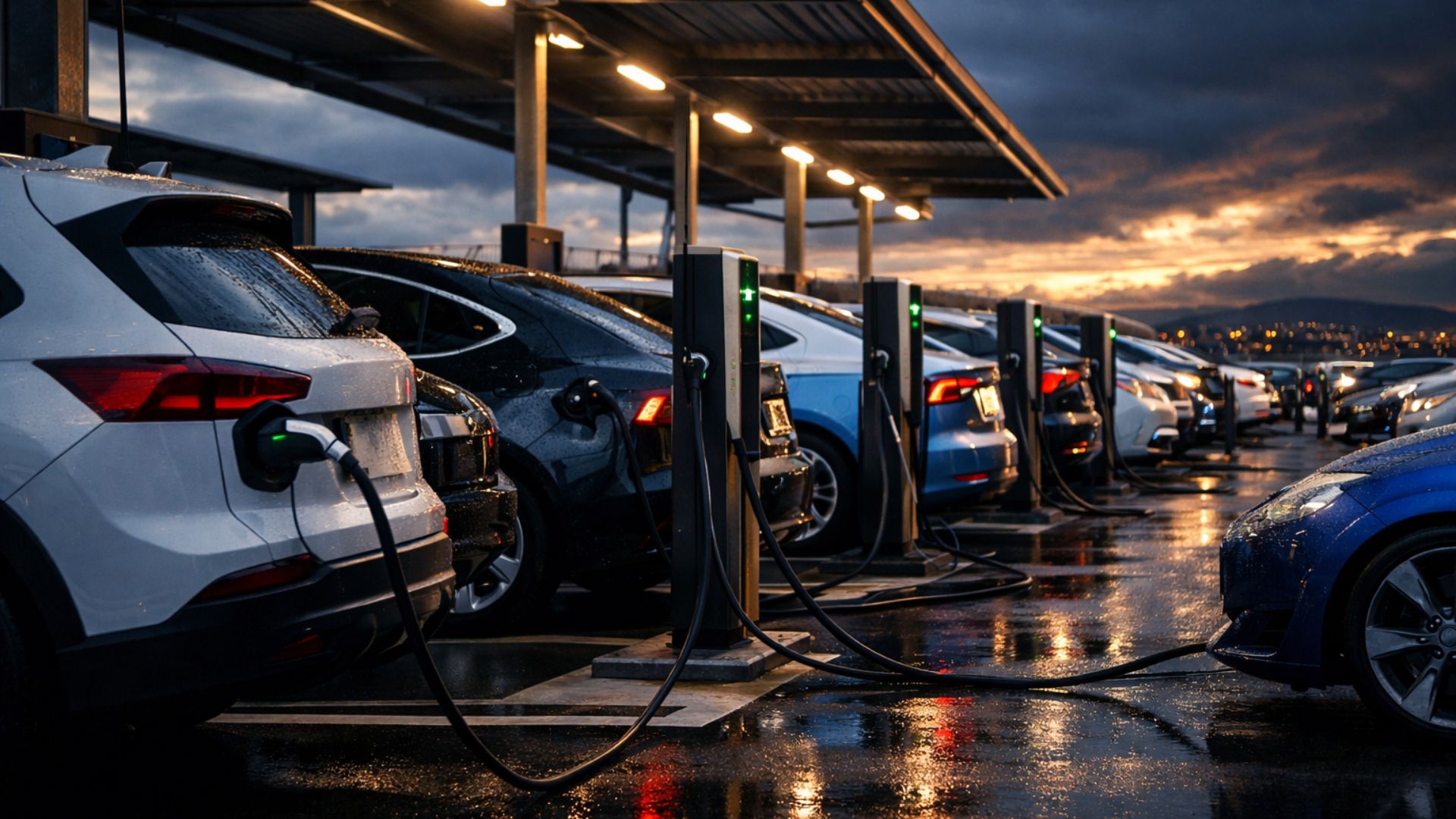
The decision to install a vehicle charger brings a series of tangible advantages, whether for personal use or for offering in an establishment.
For private and residential users:
- Maximum Convenience: Charging the vehicle in one’s own garage at night ensures it is ready for use in the morning, eliminating the need to detour to fuel stations.
- Long-Term Savings: The cost of electricity per kilometer driven is significantly lower than that of gasoline or diesel.
- Property Value Increase: A home equipped with an EV charger may have greater appeal in the real estate market.
For commercial and service establishments:
- Attracting Customers: Becoming a charging point attracts EV owners, who may choose the establishment due to this convenience.
- Increased Dwell Time: In places like malls or restaurants, the need for charging may encourage customers to stay longer, potentially increasing consumption.
- Competitive Differentiator: Offering chargers is a differentiator that positions the company ahead of its competitors, demonstrating innovation.
- Marketing and Brand Image: Associates the brand with sustainability and technology, enhancing its public perception.
Vehicle Chargers in Event Spaces: A Strategic Differentiator for Weddings and Celebrations
When it comes to special events like weddings, the experience of guests is paramount. Spaces that seek to offer the best, such as a wedding chacara, can add considerable value to their service with the installation of electric vehicle chargers.
The specific advantages for event venues include:
- Convenience and Peace of Mind for Couples and Guests: Many guests may travel from other cities or simply prefer to use their electric vehicles. Knowing they can charge their cars during the celebration eliminates “range anxiety” and allows them to enjoy the party without additional concerns. It is a care that demonstrates attention to detail and modern needs of attendees.
- Enhanced Space Value and Modernization of Infrastructure: An event venue that offers this technology stands out as modern and well-equipped. Spaces that invest in infrastructure like a car charger demonstrate a forward-looking vision and concern for the quality of the experience offered.
- Meeting the Needs of a Growing and Discerning Audience: The number of EV owners is increasing, and this audience values places that meet their specific needs.
- Alignment with Sustainable Practices: Couples and businesses are increasingly seeking sustainable options for their events. Offering charging for EVs complements other green initiatives, such as waste management and use of local suppliers, reinforcing a commitment to the environment.
Implementing the Charging Solution: What to Consider
When deciding to install a car charger, several points should be considered:
- Type of Charger: There are different power levels (slow, semi-fast, fast), and the choice will depend on the usage profile of the location. For a residence, a slower charger may be sufficient. For an event space or commercial venue, where dwell time may be limited, faster options may be more appropriate.
- Electrical Installation Needs: It is necessary to check if the existing electrical infrastructure can support the charger’s demand or if adaptations will be needed.
- Location of Charging Points: They should be installed in easily accessible and well-marked locations.
- Management Software (for Commercial Use): Solutions that allow monitoring of usage, pricing (if applicable), and management of charging points can be interesting for establishments.
An Investment in the Present and the Future
The installation of electric vehicle chargers is more than a trend; it is a necessary adaptation to a new reality of mobility. For individuals, it represents daily savings and convenience. For companies and, especially, for event venues like a wedding chacara, it is a strategic investment that adds value, attracts clients, modernizes the service, and reinforces a commitment to sustainability and user comfort. By considering this infrastructure, owners and managers demonstrate that they are prepared for current and future demands, ensuring a superior experience for all.







Seja o primeiro a reagir!