





 Portuguese
  English
  Spanish
  4 min of reading
  3 comments


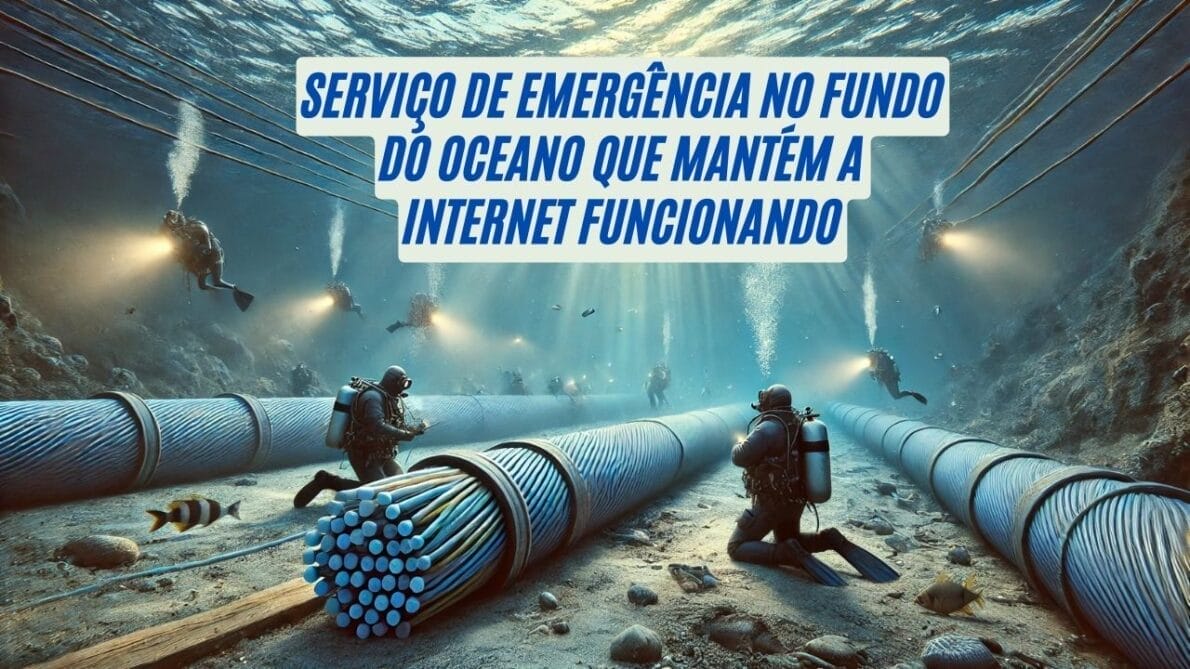

When We Think Of An Emergency, We Rarely Imagine A Rescue Operation Thousands Of Meters Deep In The Ocean. However, It Is Exactly This “Emergency Service” At The Bottom Of The Ocean That Keeps The Internet Running, Ensuring That Data Is Transmitted Without Interruptions Around The World. This Vital Infrastructure, Which May Seem As Invisible As The Ocean Itself, Connects Continents, Businesses, And Individuals And Is Supported By A Complex And Delicate Network Of Submarine Cables That Silently Traffic Beneath The Waves.
Almost A Century Ago, In 1929, An Unexpected Event Brought To Light The Fragility Of These Submarine Cables For The Internet: A 7.2 Magnitude Earthquake Shook The Coast Of The Burin Peninsula In Canada, Triggering A Tsunami And A Submarine Landslide That Damaged Twelve Transatlantic Cables. Unbeknownst To Us, This Initial Disaster Would Be Only The First Of Many Incidents Involving This Essential Technology, Which Remains Subject To The Forces Of Nature And Human Action.
The Science Beneath The Waves: How Extreme Events Challenge Technology And The Internet
Submarine Cables Are Responsible For Transmitting 99% Of All Digital Data That Travels Between Continents. Thin And Only A Few Centimeters In Diameter, These Delicate Cables Cross The Ocean Floor Connecting The World, While Facing Everything From Earthquakes To Submarine Volcano Eruptions And Typhoons.
However, Most Damage Comes, Ironically, From The Surface: About 70% To 80% Of Failures Are Associated With Human Activities Such As Fishing Nets And Anchors That Accidentally Get Trapped In These Cables.
-
Something is happening around the Earth: Inside the huge explosion of fireballs in 2026

-
A hot air bubble coming from Argentina expands over Brazil, causing thermometers to exceed 38 degrees with a thermal sensation of 40 degrees in late March, affecting 6 states at once.

-
The radish leaf that almost everyone throws away has more polyphenols, flavonoids, and fiber than the consumed root, and a 2025 study showed that the leaf contains compounds that protect the intestine, combat inflammation, and may inhibit the growth of cancer cells.

-
A planet that seemed to defy the laws of physics has intrigued scientists for decades, until the James Webb revealed what is really affecting Saturn’s rotation.

In 1929, The Submarine Landslide Moved At Speeds Ranging From 11 To 128 Km/H, Destroying Communication Cables Sequentially Over Several Hours. This Was The First Documented Event Of How These Landslides, Known As Turbidity Currents, Could Profoundly Impact Data Transmission. Since Then, Science Has Used Damaged Cables As Research Tools, Taking Advantage Of Incidents To Study Submarine Movements And Learn More About The Ocean Floor.
The Maintenance Of Cables And The Role Of Repair Vessels
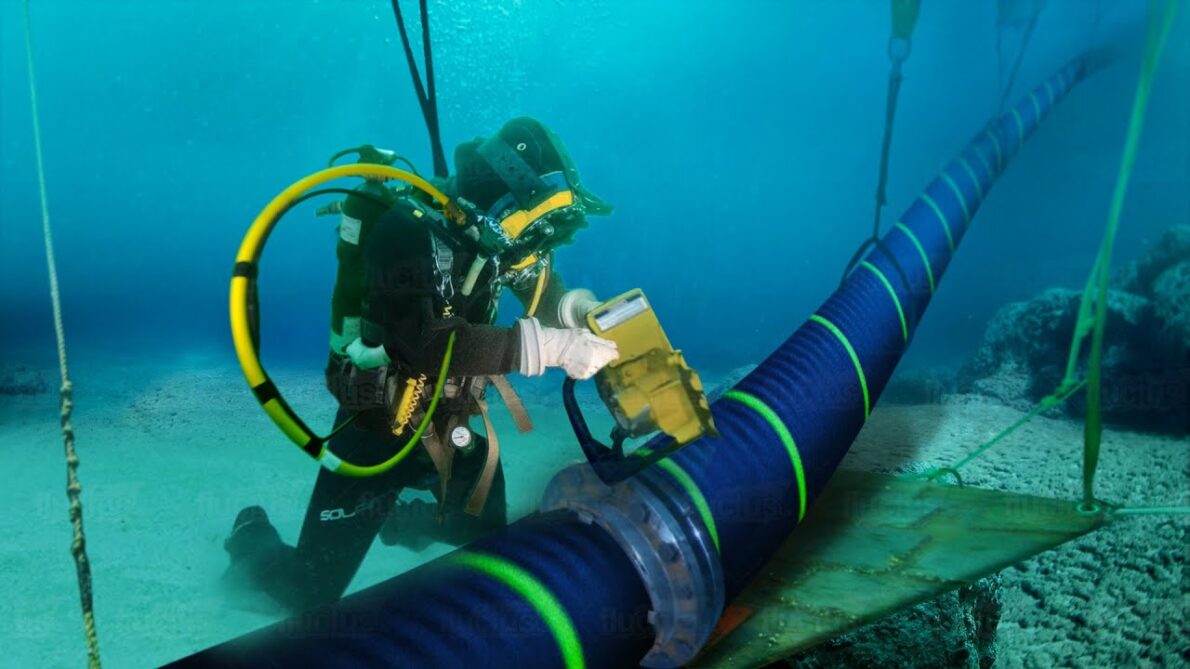
Today, The “Emergency Service” That Keeps The Internet Running Is The Responsibility Of A Fleet Of Repair Ships Strategically Positioned Around The World. When A Cable Is Damaged, It Takes About 10 To 12 Days For A Repair Vessel To Reach The Site And Begin Work. This Time, Which May Seem Long, Is Reduced Thanks To Technologies That Quickly Locate The Point Of Failure And Facilitate The Recovery Of Damaged Cables.
The Repair Process Is A Meticulous Operation: A Grapple Is Used To Hoist The Cable, Which Is Cut, Pulled To The Surface, And Rolled Up On Motorized Drums. The Damaged Section Is Analyzed, Repaired, And Tested, Ensuring That The Connection Returns To Normal. Even In Shallow Waters, Where Cables Face A Higher Risk Of Damage, They Are Buried In Trenches Dug By Remotely Operated Underwater Vehicles, Creating An Additional Shield Against Accidents.
Redundancy And Resilience: How The Internet Remains Active
The Global Infrastructure Of Submarine Cables Was Designed With An Essential Principle: Redundancy. Thanks To This Configuration, Even If A Cable Is Damaged, Data Traffic Can Be Redirected To Other Cables, Ensuring That The Internet Continues To Function Without Significant Impact To Users.
This System Is Especially Important In Vulnerable Areas, Such As The South Pacific, Where Seismic And Volcanic Activity Is Common. In High-Magnitude Events, This Cable Infrastructure Allows Communication To Be Maintained, Even If Some Cables Are Temporarily Out Of Operation.
Advanced Technology And Unexpected Scientific Discoveries
Through Challenges And Innovations, The Global Network Of Submarine Cables Has Evolved. In The 19th Century, For Example, The First Transatlantic Cables Were Responsible For An Unexpected Scientific Discovery: The Mid-Atlantic Ridge, An Immense Submarine Mountain Range, Was Located Thanks To The Peculiar Behavior Of The Cables. Today, These Cables Are Used As Acoustic Sensors, Allowing The Detection Of Marine Phenomena, Such As Whale Movements And Storm Occurrences.
Experts Warn That Technology Still Faces Risks Related To Climate Change, Which Increases The Amount Of Sediment In River Beds And Damages Nearby Cables. In Tonga, For Example, A Volcanic Eruption In 2021 Left The Nation Temporarily Disconnected, An Experience That Reinforces The Importance Of Alternative Cable Routes For Island Countries.
The Internet Depends On This “Emergency Service” Submarine
The Maintenance Of The Internet Depends On The Preservation Of These Submarine Cables, Which Sustain Global Communication. In Fact, Awareness Of The Location Of The Cables Already Helps Avoid Many Accidents: Modern Fishing Boats Can Track And Adjust Their Operations To Avoid Damaging The Network. However, In Areas Where The Use Of Navigation Technology Is Still Limited, Accidents Continue To Happen, And Informing Local Populations About The Cables Is A Crucial Measure.
In An Increasingly Data-Dependent World And Connectivity, This “Emergency Service” Submarine, Which Goes Unnoticed By Most People, Plays A Key Role In Keeping The Internet Running And Sustaining Global Communication. Each Cable That Crosses The Oceans Is Not Just A Wire That Connects Continents, But Also An Essential Link To Our Digital Life.






Muito interessante e maravilhoso a conectidade.
Que tal remar.Ou seja transformar em pó……
Cremar……Isso transformar em pó…