





 Portuguese
  English
  Spanish
  6 min of reading
  0 comments


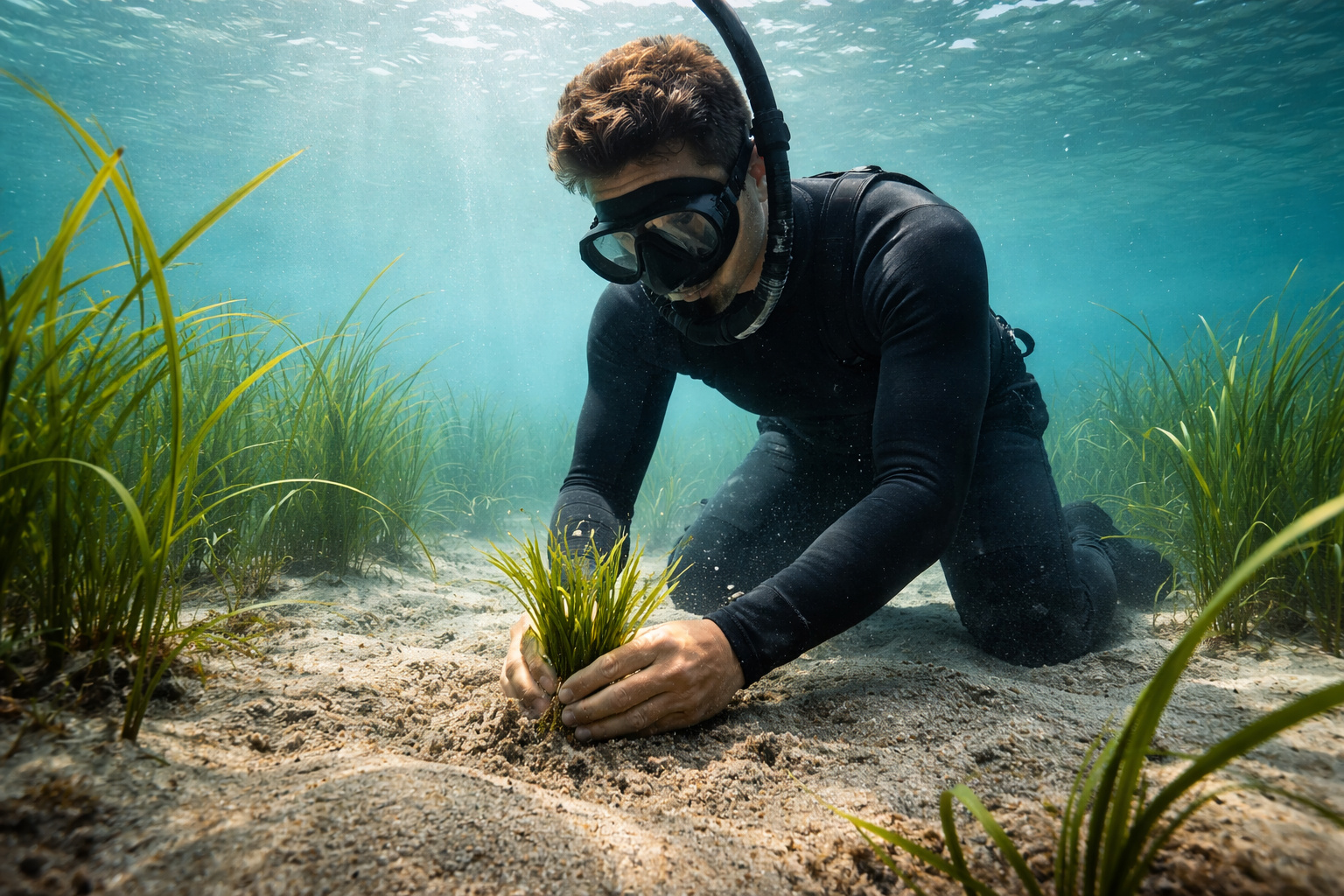
The United Kingdom Lost Up to 92% of Its Seagrass Meadows Due to Pollution and Dredging. Now Volunteers Dive to Replant Seed by Seed in Biodegradable Bags — and Each Restored Hectare Captures Carbon 35 Times Faster Than a Tropical Forest.
In the 1860s, British entrepreneurs were writing to the Times of London proposing seagrass as a potential cash crop capable of rivaling imported cotton. It was so abundant along the UK coast that it seemed inexhaustible. Today, the country has lost up to 92% of these underwater meadows — and has only recently realized the size of the hole it has dug in the seabed.
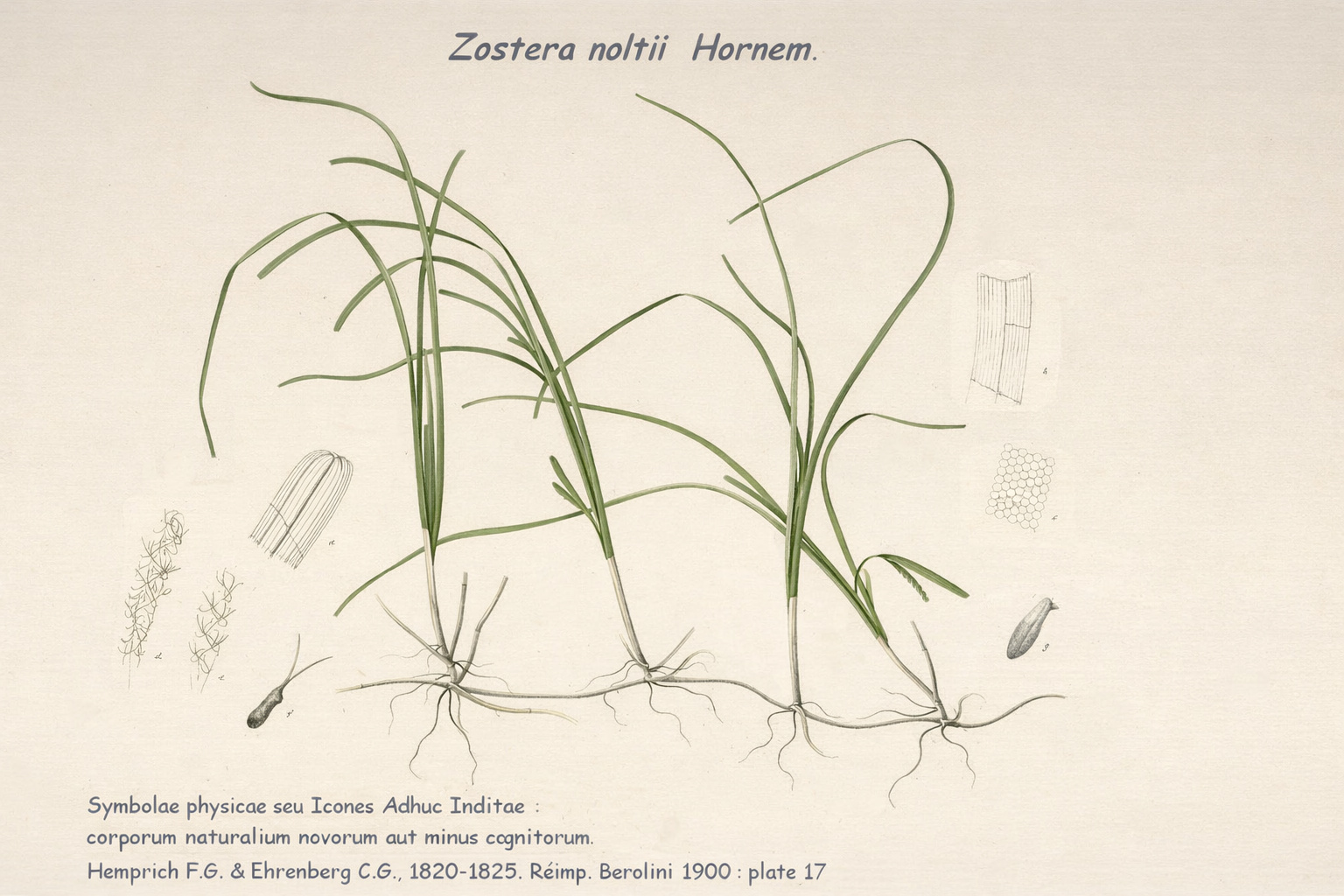
Seagrass (Zostera marina and Zostera noltii, the two native British species) is the only flowering plant capable of living entirely submerged in saltwater and pollinating within the ocean. It forms dense, swaying meadows in shallow waters of up to 4 meters deep, in sheltered bays and estuaries along the entire coast. And it does things that no terrestrial forest can replicate.
What Was Lost When the Meadows Disappeared
A study published in 2021 in the journal Frontiers in Plant Science, conducted by researchers from the Universities of London, King’s College, and Swansea, was the first to systematically map the history of seagrass loss in the UK. The data came from 19th-century newspapers, naturalist diaries, and scientific surveys compiled over decades.
-
In a flooded well, archaeologists found a 1,700-year-old Roman egg that still contains clear and yolk intact inside the very thin shell.

-
Something is happening around the Earth: Inside the huge explosion of fireballs in 2026

-
A hot air bubble coming from Argentina expands over Brazil, causing thermometers to exceed 38 degrees with a thermal sensation of 40 degrees in late March, affecting 6 states at once.

-
The radish leaf that almost everyone throws away has more polyphenols, flavonoids, and fiber than the consumed root, and a 2025 study showed that the leaf contains compounds that protect the intestine, combat inflammation, and may inhibit the growth of cancer cells.


The conclusion was heavy: with high certainty, at least 44% of British meadows have been lost since 1936, and 39% of that total has disappeared in just the last 30 years. When researchers cross-referenced the data with models estimating which coastal areas would be suitable for the habitat, the number rises to up to 92% historical loss.
Of the approximately 82,000 hectares that could have covered the British seabed — an area equivalent to 115,000 football fields — only 8,493 mapped hectares remain today, concentrated mostly in the Scottish Highlands, Devon, and Northern Ireland.
The Causes: Sewage, Dredging and Motorboat Anchor
The destruction did not have a single culprit. The UK was the first country to industrialize, and the consequences reached the seabed with delay, but persistently. The main problem is water quality. Sewage discharges — especially during heavy rains, when treatment plants overflow and release untreated waste into the sea — carry nutrients that stimulate the growth of microalgae on the seagrass leaves.
These microscopic algae suffocate the plant by blocking the sunlight necessary for photosynthesis. Agricultural runoff with animal waste exacerbates the problem. Coastal urbanization projects, port dredging, and the anchoring of leisure vessels complete the picture. A single anchor in a popular bay can tear up meters of meadow in seconds.
What Is Disappearing Along With the Plant
The numbers of what has been lost go beyond the meadows themselves. The 82,000 historical hectares could have stored 11.5 million tons of carbon — equivalent to the annual emissions of 7.7 million cars. They could also have housed up to 400 million fish. And they filtered, every year, an amount of pollutants equivalent to all the urine produced by the inhabitants of Liverpool.
Seagrass is the favorite nursery for commercially important species like cod, sole, and bass. It is also the habitat of the two native species of seahorses in the UK, which wrap their prehensile tails around the plant stems to avoid being swept away by the current. As the meadows disappear, this entire chain fragments.
Why Seagrass Matters More Than Any Tropical Forest
Despite covering less than 0.2% of the ocean floors worldwide, seagrass accounts for about 10% of all carbon buried annually in marine sediments. And it does so in a way that no tree can: at a rate 35 times faster than tropical forests.
The difference lies in how carbon is stored. When a tree dies and decays, it releases carbon back into the atmosphere. When a seagrass leaf dies, it sinks and is buried in the sediments beneath the meadow — where it can remain for millennia, with little significant decomposition.
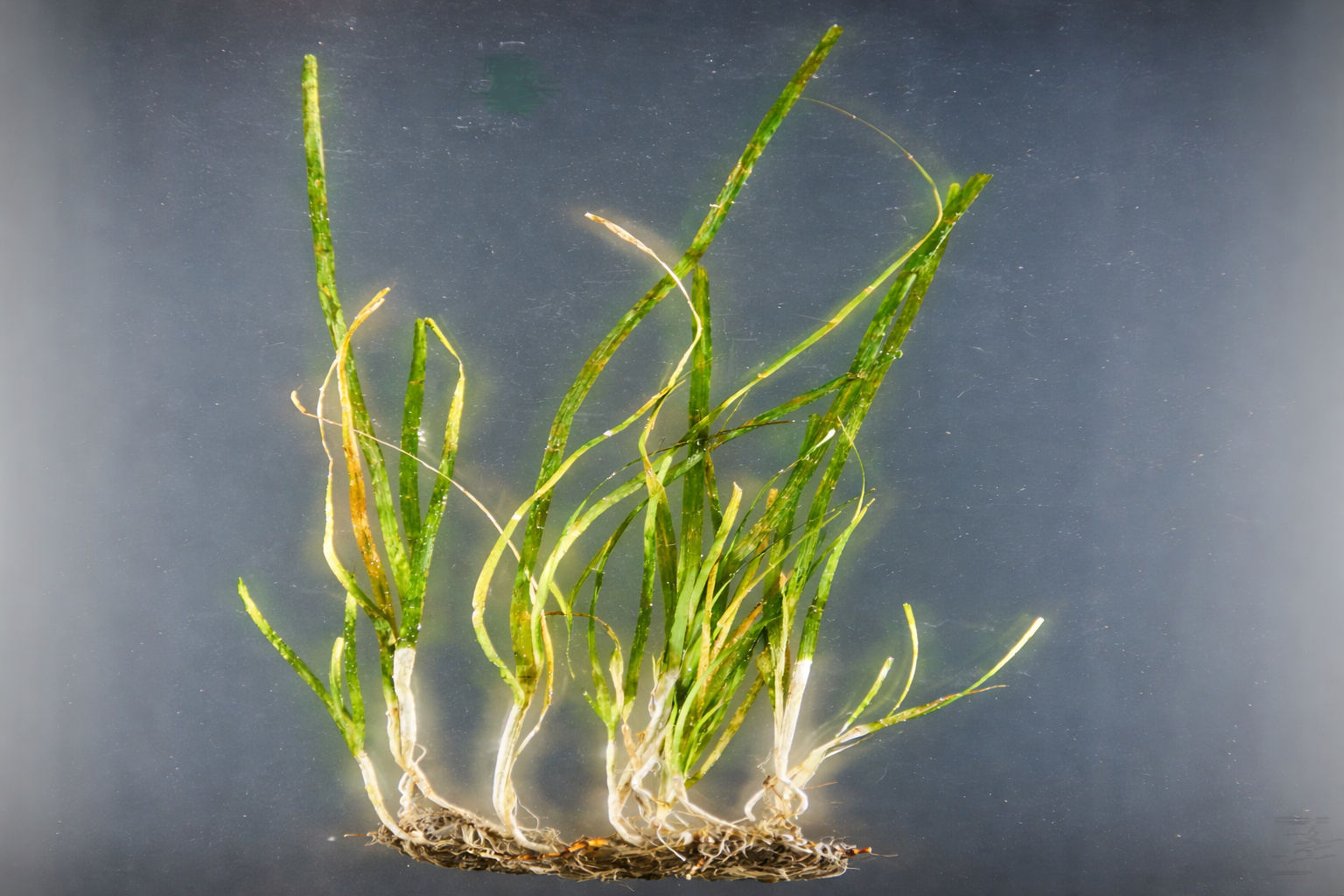
Each hectare of healthy meadow captures carbon equivalent to the annual emissions of 47 people. The IPCC estimates that mangroves, salt marshes, and seagrass meadows can store up to 1,000 tons of carbon per hectare — more than most terrestrial ecosystems.
The Attempt to Reverse the Damage: Seed Bags on the Seabed
In July 2019, Natural England launched the LIFE Recreation ReMEDIES project — a £2.5 million initiative funded by the European Union to restore marine habitats in five Special Areas of Conservation along the south of England. The central goal: to replant 8 hectares of seagrass, 4 in Plymouth Bay and 4 in Solent Maritime.
The method developed by Ocean Conservation Trust (OCT) is labor-intensive by necessity. Seeds from Zostera marina can only be collected by divers once a year, when the plant flowers. Each seed is hand-harvested, one sprout at a time. The seeds are taken to a specialized laboratory at the National Marine Aquarium in Plymouth, where they spend the winter in a dormant state — stored in a high-salinity refrigerated system to prevent early germination.
Volunteers, Jute Bags and a Submarine Cannon
In the spring, hundreds of volunteers gather at the aquarium for a singular task: to place seeds inside small biodegradable jute bags. About 10,000 bags are needed for each half-hectare restored. Then, a barge takes them to the bay, where a device called HMS OCToPUS — a kind of pressurized syringe — injects the bags directly into the seabed.
The germination rate initially was only 5%. After two years of adjustments in the laboratory, the team reached 33% — the highest rate ever recorded in the scientific literature on seagrass restoration. By the project’s end, in October 2023, the planned 8 hectares had been restored. More than 70,000 seed bags were packed by volunteers and implanted in the ocean.
The Scale of the Problem Versus the Scale of the Solution
Eight hectares is a real achievement — but it represents less than 0.1% of the historic meadows lost. WWF launched the Seagrass Ocean Rescue with the goal of restoring 15% of British meadows by 2030, which would imply planting up to 18 additional hectares by 2026 and developing mechanized methods capable of accelerating the process to larger scales.
The toughest obstacle is not technical. It’s water quality. As long as sewage continues to be dumped into the sea during heavy rains and agricultural fertilizers keep reaching estuaries, any restored meadow will face the same pressures that destroyed the originals.
The No Anchor Voluntary Zone created in Jennycliff Bay, Plymouth, has shown that changes in sailor behavior help — but the systemic problem demands reforms in sewage networks and watershed management.
What the Ocean Gains When the Grass Returns
In places where meadows have been restored or where degradation has been halted, the recovery is surprising. Seagrass can spontaneously recolonize when conditions improve — as happened in Tampa Bay, USA, after a 90% reduction in nitrogen in local runoff. In Virginia, USA, a restoration effort initiated in the 1990s resulted today in thousands of replanted hectares and one of the densest populations of scallops in the North Atlantic.
In the UK, seahorses have already been photographed in the new meadows of Plymouth. Researchers from Swansea University are monitoring the growth of the plants and the density of fish around the biodegradable bags as they decompose, leaving only the roots anchored in the sediment. The meadow does not grow fast. But it grows.
A 100-Million-Year-Old Plant That Learned to Survive
Seagrass has existed for at least 100 million years — it was contemporary with the dinosaurs. It has survived mass extinctions, glaciations, and marine regressions. What it has not encountered before is the combination of industrial sewage, continuous dredging, and agro-industrial scale fertilizers that the last century has produced along the British coasts.
The attempt to reverse this damage seed by seed, inside jute bags sewn by volunteers, is both modest and symbolic. Modest because 8 hectares are a tiny fraction of what has been lost. Symbolic because it demonstrates that restoration is possible — and that the carbon buried in the sediments can again be slowly stored in the seabed where it has always been.







-

-

-

-

6 pessoas reagiram a isso.