





 Portuguese
  English
  Spanish
  5 min of reading
  0 comments


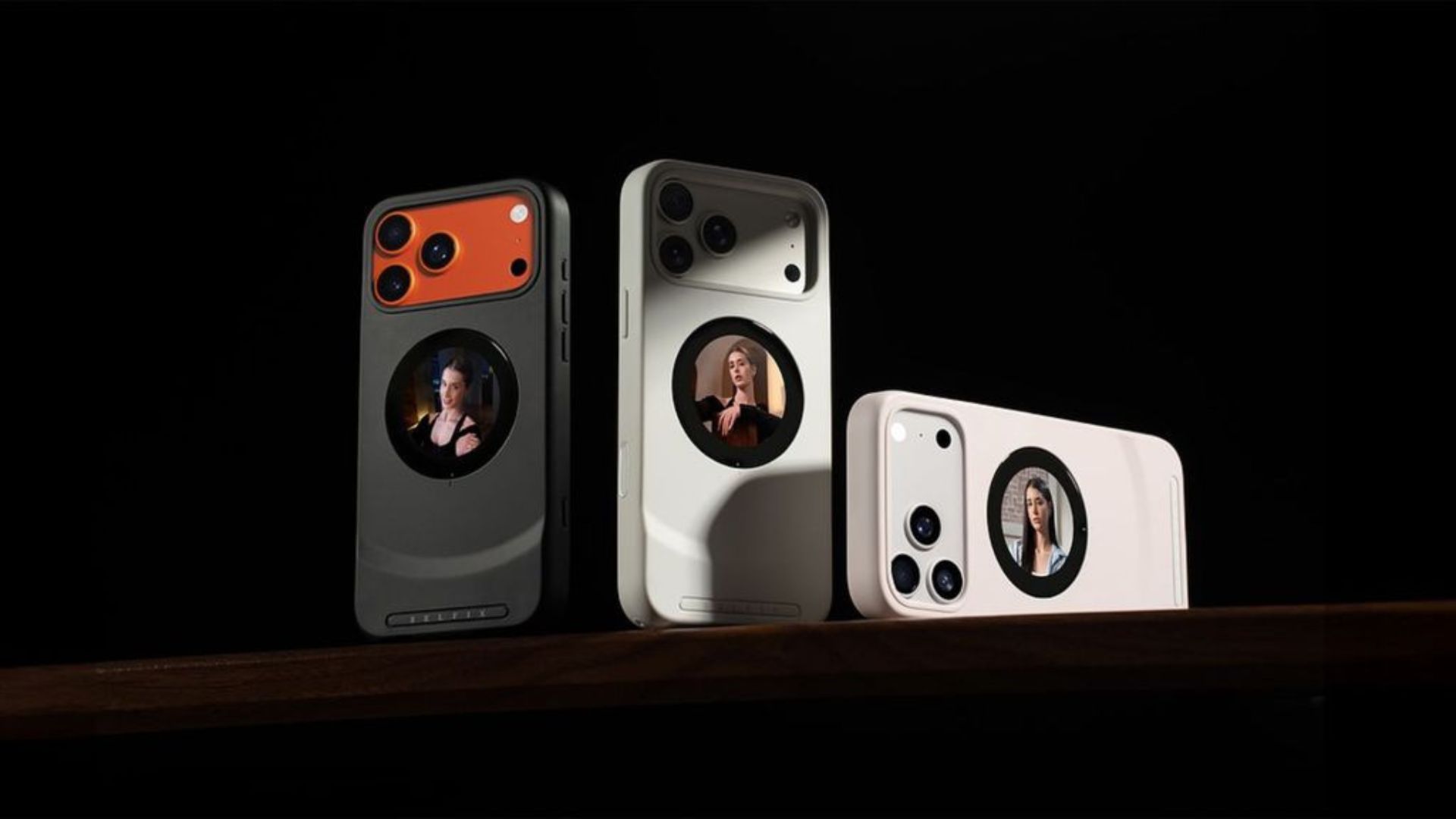
Accessory combines rear display, removable storage, and charging in a single body, expanding usage possibilities of the iPhone and sparking interest among content creators, while evidencing relevant technical limitations for advanced recordings and continuous professional use.
Upon launching a campaign on Kickstarter, Dockcase introduced the Selfix as a case for iPhone 17 Pro and iPhone 17 Pro Max that integrates a rear display, a slot for microSD card up to 2 TB, and a USB-C port with pass-through charging.
With this set, the accessory aims to act as a functional extension of the smartphone, directing usage towards selfies with the main camera, storage expansion, and mobile recording routines without relying solely on the device’s internal memory.
In this context, the proposal draws attention for simultaneously addressing two recurring limitations of the iPhone, by introducing a second display for framing and allowing the use of removable media for file storage.
-
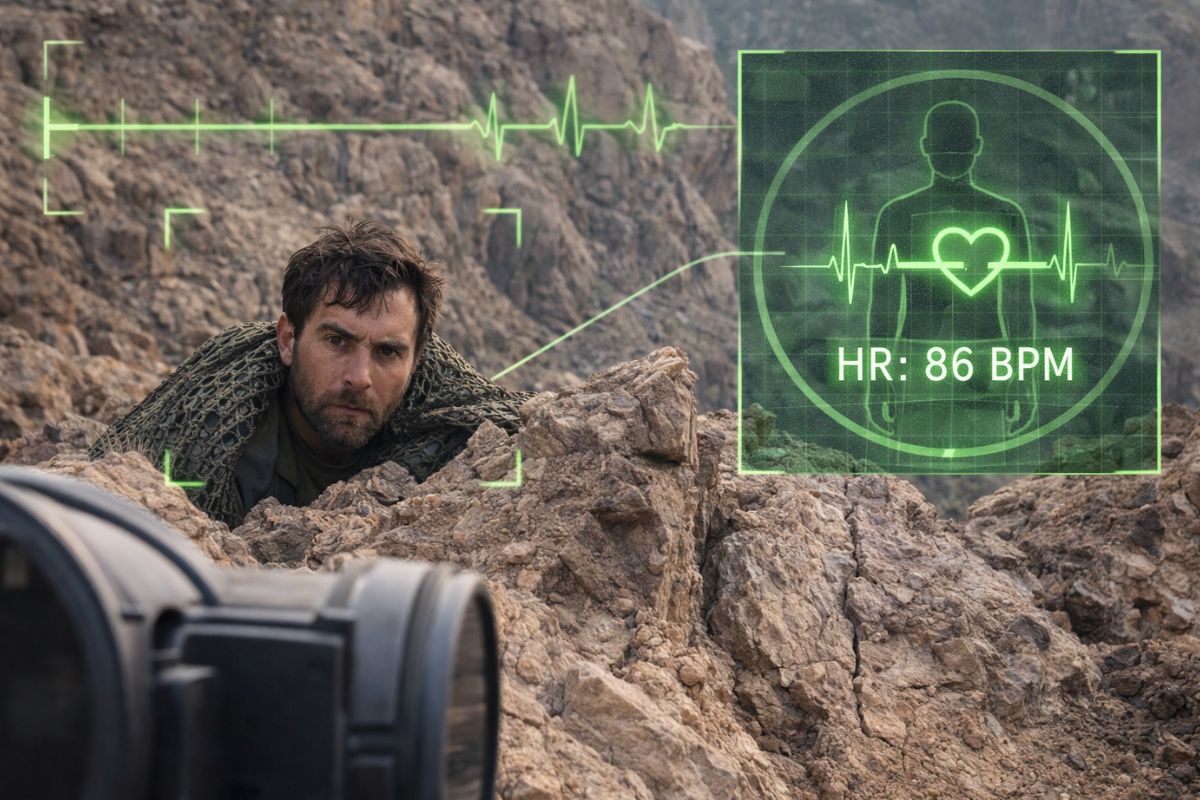
The CIA used for the first time a secret technology capable of detecting heartbeats from a distance to find an American pilot hidden for 40 hours in a mountain in Iran.
-
A European country invested 1.25 billion euros in a magnetic levitation train that could reach 450 km/h and then abandoned everything while China took the same technology and still uses it today in Shanghai.

-
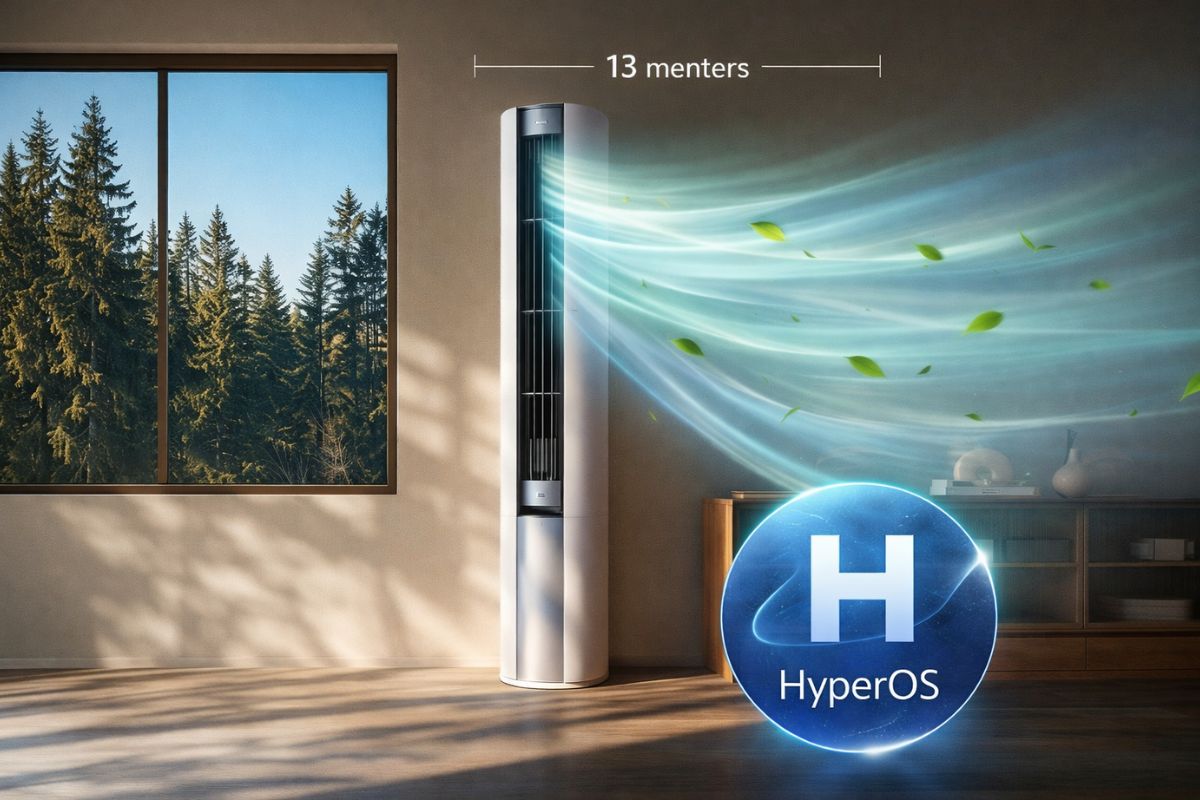
Xiaomi launches smart air conditioner that simulates natural wind with a range of 13 meters, runs HyperOS, identifies over 120 problems on its own, and costs the equivalent of R$ 3,448 in China.
-
Little-known Amazonian fruit contains up to 3,000 mg of vitamin C per 100 g, surpassing orange by dozens of times and also gathering phenolic compounds with strong antioxidant action, according to scientific studies; meet camu-camu.

AMOLED rear screen for selfies with main camera
At the center of the concept is a 1.6-inch circular AMOLED screen, with a resolution of 480 x 480 pixels and touch support, positioned on the back to mirror the image displayed on the device.
Through a direct USB-C connection, the panel eliminates the need for additional apps and allows the use of the rear cameras for selfies and videos, which enhances the utilization of the main sensors in solo recordings.

Thus, by viewing the preview on the back, the user can better frame scenes and portraits without relying on the front camera, which generally has inferior specifications compared to the main camera setup of the iPhone.
Even with this proposal, initial evaluations indicate practical limitations, as the circular format reduces the visible area of the image and may compromise framing in some usage situations.
Additionally, tests published by The Verge mention inconsistencies in touch response and slight inaccuracies in visual composition, especially in units still classified as test versions.
MicroSD up to 2 TB and limits for professional video
Another central point involves support for microSD compatible with UHS-I, Class 10, U3, and V30 standards, with a stated capacity of up to 2 TB for external file storage directly through the accessory.
In practice, the case allows transferring content from internal storage and managing photos, videos, and documents within the Files app, integrating into the existing flow of the iOS system.
Despite this, the promise of direct recording requires a more detailed analysis, especially when it comes to advanced video formats that demand high continuous write speeds.
In this scenario, the UHS-I standard becomes a limiting factor, as it does not reach sufficient speeds for certain professional settings, such as Apple ProRes in 4K at 60 frames per second.
According to Apple’s specifications, this type of recording requires at least 220 MB/s, while even more demanding modes, such as 4K120, may require up to 440 MB/s of sustained write speed.
Since the microSD used by Selfix theoretically reaches up to 104 MB/s, the accessory does not meet the necessary requirements for this type of high-quality direct capture.
Thus, while it works well for storage and transfer of files or videos in less demanding formats, the solution does not replace external SSD units when the focus is on high-level audiovisual production.
USB-C with 45 W and connectivity limitations

To enable its functions, the case occupies the original USB-C port of the iPhone and incorporates a dedicated input compatible with Power Delivery 3.0 of up to 45 W, intended for continuous charging during use.
This approach ensures constant power supply but alters the expected behavior of the connection, as not all functionalities of the original port are preserved.
Test reports indicate that while pass-through charging works normally, data transfer via cable and the use of wired CarPlay are not supported with the case installed.
Consequently, the user needs to remove the accessory in situations that require direct connection to other devices, which impacts practicality in daily use.
Another relevant aspect involves wireless charging, as the thicker structure interferes with the efficiency of the technology, preventing its proper functioning even with physical compatibility with MagSafe.
Still, the magnetic ring remains functional for attachment to mounts, tripods, and other accessories, although some of them may block the view of the rear screen.
Robust design and proposal focused on creators
Designed as a creation tool, the Selfix adopts a TPU construction with a rubberized finish, available in white, pink, and black, and features 17 mm thickness, a value higher than conventional cases.
This dimensional increase is explained by the presence of internal components such as a circuit board, controller, screen, and other elements necessary for the integrated functioning of the accessory.
In the rear design, the screen is positioned within the magnetic ring to maintain compatibility with the MagSafe ecosystem, allowing the use of accessories without completely compromising the product’s proposal.
On the other hand, when attaching larger magnetic items, part of the display may be covered, reducing the utility of one of the main differentiators of the case.
As a result, the usage profile becomes more specific, aimed at creators who prioritize extra functionalities over discretion, accepting the increase in volume in exchange for greater versatility.
Price, Kickstarter, and delivery forecast
In the crowdfunding campaign, the Selfix appears with an initial price of US$ 79 for backers, while the estimated retail price reaches US$ 129, depending on the final commercial version.
There is also an additional package for US$ 109, which includes accessories such as a crossbody strap and a magnetic ring with an integrated mirror.
According to the campaign, the first units are expected to ship in May 2026, with initial distribution in selected markets such as the United States, United Kingdom, and European Union countries.
As is the case with projects of this type, availability still depends on the success of the campaign and the production schedule, keeping the product in a pre-sale stage.
In this scenario, the Selfix emerges as a proposal that combines innovation and technical limitations in equal measure, bringing together uncommon features in an iPhone case while highlighting practical challenges that may influence its widespread adoption.







Seja o primeiro a reagir!