





 English
  Francês
  Alemão
  Italiano
  Japonês
  Norueguês
  Portuguese
  Spanish
  3 min of reading
  4 comments


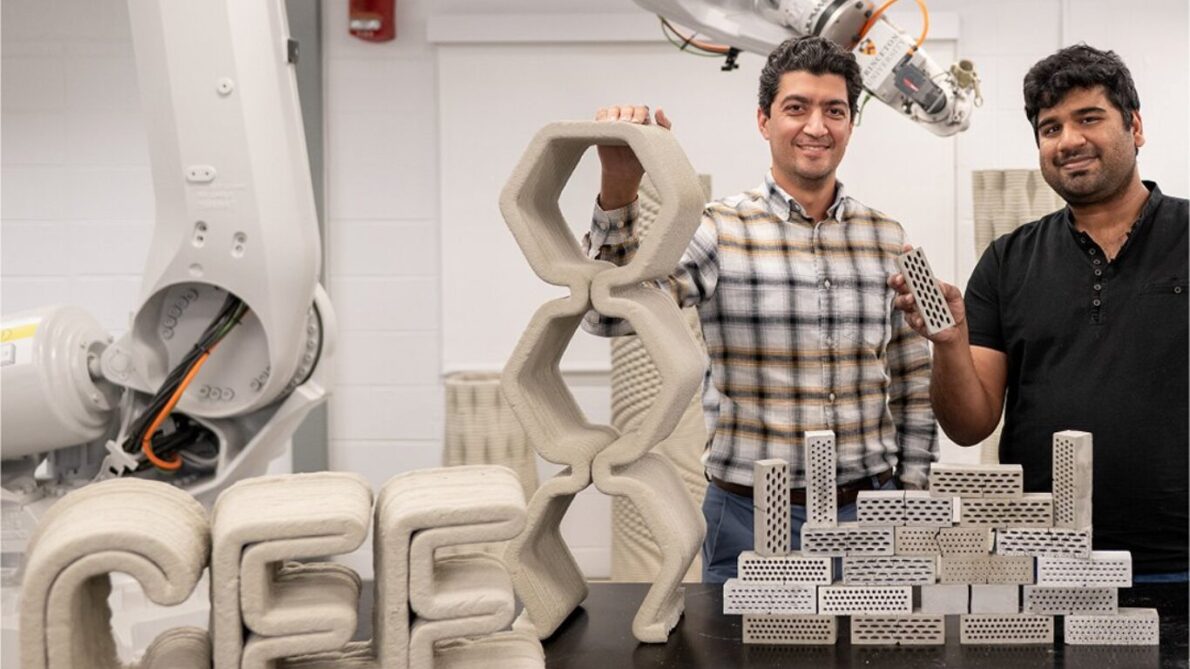

Inspired by the Structure of Human Bones, the New Bioinspired Cement Developed by Engineers Offers Unprecedented Strength and Could Radically Change the Way We Build. The Innovation Promises Much Greater Durability Without the Need for Additional Additives, a True Revolution in Civil Engineering!
The New Concrete: A Bioinspired Revolution
The innovation in civil engineering is about to take a giant leap with the development of a new concrete inspired by the structure of human bones. This bioinspired cement is 5.6 times more damage resistant than the materials currently used in construction. Instead of adding additives to enhance strength, the technology relies on the natural architecture of bones to create a more robust and durable material, according to the site technologicalinnovation.
This innovative technology explores the principles of fracture mechanics and statistical mechanics to enhance the fundamental properties of concrete. The result is a material that not only resists cracks better but also avoids abrupt failures, significantly increasing the safety and longevity of constructed structures.
Geometric Structure for Greater Toughness
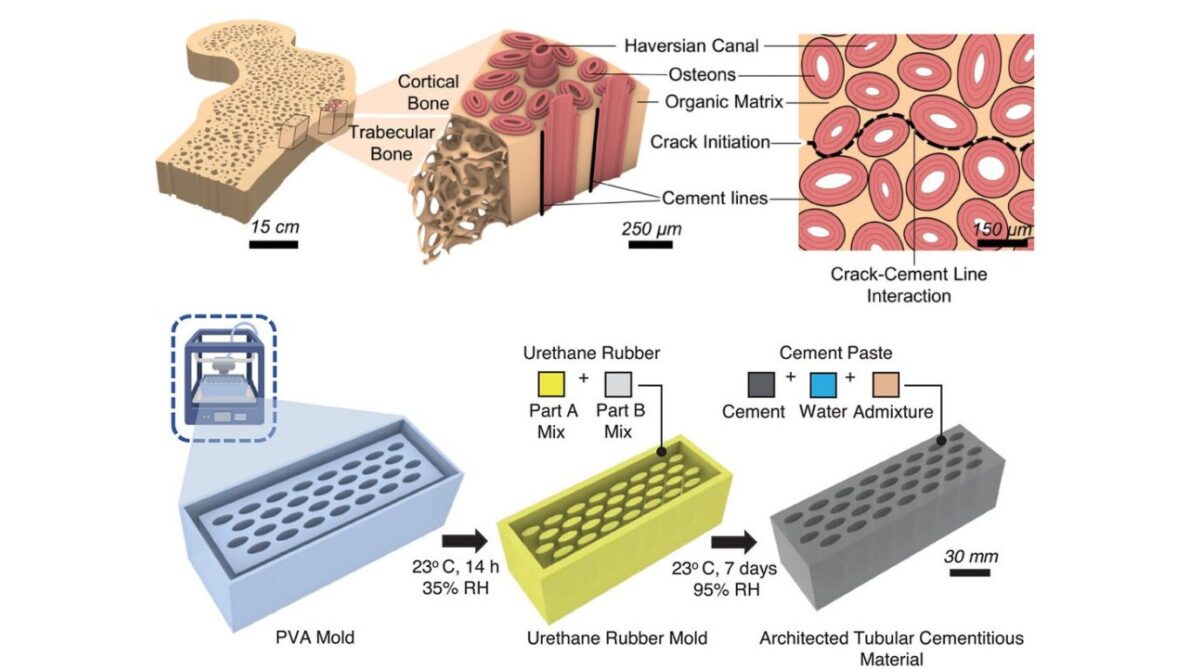
Unlike traditional methods that use fibers or plastics to reinforce concrete, this new concrete stands out for its geometric structure. Inspired by cortical bone, the dense outer layer of human bones, the material incorporates cylindrical and elliptical tubes that help divert and control the propagation of cracks.
-
New technology with lights is being tested in the most dangerous stretch of Serra do Mar in Paraná to alert drivers, reduce delayed reactions, and try to curb the rise in deaths on the highway.

-
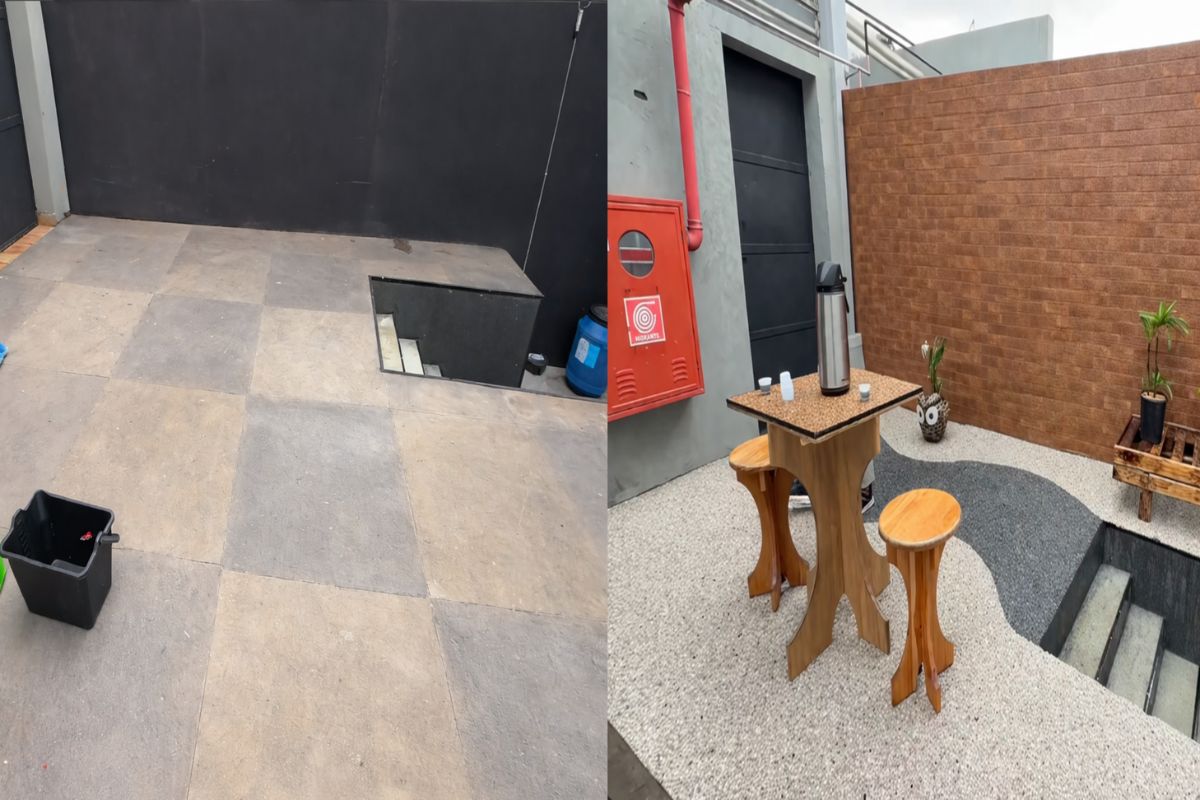
In just three hours, a natural stone floor transforms the entrance of the house with an organic effect, immediate drainage, and a sophisticated non-slip finish that doesn’t puddle water, dries quickly, and impresses with the final result.
-
The Perseverance rover’s radar reveals a river buried 35 meters beneath Mars, pushing the presence of liquid water back to 4.2 billion years and increasing the chances of signs of life on the planet.
-
The climate in 2026 may surprise with extremes even more intense than in 2025, with heatwaves, out-of-season cold, and irregular rainfall in Brazil.


The geometry of the tubes within the cement creates a gradual reaction mechanism when a crack begins to form. Instead of spreading quickly, the crack is “captured” by the tubes, slowing its propagation and dissipating additional energy. This avoids catastrophic failures and offers much greater durability.
The Technology That Promises to Transform Civil Engineering
The innovation in civil engineering brought by this bioinspired cement has the potential to revolutionize the industry. The use of new technologies that mimic nature not only improves the material’s strength but also reduces the need for frequent maintenance and repairs.
Moreover, the application of the cement is facilitated by its consistency, allowing for the use of 3D printing in construction, making the process more efficient and precise. This represents a significant advance in how we design and construct structures, bringing benefits for both engineers and end users.
The Revolution of Civil Engineering Is Here
With the introduction of this new concrete inspired by bones, civil engineering is entering a new era of innovation and strength. The technology promises not only to improve the quality and durability of constructions but also to redefine industry standards.
“The innovation in civil engineering with this bioinspired concrete is a true game changer,” comments Reza Moini from Princeton University. “We are using principles from nature to create stronger and safer materials, which can transform the way we build our world.”
A Significant Advancement for Civil Engineering
This advancement in concrete technology represents a revolution in the construction sector, bringing a new level of durability and safety. By mimicking the structure of human bones, the new technology promises to transform the way we design and build, ensuring stronger and more durable structures for the future.






Oii estava navegando em seu blog e encontrei diversos artigos interessante como este. Zap Ferreira Costa
O que acha dos ossos, um dos componentes do corpo: se desenvolveram por evolução ou tiveram um projeto ?
É necessário mais informações, pois não é só cisalhamento, existe ainda as propriedades para compressão e estiramento, dureza, comportamento térmico, etc ..