





 Portuguese
  English
  Spanish
  4 min of reading
  0 comments


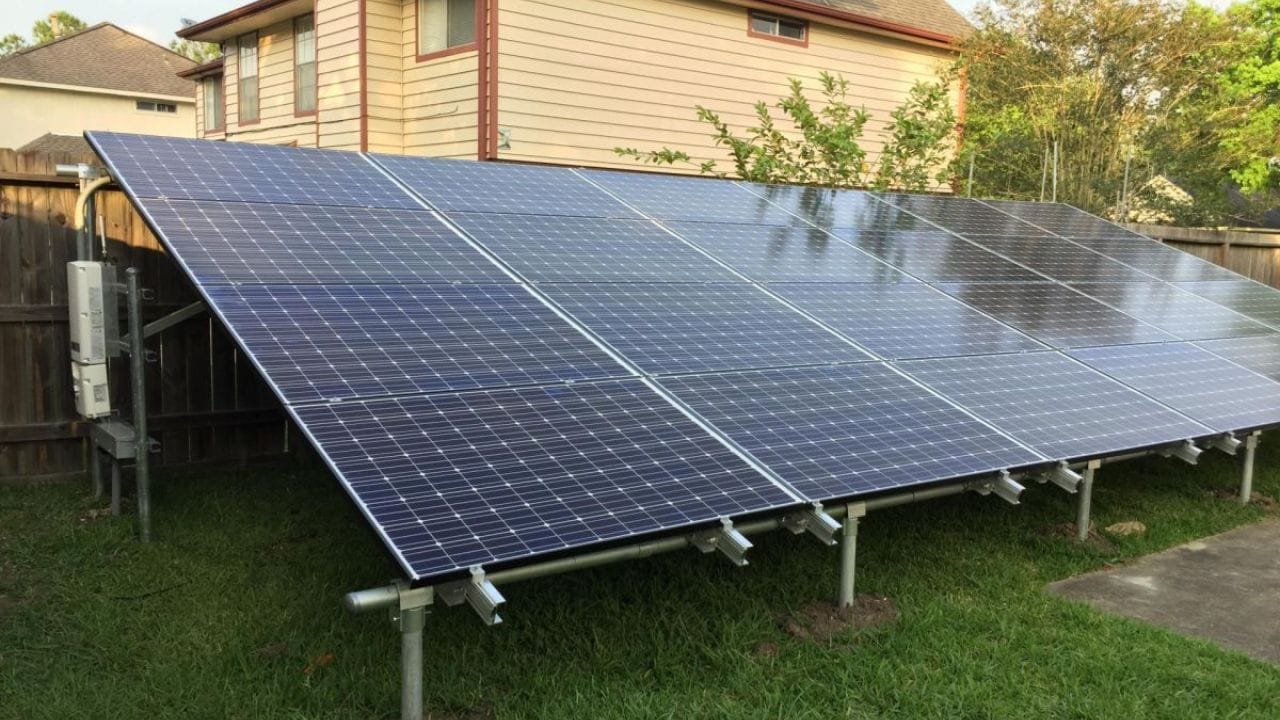
In A Significant Advance For The Renewable Energy Sector, The New Generation Of N-Type Solar Panels Emerges As A Promising Revolution, With The Potential To Dominate The Market Due To Its Superior Efficiency.
The tireless pursuit of innovation in the solar energy sector has just reached a new milestone with the development of an n-type solar panel, promising to revolutionize the market with its superior efficiency. The solar energy industry, always expanding, faces the constant challenge of creating photovoltaic modules that not only exceed market performance standards but also meet the growing demands for more compact and effective devices.
The early days of solar energy in Brazil were marked by modest installations using relatively low-power modules. Over the years, technological evolution has enabled the manufacturing of increasingly powerful modules, although this has required a significant increase in the size of the solar panel. This dimensional growth has reached a point considered by many to be the practical limit, especially for residential installations where roof space and structural capacity can be restrictive.
The N-Type Solar Panel Revolution

In light of this impasse, n-type technology emerges as a sleek solution that allows the manufacture of solar panels with superior energy efficiency without the need to increase their physical dimensions. N-type technology differs by the addition of phosphorus atoms to silicon, in contrast to the boron atoms used in p-type cells. This substitution results in a solar panel that not only generates more energy under adverse conditions but also has a significantly lower degradation rate over time.
-
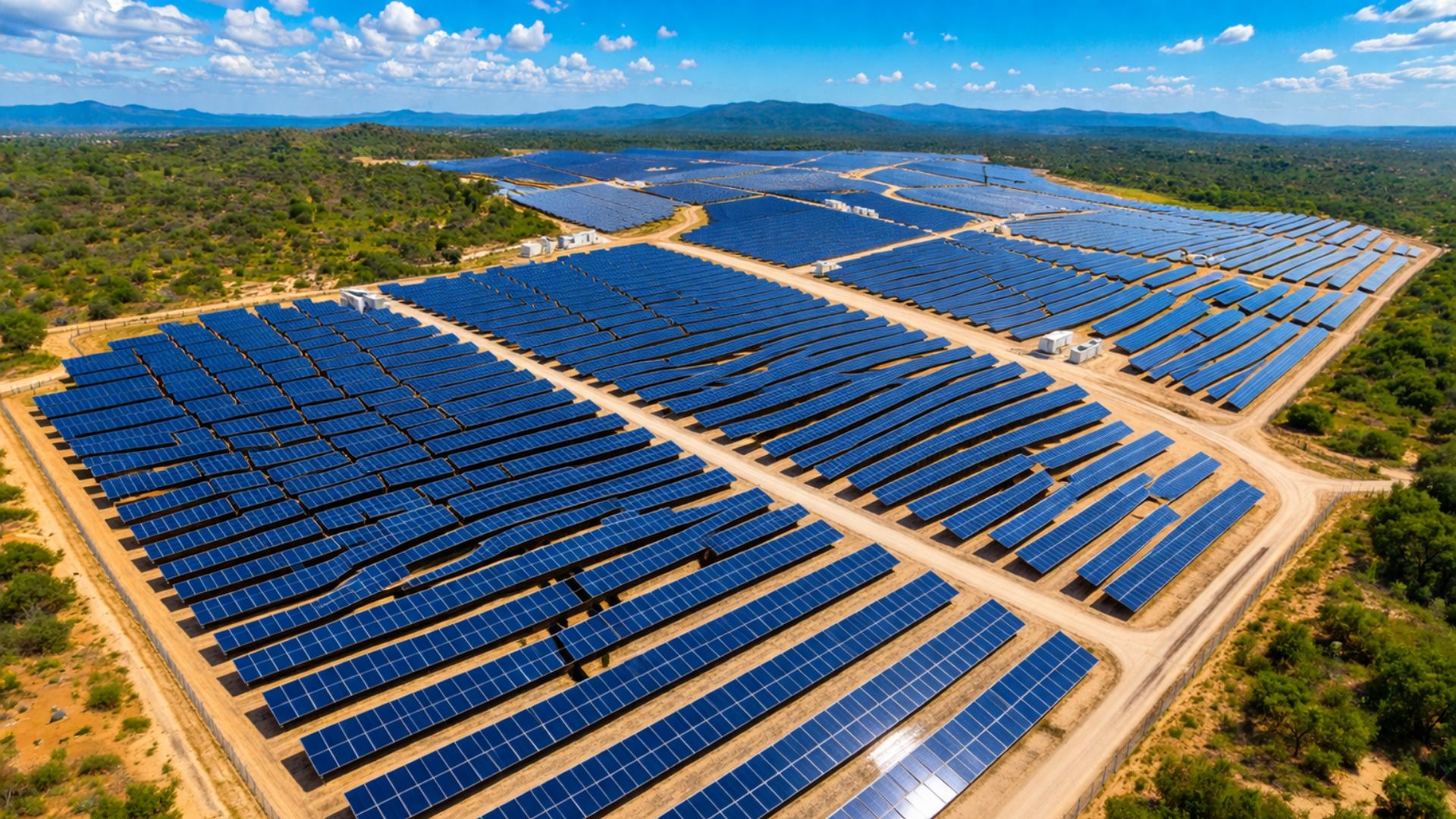
The Sol do Agreste Photovoltaic Complex begins operations in Pernambuco and accelerates the expansion of solar energy in Brazil, directly impacting the reduction of emissions and strengthening the sustainable energy matrix.
-
The Sol do Agreste Photovoltaic Complex begins operations in Pernambuco and accelerates the expansion of solar energy in Brazil, directly impacting the reduction of emissions and strengthening the sustainable energy matrix.
-
Renewable energy advances over protected areas in Brazil, and a survey by the Energy Transition Observatory reveals silent impacts that challenge environmental conservation and pressure sensitive traditional territories.

-
Rio Grande do Sul accelerates energy transition: State invests in renewable technologies and consolidates decarbonization strategies and pathways to attract billions in new industrial investments.


Advantages Over P-Type
N-type solar panels stand out for several reasons. Firstly, they are more efficient in converting sunlight into electrical energy, even under high temperatures, a particularly advantageous feature in hot climate countries like Brazil. Moreover, light-induced degradation, a phenomenon that reduces the effectiveness of solar panels over time, is notably lower in n-type panels, thus ensuring a longer lifespan and a more attractive return on investment.
The question now is whether this new solar panel technology will dominate the sector. All indications suggest it will. The combination of higher energy efficiency, lower degradation over time, and the ability to maintain compatible photovoltaic module sizes with existing installations places the n-type solar panel in a privileged position to become the preferred choice in the global solar energy market.
The Future Of Solar Energy
As the world moves forward in search of clean and sustainable energy solutions, innovation in solar panels plays a crucial role. N-type technology represents a significant advancement in this journey, promising not only to meet current needs for efficiency and performance but also to pave the way for future innovations in the solar energy sector. With this evolution, solar energy is increasingly positioned to play a central role in the global energy matrix, leading the transition to an era of clean and renewable energy.
Trajectory Of Solar Energy In Brazil
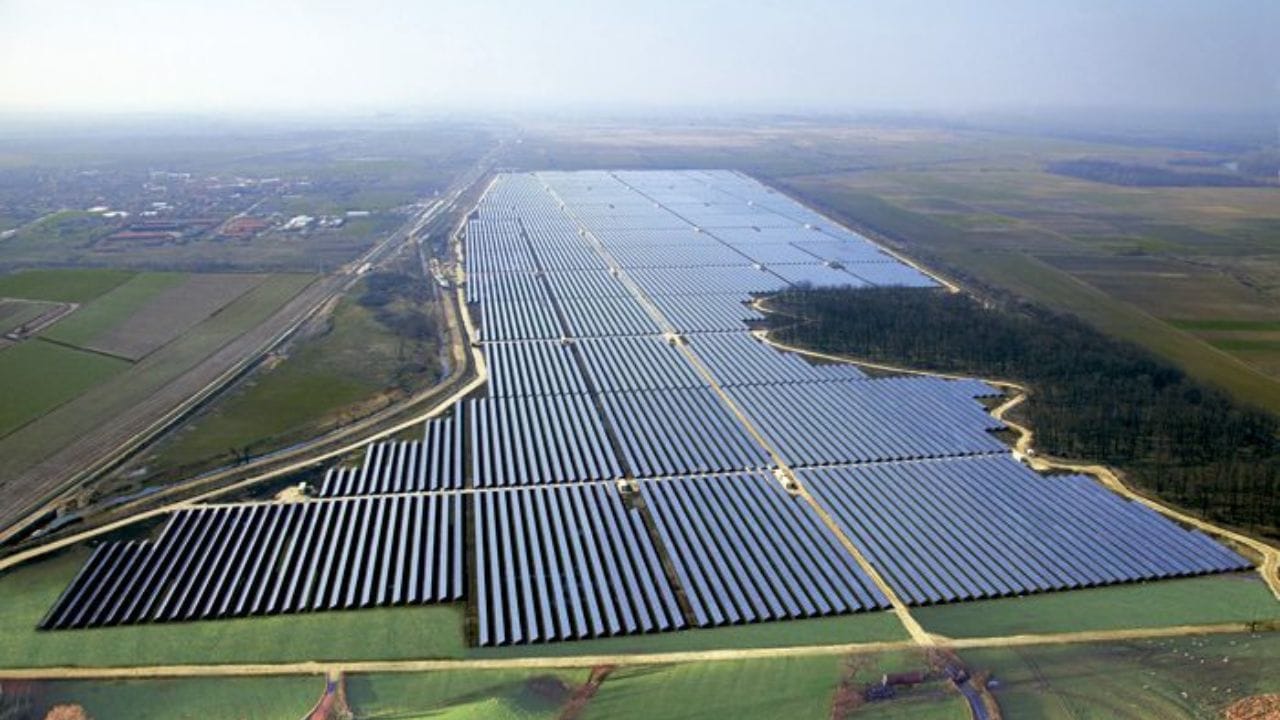
The history of solar energy in Brazil is a narrative of significant advancement, reflecting not only the vast solar potential of the country but also a concerted effort to diversify the Brazilian energy matrix. By October 2022, Brazil achieved an impressive installed capacity of 21 GW, positioning itself as one of the global leaders in the sector. In 2021, the country ranked 14th globally in installed solar energy capacity, with 13 GW, and 11th in production, with 16.8 TWh.
Brazil stands out with an annual solar radiation of over 3000 hours, especially in the Northeast region, where the average daily solar incidence varies between 4.5 to 6 kWh. This potential places Brazil among the most suitable locations for solar energy generation worldwide, an advantage that has been leveraged both in large solar plants and in decentralized installations in homes and businesses.
The states of Bahia, Piauí, Minas Gerais, São Paulo, Ceará, Pernambuco, Rio Grande do Norte, and Paraíba lead in installed capacity, thanks to the Brazilian government’s support through exclusive auctions for solar energy. The first auction, held in October 2014, contracted 890 MW, with subsequent auctions attracting significant investments to the sector.
Generation Structure And Challenges
The generation of solar energy in Brazil varies from large complexes, such as the Pirapora Solar Complex with 321 MW capacity, to small-scale distributed generation. ANEEL has established regulations that encourage self-generation of energy by consumers, allowing the exchange of excess for credits. Despite these advances, the sector still faces challenges, such as the need for more incentives and supportive policies to accelerate the adoption of solar energy and solar panel production on national soil.









Seja o primeiro a reagir!