





 Portuguese
  English
  Spanish
  4 min of reading
  0 comments



Construction in Brazil Advances Towards a Sustainable Future Focused on Waste Management, Innovation, and Circular Economy. Construsummit 2023.
The construction industry in Brazil is undergoing a significant transformation, increasingly emphasizing the pursuit of sustainable and efficient practices. This period of change, which has intensified since the pandemic, demands a higher level of commitment from companies and professionals in the sector to implement solutions that not only meet present needs but also protect the environment for future generations. Technological innovation, waste management strategies, and circular economy are now essential pillars for responsible development in this area.
Within this challenging scenario, the construction industry faces a major challenge: balancing growth with environmental preservation. The search for new approaches and technologies that allow reducing the impacts of construction activities has become a priority. Events like Construsummit 2023 are providing a valuable platform for discussions and exchanges of ideas, bringing together leaders and experts to discuss pathways toward a more sustainable and balanced future for the sector.
Challenges and Opportunities in the Construction Sector
Recent discussions about the future of the construction industry have gained prominence, supported by the media and specialized events. This highlights that the pursuit of efficiency, sustainability, and modernization is no longer a differentiator but an essential requirement for success. In September, I had the opportunity to participate in the Construsummit as a speaker and listener. This experience, amidst these current discussions, made me realize that the construction industry is at a transformational point. Innovation with impact is vital for progress.
-
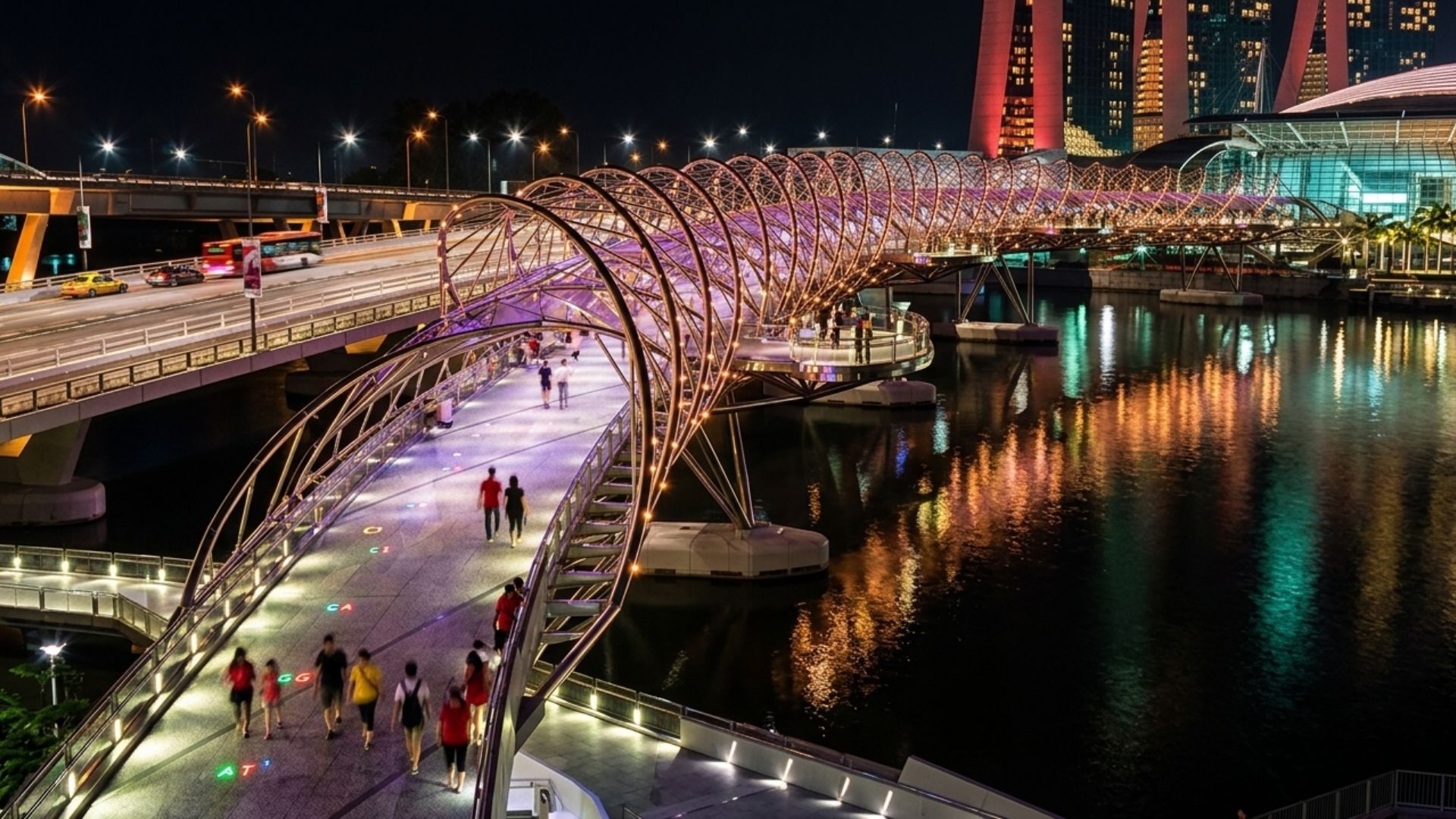
With a DNA shape, this bridge in Singapore draws attention in modern architecture and surprises tourists by transforming a simple crossing into an unforgettable visual experience in the urban heart.
-
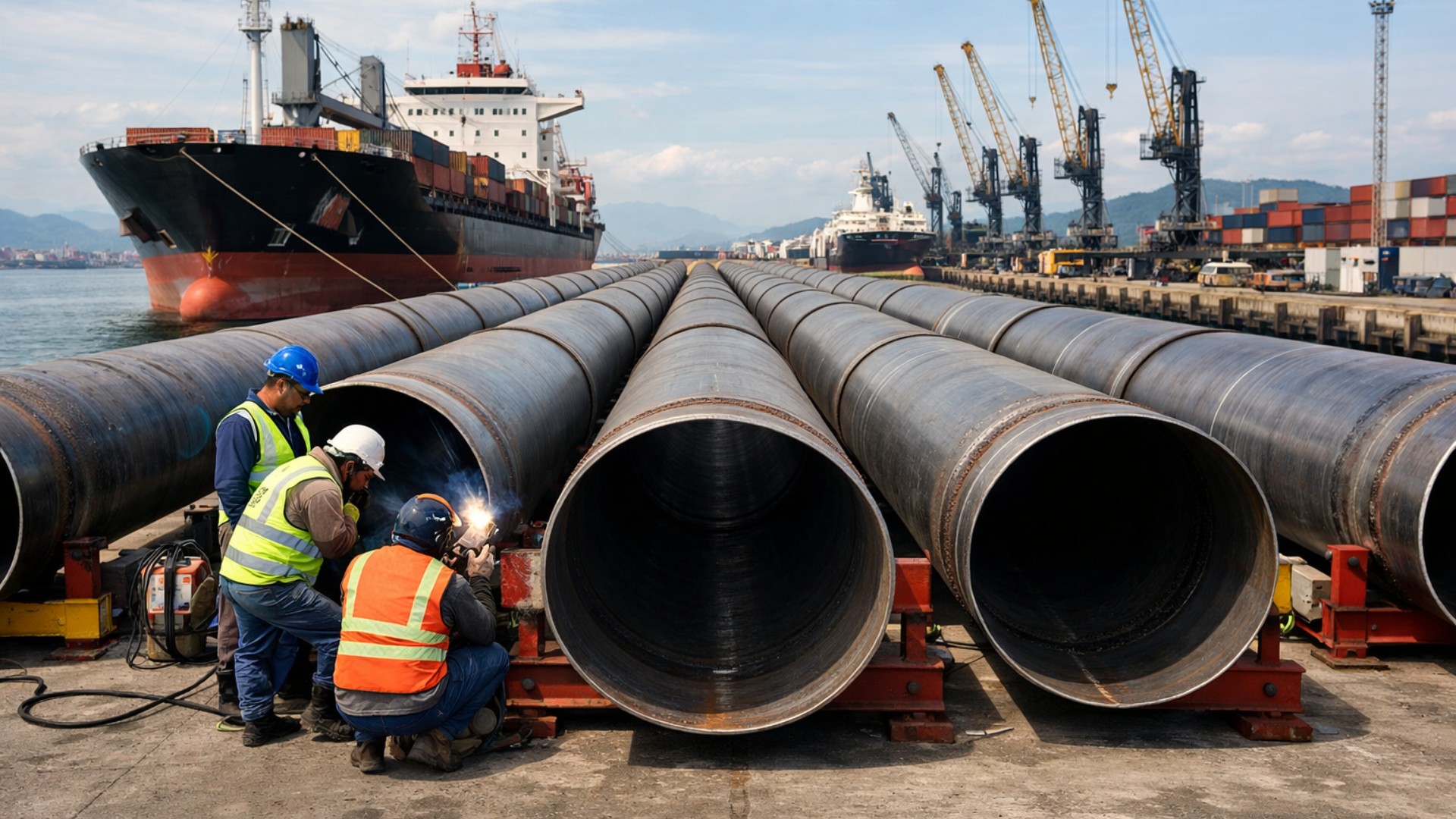
Giant underwater pipeline begins to take shape with a R$ 134.7 million project at the Port of Santos: the 1.7 km structure uses 12-meter and 700 mm pipes to supply water to 450,000 people in Guarujá.
-
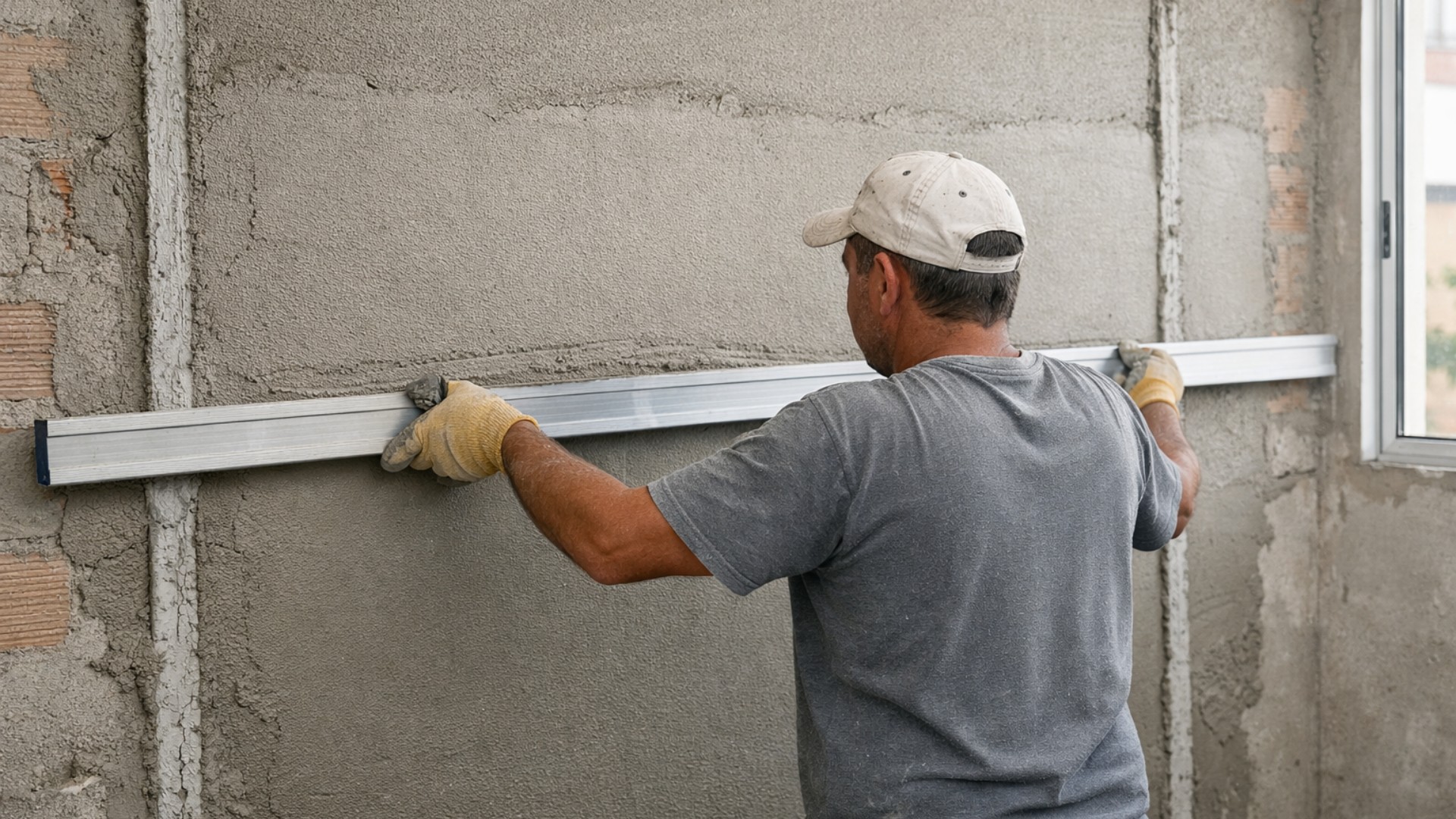
A mason reveals a professional plastering technique that uses aligned guides and a 3-meter ruler to plaster an entire wall in up to 3 hours, without visible seams, with uniform thickness, perfect plumb, and a finish ready for painting without rework.
-
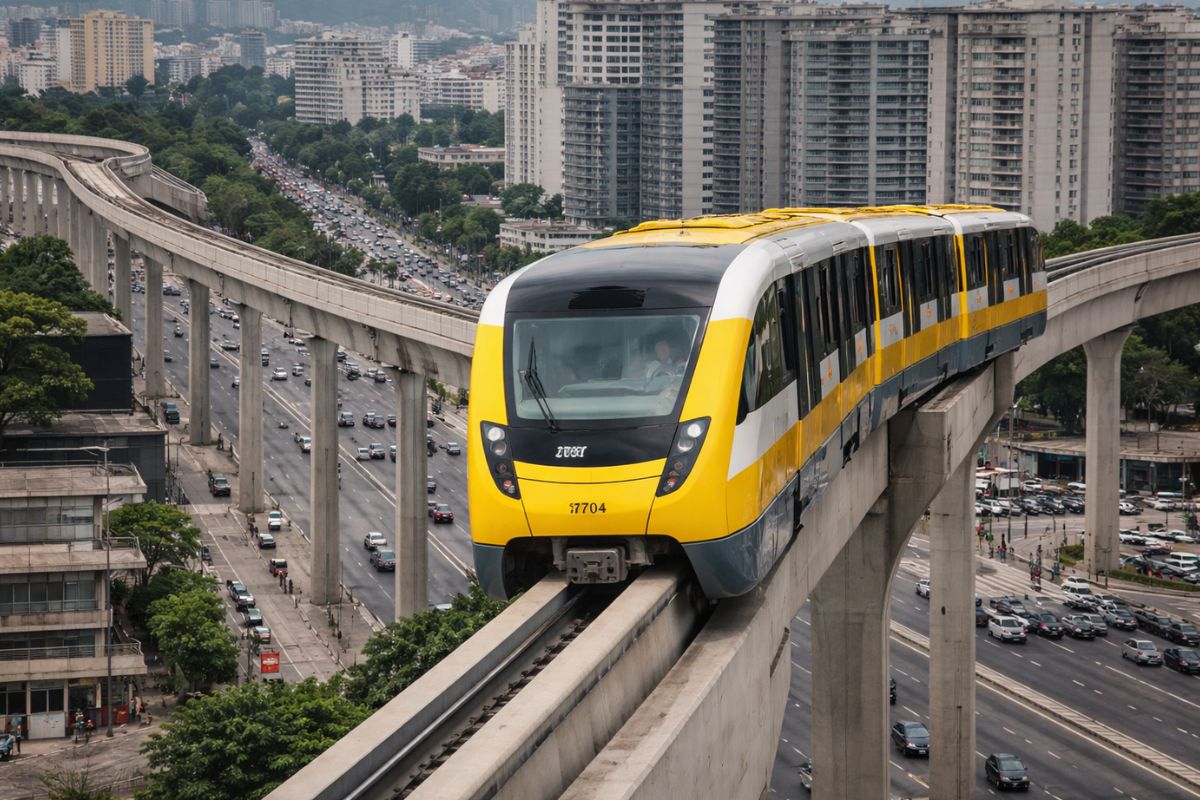
The project that was supposed to be ready for the 2014 World Cup in Brazil debuted with a 12-year delay and nearly R$ 6 billion invested: the Line 17-Gold of the São Paulo monorail opened with reduced hours and is only expected to operate fully in October.

This event opened new business opportunities and provided significant learning through interactions with clients and presentations. The chance to gain a comprehensive view of the sector highlighted the importance of networking. Collaboration among market participants is crucial for developing solutions and fostering collaborative growth.
Innovation and Technology in the Construction Industry
Much has been debated about digitalization as one of the main drivers of this mental shift. It is seen as the solution to several challenges facing the construction industry. The virtual management of projects, integrated across the stages of construction, is a means of achieving productive efficiency. Tools like Building Information Modeling (BIM), Virtual Reality, and Artificial Intelligence are no longer futuristic trends but essential pillars for business competitiveness. They directly influence planning, management, cost and deadline reduction, and the quality of constructions.
A McKinsey study showed that 72% of global companies have already adopted AI in their operations, a 53% increase compared to 2023. In Brazil, only 19% of companies in the real estate market use this technology. This data suggests considerable possibilities for the sector’s advancement in the country.
Sustainability and Environmental Impact
The discussion about sustainability has become increasingly frequent and indispensable for the development of the construction industry. Being responsible for 37% of global greenhouse gas emissions, the sector needs to incorporate sustainable practices throughout all phases of construction. This includes everything from material selection to the urban integration of projects. There is a growing demand for smarter and more resilient cities, prompting the sector to innovate in response to the challenges of urbanization and environmental impact. Conscious waste management, sustainable urban construction and mobility, and circular economy are fundamental in this context.
Challenges in Housing and Financing
The housing deficit is a pressing concern and requires collaborative actions among public agents, the private sector, and civil society. Entities such as CBIC, Abecip, and Abramat used Construsummit as a platform to discuss programs like Minha Casa Minha Vida. This program has shown positive impacts on housing availability for low-income populations. The new guidelines of the program, focusing on smaller, better-located projects integrated with urban infrastructure, aim to promote social development.
The expansion of the construction industry in Brazil depends on the creation of new financing mechanisms. Alternatives like the Residential Lease Fund (FAR) and the use of resources from FGTS Futuro are essential to enable projects, especially in popular housing. Attracting foreign capital and real estate crowdfunding are emerging as trends that can foster the sector’s development.
Tax Issues and Brazil’s Cost
The ongoing Tax Reform is a crucial factor for the construction industry. Simplifying the tax system, which is historically burdensome, is a vital step to attract investments, reduce costs, and increase competitiveness. Zeina Latif, an economic consultant, highlighted at Construsummit the challenge of the ‘Cost of Brazil’, which includes logistical, tax bureaucracies, and structural difficulties affecting the productivity of Brazilian companies.
It is expected that the reform will help mitigate these factors, promoting jobs, market formalization, and economic and social development. Attention is now turning to the need to adapt the new tax model to the specificities of the construction industry. Avoiding excessive burden is crucial to ensure the feasibility of projects and benefit society.
Futuristic Vision for the Construction Industry
The conclusion I draw from this event is that the Brazilian construction industry has a wide horizon of challenges and opportunities. The moment demands dialogue, cooperation, and a vision for the future. The ability to adapt, the pursuit of technological solutions and innovation, as well as the commitment to sustainability in all its dimensions, will be the pillars for a prosperous and socially responsible future. The unity among different stakeholders in the sector and the strategic vision will be differentiators in ensuring solid, efficient, and beneficial growth for society as a whole.
Source: Softplan Group Press





Seja o primeiro a reagir!