





 Portuguese
  English
  Spanish
  3 min of reading



A Technological Look at Product Distribution in the Country
The Brazilian retail revolution is easily noticeable through the way products are distributed and delivered to consumers. If, in the past, logistics presented itself as a barrier to the growth of commerce – especially electronic commerce – this dynamic has changed. Marketplaces, large retail chains, and even traditional stores have raised their delivery standards.
Behind this change, there is an impending need for distribution companies to adapt not only their fleets but also their management strategies for teams and customers. And the key word for this transformation is “technology.”
Adaptation and Innovation in Focus
Victor Vilas Boas Cavalcanti, commander of Infleet, a company focused on technological solutions in logistics management, highlights the importance of this reinvention. According to him, “Just as retail embraced computerization, logistics companies need to integrate technologies to make processes faster and more accurate.”
-
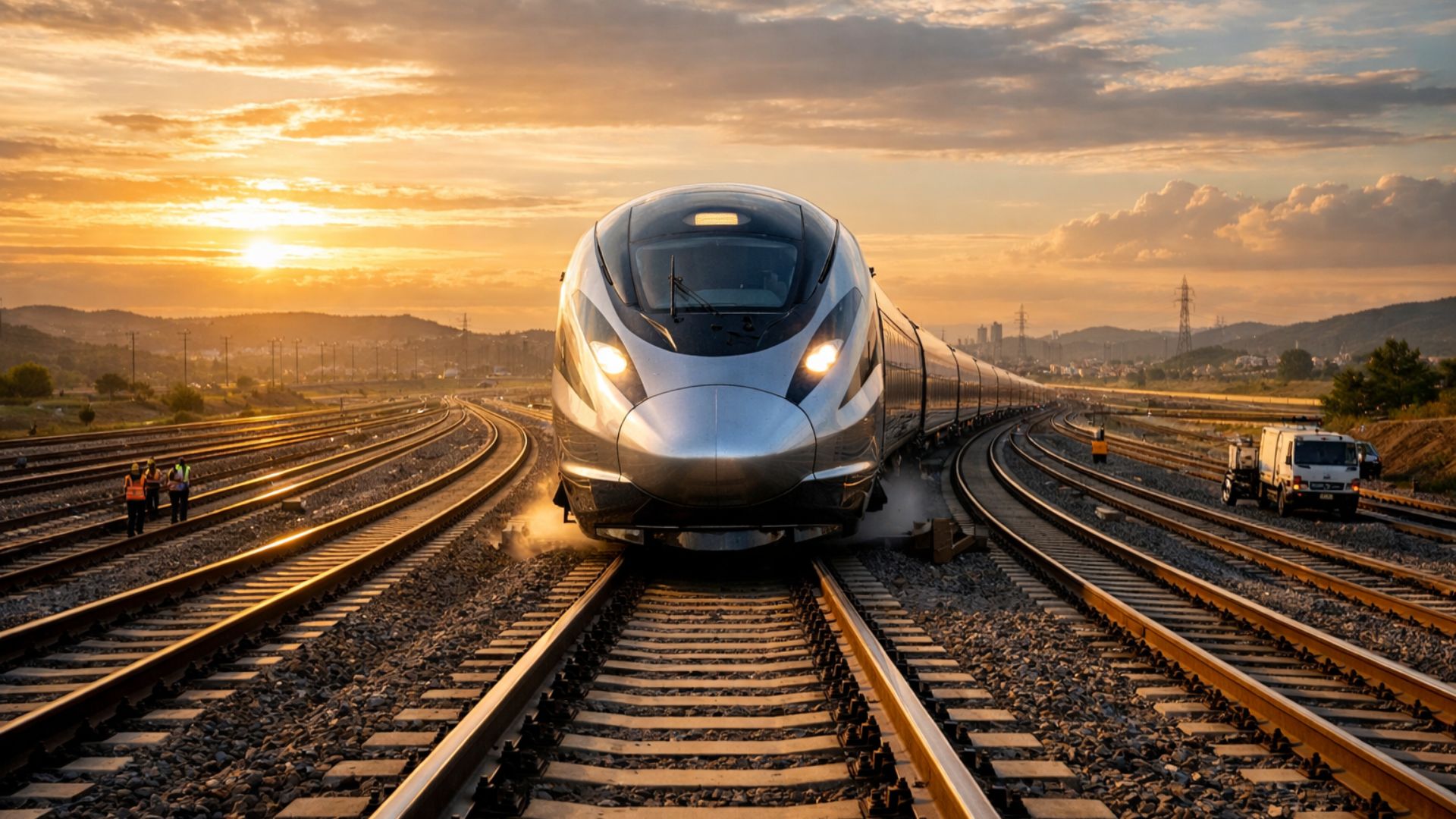
São Paulo surprises the world with a colossal railway network project that promises over 1,000 km of tracks, R$ 194 billion in investments, and 40 projects connecting the capital to the interior with fast and sustainable trains.
-
The world’s largest escalator, measuring 905 meters in China, reduces urban travel time from 1 hour to about 20 minutes and transforms mobility in mountainous regions with an engineering solution adapted to the terrain.

-
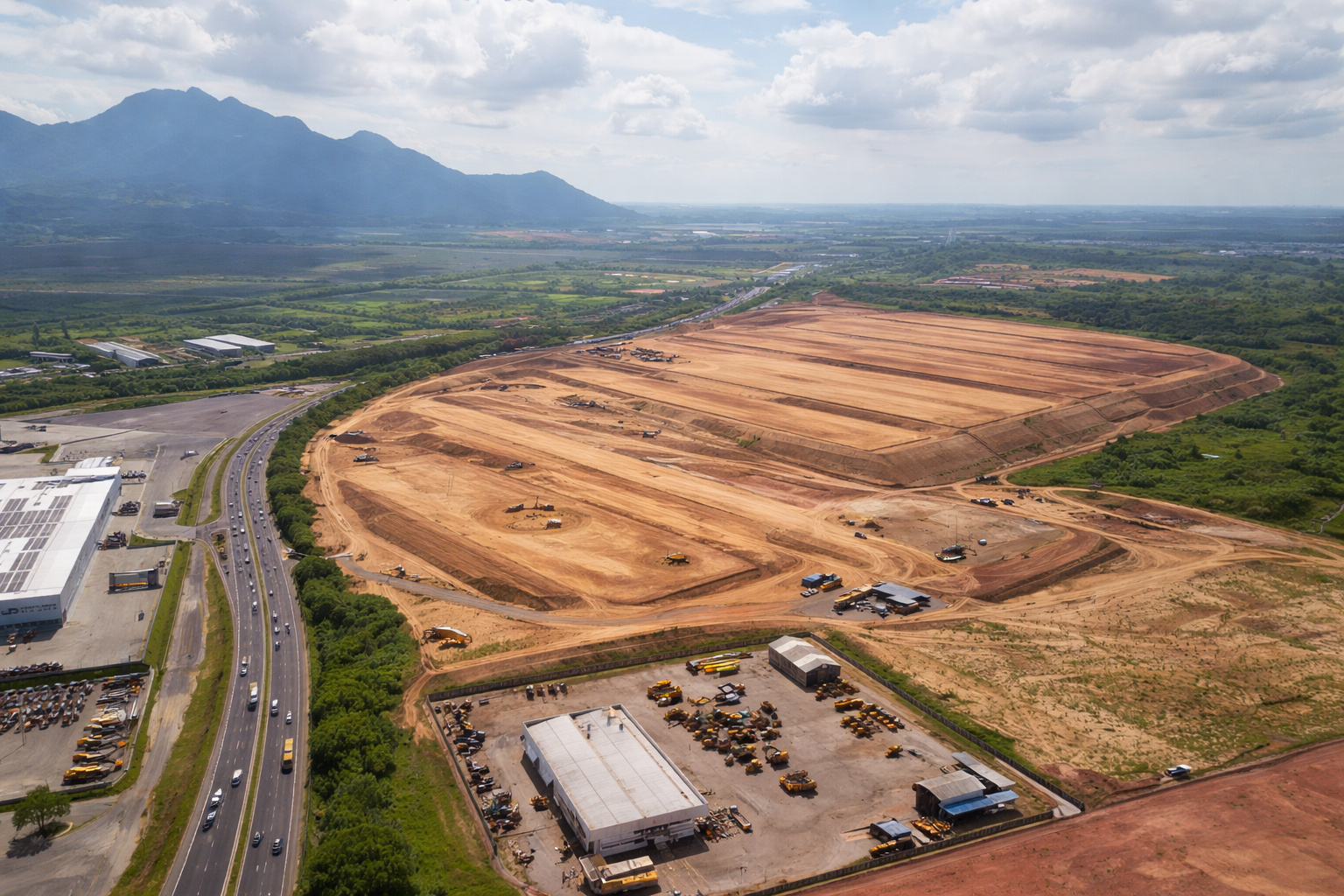
A R$ 300 million logistics giant is taking shape in Serra with over 100,000 m² and raises a question: how can this transform e-commerce and distribution in the state?
-
Could Uber Rides Lose Minimum Fare? Understand What’s Happening!


In light of this, Cavalcanti highlights some trends that are reshaping the logistics landscape.
The Power of Technology in the Logistics World
- Internet of Things (IoT) and Telemetry
The IoT allows vehicles to be interconnected, transmitting data in real-time. Smart devices now monitor everything from vehicle performance to driver behavior. Meanwhile, telemetry enhances remote management through information such as vehicle location and performance, optimizing decision-making. - Big Data and Data Analysis
It is not enough to just collect data – it is essential to interpret it. With Big Data, it is possible to discern patterns, optimize routes, and even predict mechanical failures. “A culture of economic driving can arise from the smart combination of various data, such as speed and braking,” comments Cavalcanti. - Artificial Intelligence (AI) and Machine Learning
These technologies are enhancing fleet management. Through the analysis of past and present data, patterns are identified, predictions are made, and strategies are optimized. A practical example? Efficient fuel management, which can now be optimized with AI. - Mobility as a Service (MaaS)
MaaS is the integration of various means of transportation under a single technological service. This integration brings advantages for both fleet management and contractors, ensuring more security and efficiency in logistics processes.
Cavalcanti concludes, “It is vital to understand that these trends are fluid, shaping themselves according to technological advances and the specificities of the logistics sector.”
A Continuous Evolution
As the technological landscape continues to expand, the logistics sector benefits from innovations that go beyond current trends. Adaptability is, therefore, a crucial aspect for companies that wish to stay ahead and thrive in this rapidly evolving industry.
Incorporating Sustainability
Another factor that is emerging strongly in the logistics landscape is the search for sustainable solutions. With the growing awareness of climate change and the need to reduce carbon emissions, logistics companies are being encouraged to adopt greener practices. Whether through electric vehicles or optimized routes to save fuel, sustainability is quickly becoming a priority.
The Human Factor
While technology plays a vital role, the human element remains central. Empowering teams, providing updated training, and fostering a culture of innovation are essential steps to ensure that companies not only adopt new technologies but also utilize them effectively.
Cavalcanti highlights the importance of this balance: “Technology is a powerful tool, but it is our team that brings it to life. Investing in people is as crucial as investing in new software or vehicles.”
Logistics, like many other sectors, is at a turning point. Technological innovations are redefining what is possible, but it is up to companies to embrace these changes, adapt, and continue evolving. The future of logistics in Brazil is bright, and those who adapt the fastest will be at the forefront of this revolution.
Source: Nicole, Communication Engineering










Seja o primeiro a reagir!