





 English
  Francês
  Alemão
  Italiano
  Japonês
  Norueguês
  Portuguese
  Spanish
  4 min of reading


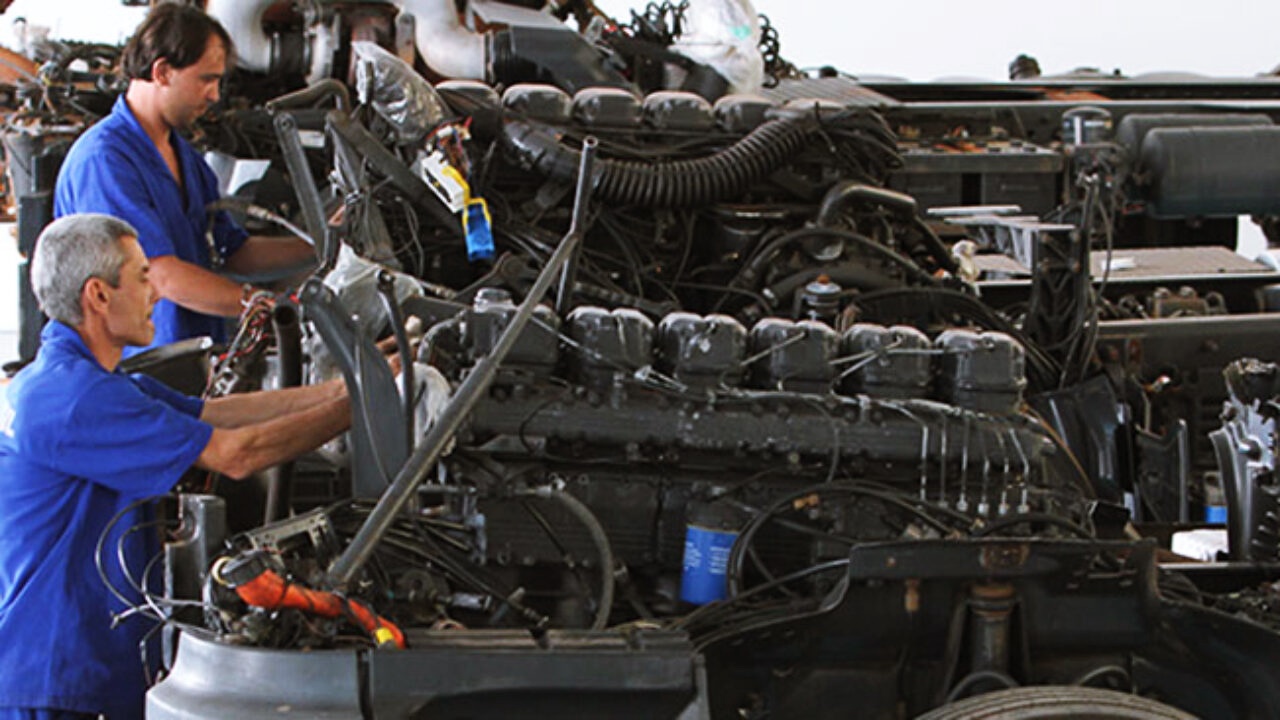
Free Online Course for Mechanics Teaches the Differences Between Otto Cycle, Gasoline and Ethanol, and Diesel Cycle. Secure Your Spot Now!
The Mobil TM brand, a leader in synthetic technology for lubricants, continues to invest in the training and professional qualification of mechanics. In partnership with the magazine O Mecânico, the brand is launching the second module of the free online course on diesel engine lubrication for mechanics throughout Brazil. The courses are taught through the Course do Mecânico platform and, in addition to providing quality content, offer a certificate to all who complete the learning paths and assessments.
Read Also
- Brazilian Institute of Oil and Gas Defends Brand Loyalty to Fuel Stations and Says Yesterday’s Approved Proposal Does Not Benefit Consumers in Terms of Price
- With a Production Capacity of About 170,000 Engines Per Year and Over 400 Employees, Toyota’s Factory in Porto Feliz (SP) Completes Five Years Overcoming Challenges to Become a Reference in Technology and Sustainability
- End of Brand Loyalty at Fuel Stations and Direct Sales of Ethanol from Mills Are Approved; Measures Promise to Stimulate Competition and Curb the Rise in Gasoline Prices
- General Motors Floods Cheap Electric Cars in China; Costing Ten Times Less, the Mini EV Shakes the American Automaker Tesla
- Gasoline, Ethanol, Diesel, and CNG Prices Continue to Rise and the Newest Fuel, Biomethane, Has Come to ‘Save’ Ride-Hailing Drivers, Taxi Drivers, and Workers
- Ford Motor, One of the Most Important Automakers in the World, Will Stop Developing and Manufacturing Gasoline and Diesel Combustion Engines for a Fully Electric Future
- Renault, Multinational Manufacturer of Kwid, Logan, Duster, and Sandero Cars, Cancels Development and Stops Manufacturing New Gasoline and Diesel Combustion Engines
Check Below for More Details About the Free Online Course on Otto Cycle, Gasoline and Ethanol, and Diesel Cycle Engines
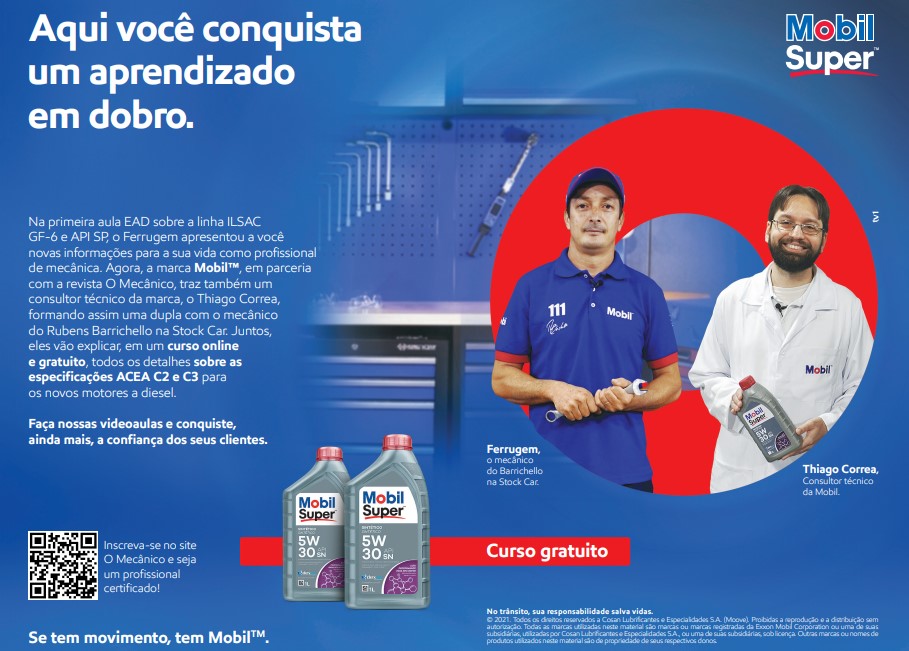
The new module will be divided into 2 stages and will present explanations on the differences between gasoline and diesel engines, as well as their functioning, benefits of each model, main standards and approvals, and products indicated for each engine. The first stage will introduce the lubricant classification bodies, the ACEA standard, and the increasing relevance of this standard in Brazil. It will also explore the ACEA C category, with emphasis on classes C2 and C3, diesel engines.
In the second phase, the differences between Otto Cycle, gasoline and ethanol, and Diesel Cycle engines will be detailed. The module will also address the importance of using the appropriate lubricant for diesel engines and the trends in engine technology, as well as the main cars with this type of engine, which have been growing significantly, especially with the proliferation of SUVs in the Brazilian market, where the vast majority have a diesel engine version available.
-
Excel dominates job openings even in the era of artificial intelligence: analysis reveals high demand and highlights 5 courses to move beyond the basics and advance in the job market.

-
Senai launches free technology courses in Amapá and creates a strategic opportunity for those seeking quick qualification, entry into the job market, and professional growth in areas with high digital demand.

-
Take a free course at the Federal University: UFPR calls 200 candidates for intensive preparation for master’s and doctoral programs.

-
Learn English and Spanish at the Federal Institute without leaving home and 100% free: IFSP calls for interested parties for EAD vacancies starting in April and selection by order of registration.


As in the first module, the content will be presented by Ferrugem, a mechanic from the Mobil™ Full Time Sports team of Rubinho Barrichello in Stock Car, and by Thiago Correa, technical consultant for the MobilTM brand through video lessons.
Registration: interested parties should register for free at this link
About the Mobil™ Lubricants Brand
Mobil™ lubricants are present in various segments of the market. Whether transporting astronauts into space, powering all industrial sectors, moving agricultural harvests, land, air, and maritime freight, or powering cars, motorcycles, and trucks. Above all, moving people. Therefore, the brand is in constant motion with its consumers, contributing to the evolution of their journeys towards new achievements. After all, where there is movement, there is Mobil™.
Volkswagen Announces Cessation of Production of Gasoline and Diesel Combustion Engines
The multinational Audi, part of the Volkswagen Group, had already announced recently that it would no longer develop any combustion engine and that the automaker’s focus would be on manufacturing electric cars. Now, the German company has embraced the idea, and the head of the brand announced the end of the development and production of this type of engine, whether gasoline or diesel.
According to Ralf Brandstätter, CEO of Volkswagen, in an interview with Automobilwoche, the German automaker will only continue to update and revise its current gasoline and diesel combustion engines to make them more efficient. The reason for this measure is that the multinational plans to invest heavily in the manufacturing and production of electric cars.
The executive did not specify how long we will still see gasoline and diesel engines in Volkswagen cars, but it is indicated that they should remain for the next 10 years.
Despite the automaker’s desire for half of its sales in Europe to be fully electric cars by 2030, there will still be gasoline and diesel combustion engine cars, such as the Golf and Tiguan, which are expected to gain another generation.
One of Volkswagen’s challenges in deploying electric cars is countries like Brazil, where there is little action and incentive for the adoption of electrified vehicles. Despite this challenge, VW aims to launch 6 models of electric or hybrid cars in Brazil by 2023. One of them will be the eighth-generation Golf, which will be released in the hybrid GTE version.








Seja o primeiro a reagir!