





 Portuguese
  English
  Spanish
  3 min of reading
  0 comments


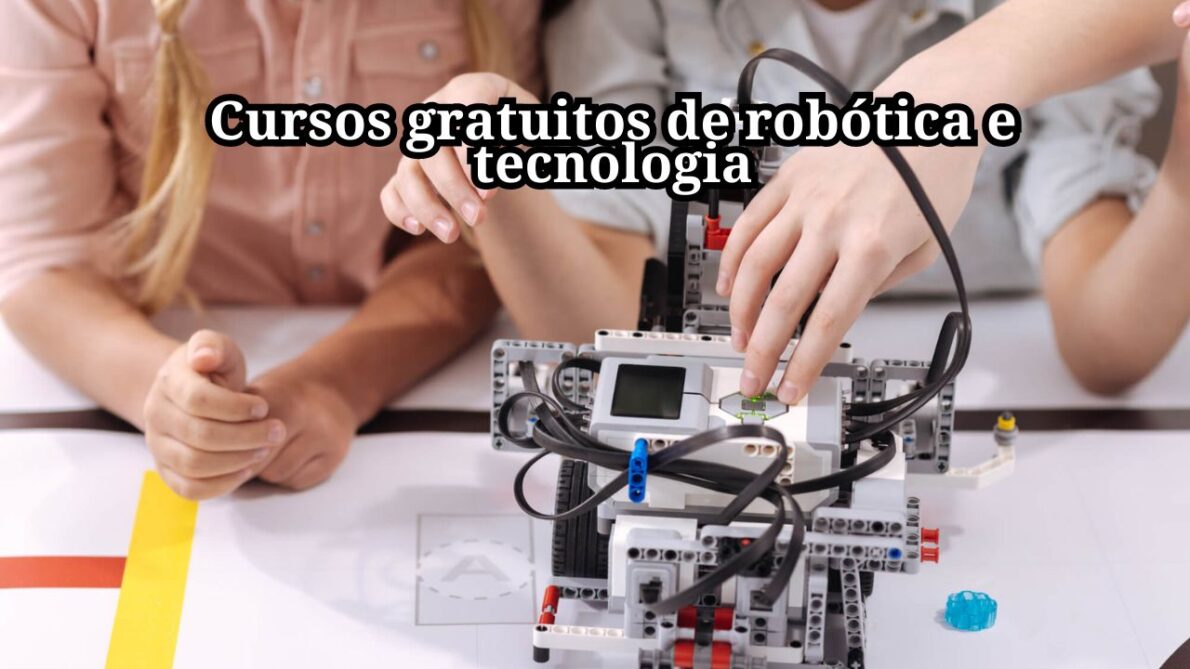
The Program Offers Free Courses for Youth Ages 8 to 20, Focused on Robotics, Programming, and Innovative Technologies, with Spots in 24 Laboratories Spread Across 21 Cities in Goiás.
The Government of Goiás has opened registrations for the free robotics courses of the Start and IF program, offering a unique opportunity for youth in 21 cities. Registrations are open until October 7, 2024, and can be made through the official program link.
The courses are aimed at children and teenagers aged 8 to 20, with half of the spots reserved for girls, encouraging female participation in the tech sector. The focus is to provide access to the world of robotics and new technologies, with hands-on classes in cutting-edge laboratories.
Technology and Inclusion for Youth
The Start and IF program aims not only to train youth in robotics but also to bring them closer to technological solutions that can improve their communities. According to José Frederico Lyra Netto, Secretary of Science, Technology, and Innovation of Goiás, “our goal is to show that the world of technology is accessible to everyone, especially for those from low-income backgrounds, creating new future perspectives.”
-
Excel dominates job openings even in the era of artificial intelligence: analysis reveals high demand and highlights 5 courses to move beyond the basics and advance in the job market.
-
Senai launches free technology courses in Amapá and creates a strategic opportunity for those seeking quick qualification, entry into the job market, and professional growth in areas with high digital demand.

-
Take a free course at the Federal University: UFPR calls 200 candidates for intensive preparation for master’s and doctoral programs.

-
Learn English and Spanish at the Federal Institute without leaving home and 100% free: IFSP calls for interested parties for EAD vacancies starting in April and selection by order of registration.


During the course, students will have access to 3D printers, drones, virtual reality glasses, as well as learning to program and develop solutions for everyday problems. The program is divided into three progressive modules:
- Introductory Module: Fundamentals of Robotics and New Technologies such as 3D Printing;
- Intermediate Module: Development of More Advanced Projects;
- Advanced Module: Creation of Technological Solutions that Meet Local Needs.
Inclusion of Girls in Technology
One of the strengths of the Start and IF program is its policy for including girls. “We want to ensure that these spaces are also occupied by them,” says Daniele Silva, Manager of Science, Technology, and Innovation Policies. The program is part of the Goianas in Science and Innovation initiative, promoting equal opportunities between boys and girls in the tech sector.
Access to Technology in 21 Cities
The courses will be offered in 24 laboratories, spread across 21 cities in Goiás, including the capital, Goiânia. Classes will take place twice a week, with a third day reserved for questions. On other days, the laboratories will be open to the community, encouraging collaborative learning.
Participating Cities:
- Alto Paraíso de Goiás
- Anápolis
- Aparecida de Goiânia
- Aruanã
- Catalão
- Cristalina
- Goiânia (with 4 laboratories)
- Itumbiara
- Jataí
- Luziânia
- Mambaí
- Mozarlândia
- Pirenópolis
- Porangatu
- Rio Verde
- Santo Antônio do Descoberto
- São Luís de Montes Belos
- São Miguel do Araguaia
- Trindade
- Uruana
- Valparaíso de Goiás
Registrations Open
To apply for the free robotics courses of the Start and IF program, simply access the official website and fill out the form by October 7, 2024. Don’t miss the chance to enter this technological universe!
About Start and IF
The Start and IF program is an innovative initiative created by the Government of Goiás, in partnership with the Federal Institute of Goiás (IFG), aimed at introducing youth to the world of robotics and advanced technologies. The acronym Start stands for “Continuing to Transform Through Robotics and Other Technologies,” and the program aims to offer free courses for children and teenagers aged 8 to 20. With modern laboratories spread across 21 cities, the project aims to teach everything from basic concepts of robotics to the development of practical technological solutions, focusing on social inclusion and equal opportunities, especially by reserving 50% of spots for girls.






Seja o primeiro a reagir!