





 Portuguese
  English
  Spanish
  6 min of reading
  0 comments


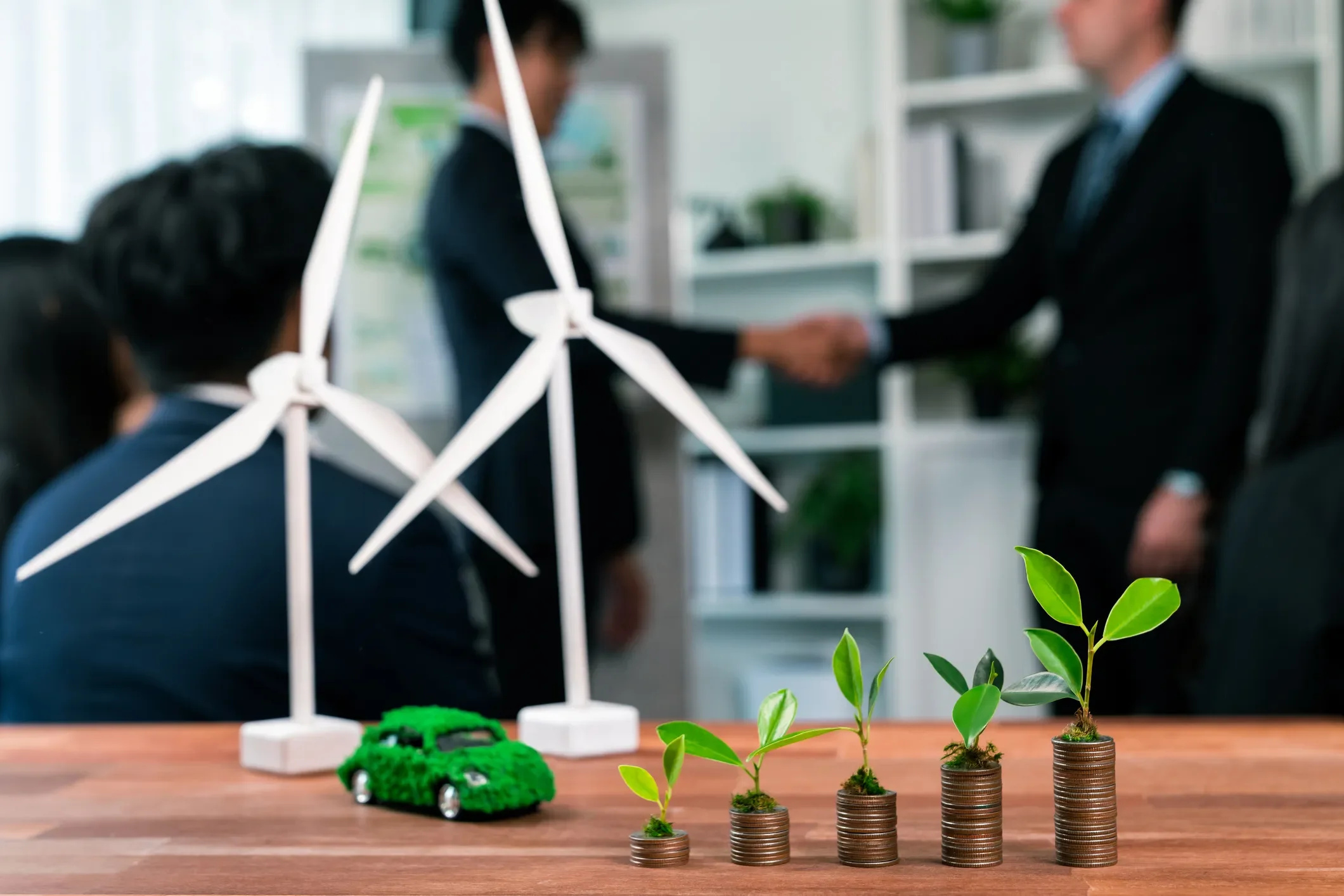
The current instability in oil prices forces economic powers to review their energy matrices and accelerates the global race for electric transition on all continents.
The uncertainty in the global fossil fuel market triggers an unprecedented global race for electric transition in modern history. Governments and large corporations abandon their historical dependence on oil to invest in clean energy sources, seeking energy security and financial autonomy.
The high volatility of crude oil prices thus raises logistics costs and pressures global inflation, making renewable sources like solar and wind much more competitive and predictable options.
This structural change focuses not only on environmental preservation but also addresses an urgent need for economic survival in the face of geopolitical crises affecting major oil and gas producers.
-
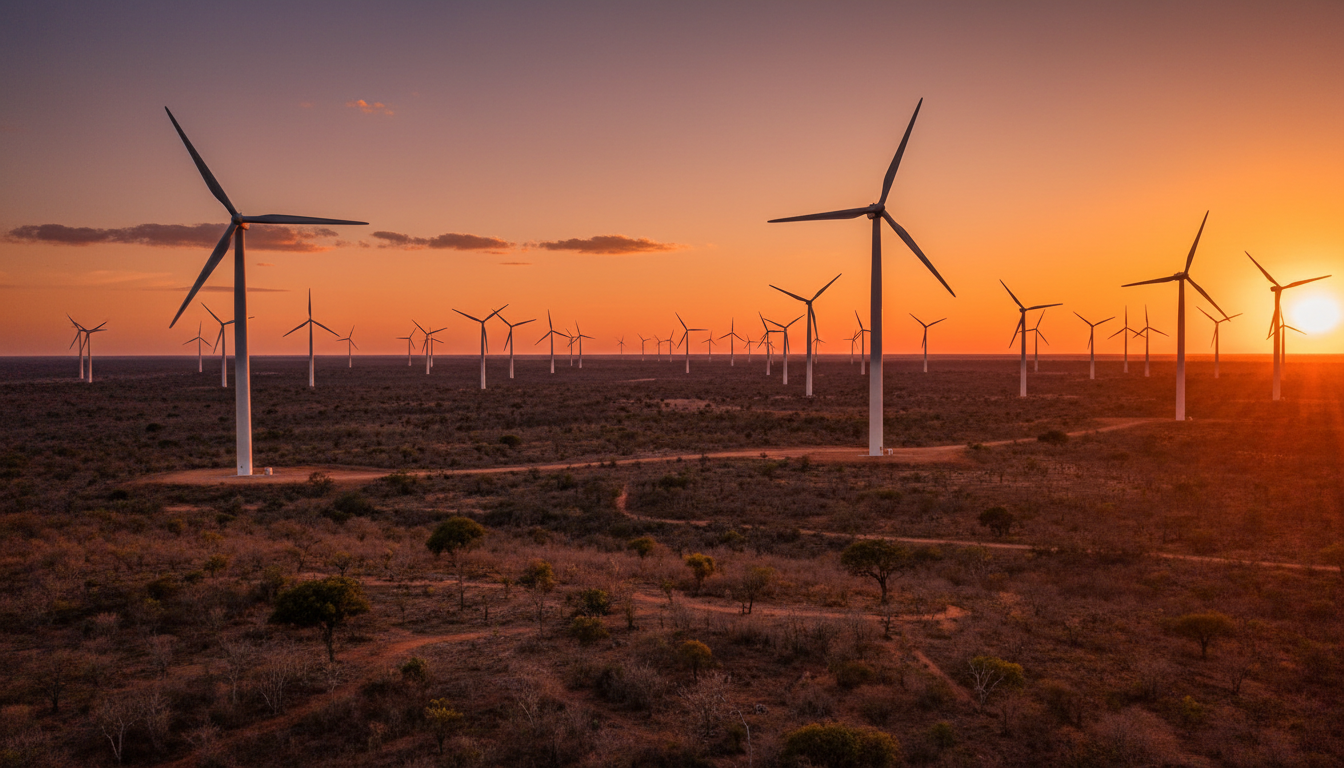
The Brazilian Northeast is receiving the largest wave of investments in clean energy ever seen in the country, with R$ 200 billion in wind and solar, 9,000 km of transmission lines, and a promise that could change the economy of 60 million people.
-
Chinese company creates solar cell that breaks the physical limit of silicon with 34.85% efficiency and promises to revolutionize electricity bills with panels that generate 20% more energy starting in 2026.

-
How green infrastructure and renewable energy at the World Cup transform the logistics of the largest sporting event on the planet in North America.

-
The Cagece and UFC project advances in sustainable innovation with biogas by converting waste into renewable energy, reducing environmental impacts, and increasing sanitation efficiency with concrete and measurable results.
Countries in Europe, Asia, and the Americas are allocating trillions of dollars for the electrification of the vehicle fleet, modernization of industrial parks, and construction of giant storage batteries.
The energy sector is undergoing a radical transformation where technology replaces deep well exploration, permanently altering the balance of global economic power.
The impact of oil prices on the domestic economy
The rise in oil prices directly affects the pockets of Brazilian consumers and those in other countries. When the price of oil rises in the international market, refineries pass this cost on to the fuel pump. This cascading effect increases freight costs, raises food prices in supermarkets, and reduces the purchasing power of families.
In the face of this vicious cycle, the global race for electric transition emerges as the only viable solution. By replacing the combustion engine with an electric motor, citizens eliminate dependence on currency fluctuations and the whims of stock markets.
Electricity, produced locally through solar or wind, offers a price stability that oil will never be able to guarantee.
The revolution of electric cars and charging infrastructure
The automotive industry is at the forefront of this transformation. Traditional automakers are investing billions to convert their assembly lines. The goal focuses on mass production of vehicles that do not require gasoline or diesel. However, electrification demands more than just modern cars; it requires an efficient charging network.
- Installation of charging stations on major highways.
- Creation of fast charging points in urban centers.
- Integration of solar panels in public parking lots.
Smart cities are adapting their laws to require chargers in new condominiums and shopping centers. This infrastructure ensures that drivers have the confidence to undertake long trips, breaking the barrier of fear regarding battery autonomy.

Why has oil become a strategic risk?
Relying on a single source of energy controlled by a few countries poses a danger to national sovereignty. Conflicts in oil-producing regions disrupt supply and cause global economic shocks. Therefore, the global race for electric transition takes on the contours of national defense.
Countries that dominate battery technology and renewable generation become less vulnerable to external pressures.
The focus shifts from owning oil reserves to owning critical minerals like lithium, cobalt, and nickel. These elements thus form the “new oil” and ensure the manufacturing of the energy cells that power the modern world.
The role of green hydrogen in heavy industry
Not everything can be powered solely by common batteries. Gigantic ships, airplanes, and steel industries require a higher energy density. This is where green hydrogen comes into play. Produced through the electrolysis of water using solar or wind energy, green hydrogen emits no carbon.
Brazil has enormous potential in this area. The Brazilian Northeast, with its constant winds, attracts international investors looking to produce the fuel of the future.
This hydrogen can be exported to Europe, replacing natural gas in complex industrial processes and consolidating Brazil’s position in global climate leadership.
The decrease in renewable technology costs
A practical fact drives the change: producing solar energy now costs less than burning coal or natural gas in many regions. The scale of photovoltaic panel production has reduced prices by over 80% in the last decade. This phenomenon makes the electric transition a purely financial decision for many companies.
Factories that install their own solar plants reduce operational costs and increase profit margins. In agriculture, the use of electric tractors and irrigation systems powered by clean sources transforms the farm into a self-sufficient unit.

The market rewards efficiency, and renewable energy delivers the best cost-benefit ratio today.
Real impact on the job market: New green jobs
The global race for electric transition closes doors in old sectors but opens opportunities in innovative areas. The world needs thousands of new technicians to install solar panels, maintain wind turbines, and manage smart electrical grids.
- Engineers specialized in storage systems.
- Technicians for electric vehicle maintenance.
- Software developers for managing decentralized networks.
Universities and technical training centers are adapting their curricula to meet this demand. Professionals seeking stability in the future need to qualify to handle low-carbon emission technologies, as this is the fastest-growing sector in the global economy.
Logistical challenges and sustainable mining
The transition does not happen without obstacles. The production of millions of batteries requires intensive mining activity. The challenge lies in extracting these minerals ethically and sustainably, avoiding environmental damage and human rights violations in mining countries.
Technology companies are investing in battery recycling to create a circular economy. Reusing components reduces the need for new mines and lowers manufacturing costs.
The industry is seeking alternatives such as solid-state or sodium batteries, which use more abundant and environmentally safe materials.
The role of governments and incentive policies
No change of this magnitude occurs without state support. Countries that offer subsidies for the purchase of electric cars and tax exemptions for renewable plants are ahead. China and the European Union, for example, lead this movement with strict emission laws that force the retirement of polluting engines.
In Brazil, the advancement of distributed generation has allowed thousands of consumers to produce their own energy. Carbon market incentive policies also help make previously expensive projects viable.
Clear regulation provides security for banks to finance the construction of large wind and solar parks, accelerating the march towards decarbonization.

The geopolitics of energy in the new century
The global race for electric transition redraws the map of global power. Regions that were once energy importers can now become exporters of technology and renewable resources.
The sun and wind are democratic and are present almost everywhere on the planet, unlike oil deposits concentrated in a few hands.
This thus reduces the likelihood of wars over natural resources and promotes international technological cooperation. The exchange of high-efficiency battery patents and the creation of intercontinental electrical grids strengthen ties between countries.
Energy security now depends on the capacity for innovation rather than military strength to protect oil tanker routes.
The future is electric and the path is irreversible
The oil crisis has merely anticipated what was already inevitable. The global race for electric transition thus represents the logical progress of a civilization seeking efficiency, economy, and respect for the environment. Technology has surpassed the brute force of burning fossil fuels, delivering cleaner, cheaper, and safer solutions.
Those who ignore this transformation risk falling behind in an increasingly competitive and demanding market. The future of energy belongs to those who master light and wind, transforming infinite natural resources into social and economic progress.
The transition is not just an environmentalist desire but the foundation for the prosperity of future generations, ensuring that energy continues to power the world without destroying the place where we live.





Seja o primeiro a reagir!