





 Portuguese
  English
  Spanish
 2 min of reading


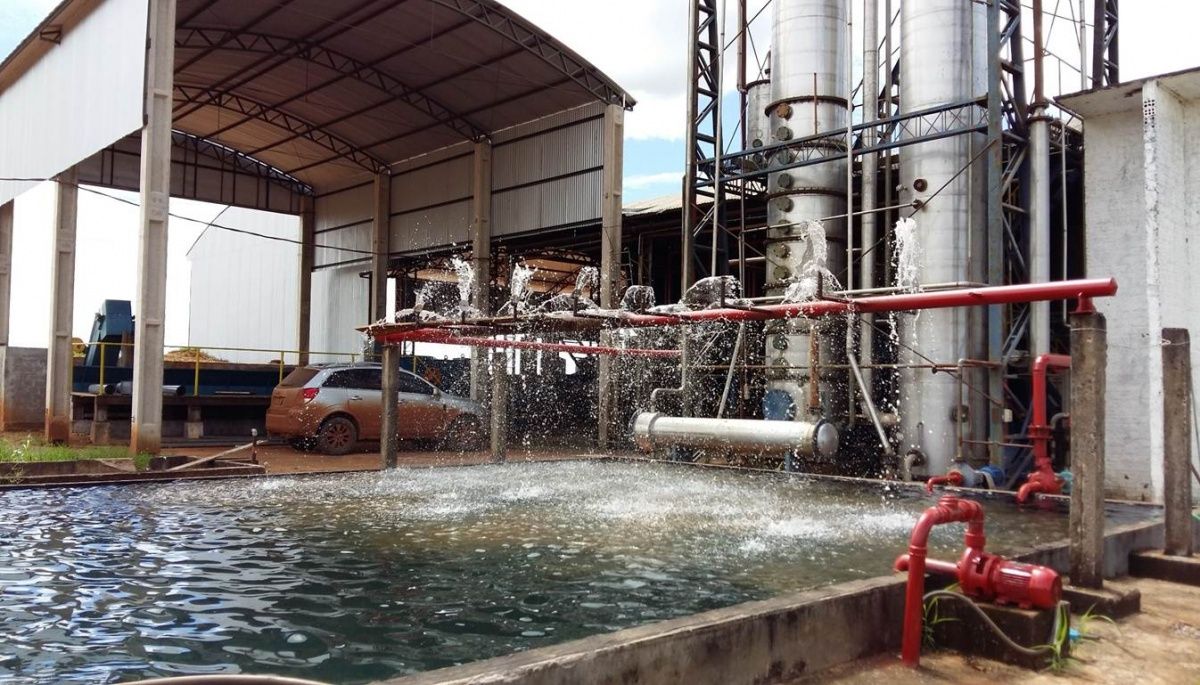
The First Ethanol Plant in Rio Grande do Sul Using Sweet Potatoes as Raw Material Has Received Approval from Fepam to Move Forward, Check It Out!
The State Environmental Protection Foundation (Fepam) issued the Unified Preliminary and Installation License for the first ethanol plant in Rio Grande do Sul. What sets this project apart is that it will use sweet potatoes as raw material, while others are based on sugarcane.
Read Also
- Ethanol Demand Increases and More Than 20 Plants Are Expanding Their Production Capacity
- Brazil Reduces Biodiesel Blend in Diesel Due to Shortage and Affects the Soy Sector
- New Offshore and Onshore Positions Just Opened at CSE / Aker Solutions in Many Roles
The Ethanol Production Plant Will Be Installed in an Area of Three Hectares
Furthermore, entrepreneur Henrique Sudbrack Leonhardt, leading the project, proposed a visit to a plant in Mato Grosso. According to him, Rio Grande do Sul has great potential to produce ethanol from sweet potatoes as it is one of the largest producers in the country. Leonhardt projects that more than 400 families from family farming will benefit from the project.
About 50 people are expected to be employed when the plant is operational. According to Leonhardt, there will be a 100% utilization of the sweet potatoes. The alcohol will be used at family-owned gas stations, and the meal will be sold to the feed industry.
-
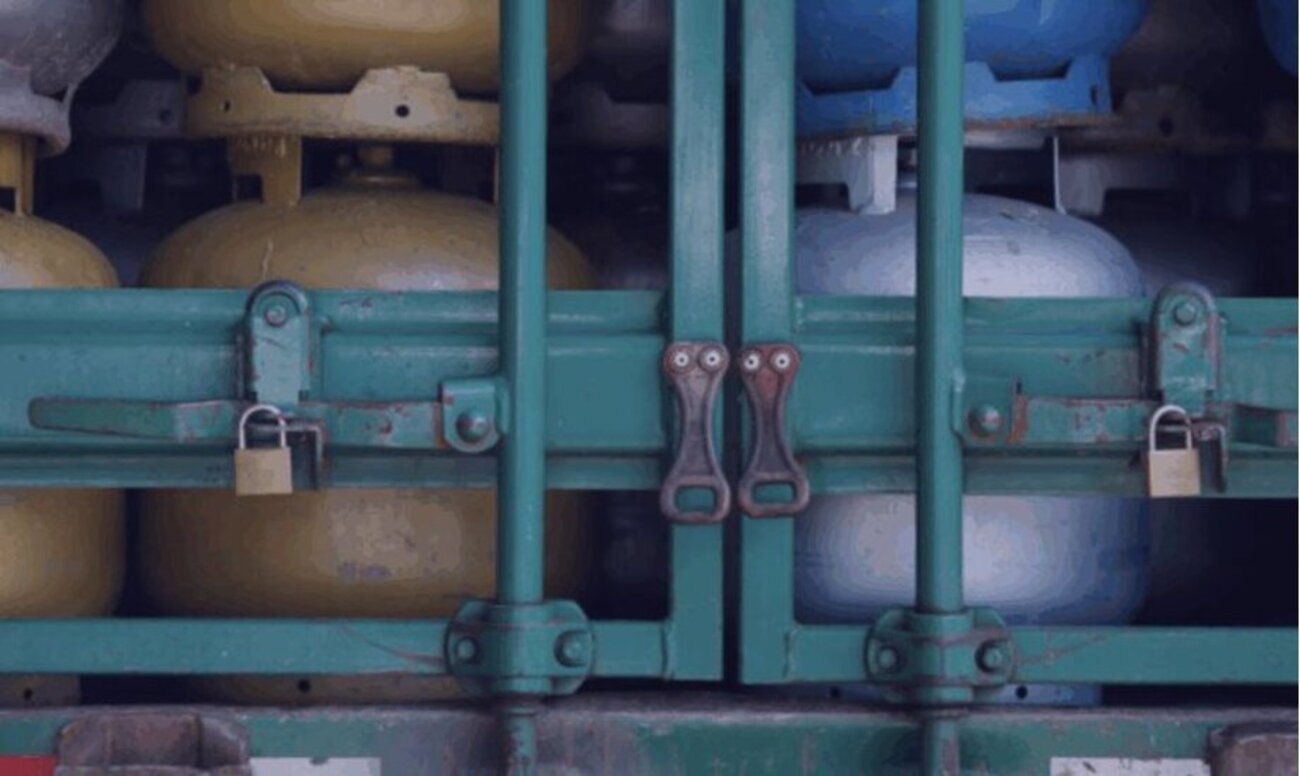
Petrobras evaluates suspension of sales to distributors and considers canceling the cooking gas auction following guidelines from the Federal Government.
-
Lula reveals a masterstroke by Petrobras to undo a deal made by Bolsonaro, which involves the return of an important refinery that currently produces less than half of what was expected and makes Brazil dependent on international diesel.
-
A study confirms that the natural gas sector will reduce greenhouse gas emissions in Brazil by 0.5% and accelerate the energy transition by 2026.

-
Petrobras implements a severe adjustment and confirms a 55% increase in the price of aviation kerosene with a proposal for installment payments for the companies.

For Fepam President Marjorie Kauffmann, “projects like this are of extreme importance, especially in an agricultural state like Rio Grande do Sul, because they allow raw material variation and help maintain economic sustainability.”
With the License, the Entrepreneur Is Authorized to Install the Plant, Which Will Be Built on an Area of Three Hectares in the Municipality of Carazinho
A 4.0 Plant, as would be the case with the new ethanol plant authorized by Fepam, can achieve significant reductions in maintenance costs by up to 40% and energy consumption by up to 20%, while also increasing operational efficiency by up to 25%. This concept is already present in plants and has made a difference in performance, especially industrially, of the facilities.










Seja o primeiro a reagir!