





 Portuguese
  English
  Spanish
  4 min of reading
  0 comments



With Price Drop And Facilitated Financing, Solar Systems Can Be Paid With Their Own Generated Savings, Offering Annual Returns Of Up To 46%
The price of solar panels dropped by 60% between 2022 and 2025 in Brazil. With this reduction, solar energy has become accessible to millions of families. The technology already powers more than 4.6 million properties in the country, including homes, businesses, industries, rural areas, and public buildings.
According to the Brazilian Association of Photovoltaic Solar Energy (ABSOLAR), this expansion is a direct reflection of the fall in costs for the end consumer. The Meu Financiamento Solar platform indicates that the price drop has made the investment return one of the best in the market.
Savings And Quick Return
The average time to recover the invested value in a solar energy system is approximately three years. This calculation considers the amount paid monthly on the electricity bill and the savings provided by the solar panels. Depending on the region and the size of the system, the return can vary between 35% and 45% per year.
-
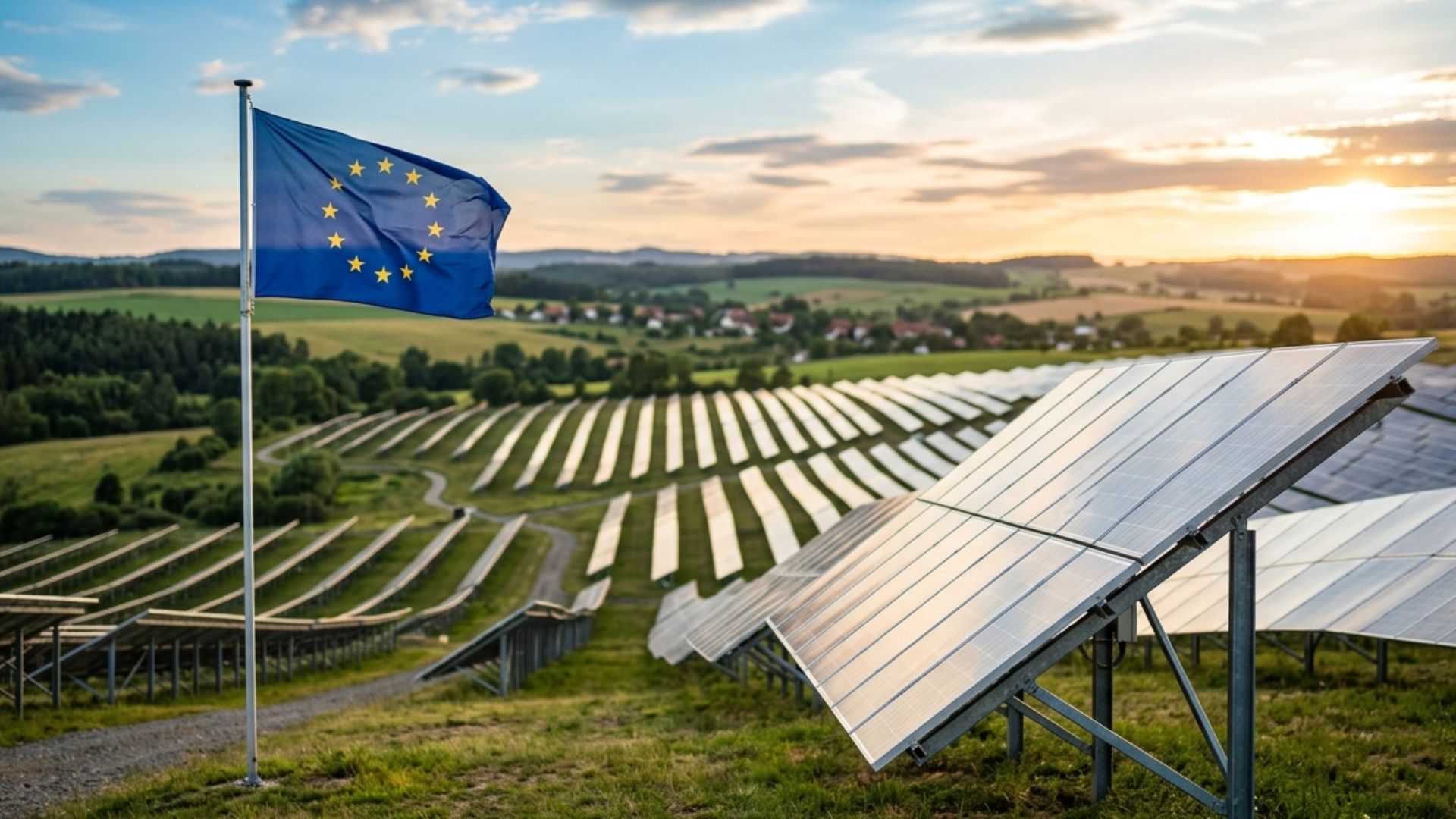
Europe records strong euro economy with solar energy in March and sparks curiosity about which country leads growth that redefines the energy market and reduces costs.
-
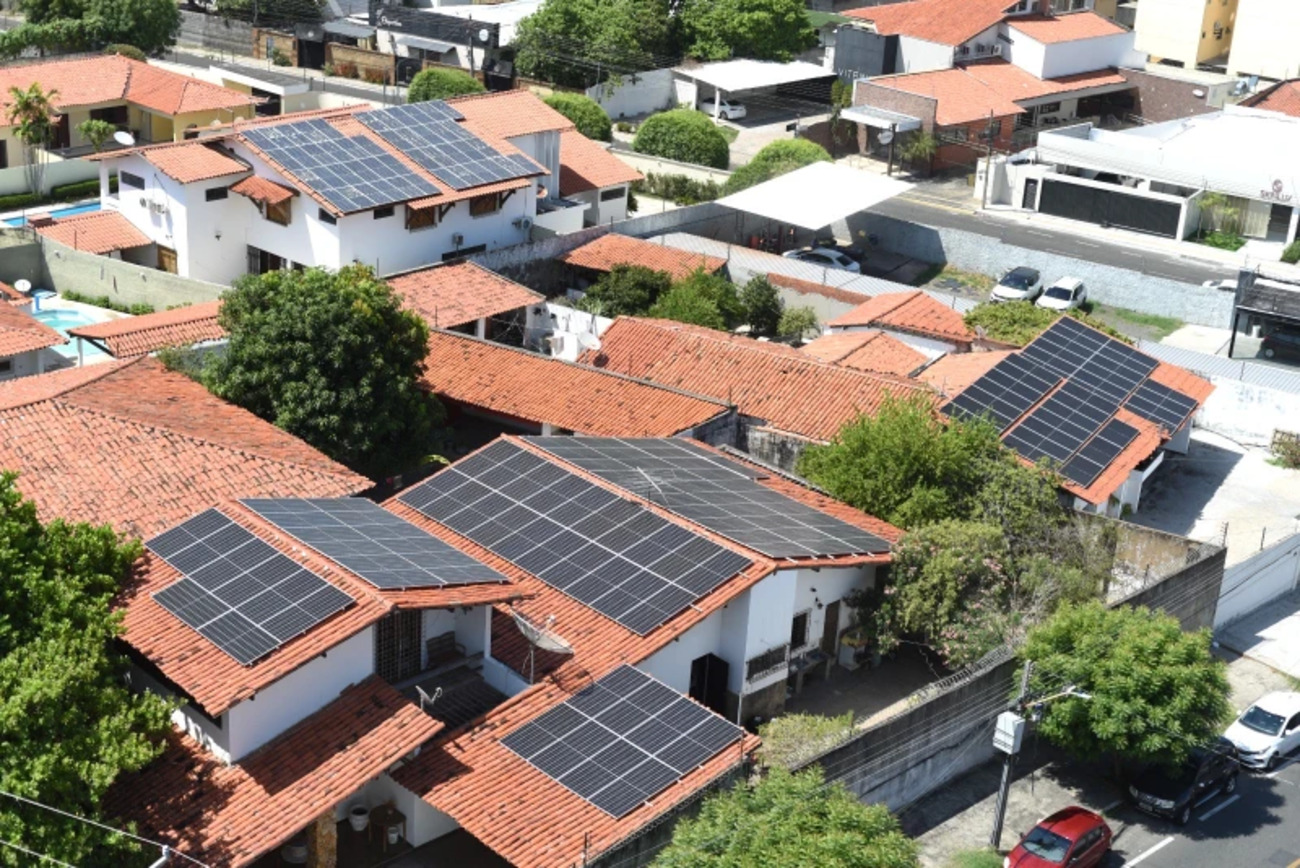
Piauí reaches a historic milestone in energy transition: State records nearly 160,000 households powered by solar energy and leads growth in the Northeast.
-
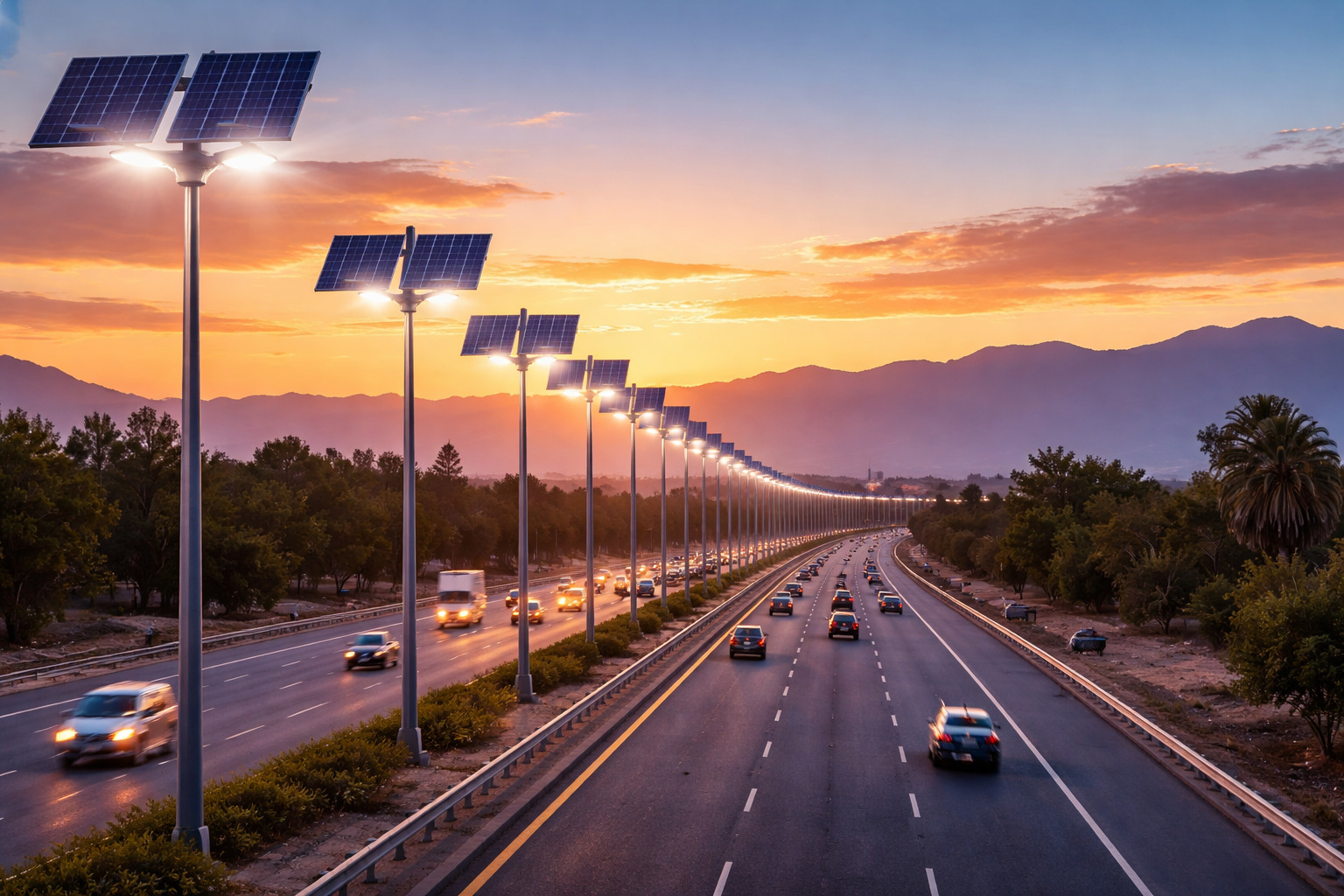
Argentina debuts its first 100% solar-powered highway and transforms an entire road into a showcase of clean energy.
-
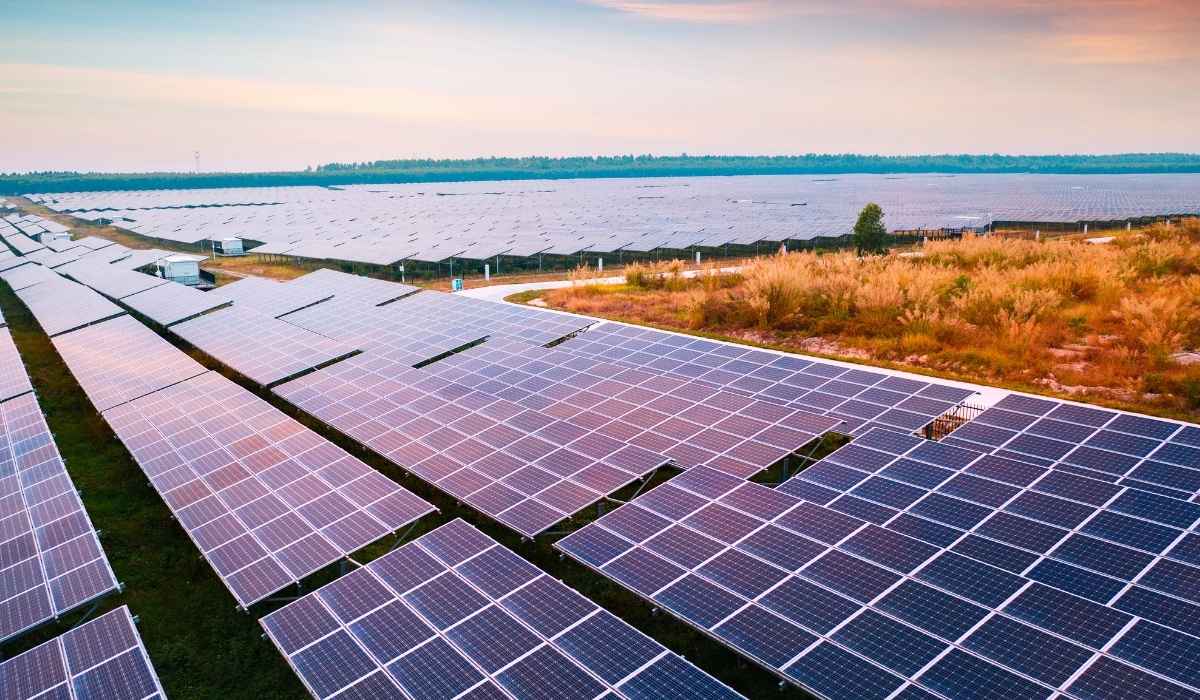
Minas Gerais reaches a historic record and surpasses the power of Itaipu, but network costs generate debate: Understand why solar energy in MG impacts the electricity bill of those without panels.

For example, in a residence in the Southeast with an average consumption of 347 kWh per month, a 3.3 kWp system is sufficient to meet this demand. In the Northeast, where there is more solar incidence, the system can be even smaller to meet the same need.
Simulations Show Advantages
The survey from Meu Financiamento Solar included simulations with different system sizes. A residential system of 5 kWp, with an average price of R$ 12,906, generates savings of R$ 400 per month, which represents R$ 4,800 per year. This gives an annual return rate of 37%.
For larger systems, such as a residential one of 12.2 kWp, it can save R$ 1,000 per month, with an annual return of 46%. In commercial environments, the gains are even more significant.
A 50.5 kWp system costs around R$ 122,900 and generates savings of R$ 4,000 per month, or R$ 48,000 per year, with a return of 39%.
Financing Eases Access
The same platform shows that it is possible to finance the purchase of these systems with installments lower than or equal to the savings on the electricity bill.
In a residential example, the 5 kWp system costs R$ 12,906. With financing in 84 installments, the monthly payment is R$ 388, while the monthly savings amount to R$ 400.
Even in larger systems, such as the 10 kWp one, the installment of R$ 661 in 84 times is still offset by the savings of R$ 800 per month. In commercial systems, the benefits follow the same pattern, with savings exceeding the value of the installments.
Investments Drive Mergers
In 2024, the Brazilian solar sector recorded a 76% increase in mergers and acquisitions. There were 51 operations in the year, involving both large plants and smaller projects. The total negotiated in capacity reached 3.6 gigawatts-peak (GWp).
According to the consultancy Greener, 35 of these operations involved solar power plants that changed ownership. This number is nearly three times greater than the 12 recorded the previous year.
Brasol led the acquisitions in the so-called Distributed Generation plants, while Atlas Renewable Energy purchased 11 plants from Shell in the Centralized Generation model, totaling 600 MWp.
Two Models, One Common Destination
Solar energy in Brazil is divided between Distributed Generation (GD) and Centralized Generation (GC). GD includes small systems, such as residential and commercial, with up to 3 MW. GC encompasses larger plants, which participate in energy auctions or operate in the Free Market.
Currently, two-thirds of solar production in Brazil comes from GD. In this model, the consumer produces their own energy and uses credits when generating more than they consume. In GC, energy is sold directly to distributors or large consumers.
Technology Spread Across The Country
Today, Brazil has about 35 GW of installed capacity on rooftops and small plots. The accumulated investments in the sector sum R$ 164.1 billion. The technology is present in all states and in 5,563 municipalities.
The advancement is driven by the combination of falling prices, ease of financing, and increased awareness of the benefits of clean energy. This transforms the landscape of the national energy matrix.
Path To The Future
According to Mateus Pinheiro, an analyst at Greener, the future of solar energy in Brazil will be increasingly decentralized. He believes the trend will be growth in the number of “prosumers,” who produce and consume their own energy.
The next step, according to him, will be storage. With the use of batteries, consumers will be able to store the excess energy generated during the day for use at night. This will give families even more independence.
Pinheiro also points out that the arrival of electric cars may accelerate the adoption of residential solar energy. “The residential consumer, upon becoming aware of the energy transition, decarbonization, and how tariffs work, will seek to protect themselves from tariff flags, which should boost GD,” he said.
Currently, about 22% of all energy generated in Brazil already comes from the solar matrix. With falling prices, technological advances, and greater participation from consumers, the country is moving towards an energy transformation based on clean and decentralized sources.
With information from Istoé Dinheiro.








Seja o primeiro a reagir!