





 Portuguese
  English
  Spanish
  4 min of reading



The Integration of Logistic Infrastructure Ensures the Supply of Natural Gas in the Market. The Sector is Also Studying Adapting the Gas Pipeline for Hydrogen Transportation Aiming at Future Development
The gas supply chain in South America, through the integration of logistic infrastructure, will be an important ally in stimulating the expansion of the pipeline network in the region.
The relevance of energy assets such as gas production in Vaca Muerta (Argentina), with significant growth, the expansion of the pre-salt, and the maintenance of Bolivian gas imports are seen as a great opportunity for developing projects to interconnect these markets.
According to the Executive Director of Natural Gas, Ms. Sylvie D’Apote, during a session held on Wednesday, November 10, 2021, on the second day of Rio Pipeline 2021, in addition to several liquefied natural gas terminals in the country, there is a connection with systems from various supply sources from different basins, such as imported gas from Bolivia and Argentina.
-
Brazilian giant expands borders in the Southeast: Petrobras confirms new oil discovery in ultra-deep waters in the pre-salt of the Campos Basin.

-
Alert in the global energy market: Severe tropical cyclone hits the coast and disrupts gas production at major plants in Australia, threatening global supply.

-
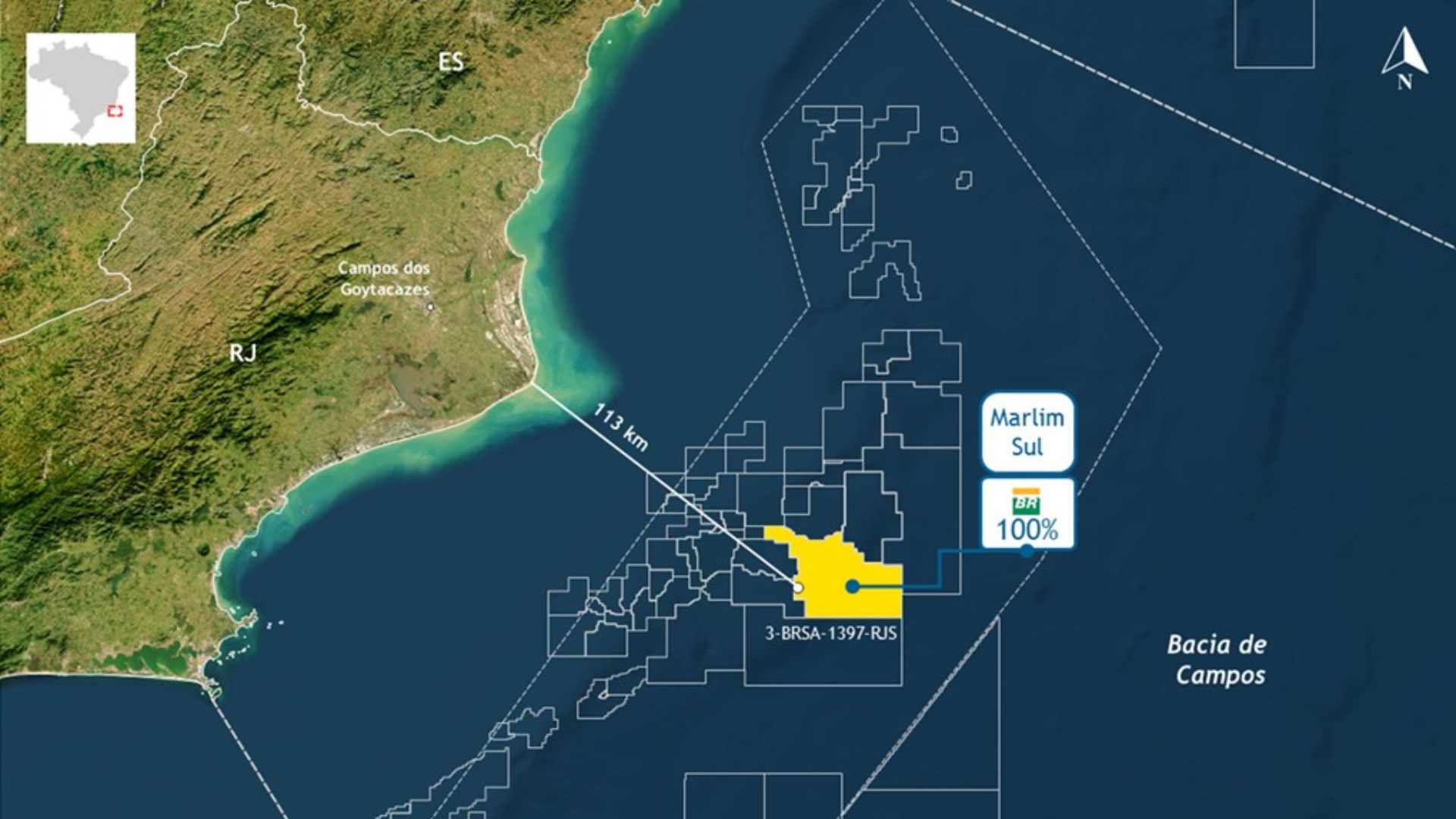
Petrobras finds high-quality oil in the pre-salt at 113 km from RJ and reignites expectations about strategic reserves in the Campos Basin.

-
Ocyan opens registrations for startups focused on innovation in the oil and gas sector and will select projects for Innovation Day with the support of Nexio.


Read Also
Moreover, the Senior Business Development Manager at Tecpetrol, Mr. Carlos Rabuffetti, emphasized that by 2024 there will be an increase in gas supply from Argentina of about 32 million m3/day. With flexible supply to Brazil, this will promote the stimulation of this integration.
The Commercial Director of TBG, Jorge Roberto Abrahao Hijjar, strongly bets on the integration of systems to ensure gas supply to the market. He states that an integrated system will provide flexibility from a commercial and logistical standpoint, as supply security is not present in isolated systems.
Gabriela Aguilar, Vice President of South America at Excelerate Energy, highlighted the role of LNG in the sustainability of the market both from an environmental perspective and supply assurance. “LNG is a form of energy that emits less compared to fuels like diesel. It is 35% less polluting than other fuels.”
Energy Transition and Hydrogen Market Development
The topic of the energy transition was also discussed with a longer-term view, focusing on the development of the hydrogen market. In its pure form or mixed with natural gas, hydrogen transportation in pipelines still involves many issues in the international pipeline market.
There is no doubt that the demand for hydrogen will grow due to the energy transition environment and the need for a new fuel to meet heavy industry needs, as discussed in the session “Hydrogen Pipeline Transportation” during the plenary.
According to Mr. Philippe Darcis, Senior Technology Director for Pipelines at Tenaris, hydrogen will become part of our daily lives, as the forecast is that hydrogen demand will double every decade. The executive also added that the demand will mainly come from the industry’s need to adapt to the energy transition.
According to Aurelie Carayol, Director of the Hydrogen Project at GRTgaz, the French pipeline operator, the company is studying the introduction of hydrogen in its gas pipelines and assessing the impacts of this change.
GRTgaz leads a working group researching the topic and planning actions. One of the projects being studied is the creation of a Hydrogen Valley in the region of Germany, France, and Luxembourg, where many industries are concentrated. The Director of the Hydrogen Project at GRTgaz also states that in this region, by 2030, there will be significant growth in hydrogen transportation.
According to GRTgaz executives, regulatory changes will be necessary in several countries to adapt pipelines for hydrogen transportation, as well as an assessment of safety issues.
Rio Pipeline, considered one of the most important events in the pipeline segment in the world, will take place this year virtually, and will feature the participation of over 1,500 expert congress participants from 27 countries.
The event is sponsored by Petrobras, NTS, Rosen, TAG, TBG, ATGÁS, AMPP, Compass, Herrenknecht, Tenaris, Wood, and Elastomeros, and has the participation of the Federal Government. You can find more information about Rio Pipeline at this LINK.








Seja o primeiro a reagir!