






 Portuguese
  Spanish


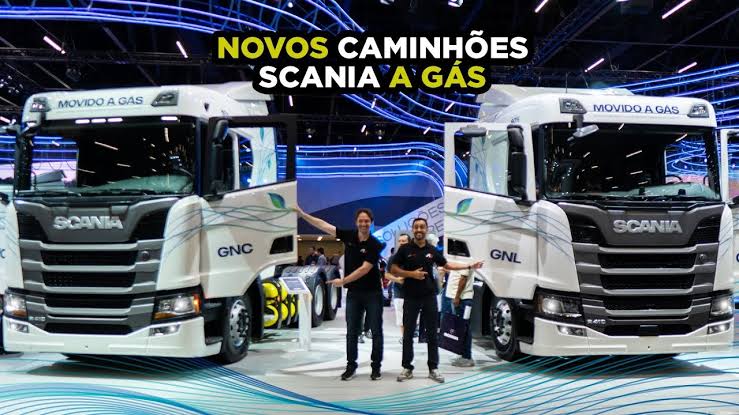

Investment of R$ 2.6 Billion in Project That Started in 2016, Scania Begins Production of Trucks Powered by Alternative Fuels, CNG
In São Bernardo do Campo, in the ABC Paulista region of the state of São Paulo, Scania started last week the production of trucks powered by CNG (compressed natural gas), biomethane (obtained from organic waste), and LNG (liquefied natural gas). Linked to the EJA shipyard and Sete Brasil, former Sembcorp Marine employee accused of money laundering and corruption in drilling contract
Check Out Other News:
- Project Opens Free Training Positions for Women in Construction
- Gasoline and Diesel Prices Drop at Stations After Petrobras Cuts Prices at Refineries Under Threat of Coronavirus
- Event in Vitória Will Have Registration for Job Openings in Construction
Brazil, behind only a few European countries, is the only one producing vehicles of this type, and will soon begin exporting the vehicles, starting with Argentina.
-
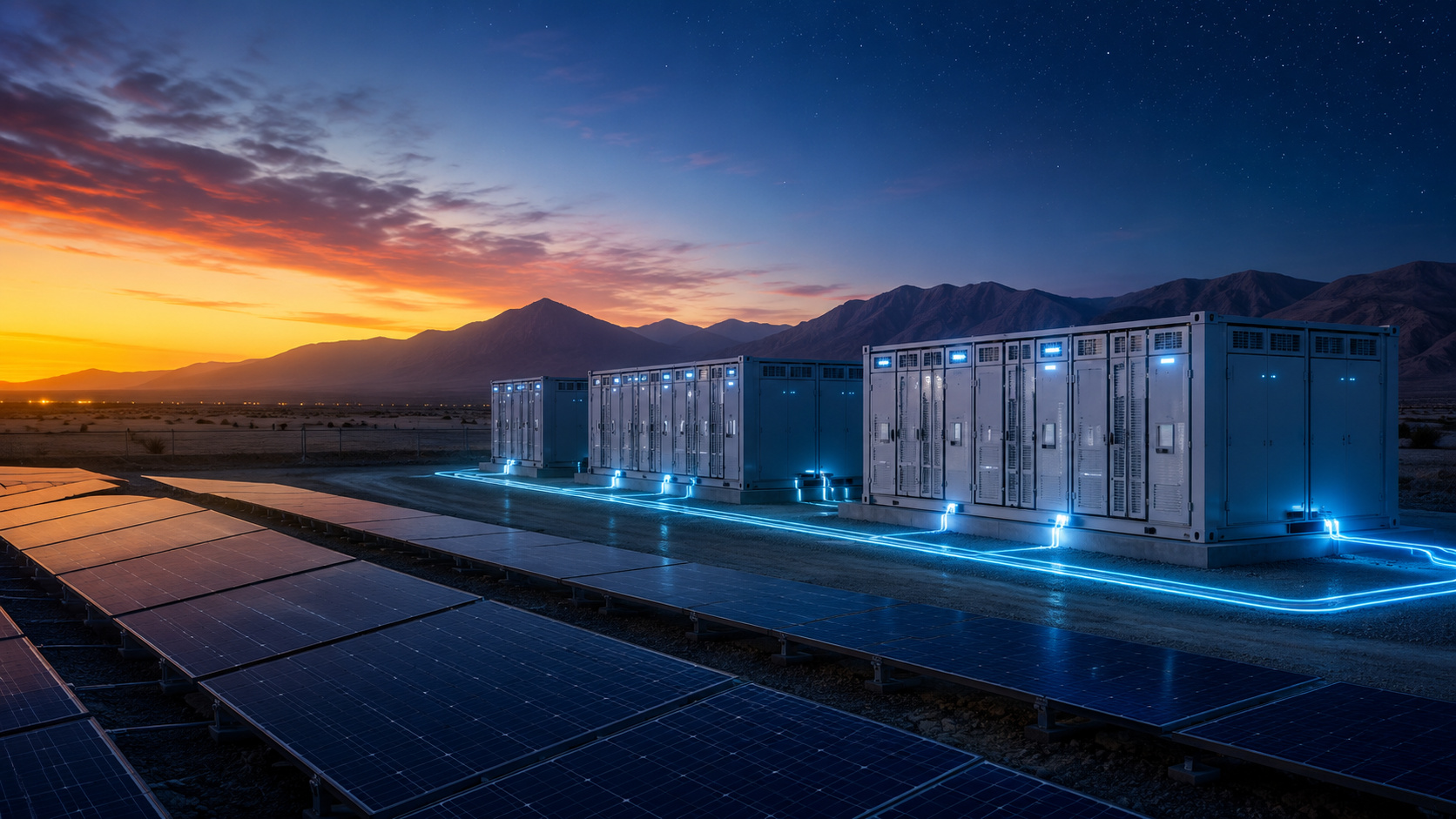
Giant Batteries Take Center Stage in Chile Auction as Company Offers 960 GWh of Solar Energy for Nighttime Use, Aiming to Stabilize Solar Power Supply

-
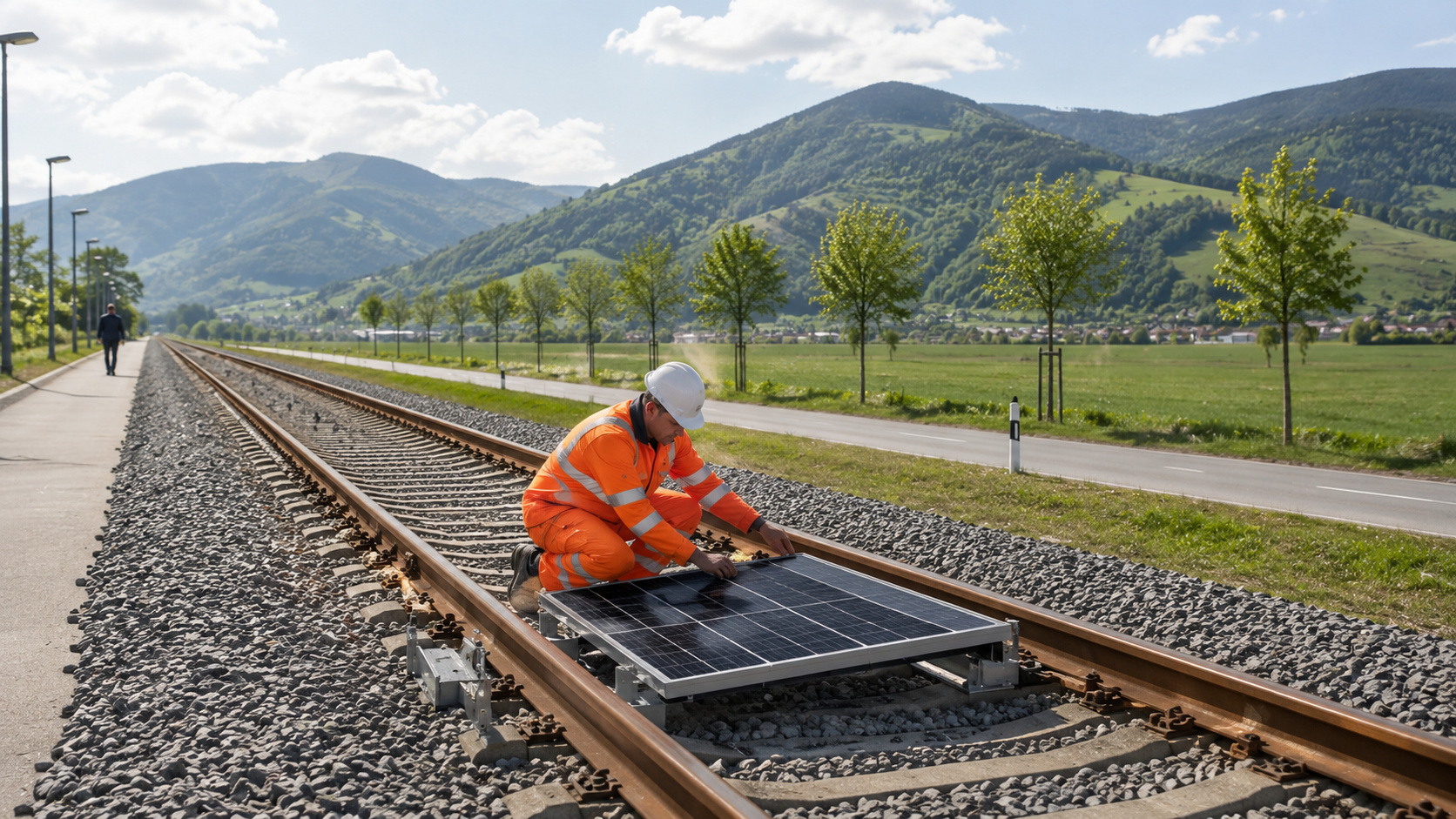
After a Year of Success in Switzerland, Solar Railway Attracts Italy’s Interest for Clean Energy Transformation
-
Brazil to Issue “Panda Bonds” in China, Aiming to Raise Up to 5 Billion Yuan at Lower Interest Rates Than Dollar Debt
-
NATO Faces Internal Tensions as U.S. Pushes for Increased Defense Spending, Targeting 5% of GDP by 2035, with Warnings for Countries Near 2% Level

The CNG and LNG trucks are also capable of using biomethane, regardless of the proportion, which makes them flex vehicles. The company has been producing such vehicles since 2014 at its headquarters in Switzerland. In Brazil, the start of production is unprecedented, considering that imports of the product already occur, but never its production.
Investment of R$ 2.6 billion in a project for products powered by alternative fuels that began in 2016, a good portion of the amount has already been consumed between 2016 and 2020. However, the expectation for the next steps is the production of hybrid vehicles, scheduled for 2021 to 2024, in its new investment program. After that, in the long term, it will be the turn of electric vehicles.
Due to the low production scale, the prices of the new vehicles are around 30 to 40% higher than the existing diesel versions, which start at R$ 400 thousand.
In São Bernardo do Campo, Scania’s factory is the group’s second largest in production capacity – 30 thousand units per year. Currently, the factory has 4 thousand employees and uses about 75% of its capacity. What is expected, if the demand for products increases, is that there will also be an increase in capacity and generation of new jobs.






