Portuguese
  Spanish


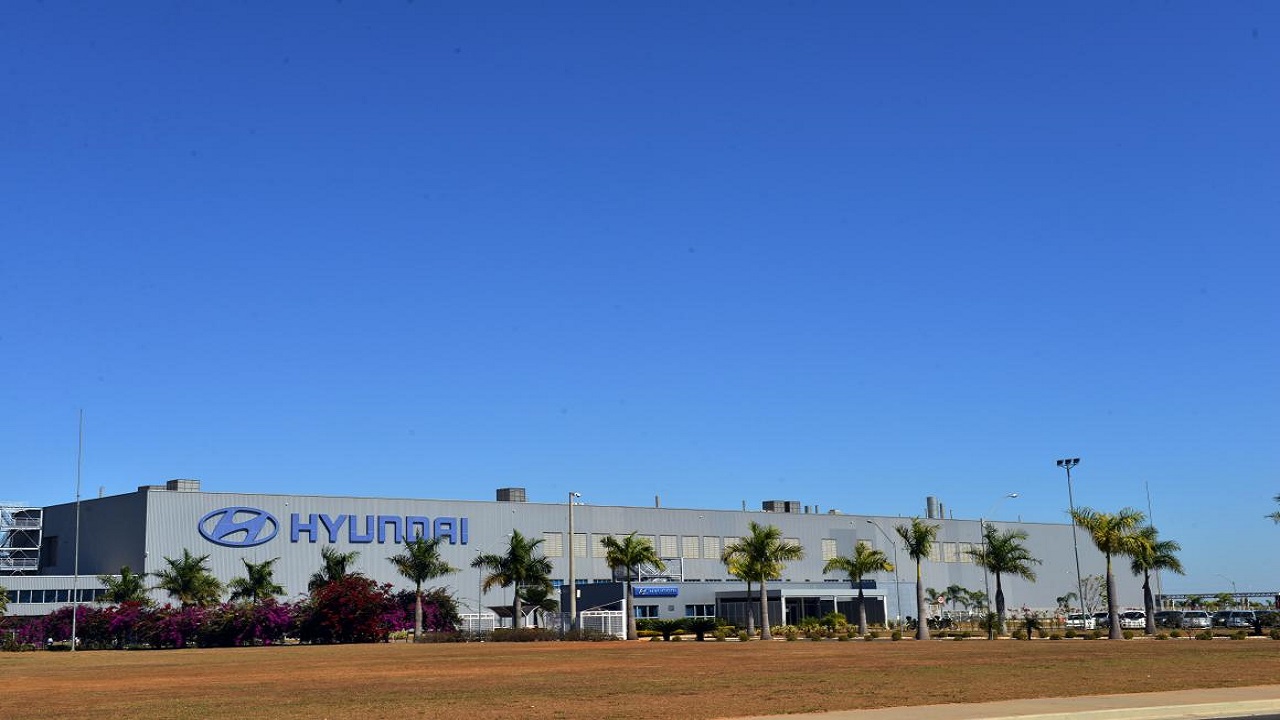

The New Hyundai Factory in SP Will Produce the Engines That Were Previously Imported from Its Country of Origin, South Korea. The Automaker Has Not Yet Stated Which Engines Will Be Produced at the New Unit
Hyundai will manufacture engines in Brazil starting next year and is finalizing the construction of a unit next to the factory in Piracicaba (SP), where the engines currently imported from its country of origin, South Korea, will be produced. According to the automaker’s vice president, Ricardo Martins, the expansion of the unit is expected to be completed by the end of the year. According to Ricardo, Hyundai will begin assembling the engines, which will arrive in Brazil in the form of kits.
Read Also
Hyundai Is Seeking a National Partner
According to the executive, this type of CKD assembly will occur temporarily until the final assembly lines and especially the machining lines are completed. The company has ruled out in-house casting of the blocks, which will lead the South Korean company to seek a new partner in Brazil.
The engines that will be produced by Hyundai in Brazil are still being defined by the company, and it will be through this choice that the company will determine the size of the investment to be made on-site, aside from what has already been defined for building the attached engine factory. According to the executive, the announcement will be made in the coming months.
-
28-meter, 156-ton titans traveled 20,000 km from China to the port of Santa Catarina: Portonave received 7 fully electric megacranes, part of a R$ 210 million package, to double container handling.

-
They exchanged the idea of a large house for a 35 m² warehouse, spent US$ 12,000 on the structure, and created a tiny house in Colorado with space to live and work.

-
A newly opened terminal in the middle of the Amazon has begun transporting soy and corn through Amapá, eyeing the queue of ships that is congesting the ports in the South.

-
Goodbye to old tiles: renovation technique without construction transforms bathrooms in a few hours, eliminates debris, and reduces costs with coverings using special paints, high-resistance adhesives, and modern finishes that completely renew the space.


Hyundai equips the versions of the new generation Creta, which was launched in Brazil this Wednesday (25), with the Kappa 1.0 three-cylinder turbo Flex GDI 12-valve engines and the Smartstream 2.0 flex with 16 valves. The older version of the model is equipped with a 1.6 engine and will continue to be produced in Piracicaba.
City Hall Estimates That Hyundai’s Engine Factory Cost R$ 350 Million
According to the vice president, everything is settled with the municipality and the state regarding the new unit of the South Korean company. Now, only the green light from headquarters is needed to announce the hiring and investments.
At the end of last year, the city hall announced that the automaker intended to build an engine factory in the region, which would cost around R$ 350 million. However, the investment amount has not been confirmed by the company.
In addition to producing engines, the new unit will also contribute to other sectors of Hyundai, such as development centers. Thus, the addition of new departments to the engine operation could increase the initial investment projections. Currently, all development of the engines installed in Brazilian Hyundai cars, as well as their calibration for the regional market, is done in South Korea.
Get to Know Hyundai in Brazil
Hyundai has 10 factories spread around the world, and 7 of them are not in its country of origin, South Korea. Its factory in Brazil is responsible for manufacturing the HB20, which is assembled only here, and also the Hyundai Creta SUV.
The factory is located in Piracicaba, inland SP, and received an investment of US$ 700 million to be built. Production of the first HB20 began in September 2012. In 2016, the plant received another investment of US$ 130 million to enable the production of the Creta. The factory has the capacity to produce 180,000 cars per year, or 36 cars per hour.