





 Portuguese
  English
  Spanish
  2 min of reading
  0 comments


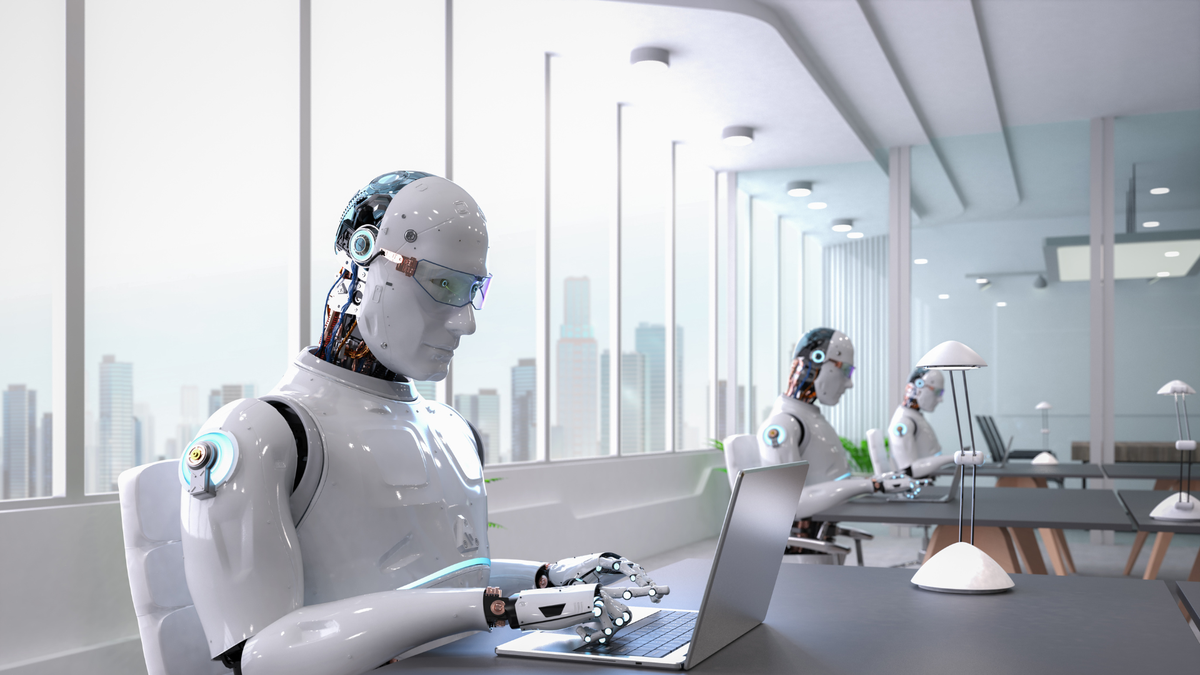
Understand How AI Is Transforming The Job Market And Which Careers Are At Greater Risk Of Automation
Artificial Intelligence (AI) is reshaping the global job market, particularly impacting professions with routine and repetitive tasks. According to a report from the International Labour Organization (ILO) released on May 21, 2025, approximately 25% of occupations are susceptible to automation by AI. While complete job replacement is less likely, the transformation of roles is imminent, requiring professionals to adapt.
Professions With Greater Exposure To Automation
The ILO study classifies occupations into four levels of risk of automation, with ‘Gradient 4’ being the highest, encompassing 3.3% of global jobs. Professions such as accountants, financial analysts, and text operators are among the most threatened due to the high likelihood that their tasks will be automated. Additionally, positions such as data entry clerks, telemarketers, cashiers, and administrative assistants also face significant risks of replacement by automated systems.

Impact Of AI On Specific Sectors
AI is being widely adopted in sectors such as financial services, insurance, and healthcare, where repetitive and data-driven tasks are predominant. For example, in the banking sector, process automation is reducing the need for tellers and clerks, while in healthcare, AI systems assist in diagnosing and monitoring patients. This trend highlights the importance of complementary human skills, such as critical thinking and empathy, which are less susceptible to automation.
-
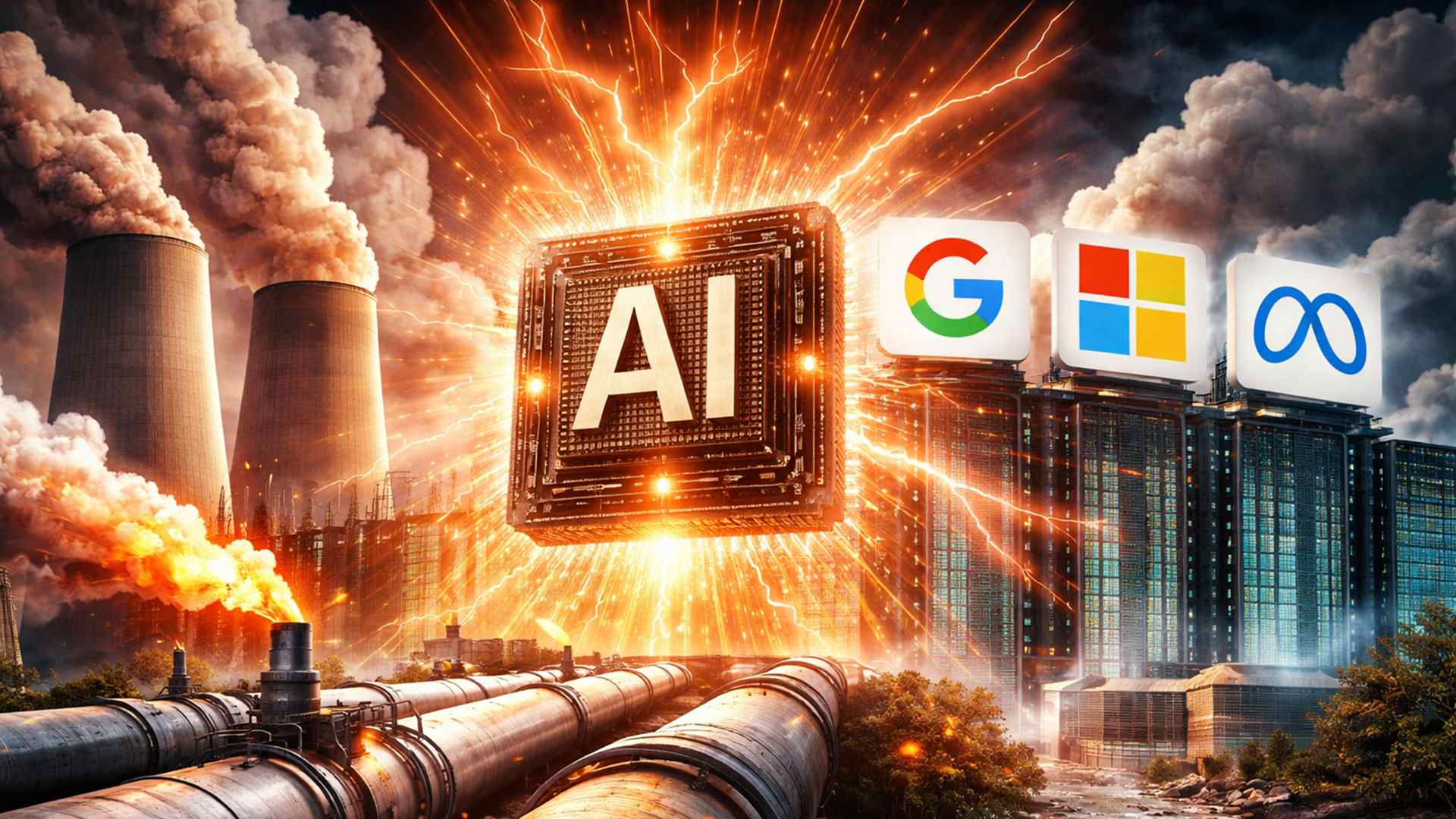
Artificial intelligence is skyrocketing energy consumption, raising emissions from tech giants and pushing Google, Microsoft, and Meta closer to natural gas.
-
Mercor paid $1.5 million per day for doctors, lawyers, and former Goldman Sachs bankers to teach artificial intelligence to do their jobs, and in 17 months, it went from zero to $500 million in annual revenue while its own contractors accelerated the replacement of their own work.

-
Casio Unveils Moflin, Robotic Pet With Artificial Intelligence Designed To Provide Emotional Comfort And Simulate A Permanent Affectionate Bond

-
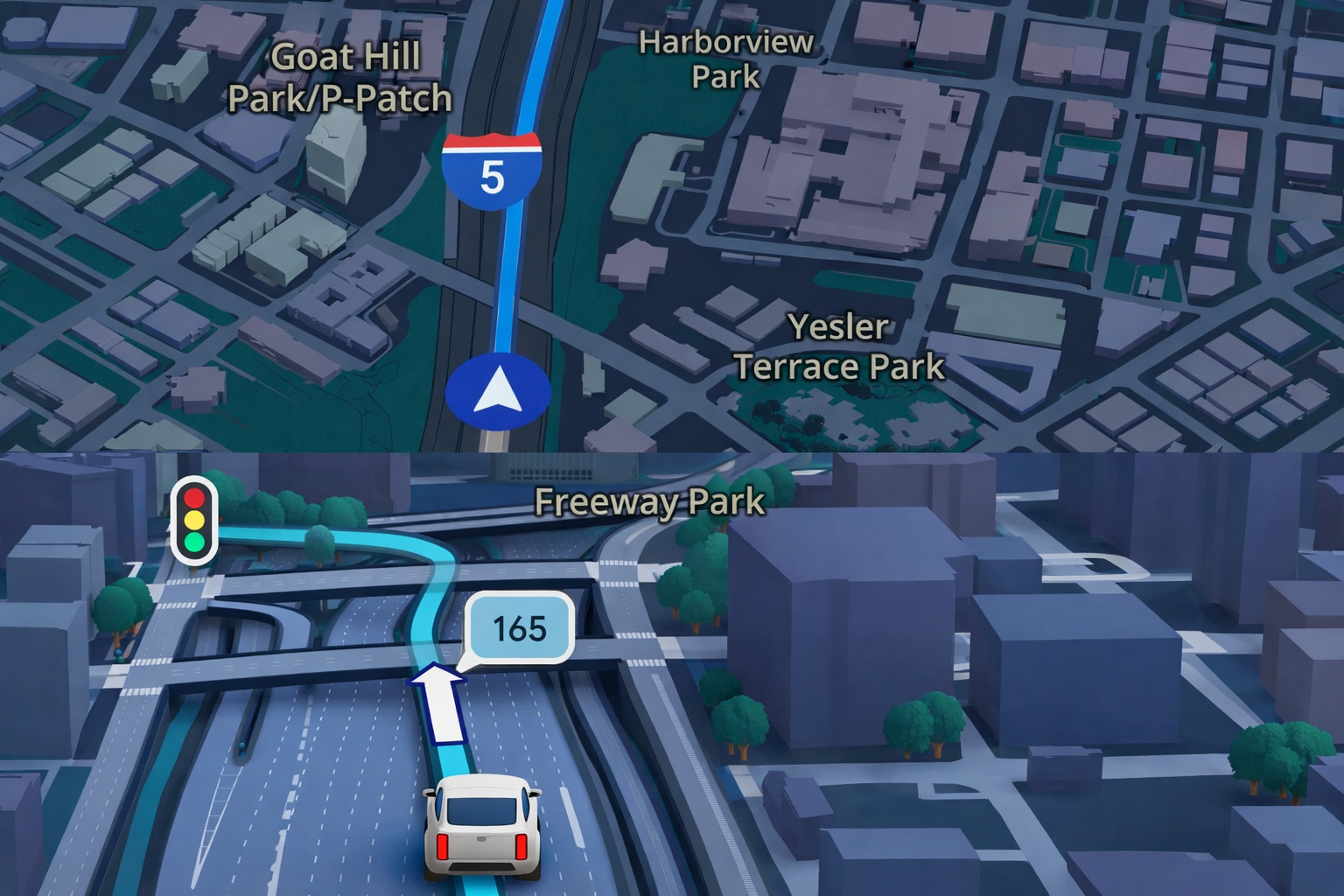
Google Maps Revolutionizes GPS Navigation With Gemini Artificial Intelligence, Ask Maps Feature, and Advanced 3D Visualization for Route and Travel Planning

Adaptation And Professional Retraining
In this scenario, adaptation and professional retraining become essential. The ILO emphasizes the need for public policies that promote continuous education and the development of digital skills. Professionals should seek training in areas less vulnerable to automation, such as information technology, data analysis, and project management. Moreover, interpersonal and creative skills gain prominence as they are less likely to be replicated by machines.
Future Prospects Of The Job Market
Although AI poses challenges for certain professions, it also creates new job opportunities in emerging sectors. The demand for AI specialists, software developers, and data analysts is on the rise. Furthermore, AI can enhance efficiency and productivity, allowing workers to focus on more complex and creative tasks. Therefore, the transformation of the job market requires a proactive approach, focusing on adaptation and continuous skill development.










Seja o primeiro a reagir!