





 Portuguese
  English
  Spanish
  3 min of reading
  0 comments


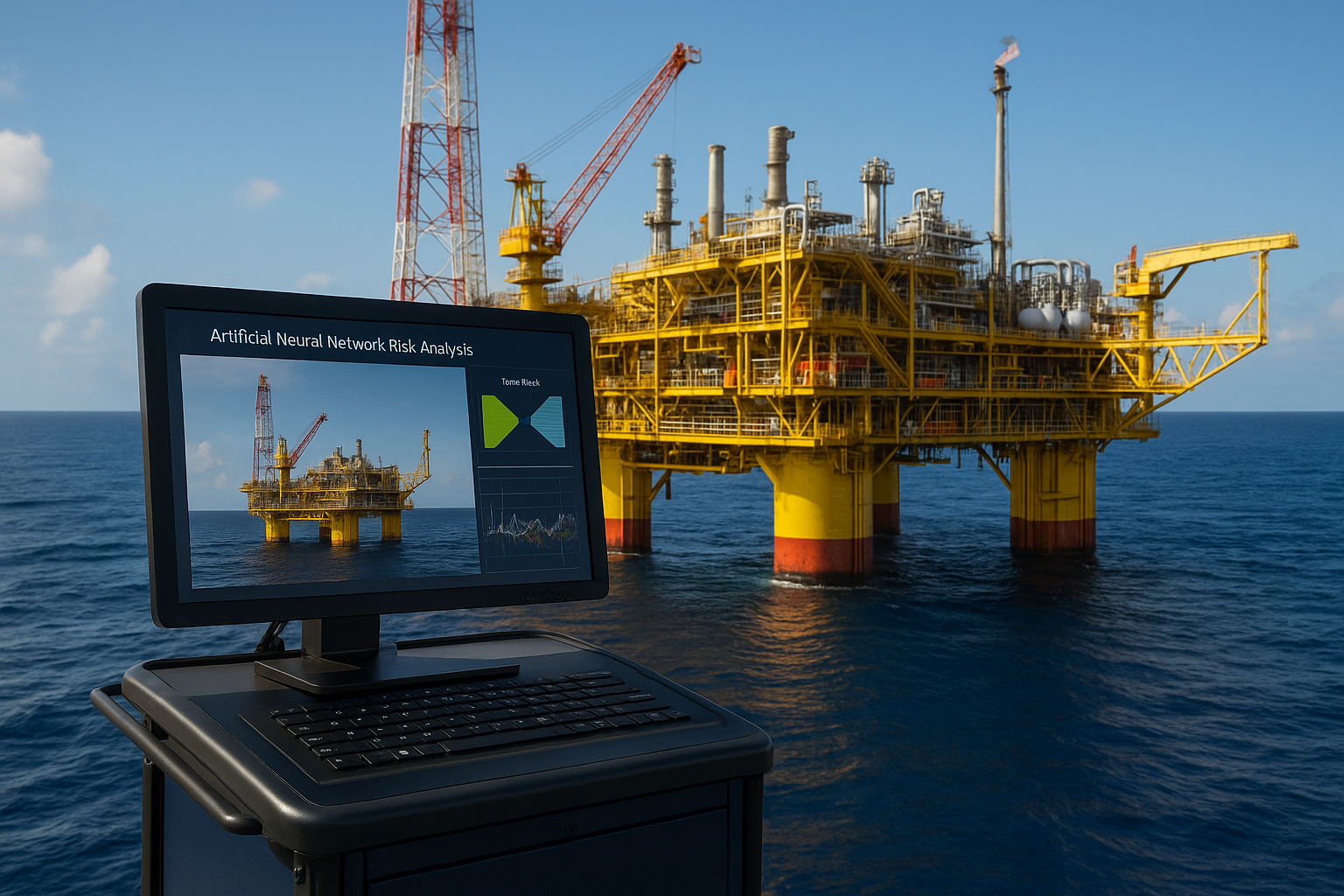
Unprecedented Partnership Promises to Elevate Prevention and Risk Monitoring Standards in the Offshore Sector
A strategic partnership between Shape Digital, Shell Brazil, MODEC Brazil and State University of Campinas (Unicamp) is developing an unprecedented methodology for operational risk monitoring with artificial intelligence. The goal is to enhance safety on oil platforms and identify, in real time, the degradation of safety barriers — essential systems, equipment, and procedures to prevent incidents.
The project is based on Shape Reef, Shape Digital’s technology already used in Brazil, Mexico, and Africa, which will be improved to expand its coverage and accuracy. The initiative seeks to reduce risks, support strategic decisions, and strengthen the protection of workers and the environment.
Technological Advancement for Offshore Risk Management
According to Felipe Baldissera, CEO of Shape Digital, the proposal is to make Shape Reef even more robust with new methods for managing safety barriers. He emphasizes that the work is aligned with the company’s strategy to generate intelligence based on data and AI, allowing for more agile and secure decisions.
-
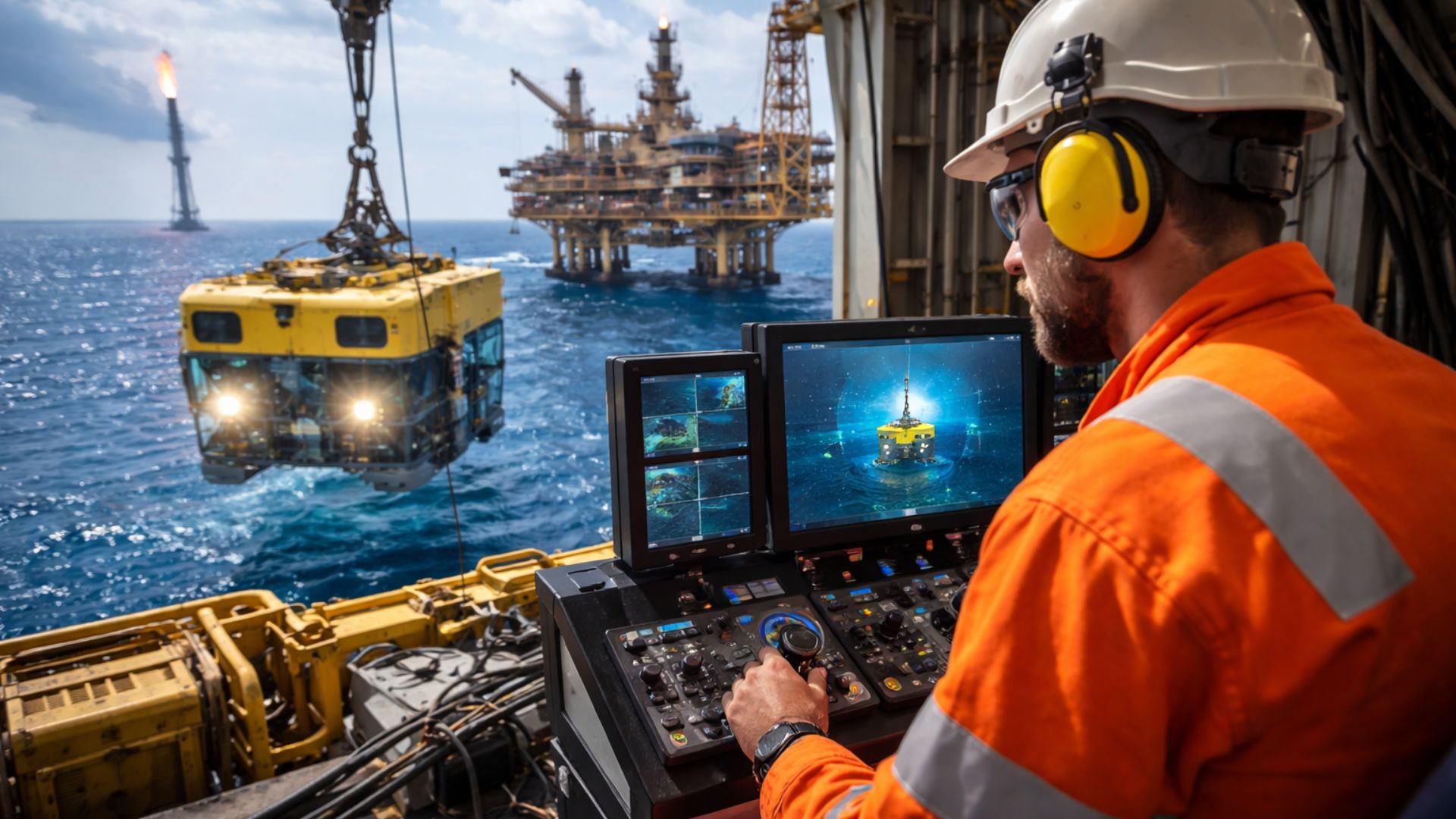
With Announcement for ROV Course in Partnership with Zen, Rio das Ostras Aims to Transform Technical Qualification into Real Jobs in the Competitive Offshore Market
-
Free Offshore Steward Course in São Gonçalo Emerges as a Strategic Opportunity for Those Seeking Qualified Work at Sea

-
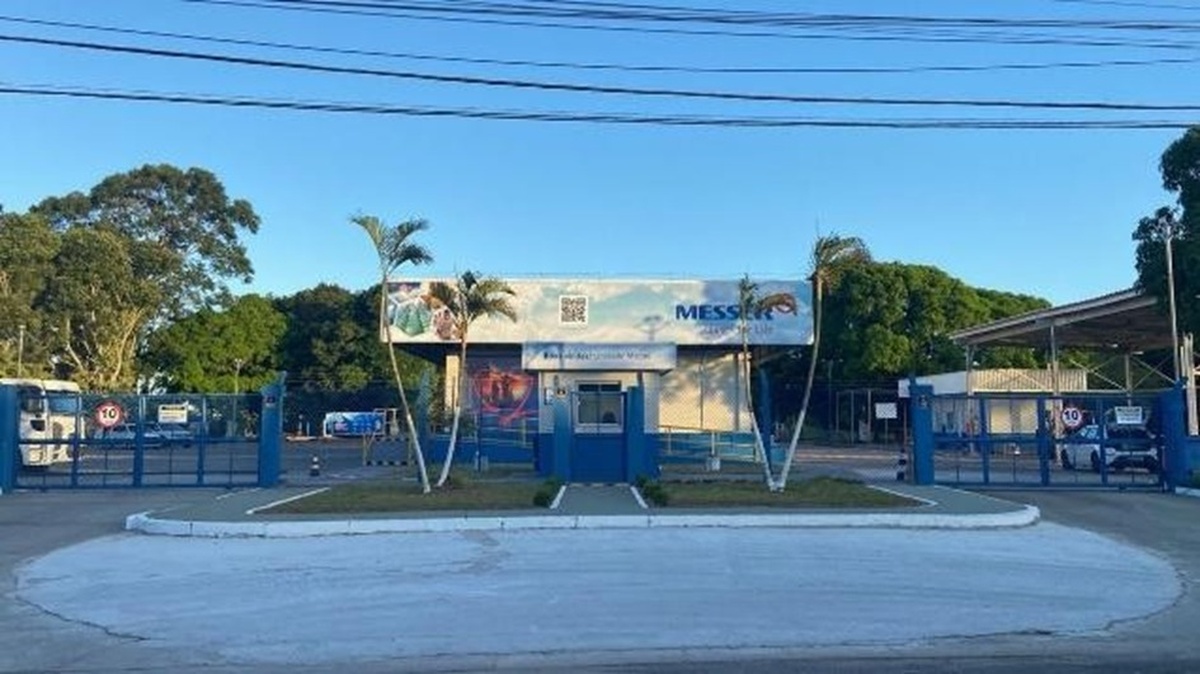
Messer Gases Reopens Branch in Macaé to Serve Offshore Oil and Gas Market in Northern Fluminense with Supply of Oxygen, Argon, and CO₂
-
Offshore Profession Simplified: Comprehensive Guide Reveals How to Trade Common Routine for High Salaries and Long Breaks in Life Aboard in the Oil Sector

The project will last for 36 months, funded by Shell Brazil through the Research, Development, and Innovation (PD&I) clause from ANP. During this period, new risk estimation techniques will be tested and implemented for two main scenarios: degradation of barriers and gas leaks.
Commitment to Innovation and Safety
For Olivier Wambersie, director of Technology and Innovation at Shell Brazil, “safety is a non-negotiable asset.” He highlights that investing in technology to enhance risk management is essential to anticipate failures, reduce uncertainties, and protect lives and the environment.
MODEC Brazil is also actively participating, providing operational expertise from its FPSOs in the country. As Leonardo Santoro, manager of Technical Management at the company, explains, involvement reinforces the commitment to innovation and the adoption of technologies that enhance efficiency and safety. MODEC will contribute technical data and specialized knowledge to drive the solutions forward.
Academic Origin and Technological Evolution
The foundation of the project comes from research conducted by Professor Sávio Viana from Unicamp, which resulted in the creation of two innovative programs: Fuzzy BowTie and Artificial Neural Network for Leak Detection.
In this second phase, the team will combine computational fluid dynamics data with real field information, investigating new artificial intelligence models to increase the technological maturity of the solution.
This integration will allow for more precise and efficient analyses, optimizing the risk detection and mitigation process.
Applications and Impact in the Oil and Gas Sector
With these advancements, Shape Reef can be applied even more comprehensively, serving various industrial plants in the oil and gas sector. In addition to this, Shape Digital also offers Shape Lighthouse, aimed at intelligent asset management, and Shape Aura, for energy efficiency and reduction of greenhouse gas emissions.
Industry experts evaluate that the initiative represents an important step to elevate offshore safety standards, uniting science, innovation, and collaboration between companies and universities.
What do you think should be a priority for the offshore sector: to accelerate the adoption of AI technologies to ensure operational safety or to advance gradually, prioritizing rigorous validation of each solution?








Seja o primeiro a reagir!