





 Portuguese
  English
  Spanish
  3 min of reading
  0 comments


Understand How Scientists Investigate the Possibility of Consciousness in AI Systems
On May 26, 2025, BBC News Brazil published an article addressing the possibility of artificial intelligence (AI) systems developing consciousness. The piece highlights experiments conducted at the University of Sussex’s Center for Consciousness Science, where researchers use the “dream machine” to study how the human brain generates conscious experiences. This device exposes volunteers to stroboscopic lights, provoking unique visual patterns that reflect internal brain activity. The aim of these studies is to better understand human mental processes in order to eventually apply this knowledge to the analysis of AI systems. The idea is that by understanding human consciousness, it may be possible to identify if and how consciousness could emerge in machines.
The Transition from Science Fiction to Real Debates
Historically, the idea of conscious machines was confined to science fiction, as seen in the films “Metropolis” (1927) and “2001: A Space Odyssey” (1968). However, recent advancements in AI, especially with large language models (LLMs) like ChatGPT, have led experts to reconsider this possibility. Some believe that as these systems become more sophisticated, artificial consciousness could emerge spontaneously. On the other hand, researchers like Professor Anil Seth argue that this view is overly optimistic and based on human analogies. He emphasizes that intelligence and consciousness are not necessarily interdependent, as evidenced in various animal species.
Debates About Consciousness in AI Systems
The discussion about consciousness in AI gained prominence in 2022 when engineer Blake Lemoine claimed that a company chatbot had developed feelings. More recently, in November 2024, Kyle Fish from Anthropic, co-author of a report on the subject, suggested there is a 15% chance that chatbots may already be conscious. However, experts warn about the lack of understanding of the internal workings of LLMs. He emphasizes the need to better understand these systems to ensure their safety and alignment with human goals.
-
Artificial intelligence is skyrocketing energy consumption, raising emissions from tech giants and pushing Google, Microsoft, and Meta closer to natural gas.

-
Mercor paid $1.5 million per day for doctors, lawyers, and former Goldman Sachs bankers to teach artificial intelligence to do their jobs, and in 17 months, it went from zero to $500 million in annual revenue while its own contractors accelerated the replacement of their own work.

-
Casio Unveils Moflin, Robotic Pet With Artificial Intelligence Designed To Provide Emotional Comfort And Simulate A Permanent Affectionate Bond

-
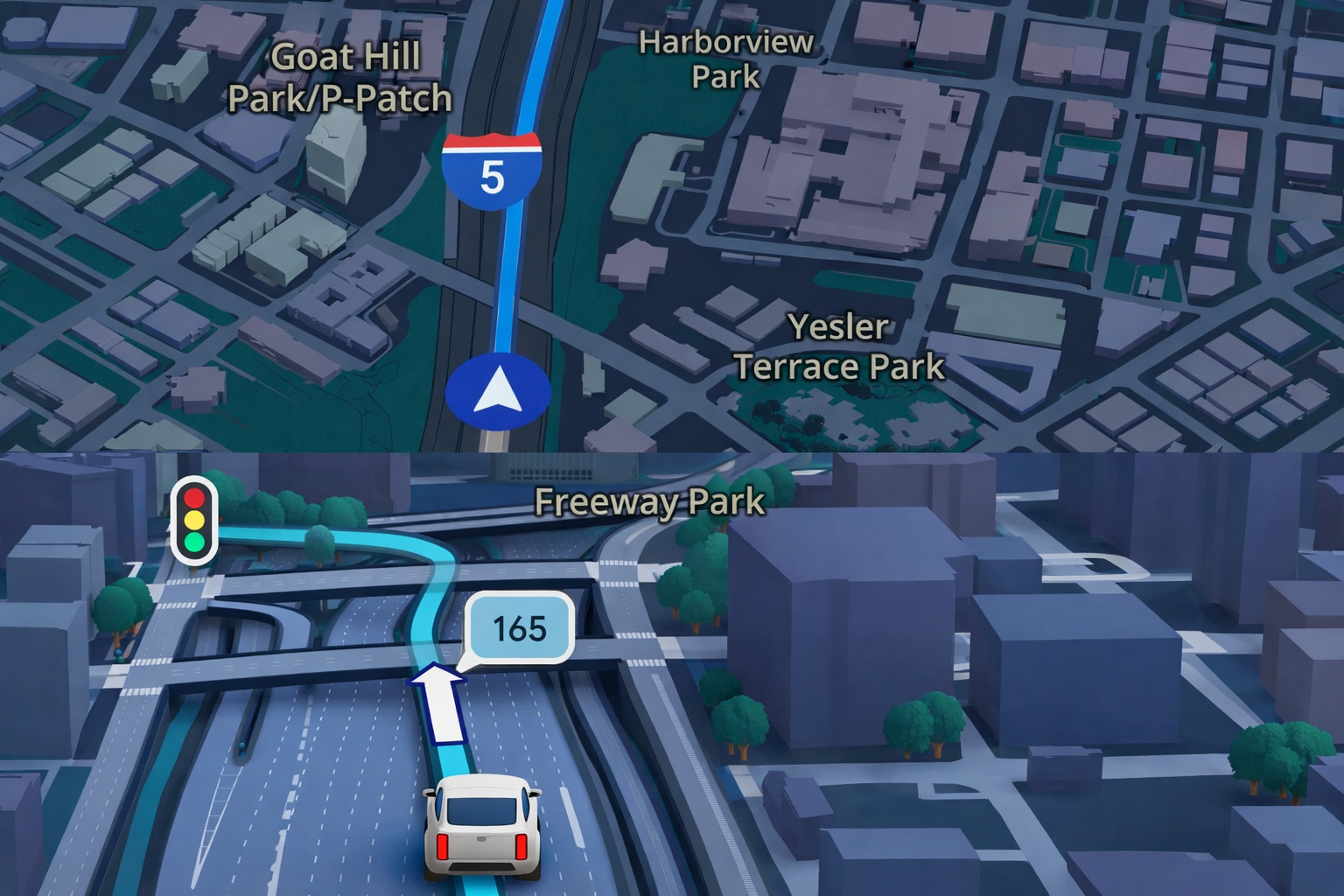
Google Maps Revolutionizes GPS Navigation With Gemini Artificial Intelligence, Ask Maps Feature, and Advanced 3D Visualization for Route and Travel Planning

Advancements in Hybrid Models and Brain Organoids
Researchers Lenore and Manuel Blum from Carnegie Mellon are therefore creating an AI model that combines vision and touch with an internal language, “Brainish.” According to them, this integration could be essential for conscious machines. Additionally, the Australian company Cortical Labs has developed a system with nerve cells that surprisingly plays Pong. While still far from full consciousness, this “brain on a chip” represents a significant step in merging biology and technology.
Ethical and Social Implications of Artificial Consciousness
The possibility of conscious machines raises complex ethical questions. Professor Anil Seth warns of the risk of attributing feelings to systems that only simulate emotions, which could distort our moral priorities and negatively affect human relationships. Additionally, AI may replicate human relationships, acting as teachers, friends, or romantic partners. This trend could profoundly transform society, requiring careful reflection on the boundaries and responsibilities in using these technologies.










Seja o primeiro a reagir!