





 Portuguese
  English
  Spanish
 4 min of reading
  0 comments


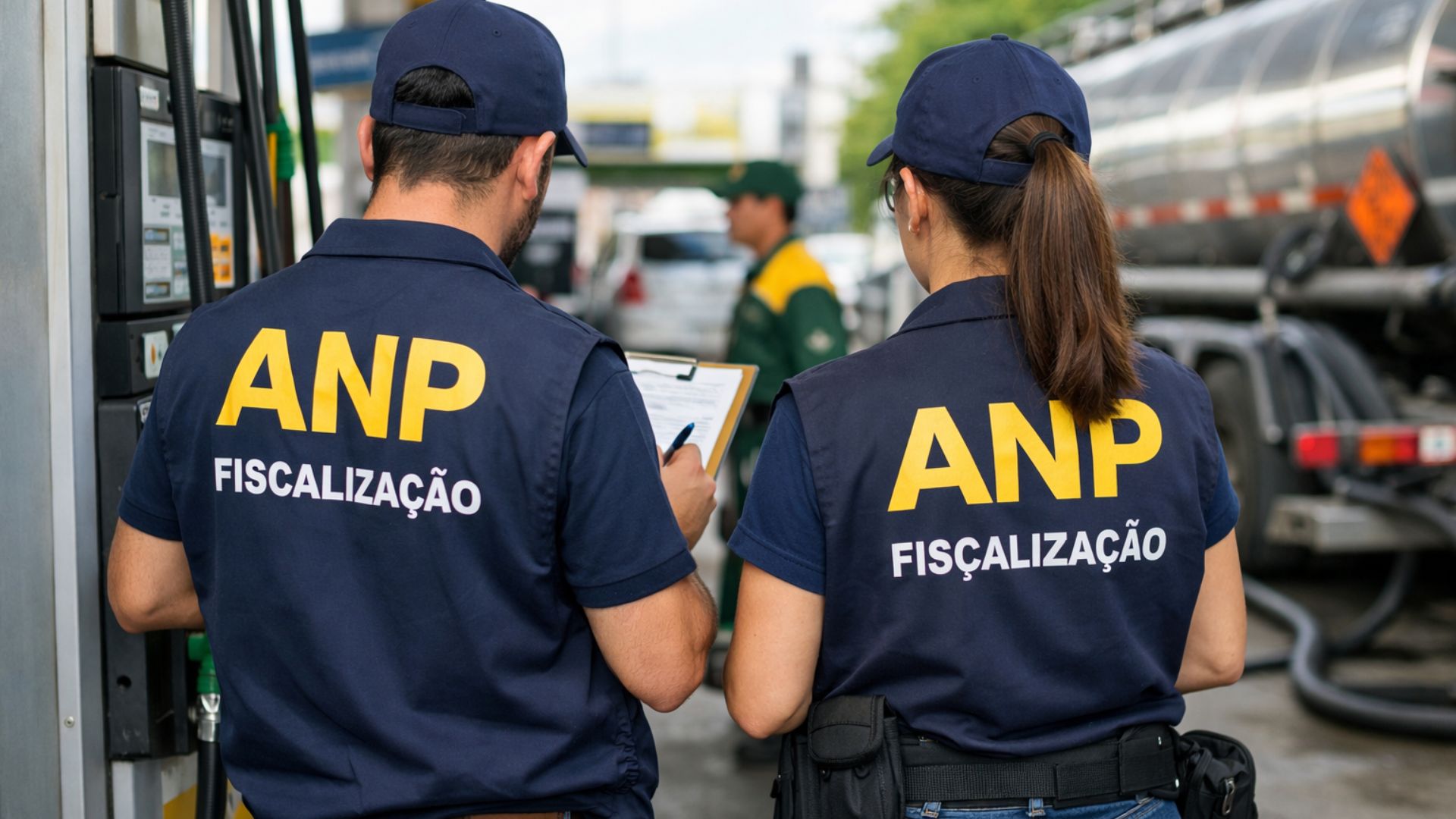
ANP Inspections in Pará Advance in 2025, Broaden Closures of Illegal Gas Stations, Strengthen Control of the Fuel Sector, and Impact the Formal Market and Consumers
Data consolidated by the National Agency of Petroleum, Natural Gas, and Biofuels (ANP) revealed a significant advancement in control actions within the fuel sector in Pará. The official survey indicates that the number of closures of illegal gas stations increased by 72% in 2025, reflecting the tightening of inspections in the state. According to an article published by the O Liberal website this Sunday (28), the intensification of regulatory actions pressures economic agents operating outside the law, while simultaneously aiming to elevate supply quality and safety standards.
Fuel Sector in Pará Records Significant Increase in Closures in 2025
The fuel sector in Pará experienced one of the strictest regulatory periods in 2025. Between January 1 and November 27, the ANP conducted 286 inspection actions in the state, a number 18.6% higher than the same period in 2024, which saw 241 operations. The most relevant data, however, is in the closures. The total number of closure orders jumped from 25 to 43, a growth of 72%, highlighting a clear change in the intensity of inspections.
The ANP states that the increase in inspections is not only about the volume of operations but primarily about the quality of actions. The teams have started to act in a more targeted manner, prioritizing gas stations and agents of the fuel sector with a history of non-compliance in Pará.
-
Lula reveals a masterstroke by Petrobras to undo a deal made by Bolsonaro, which involves the return of an important refinery that currently produces less than half of what was expected and makes Brazil dependent on international diesel.
-
A study confirms that the natural gas sector will reduce greenhouse gas emissions in Brazil by 0.5% and accelerate the energy transition by 2026.

-
Petrobras implements a severe adjustment and confirms a 55% increase in the price of aviation kerosene with a proposal for installment payments for the companies.

-
The rise in oil prices could ensure an extra revenue of R$ 100 billion for the Federal Government, indicates a recent economic study.


Operations are planned based on different intelligence sources, such as complaints received by the ANP’s Ombudsman, data from the Fuel Quality Monitoring Program (PMQC), and information shared with other control bodies.
Infraction Notices in the Fuel Sector Remain Stable
Despite the significant rise in closures, the number of infraction notices in the fuel sector remained practically stable. In 2025, 109 notices were issued, compared to 107 in the same period of 2024.
Notices for the seizure or collection of products increased from 17 to 20, indicating greater rigor in removing non-compliant fuels from the market.
According to the ANP, this scenario indicates that inspections have become more selective, focusing efforts on irregularities considered critical for safety and quality of supply in Pará.
Main Irregularities Found at Gas Stations in Pará
During the inspection actions conducted in 2025, the ANP identified a recurring set of irregularities at gas stations in Pará.
The main occurrences involve non-compliance with previous notifications from the ANP with 32 records, failures in meeting safety standards with 18 cases, and absence or inadequacy of mandatory equipment in 16 occurrences.
In 2024, the most frequent problems also included the acquisition or disposal of fuels from unauthorized sources. The regulatory agency highlights that a single infraction notice can encompass more than one irregularity, depending on the issues identified during the inspection.
Technology Reinforces ANP Inspections in the Fuel Sector
One of the factors explaining the increase in closures in 2025 was the expanded use of technology by the ANP. Since the beginning of the year, teams have started to use spectrophotometers, equipment that allows for the identification of methanol in gasoline and ethanol in the field, in addition to the percentage of biodiesel in diesel oil.
Furthermore, the Integrated Inspection System for Fuel Supply (Sifa) has been utilized more intensively in Pará, allowing for data cross-referencing and identification of suspicious patterns in the fuel sector.
Fines and Sanctions Applied to Gas Stations
The gas stations penalized by the ANP are subject to penalties that range from R$ 5 thousand to R$ 5 million, depending on the severity of the infraction. In addition to fines, sanctions such as temporary suspension of the operating authorization and permanent revocation of authorization may be applied.
The ANP clarifies that penalties are only applied after the conclusion of the administrative process. During this period, the economic agent is entitled to ample defense and a fair hearing. So far, the consolidated values of fines specifically applied to the supply segment in Pará have not yet been disclosed.
Sindicombustíveis Evaluates Inspections as Necessary for the Fuel Sector
For Sindicombustíveis Pará, the advancement of inspections is positive for the fuel sector, as long as it is conducted in a technical and balanced manner. According to the union’s lawyer, Pietro Gasparetto, the actions of the ANP contribute to elevating the market’s compliance standards.
According to him, inspections carried out in a technical and balanced manner help guide the market, correct operational failures, and prevent the occurrence of more serious irregularities.
Illegality Still Challenges the Fuel Sector in Pará
Despite the advancement of ANP actions, illegality remains one of the main challenges for the fuel sector in Pará. Companies operating outside the law do not comply with regulatory, environmental, tax, and labor obligations.
According to Sindicombustíveis, this practice artificially reduces costs and generates unfair competition with regular gas stations, distorting the market.
Furthermore, part of these operations involves tax evasion, directly affecting state revenue. The government of Pará has reported that there is still no consolidated estimate of the fiscal losses resulting from these practices.
What Changes for the Market and Consumers in Pará
The 72% increase in closures in 2025 signals a clear change in how the fuel sector is inspected in Pará. The stricter actions by the ANP are likely to reduce the presence of illegal agents, strengthen the formal market, and raise safety levels for consumers.
For the end user, inspections mean a lower risk of purchasing non-compliant fuel and greater transparency in the supply chain. For regular gas stations, it represents a more equitable competitive environment.





Seja o primeiro a reagir!