





 Portuguese
  English
  Spanish
  3 min of reading
  0 comments



Company Founded by Ex-Executives of Blue Origin and Apollo Astronaut Raises US$ 18 Million to Explore Lunar Minerals
Ten years ago, the U.S. Congress opened the doors to space mining, allowing private companies to claim resources from celestial bodies. Today, Interlune, founded by two former Blue Origin executives and an Apollo astronaut, is ready to embrace this opportunity. The company has raised US$ 18 million to develop technologies that enable mining on the Moon, focusing on the valuable Helium-3. Let’s find out how Interlune intends to revolutionize lunar mining and tackle the challenges ahead, according to Terra.
Interlune: The Promise of Lunar Mining
Interlune, based in Seattle, was founded by Rob Meyerson and Gary Lai, both former executives of Blue Origin, Jeff Bezos’ space company, along with Harrison Schmitt, Apollo 17 astronaut. With an ambitious vision, they have been working for the past four years to develop technologies capable of extracting and bringing ores from the Moon, with a focus on Helium-3. This stable isotope, rare on Earth, is abundant on the Moon and can be a promising fuel for nuclear fusion reactors and quantum computing.
Challenges and Potentials of Lunar Mining
Lunar mining is not an easy task. High costs and technical complexity are significant barriers. However, Interlune is determined to overcome these obstacles. They plan to send a prospecting mission in 2026 to explore areas rich in Helium-3. Using a lunar “harvester,” the company aims to excavate the regolith (lunar soil) and measure the amount of Helium-3 collected. If successful, a full mission is scheduled for 2028, where they will demonstrate the entire extraction and processing operation of Helium-3.
-
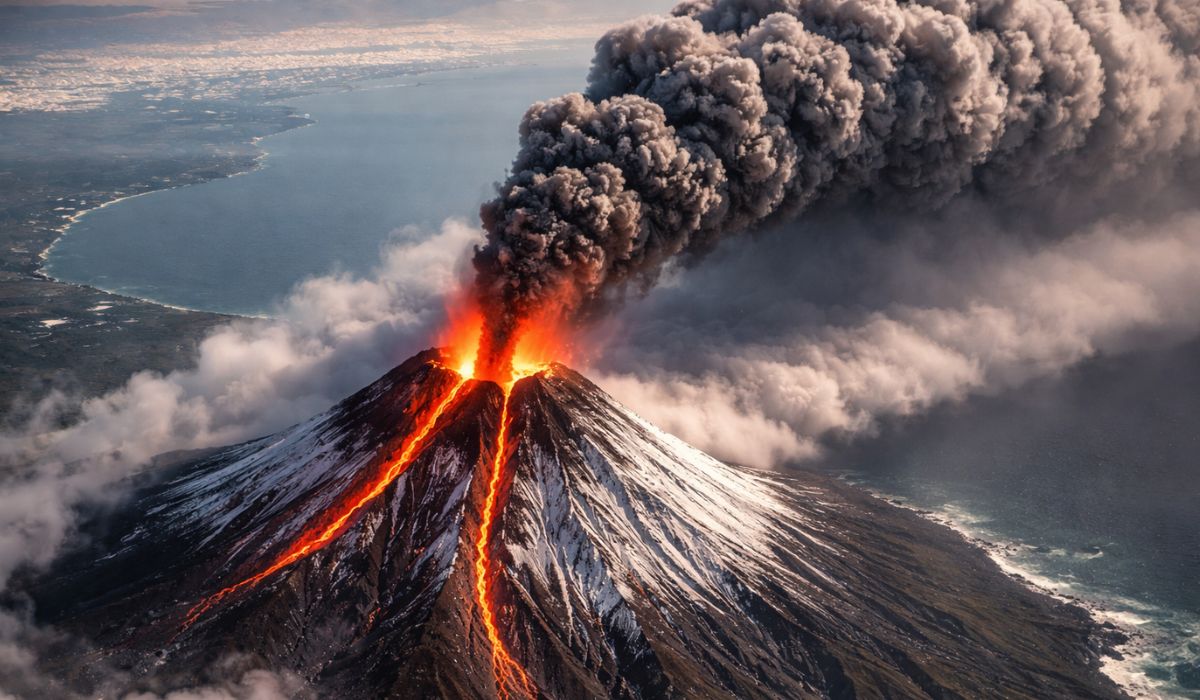
Seen from space, a colossal volcano nearly 5,000 meters high in Russia has released 1,600 km of smoke over the Pacific, forming “devil’s horns” of lava and revealing the brutal force of the Ring of Fire.
-
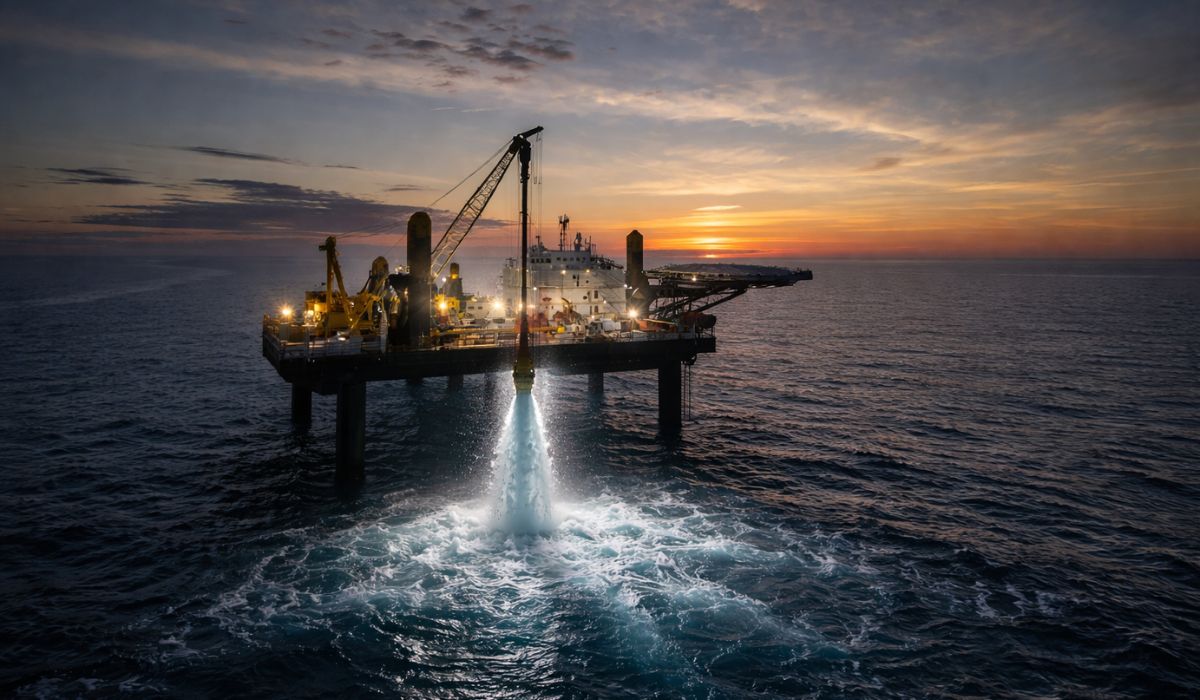
Expedition 501: Scientists drill into the ocean floor and discover a giant reserve of fresh water hidden beneath the sea, extracting nearly 50,000 liters and revealing an invisible system that could reshape the map of water scarcity.
-
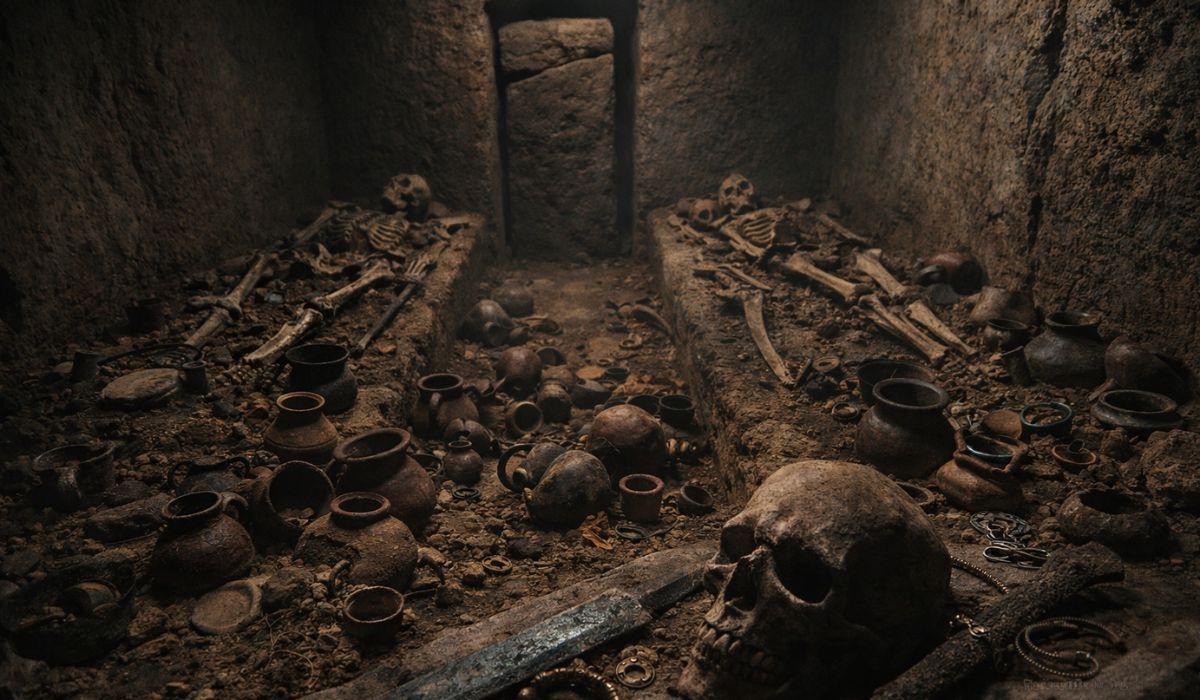
Archaeologists find an intact tomb over 2,500 years old, with more than 100 preserved objects, weapons, jewelry, and human remains never touched.
-
Volcanic lava transforms into threads as fine as human hair that travel over 30 kilometers by wind and fall like cutting rain on roofs and backyards in Hawaii and Iceland.


The Competition and NASA’s Support
Interlune is not alone in this race. NASA is also intensifying its efforts to establish a lasting presence on the Moon and facilitate commercial operations. Recently, two commercial missions attempted to land on the Moon as part of a NASA program, with mixed results. Despite the challenges, these attempts are important steps to pave the way for future missions.

NASA sees potential in Helium-3 and other lunar resources. In 2020, it announced a program to purchase lunar samples from private companies, helping to create a market for these resources. The agency is also in a space race with China, which has shown interest in exploring the lunar south pole, where there is water in the form of ice.
The Future of Space Mining with Interlune
The success of Interlune depends not only on its technologies but also on the growing demand for Helium-3 and advancements in space transportation. With companies like SpaceX, led by Jeff Bezos, showing that space launches can be more frequent and economical, the outlook for lunar mining becomes more promising. Interlune has developed extraction technologies that are small, lightweight, and efficient, facilitating their operation on the Moon.
Furthermore, investor interest in the space sector has been increasing. However, Interlune’s funding round was led by Seven Seven Six, whose founder Alexis Ohanian sees great potential in the space economy. With private companies demonstrating viable business models and technology advancing rapidly, lunar mining is no longer a distant dream.
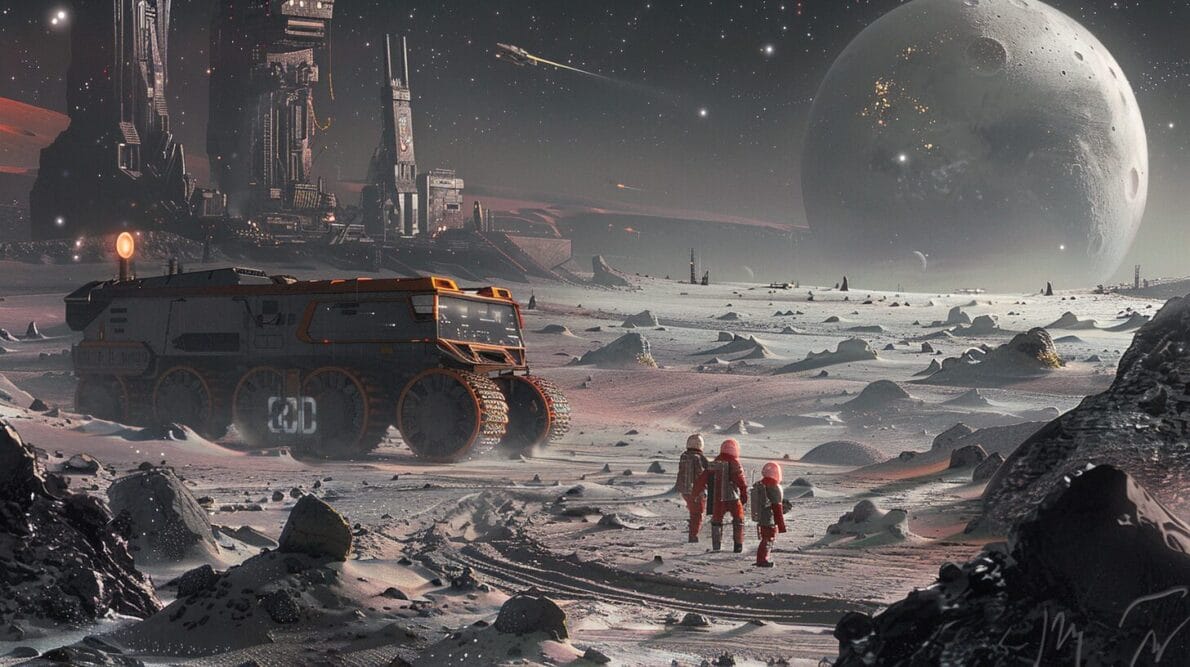
Therefore, Interlune is ready to face challenges and seize opportunities in lunar mining. With innovative technologies and a clear vision, they may be pioneers in turning lunar resources into a commercial reality. Stay tuned, as this story is still at its beginning and promises significant advancements for the future of space exploration. Keywords: moon, interlune, minerals, jeff bezos




Seja o primeiro a reagir!