





 Portuguese
  English
  Spanish
  3 min of reading
  1 comment




Brazil Registers Growth in Job Generation in Footwear Production, But Faces Challenges with Increase in Chinese Imports.
The footwear sector in Ceará shows signs of recovery in job generation in 2024. Data from the Brazilian Footwear Industry Association (Abicalçados), based on records from the Ministry of Labor and Employment (MTE), shows that in the first months of the year, 3,000 new jobs were created in the state’s footwear production. This slight increase of 0.7% compared to the same period last year indicates positive growth. Despite the encouraging numbers, the “Chinese invasion” of footwear raises concerns in the sector in Brazil. Abicalçados warns of the increase in imports of Asian footwear, especially with a possible free trade agreement between Mercosur and China.
The Threat from China and Its Implications
This agreement could intensify the influx of Chinese products into Brazilian stores, generating fears about the impact on Ceará’s exports and, consequently, on the jobs created.
Ceará is the second largest employer in Brazil’s footwear sector, behind only the construction industry. In August 2024, the sector accounted for 68,300 jobs.
-
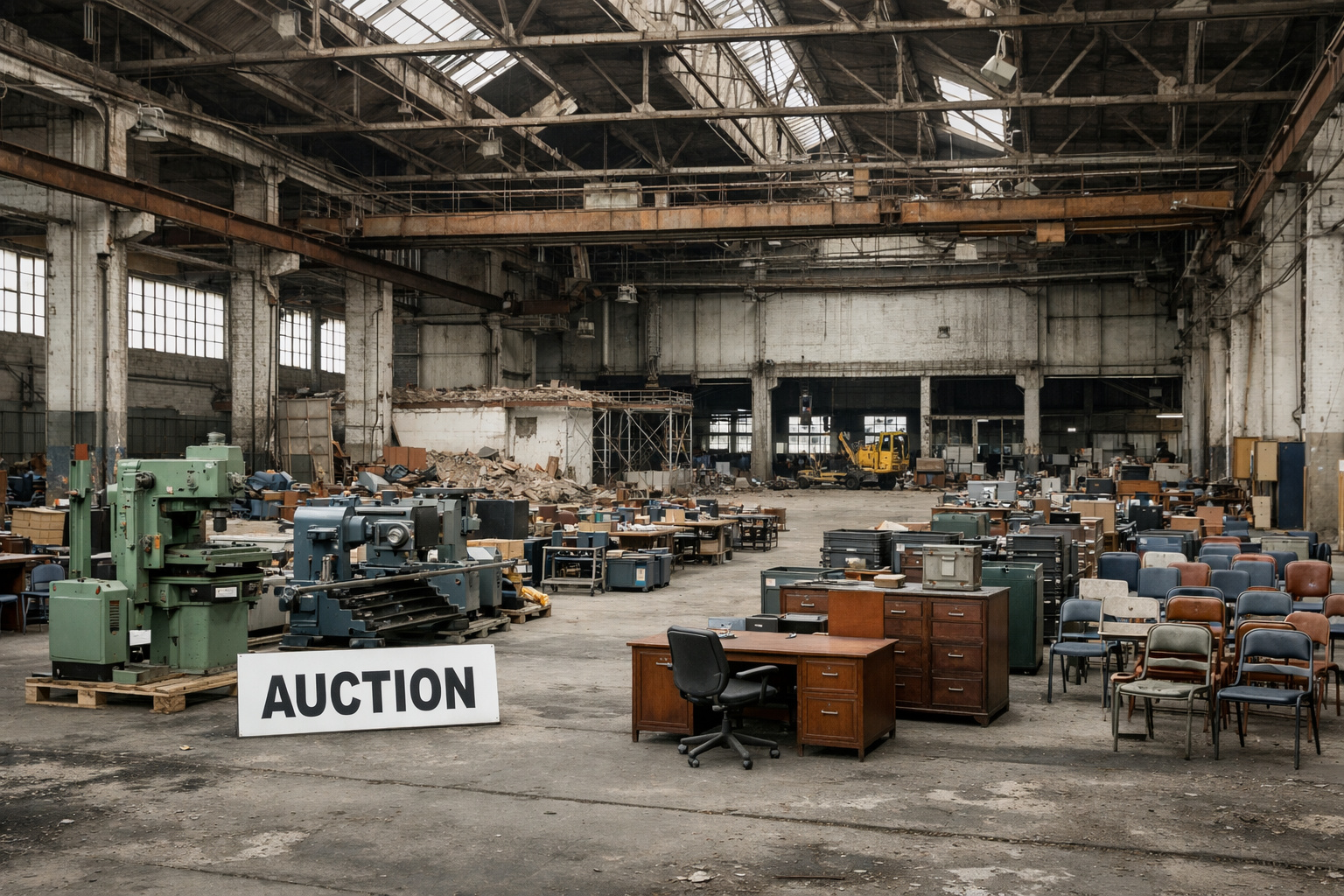
Historic bankruptcy of Centauro shocks the market, and the century-old company puts more than 500,000 products, machines, and complete infrastructure up for online auction.
-
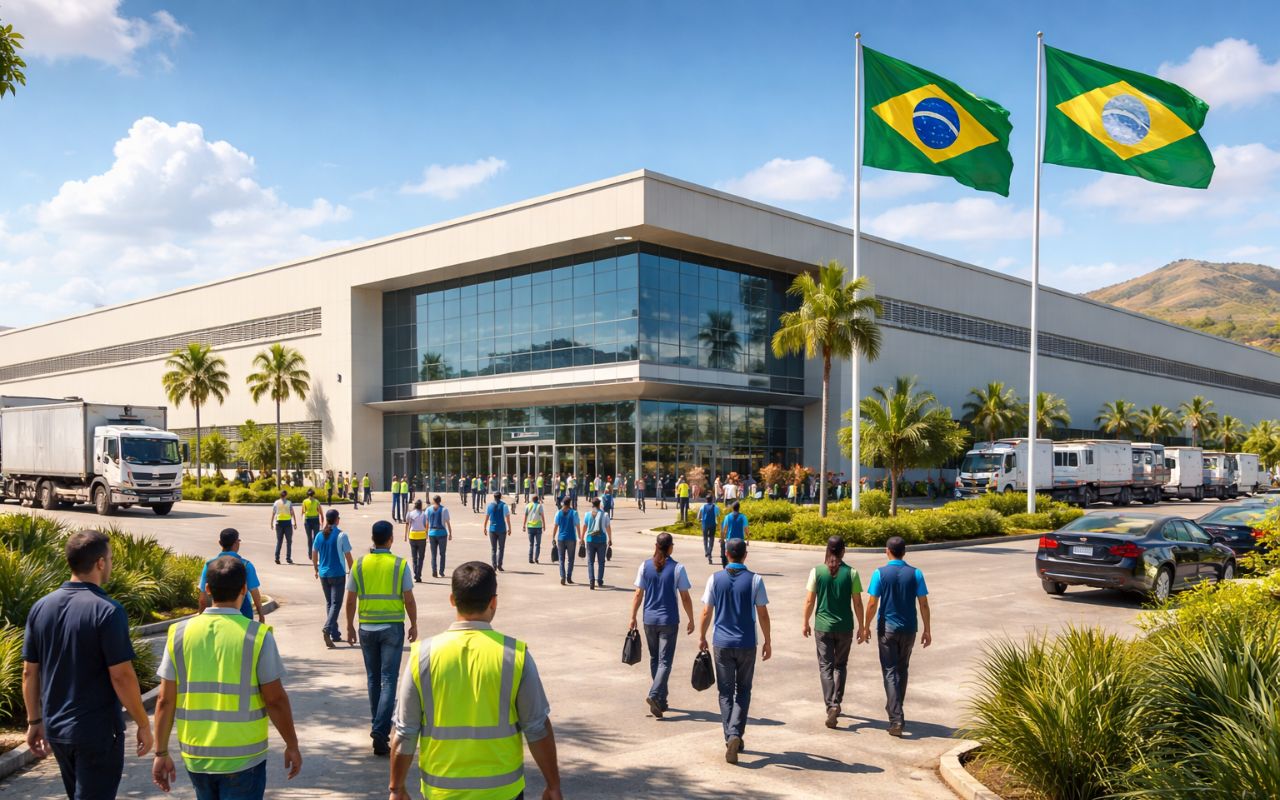
New shoe factory in Ceará is expected to create 400 jobs and strengthen the local economy.
-
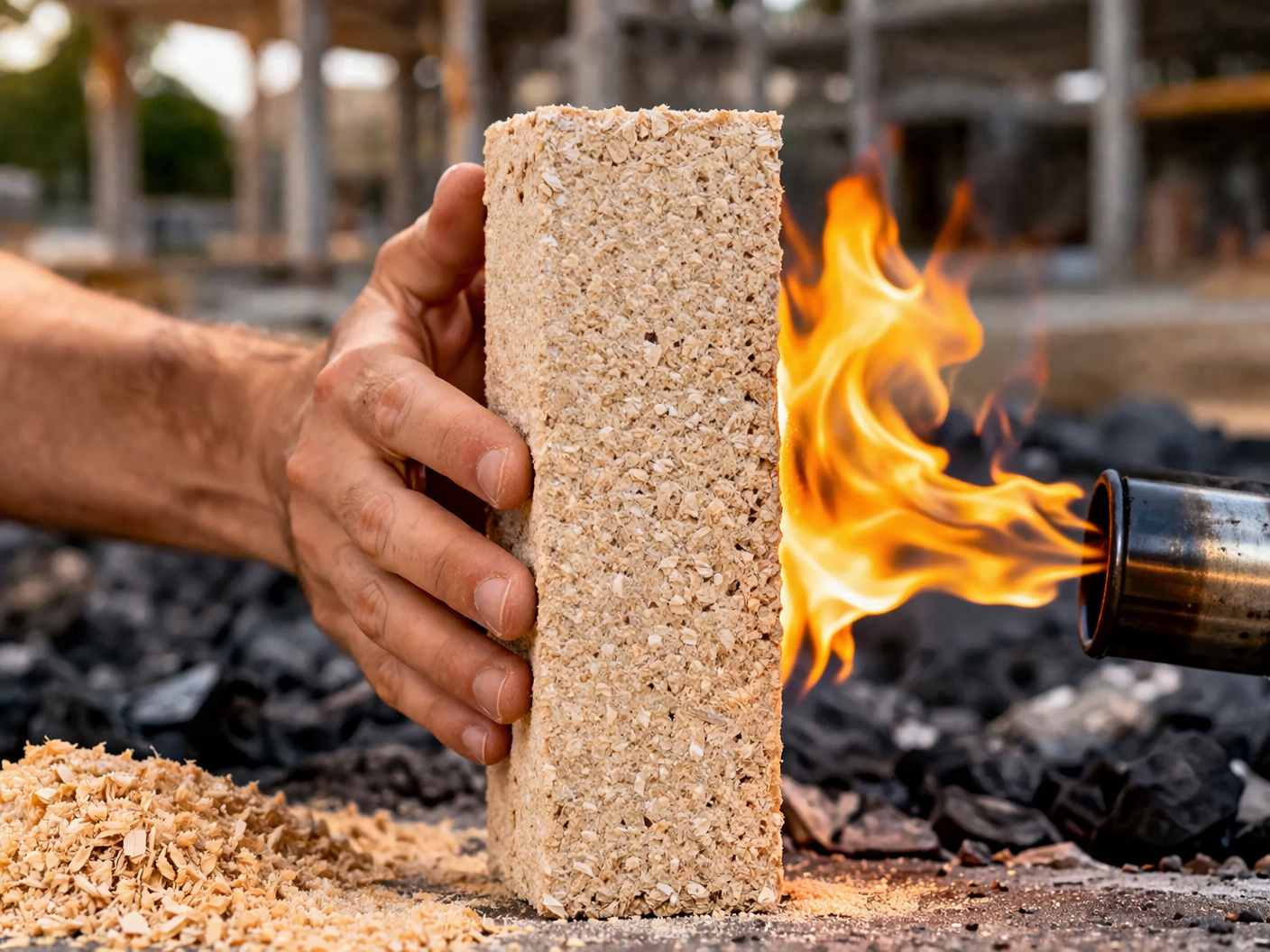
No one imagined it, but a mixture of sawdust with a mineral that fights fires surprises scientists with a result that changes the course of fire-resistant construction.
-
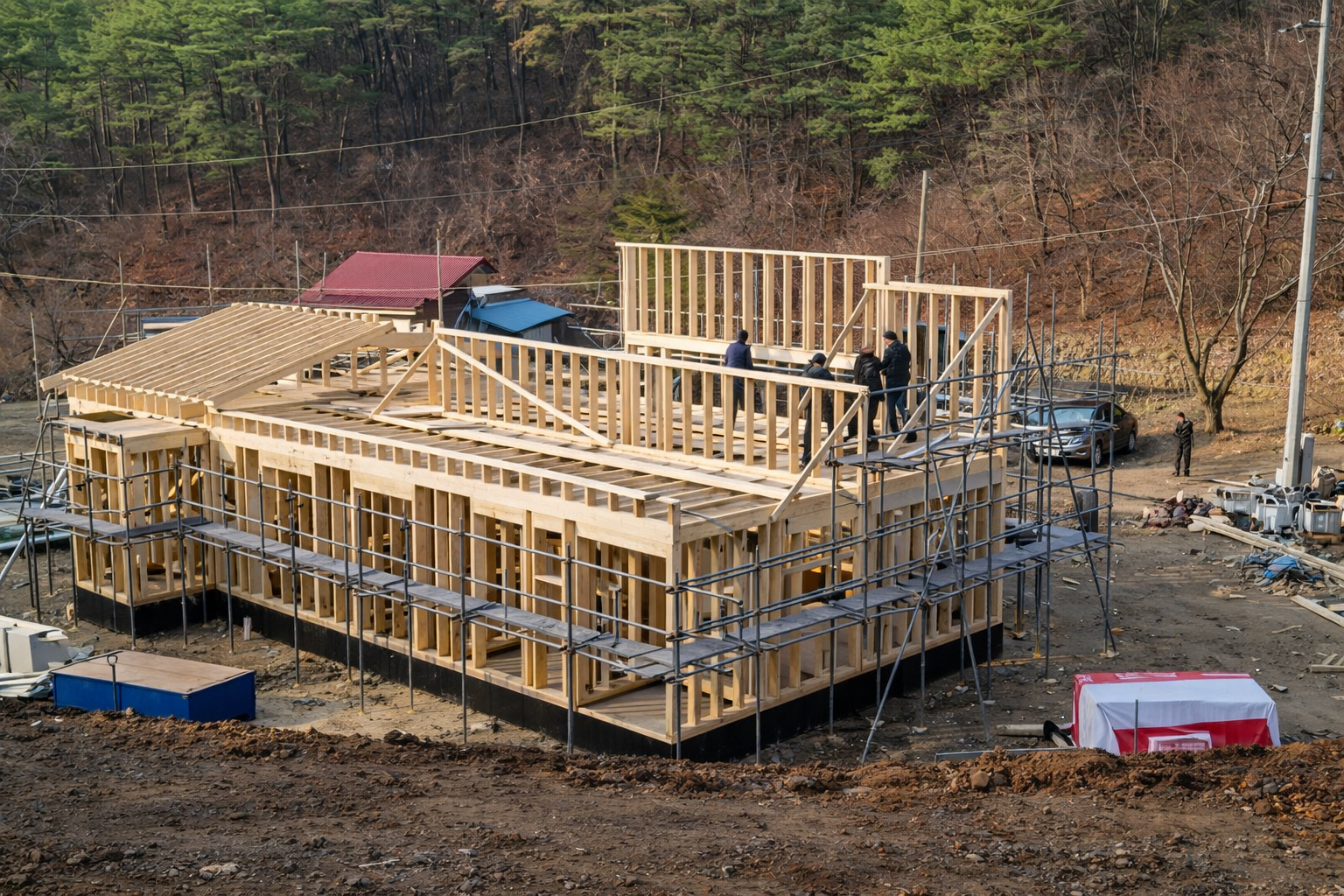
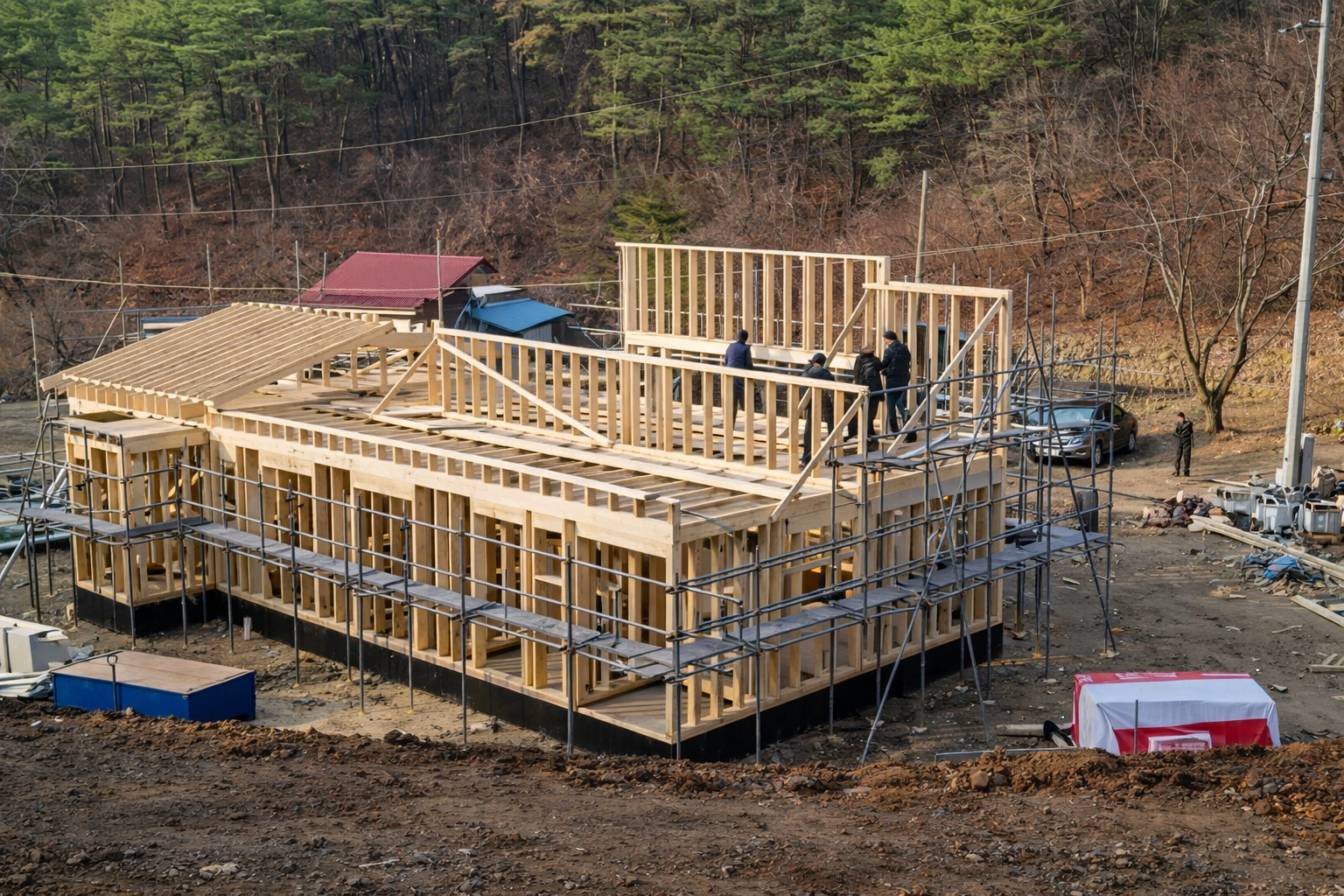
From empty land to a high-end house, wooden construction uses a lightweight system, metal structure for the foundation, ventilated ceramic cladding, and special windows to create an efficient and comfortable living space throughout the year.
In terms of job creation, the state fell behind only São Paulo, which created 4,000 jobs in the same period.
This underscores the importance of Ceará in the production of footwear in Brazil.
Current Footwear Imports and Exports
According to data from Comex Stat, between January and August 2024, Brazil imported US$ 324.17 million in footwear, which is equivalent to about R$ 1.77 billion.
The main supplier countries are Vietnam, Indonesia, and China. Minas Gerais is the largest importer, accounting for 49% of international purchases, while Ceará represents about 2%.
The state acquired US$ 6.37 million in footwear in the first eight months of this year.
On the other hand, Brazil exports more than double in added value. In the same months, US$ 717.47 million were exported, with the United States and Argentina being the main buyers of the national footwear industry.
Despite being the second largest exporter in the country, Ceará recorded a 27.6% decline in exports compared to last year, totaling US$ 135 million.
Footwear Production Under Pressure
The production of footwear in Brazil until August 2024 was over 500 million pairs, a 4% increase compared to the previous year.
The executive president of Abicalçados, Haroldo Ferreira, highlights that the increase in Brazilian households’ incomes has contributed to the positive performance of the footwear sector.
However, this recovery is under threat. China, one of the main exporters of footwear to Brazil, has increased its presence in the market.
The practice of dumping, where products are sold at prices lower than the market, creates unfair competition for Brazilian industries.
To protect the domestic market, measures are in place, such as import duties and anti-dumping tariffs, which have been extended until 2027.
The Future of the Footwear Sector in Ceará
The State Labor Secretariat of Ceará (SET) notes that despite concerns about imports, job generation in the footwear sector remains strong.
The recent inauguration of Grendene’s new factory in Crato, which generated 1,000 new jobs, is an example of the sector’s growth.
The acting secretary, Renan Ridley, believes that Ceará, especially in the footwear industry, will continue to generate more jobs, positively impacting the local economy.
In summary, although the footwear sector in Ceará has regained momentum in job generation, the growing import of footwear from China presents significant challenges. The combination of local production and the pressures from imports will determine the future of the footwear industry in Brazil.






O nosso governo pt abriu as portas para os chineses aí o empresário brasileiro que paga os impostos amarga os piores produtos os da china vcs vão ver o que isso vai dar no futuro