





 Portuguese
  English
  Spanish
  4 min of reading
  4 comments





The Mandatory Inventory Is the Essential Legal Step to Formalize the Inheritance, and When Not Opened Within 60 Days, It Can Lead to Fines in ITCMD, Prevent the Sale of Properties, Block Bank Balances, Devalue Assets, and Even Prevent the Widowed Spouse from Remarrying
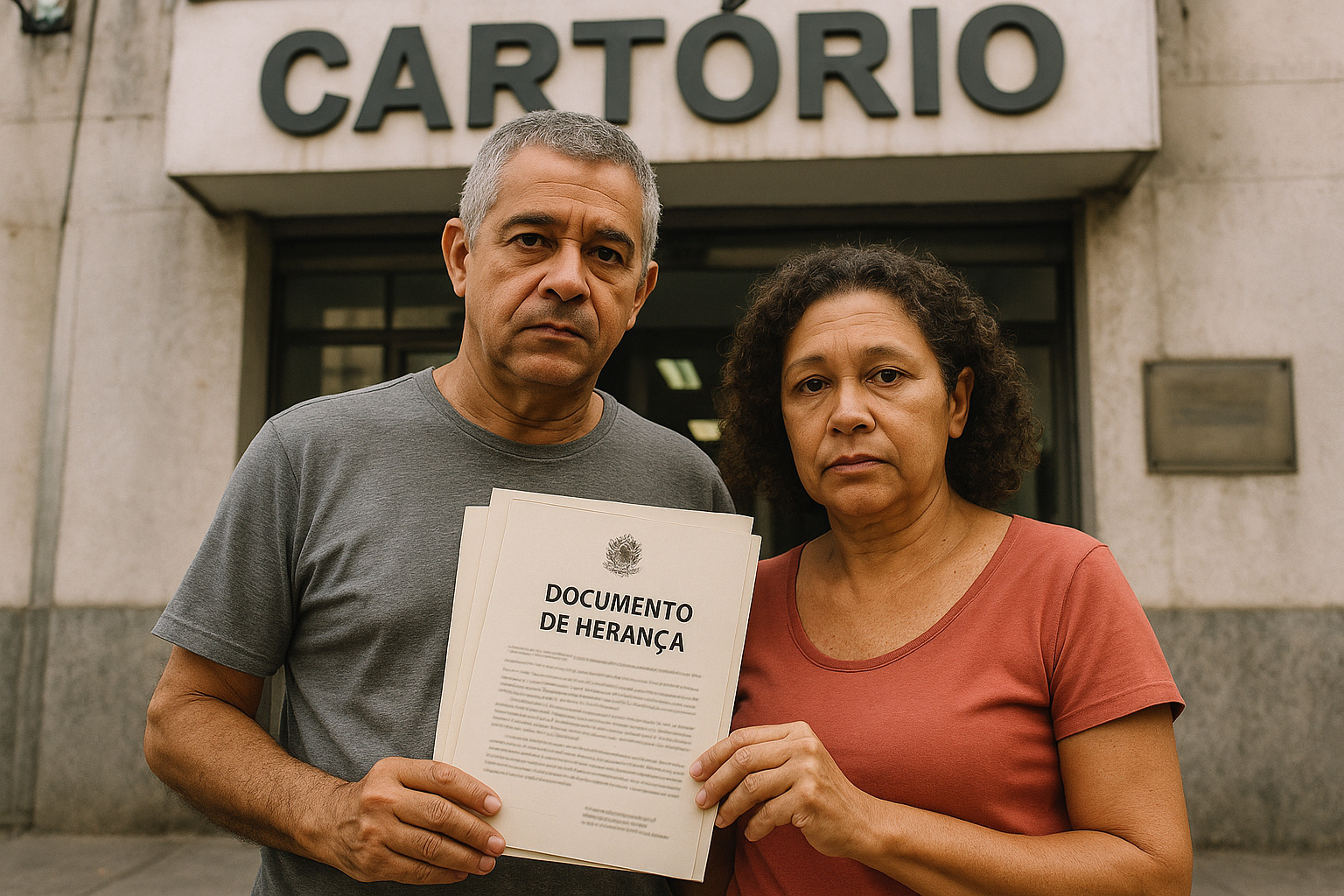
The mandatory inventory is the legal tool that ensures the transfer of a deceased person’s assets to their heirs. Even in cases of a will, with only one heir, or when the death occurred many years ago, the requirement remains valid. The legal deadline for opening is 60 days, and failing to meet it can bring serious consequences, such as fines and asset blockages.
Ignoring this obligation also compromises market value of the assets. Non-regularized properties can lose up to half their price, as buyers and banks do not accept transactions without formal documentation. For many families, the delay in the inventory turns an inheritance into a source of problems.
Why the Inventory Is Mandatory
The mandatory inventory serves to regularize the estate, that is, all the assets, rights, and debts of the deceased. Without this formalization, there is no way to legally transfer the assets to the heirs. This applies even when there is consensus among the successors, a registered will, or only one asset to be shared.
-
The new Civil Code could revolutionize marriages in Brazil with “express divorce” and changes that could exclude spouses from inheritance.
-
Banco do Brasil sues famous influencer for million-dollar debt and intensifies debate on delinquency, risks of seizure, and direct impact on Gkay’s credibility.

-
The Senate approves a bill that criminalizes misogyny, hatred, or aversion towards women, and includes the crime in the Racism Law with a penalty of up to 5 years.

-
Chamber Approves Bill That Allows Pepper Spray for Women Over 16 and Imposes Strict Rules for Purchase, Possession, and Use as Self-Defense


The law allows the inventory to be carried out in two ways. At the registry office, called extrajudicial, when all heirs are adults, capable, and in agreement, the process is faster and cheaper. In the judicial case, it is necessary in cases of disagreement, presence of minor or incapable heirs, or when there is a will that needs to be validated.
Fines in ITCMD and Impact of Delay
One of the heaviest consequences of the delay in opening the inventory is the incidence of fines in ITCMD, the Inheritance and Donation Tax. This tax is state-level, and each unit of the federation applies its own rules, but in São Paulo, for example, the fine is 10% when the delay exceeds 60 days and reaches 20% if it exceeds 180 days.
This penalty increases the process costs and can consume a significant part of the inheritance, especially when the estate is large. The accumulation of delays further increases bureaucracy and the amount due.
Blocked Assets and Devalued Estate
As long as the mandatory inventory is not completed, no asset can be negotiated. Properties, vehicles, financial investments, business shares, and bank balances remain blocked until the partition is concluded.
In addition to the legal blockage, non-regularized properties remain in an irregular situation, which prevents financing and reduces their market value by up to 50%. In practice, keeping the inheritance stalled means losing money.
Personal Consequences: Marriage and Civil Life
The mandatory inventory also interferes in the personal life of the surviving spouse. Without the partition, they are prevented from entering into a new marriage under the total community property regime, precisely to avoid a future spouse having rights over assets that are not yet regularized.
This detail shows that the delay in the inventory not only harms the family’s finances but also directly affects the civil freedom of the widower or widow.
What Changed in 2025 and What’s Coming in 2026
The mandatory inventory underwent recent changes that directly impact Brazilian families. Since 2025, with Resolução nº 571/2024 of the CNJ, it is possible to carry out extrajudicial inventory even with minor or incapable heirs, provided there is consensus among the parties involved and authorization from the Public Prosecutor’s Office.
Starting in 2026, with the Tax Reform, the progressivity of ITCMD rates will become mandatory in all states. This means that the higher the value of the inheritance, the higher the tax rate will be.
The Senate is discussing changes to the Civil Code that may affect the order of succession and bring new rules for digital inheritance, including assets such as cryptocurrencies and online accounts.
Who Has the Duty to Open the Inventory
The initial responsibility for opening the mandatory inventory lies with the surviving spouse, but any heir can initiate the process. If no family member does so, creditors, legatees, or even the Public Prosecutor’s Office have standing to initiate the action.
Letting the deadline pass means facing higher costs, emotional strain, and even the need to open accumulated inventories across different generations. The best way to avoid this is to seek guidance from a specialized attorney and begin the process as soon as possible.
The mandatory inventory is not just a bureaucratic formality, but a guarantee that the inheritance will be preserved and transmitted correctly. Delaying its opening generates fines, blockages, and can even jeopardize the family’s life plans.
And you, have you faced an inventory in your family? Do you think the 60-day deadline is sufficient, or should it be extended to give heirs more breathing room? Leave your opinion in the comments; your experience can help others facing the same challenge.










Meus avós deixou um imóvel de herança, pra 4 filhos incluindo minha mãe, já estava pronto o inventário, usos e fruto, minha mãe tbm faleceu, eu fiz inventário da minha mãe, agora minha tia faleceu, ela deixou 4 filhos, esses meus primos não quiseram fazer o inventário. Eu moro no imóvel, mesmo sem eles fazerem o inventário, eu devo pagar aluguel pra eles ou não ??
Meu foi judicial,levou 8 anos,por causa de IPTU atrasados que minha cunhada parcelou,e o advogado sempre pedindo aumento de prazo,a luta agora é pra registrar,entrei na justiça,minha cunhada não quer dar documentos que falta,pois ela mora na casa.
São 4 irmãos. O que fazer quando os pais dão um imóvel a um dos filhos sem o consentimento dos outros filhos. Agora o pai ,já faleceu, já faz 6 anos e esta filha que recebeu o imóvel, está gastando o dinheiro deixado em viagens no Brasil e fora do País. É legal?
Sou advogada atuante em direito de sucessões. Este filho que recebeu o bem por doação tem que devolver ele para o espólio e fazer parte dos bens a serem partilhados. Meu contato é 61.999561733