





 Portuguese
  English
  Spanish
 3 min of reading


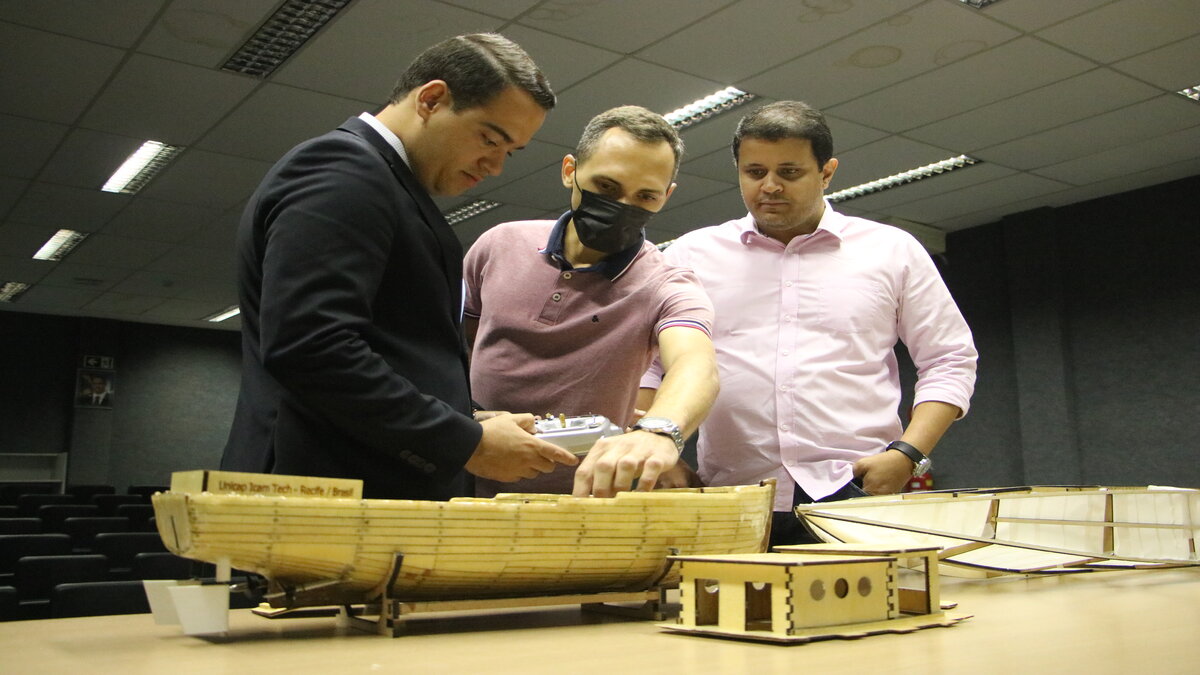
The Administration of the Port of Recife Hosted UNICAP Students for New Updates on the Technology Projects Initiative Started a Few Months Ago. Now, the Complex Continues with New Port Operations Solutions.
The Port of Recife, located in the state of Pernambuco, is increasingly investing in modernization and new port solutions for its operations. Last Tuesday (09/20), the port administration welcomed students and professors from the Complexity Engineering course at UNICAP (Catholic University of Pernambuco) to present the projects developed under the Technical Cooperation Agreement. The initiative will now continue to seek new technologies and cutting-edge solutions for the port operations of the complex.
UNICAP Students Presented the Progress of Port Operations Projects to the Port of Recife This Week
The need for investments in operational and structural improvements in Brazilian port complexes is an increasingly debated reality in the sector’s growth scenario.
In this way, the port authority of the Pernambuco complex developed a partnership with UNICAP students to seek solutions and technologies for the main bottlenecks in port operations.
-
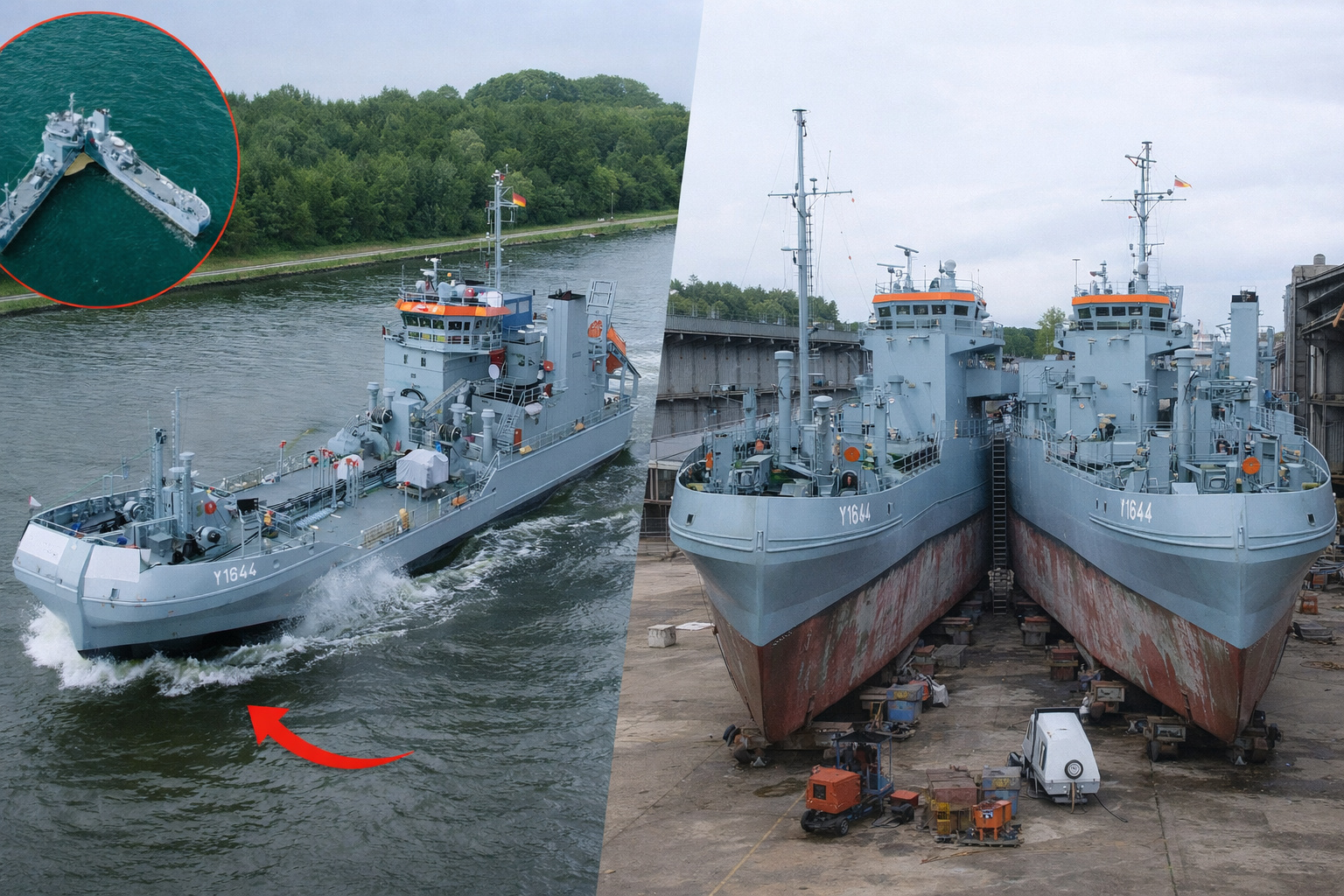
The German ship Bottsand splits its hull in two halves in the middle of the ocean to swallow spilled oil on the surface, separating the oil from the water inside a 790 cubic meter tank and then closing again. It is the only ship in the world factory-designed to split in half as part of normal operations, and the crew of six people who operate everything is civilian.
-
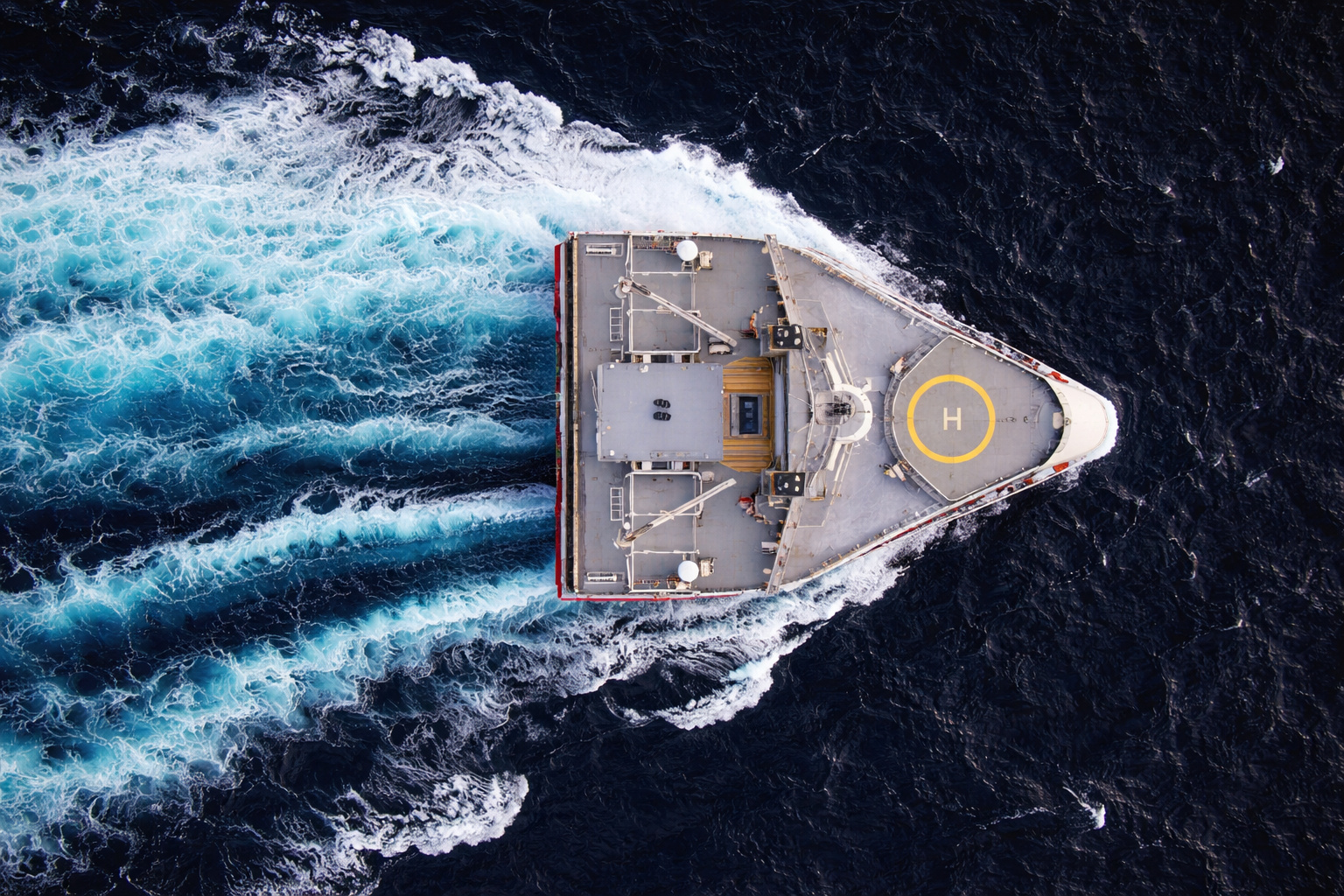
With almost 70 meters in width at the stern and a shape resembling a “giant slice of cheese,” the Ramform Titan tows up to 24 seismic cables to sweep the ocean floor in 3D and reveal oil reserves hidden beneath kilometers of sediment.
-
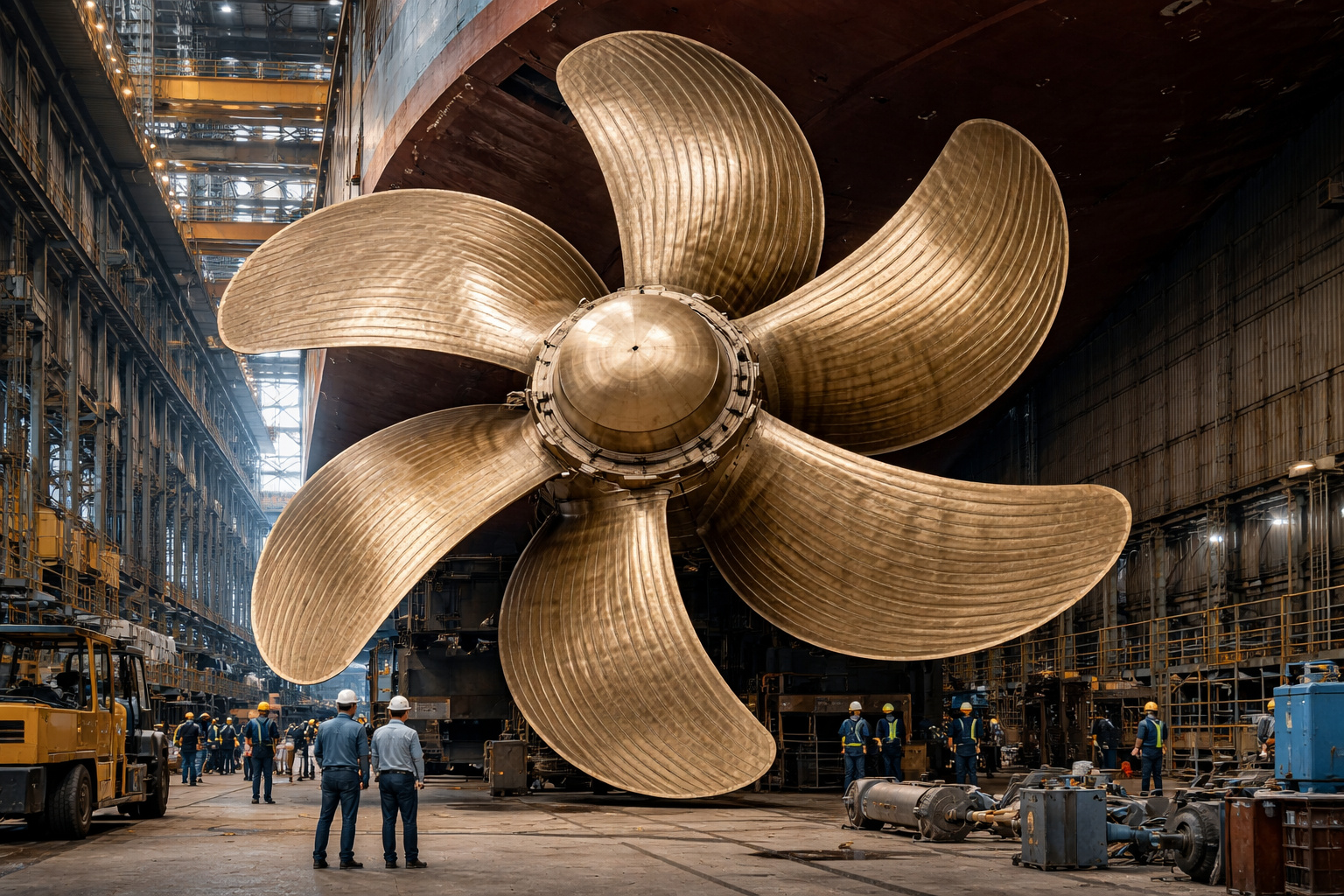
How a 131-ton, 11-meter propeller supports 90% of global trade and transforms the largest container ships on the planet.
-
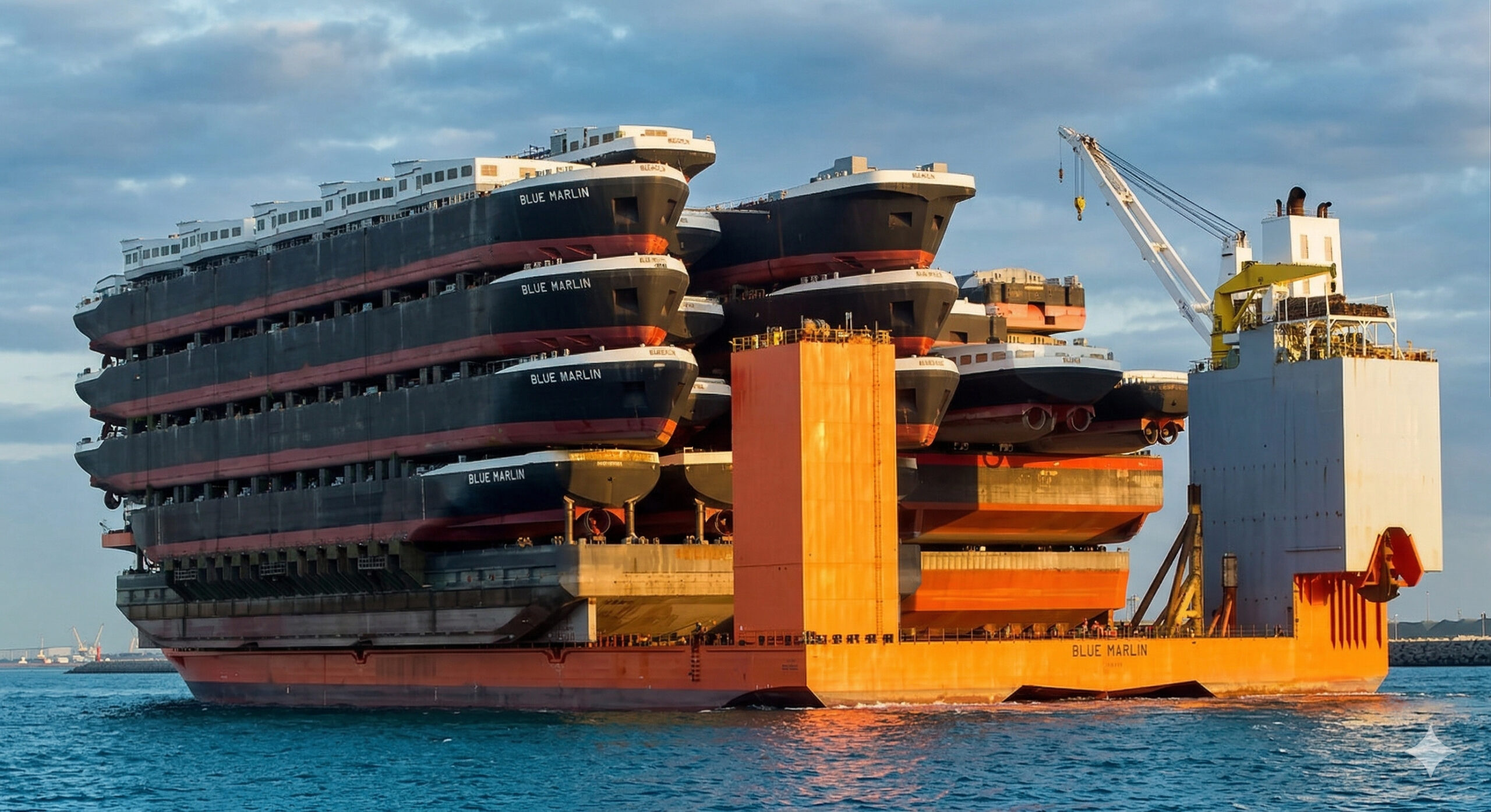
With a length of 225 meters and a capacity of 76 thousand tons, this ship “sinks” its own deck down to 28 meters deep to accommodate war destroyers, oil platforms, and giant radars floating above, and then emerges with everything intact on top like a colossal tray crossing oceans.
In 2021, four students began working in partnership with the Port and interned at the dock for a period of three and a half months, seeking solutions for the main problems of the complex.
The bottlenecks identified were: the need for recurring bathymetry, improvement in the environmental monitoring system in the port area, and a filter to act within the dock drainage system.
Thus, the students and professors involved in the technology projects gathered at the Port of Recife to discuss the progress of the Technical Cooperation Agreement.
“What the Complexity Engineering course is doing at the Port of Recife is studying which complex points we do not have an immediate solution in the market and developing this so that we can improve the efficiency of port operations. In addition, the students gain a unique scientific experience that they develop within the dock,” emphasized Tito Moraes, president of the complex.
The UNICAP students then developed a sustainable and viable solution for these port operations problems, a boat powered entirely by a renewable energy source and that can be controlled remotely.
Other projects were presented at the meeting, and the Technical Cooperation Agreement will now move on to the next steps.
The Port of Recife Will Receive Prototypes of UNICAP Projects for Solutions to Bottlenecks in the Port Operations of the Complex
After the presentation of the four initial projects with innovative technologies to solve the problems of the Port of Recife, the UNICAP students will proceed to the next stages of the agreement.
Thus, the next step to be taken is the development of full-scale models of the four projects presented to the Port and to seek partners to finance the conception of these technologies.
This entire initiative will be carried out in partnership with Science and Technology Institutions in the northeastern region, aiming for better utilization of the solutions presented in the University projects.
The completion of the initial project for the vessel is scheduled for October, and it will then undergo a testing phase at the Port of Recife for about two months to analyze its efficiency.
Additionally, besides the participants from UNICAP, two exchange students from France will be responsible for monitoring the development of these tests and will intern at the dock.
Thus, the Pernambuco port complex can further develop in the national cargo handling scenario and reach a new level in port operations.









Seja o primeiro a reagir!