





 Portuguese
  English
  Spanish
  4 min of reading
  6 comments





With Foreign Investment of US$ 84.1 Billion Between January and November, Brazil Records the Best Result Since 2014, Surpassing the Total of 2024 and Entering December Close to a Historic High, Supported by Recent Months Above Average and Signs of Institutional Confidence for New Productive Cycles.
The foreign investment has returned to the center of the Brazilian economy in 2025, with an inflow of US$ 84.1 billion between January and November, according to the Central Bank. This volume is already the highest in ten years and places the country back in a competition that involves capital scale, regulatory predictability, and execution capacity.
In the most immediate timeframe, November recorded US$ 9.8 billion, compared to US$ 5.7 billion in the same month of 2024, a 72% increase. This advancement, combined with the strong performances in September and October, raised the annual accumulation beyond the total for the entire year of 2024, which was US$ 74 billion, with growth of 13.5%.
What the 2025 Numbers Show About the New Level
The disclosed data indicates that Brazil has already achieved a result not seen since 2014. It is not just a high number, it is a change in scale in the entry of international capital within a short period. When the accumulated amount from January to November surpasses a previous entire year, the market interprets this movement as a sign of traction above normal.
-
China, Brazil, and India together control the largest rare earth reserves on the planet and are now at the center of a geopolitical dispute that could determine who will dominate technology and the global economy in the coming decades.

-
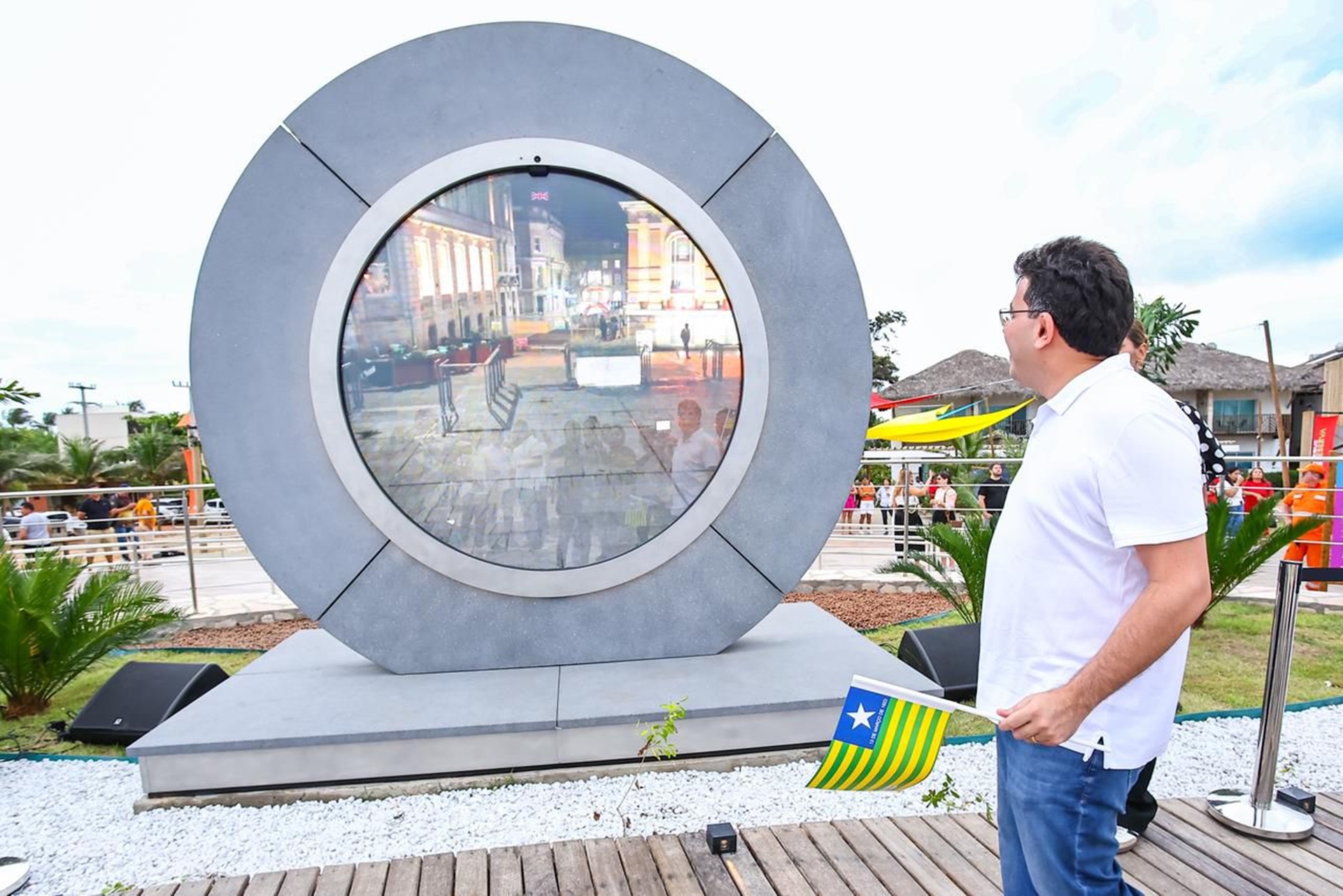
While thousands continue to lack water and sewage on the coast of Piauí, the government inaugurates a R$ 5.5 million international portal in Barra Grande and bets on global visibility.
-
Lula’s government opens 13,000 positions for teachers in Brazil and creates more than 24,000 federal jobs, with an impact of R$ 5.3 billion by 2026.

-
A Chinese electric vehicle technology giant wants to invest up to R$ 200 million in a city in Santa Catarina, and the mayor returned from China with a signed document that guarantees the immediate opening of a CNPJ and the start of operations in Brazil.

According to the Central Bank’s historical data, which begins in 1995, the largest annual volumes were recorded in 2011 (US$ 102.4 billion), 2012 (US$ 92.6 billion), and 2014 (US$ 87.7 billion). With US$ 84.1 billion before closing December, the country enters the last month of the year very close to these marks, with a real chance of rearranging the recent ranking.
Who is Bringing Capital and Why the Flow Gained Strength
The flow of foreign investment is driven by international investors seeking predictable return environments in large economies. In the Brazilian case, the recent volume suggests a combination of interest in the domestic market, a broad production base, and expectations of continued projects with a longer horizon.
In the government’s official view, the attraction of capital is linked to institutional predictability. Geraldo Alckmin highlighted that measures such as the New Brazil Industry and the Tax Reform approved by Congress create conditions for productive capital to advance. When rules and planning are clearer, the cost of uncertainty decreases, which often accelerates investment decisions.
The Effect of the Final Quarter and the Weight of November
The Central Bank pointed out that September, October, and November were above the recent average. This data is relevant because it shows that the acceleration was not restricted to a single month. In scenarios like this, the market tends to observe less the specific peak and more the consistency of the curve, which defines trends.
November, in particular, served as a barometer of the intensity of this movement. Moving from US$ 5.7 billion to US$ 9.8 billion in twelve months in the same calendar month reveals a real-time shift in pace, with a direct impact on expectations for annual closure and on the external perception of Brazil’s capacity to absorb capital.
What is Missing for the Record and What is at Stake
The distance to the largest historical marks has decreased with the total up to November. This places December at the center of the analysis, as the result for the month may determine whether 2025 will end as just the best year in ten years or if it will also join the group of major records in the series that began in 1995.
More than competing for a final number, the country is in play for positioning. High-volume foreign investment enhances the reading of confidence, expands the margin for productive expansion, and strengthens the capacity to finance growth with international participation. At the same time, it maintains pressure for execution, productivity, and regulatory stability to sustain the cycle beyond a single year.
Brazil reaches the end of 2025 with a rare combination: high volume, acceleration in the final quarter, and a real proximity to historic capital inflow marks. With US$ 84.1 billion by November, the debate shifts from whether there was progress to what will be the size of this turnaround at the year’s close.
In your view, what explains this recent jump more: institutional predictability, the size of the Brazilian market, or long-term investor strategy? And, thinking about 2026, do you believe this level of foreign investment is sustainable or was it a peak difficult to repeat?










Quem está investindo no Brasil, qm tem coragem
Propaganda enganosa da esquerda em ano eleitoral,
Pra atrair ****
Com taxa de juros alta, descontrole de contas públicas, novos impostos, escândalo financeiro, corrupção envolvendo a previdência, insegurança jurídica, congresso voltado para seus interesses, ano eleitoral, estes investimentos continuarão nos próximos anos?