





 Portuguese
  English
  Spanish
  4 min of reading
  0 comments



Real Estate Investors Target Municipalities in the Amazon: Land in Canaã dos Carajás and Parauapebas – Region of the Largest Mineral Province on the Planet, Explodes with Billion-Dollar Projects and New Infrastructure
With infrastructure in full expansion, billions in investments, and one of the highest GDPs per capita in Brazil, the Pará municipalities of Canaã dos Carajás and Parauapebas are establishing themselves as the new epicenter of opportunities in the heart of the Amazon. Located in the region of the largest mineral province on the planet, the two cities have transformed from mere mining territories into strategic hubs for real estate investors attentive to the market transformations.
The Amazon is not just a forest — it is also synonymous with progress. Investment in the construction of the new airport in Canaã dos Carajás and the expansion of the terminal in Parauapebas marks the beginning of a new phase in the region’s logistical development. The advancement in urban infrastructure is directly linked to the rising value of lands, enhancing opportunities for those seeking profits in the real estate sector.
According to a report published by Agência Pará, Canaã already leads national rankings in revenue from mining royalties, boosted by the presence of S11D — considered the largest open-pit iron ore project in the world, operated by Vale.
-
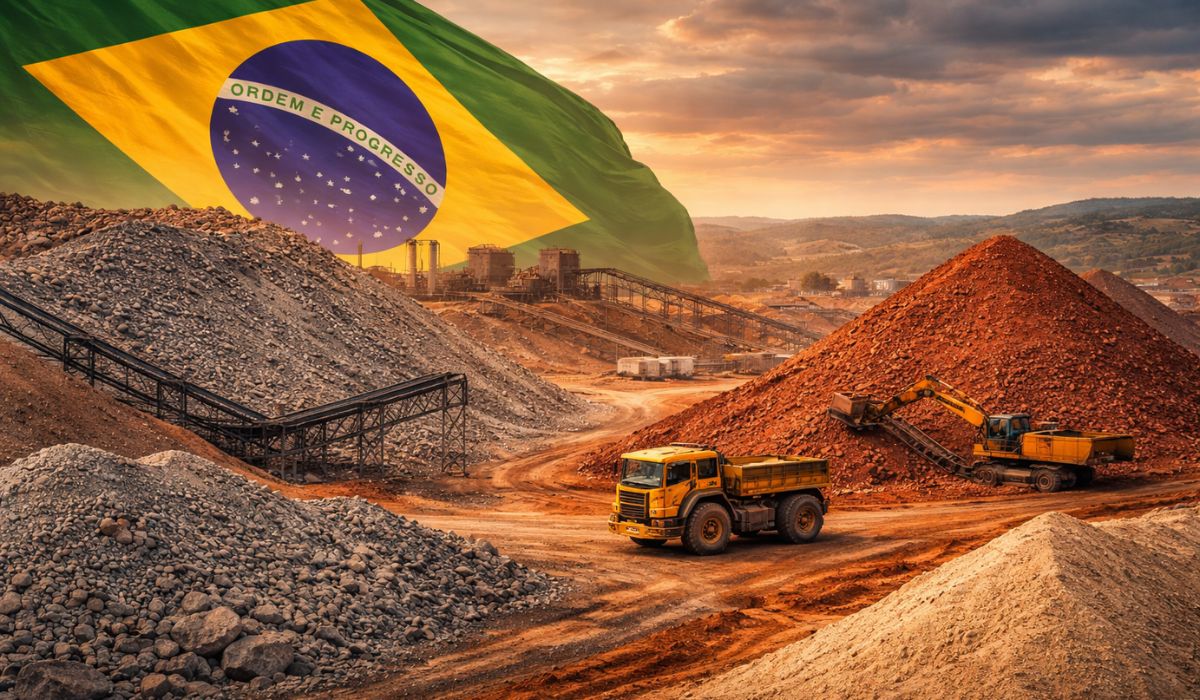
Brazil extracts 26.3 million tons of ore from what was previously treated as waste, transforming residues into wealth, producing over 3 million tons of sand, and demonstrating how national mining is relearning to generate value.
-
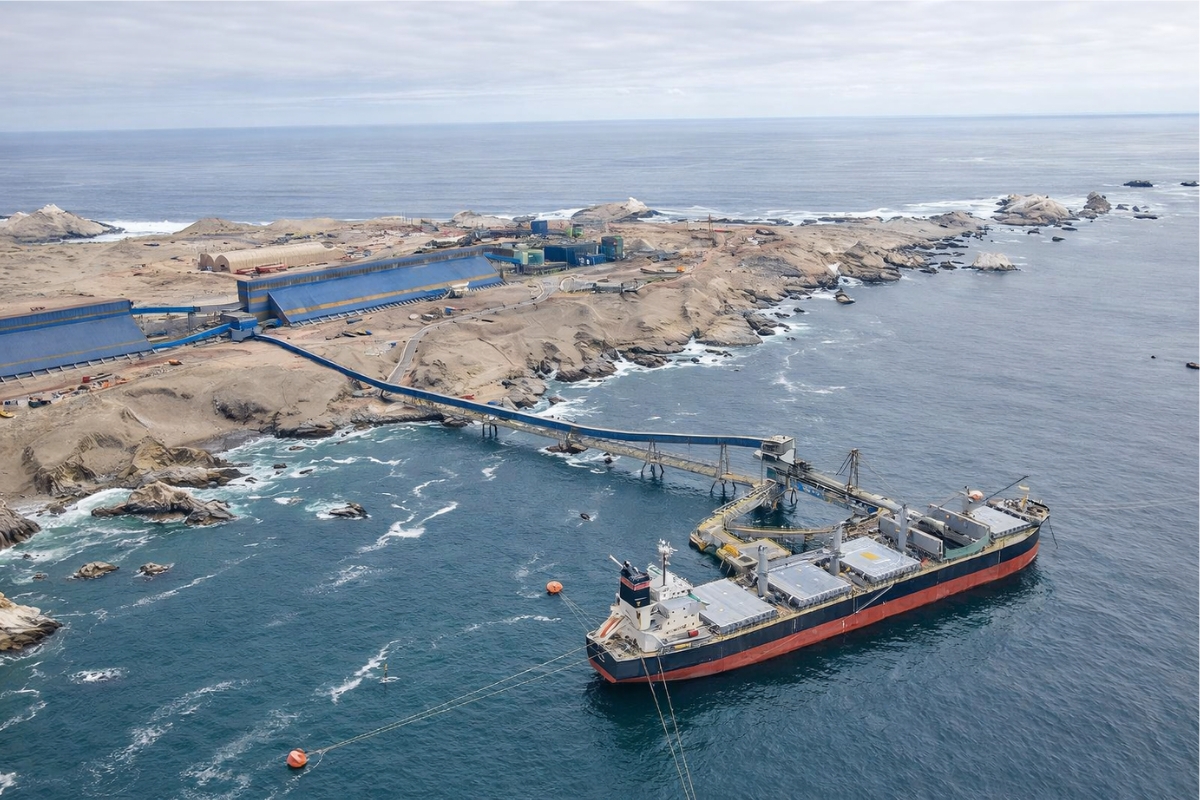
A $3.5 billion megaproject in Latin America pumps desalinated seawater at 1,050 liters per second over 194 km to keep a copper supermine in the Andes operational for another 20 years.
-
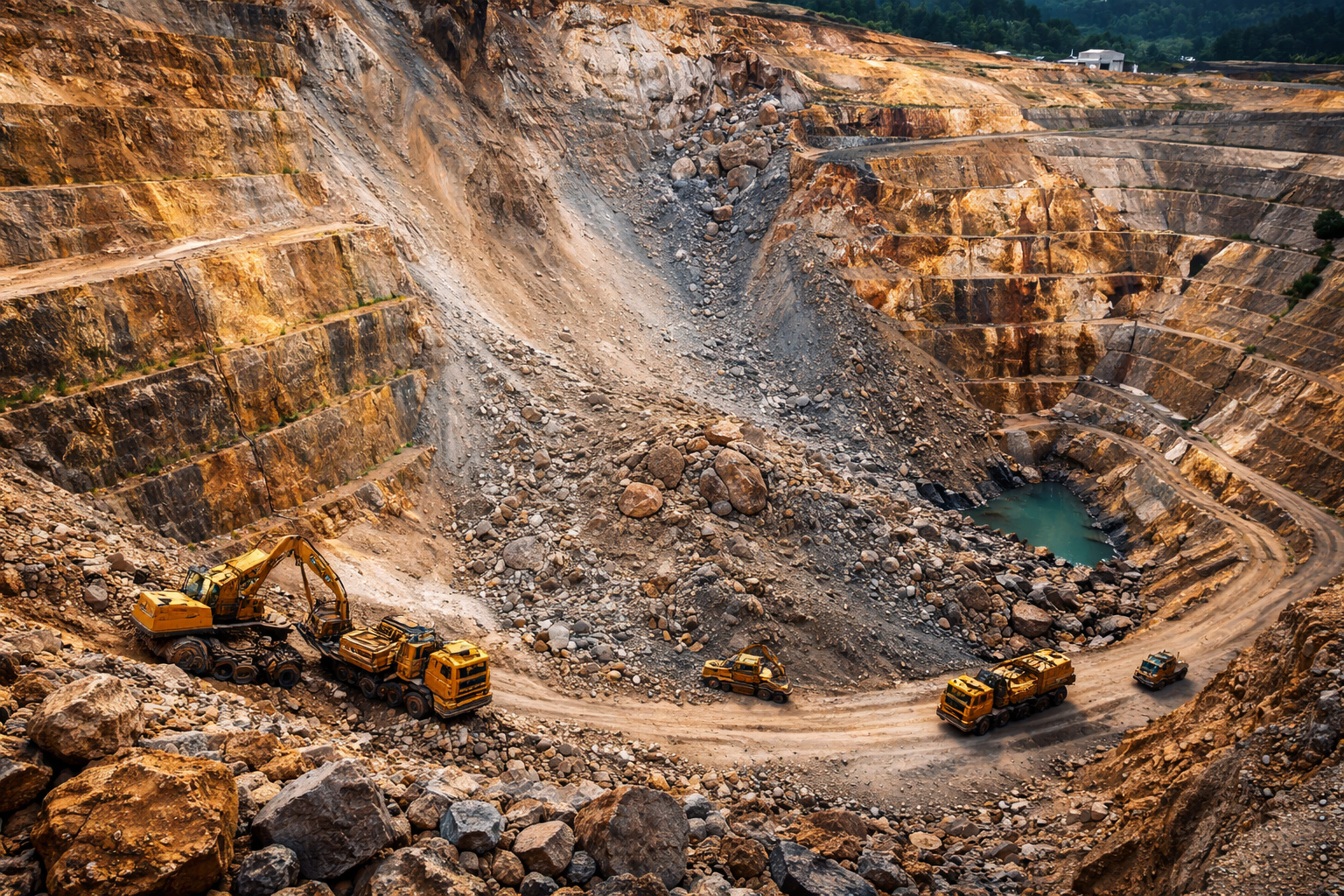
A hidden mine in the Andes valued at nearly R$ 1 trillion is starting to attract global attention, containing copper, gold, and silver, and raises an intriguing question: why do Argentina and Chile need to act together to exploit this gigantic wealth?
-
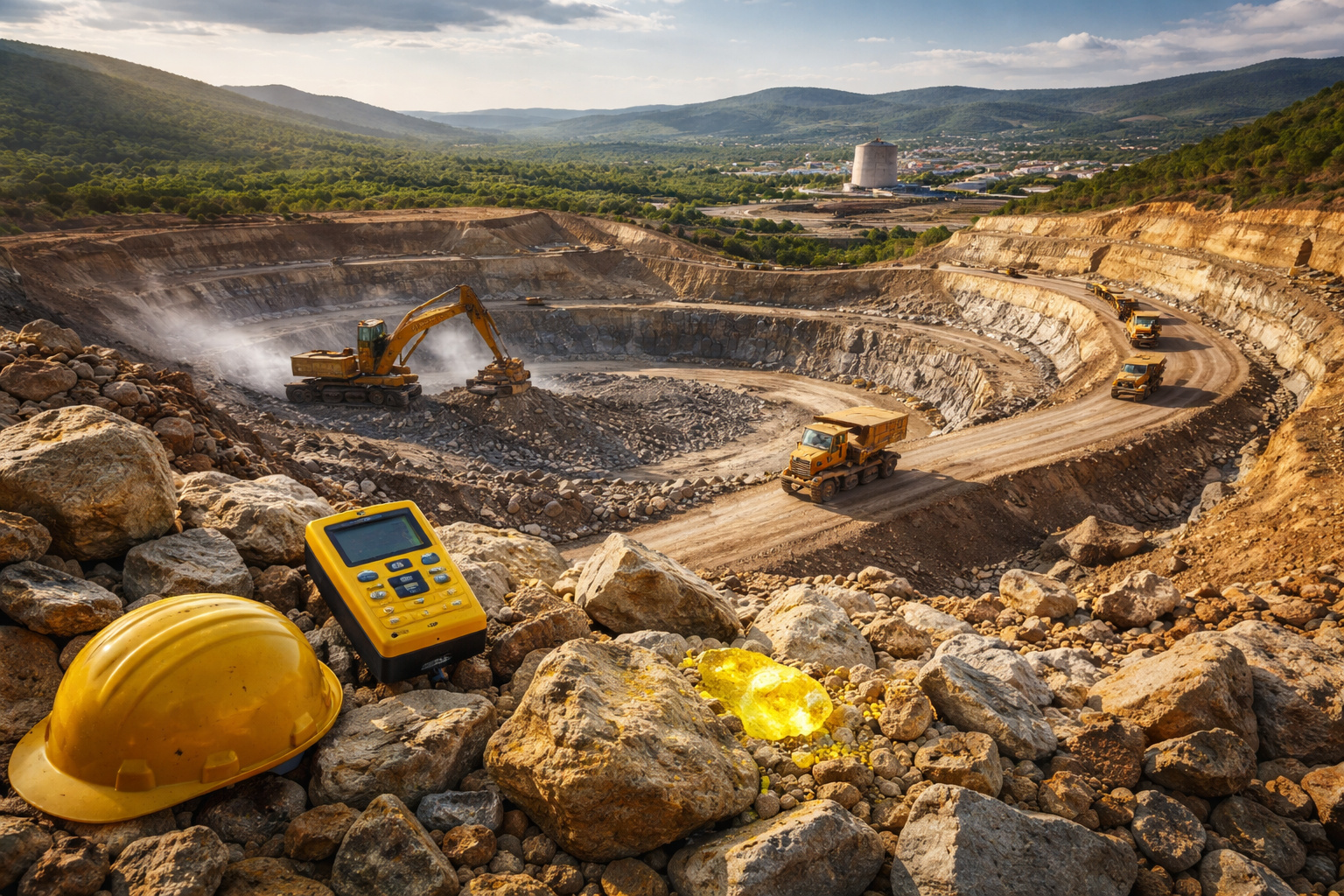
A silent discovery in the interior of Bahia could change the future of energy in Brazil: a uranium reserve in Lagoa Real has an estimated capacity to produce 400 tons per year and is already attracting the attention of energy sector specialists.

Mining Remains Relevant, but the Game Has Changed
Although investment in mining is still the main economic driver of the region, the landscape has begun to shift. For real estate expert Abimael Brígido, we are witnessing a pivotal moment:
“Canaã is emerging as a city with a high quality of life in Brazil, with a GDP that rivals capitals, and Parauapebas is beginning to reconfigure itself as a center for services and logistical support, showcasing characteristics of a post-mining economy.”
This economic profile shift opens up space for new fronts of investment: executive hotels, shopping centers, planned condominiums, and even logistics warehouses focused on handling goods that are not directly linked to mining.
Price Explosion and Scarcity of Land: Canaã dos Carajás and Parauapebas Enter the Premium Season and Challenge Real Estate Investors
The rapid growth has also brought a new challenge: the lack of available land for new real estate projects. In Canaã, no more plots are being launched, and Parauapebas is headed for the same scenario.
According to Brígido, the moment calls for strategy:
“Now the game has changed. It is essential to make smart purchases, seek ways to secure discounts, be capable of solving problems, and not hesitate when facing a good deal.”
This dynamic leads to an immediate appreciation of existing properties and marks the beginning of the so-called “premium season” — when the price of active assets starts to grow rapidly, benefiting those who entered the market early.
From Mining Town to Regional Metropolis: With Universities, Shopping Centers, and Strategic Projects, Parauapebas and Canaã dos Carajás Become Future Cities in the Heart of the Amazon
According to data from the IBGE, Canaã dos Carajás is among the municipalities with the highest GDP per capita in Brazil. This growth is not limited to public coffers. The municipality has invested part of its revenue in urban planning, urban mobility, sanitation, and education, laying the foundation for a model city in the heart of the Amazon rainforest.
“This creates a real estate demand that goes far beyond high-end residential. There is room for new hotels, business centers, commercial infrastructure, and support services for companies arriving with their teams to explore the region’s potential,” the expert emphasizes.
With over 250,000 inhabitants, Parauapebas is entering a new phase in its history. The city, which grew under the shadow of mining, now attracts universities, national retail chains, reference medical centers, and a diversity of businesses that enhance its urban vocation.
This movement is comparable to what happened in cities like Uberlândia (MG) or Sinop (MT), which were born linked to a dominant economic activity but have reinvented themselves as complete development hubs.
Billions in Investment: Airports, Mobility, and Capital Flow
The arrival of the new airport in Canaã and the modernization of the Parauapebas terminal are transformative economic infrastructure projects that attract more investments. With more flights, better connections, and enhanced logistics, real estate investors gain access to a rapidly expanding market, while companies from all over the country begin to view the cities as strategic logistical and operational platforms.
As Abimael Brígido states:
“The best time to invest is when everything is still being prepared. Once the big players have arrived, prices go up. Profit is usually guaranteed at the purchase and not at the sale. Right now, it is still possible to buy well, with good margins. Those who enter today can reap benefits in the coming years.”
Amazonian Municipalities Consolidate as Fertile Territories for Real Estate Investment, Thanks to the Balance Between Infrastructure and Mining
The Amazonian municipalities of Canaã dos Carajás and Parauapebas are establishing themselves as fertile territories for real estate investment, thanks to the balance between modern infrastructure, structuring mining, land valuation, and long-term strategic vision. The forest, mineral resources, and capital are now working together in building a new growth hub for Brazil.
How do you perceive the impact of mining and infrastructure on the growth of Amazonian municipalities? Share your perspective on the development of Canaã dos Carajás and Parauapebas in the comments!









Seja o primeiro a reagir!