





 Portuguese
  English
  Spanish
  5 min of reading
  0 comments


Approved the Bill ‘Future Fuel’, Brazil Shines in the Global Clean Energy Market and Boosts the Growth of Biofuels.
Have you heard of biofuels? This is one of the sectors that is on the rise when it comes to clean energy, and Brazil is on its way to becoming one of the major global players in this market. The approval of the bill “Future Fuel” by the National Congress promises to revolutionize the Brazilian energy sector, creating a favorable environment for new investments. It is estimated that this approval will unlock about R$ 200 billion in investments in the country, according to the Ministry of Mines and Energy. But what are biofuels, how do they work, and why are they so important for the future of clean energy? Let’s take a closer look at this topic!
What Are Biofuels?
Biofuels are fuels produced from renewable raw materials, such as plants, agricultural waste, used cooking oil, animal fats, and even sewage sludge. Unlike fossil fuels, which release large amounts of carbon into the atmosphere, biofuels are considered a more sustainable alternative, as they emit less greenhouse gases and can be reused.
The Brazil is already one of the largest producers of biofuels in the world, with a focus on sugarcane ethanol and biodiesel. With the new legal framework, the country aims to further expand this market, exploring new sources and technologies to boost clean energy production.
-
Revolution in public transport: Goiânia puts into circulation the first articulated buses powered by biomethane in Brazil and promises to drastically reduce pollution on the Anhanguera Corridor.

-
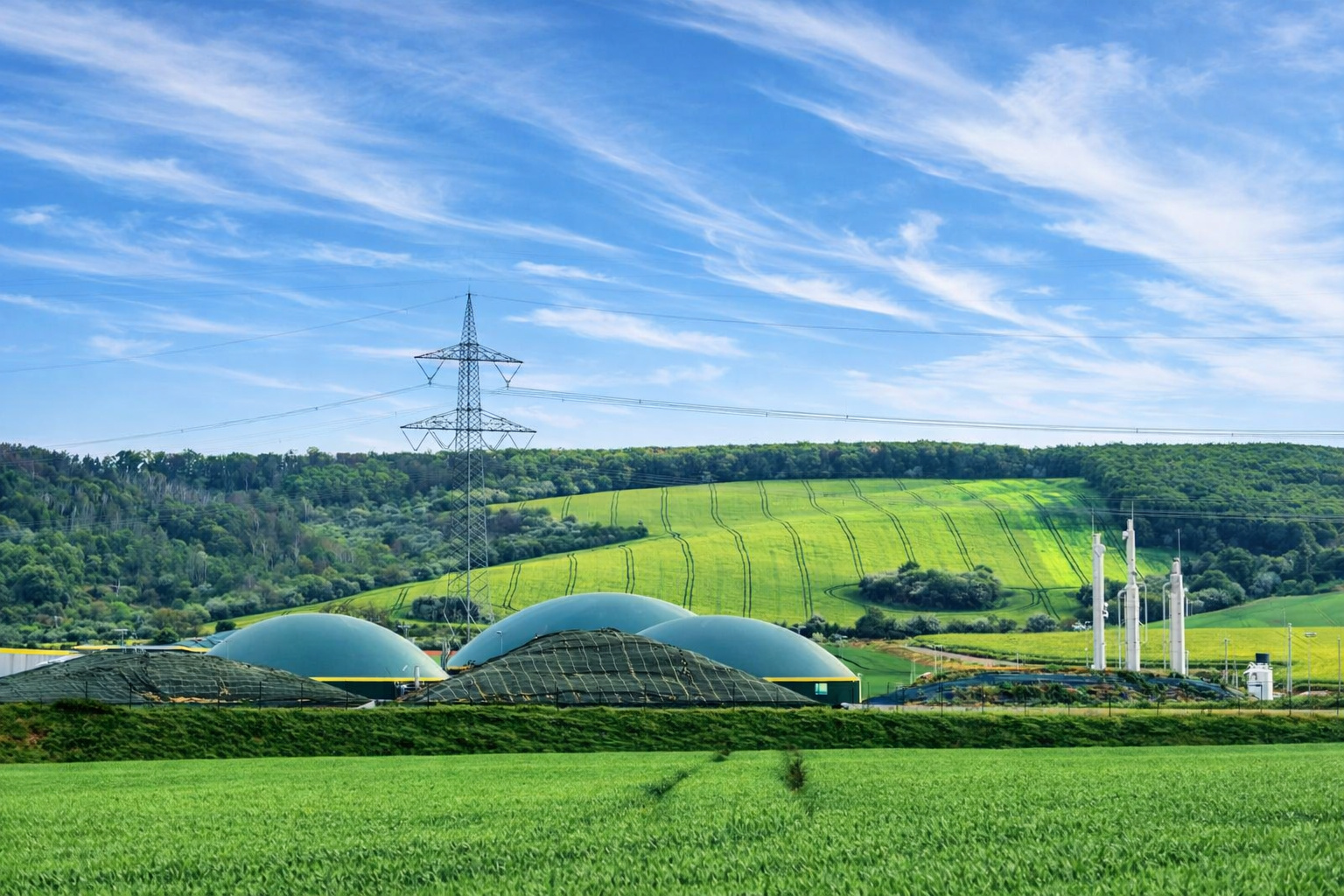
From the field to the pipelines: Mato Grosso do Sul accelerates the energy transition and consolidates a new axis in renewable energy with the arrival of a giant biogas plant.

-
The Economist states that Brazil has a “secret weapon” against expensive oil and highlights how the country can reduce economic impacts even in international scenarios of high volatility.
-
Brazil accelerates decarbonization in the South: International forum in Foz do Iguaçu gathers leaders to discuss the advancement of biomethane in the energy matrix and the potential of “caipira pre-salt.”

The New Frontier of Brazil
With the world increasingly concerned about climate change, the search for clean energy sources is on the rise. Biofuels play a crucial role in this transition to a more sustainable future. And Brazil, with its vast arable land and expertise in agribusiness, is well-positioned to lead this transformation.
The legal framework for biofuels, approved in September, not only provides legal security for companies in the sector but also encourages the development of new technologies and businesses based on renewable raw materials. Highlights include the use of biomethane to replace natural gas, the increase in biodiesel blending with diesel, and the advancement of sustainable fuels for aviation, known as SAF (Sustainable Aviation Fuel).
Promising Investments in the Biofuels Sector
With the approval of “Future Fuel”, Brazil has attracted the attention of investors from around the world. The estimate of R$ 200 billion in new investments reflects the confidence in the country’s potential to lead the clean energy market.
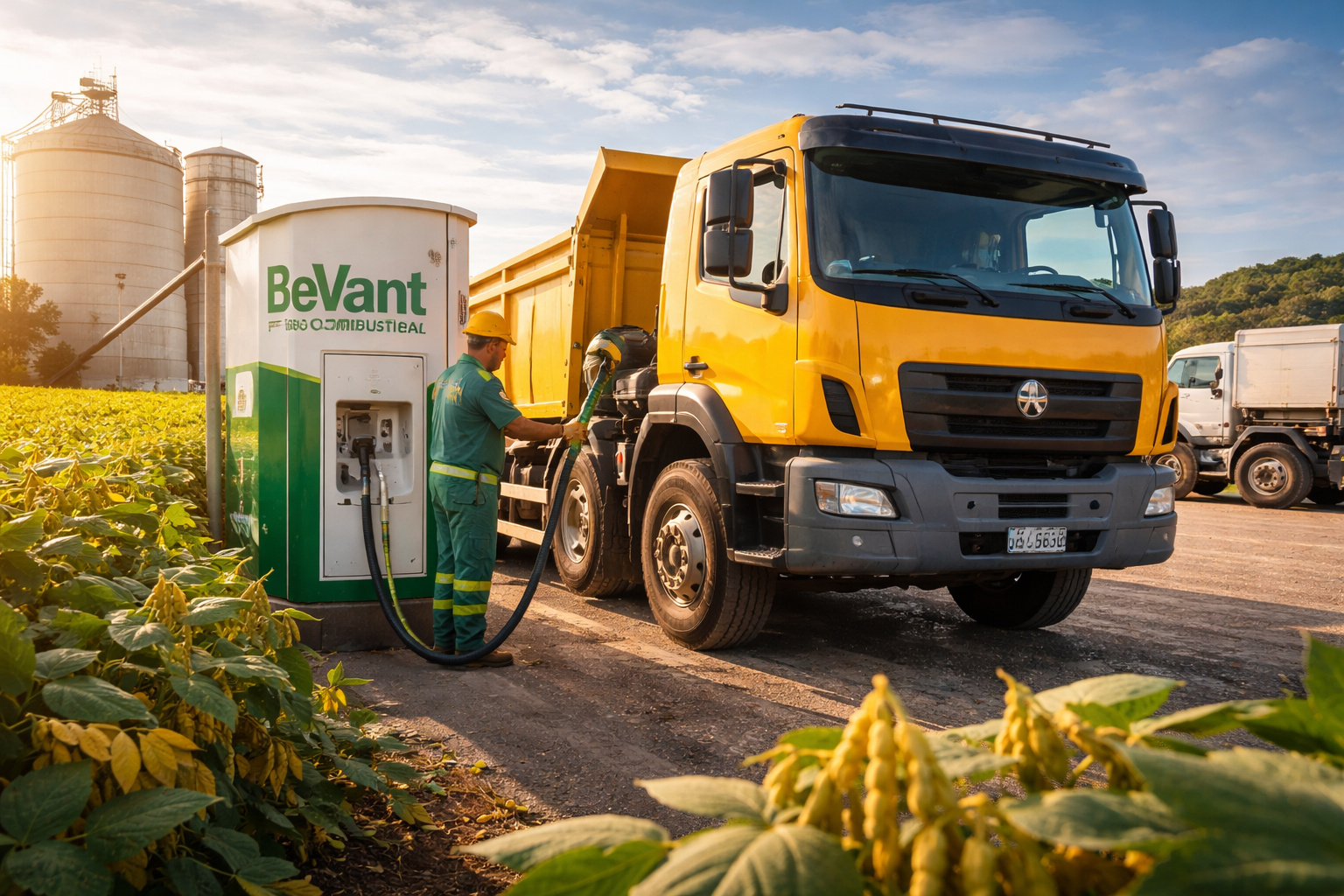
According to Erasmo Carlos Battistella, CEO of Be8, one of Brazil’s leading biodiesel companies, “with the approval of the law, a new journey for bioenergy in Brazil begins”. The country has agricultural areas that can still be explored to increase raw material production, which will be essential to expand biofuel production.
New Projects Underway
In addition to expanding the production of ethanol and biodiesel, Brazil is also developing second-generation biofuels, which have a lower carbon footprint and are even more efficient. An example of this is corn ethanol, which is becoming a viable alternative to sugarcane ethanol, especially in regions where sugarcane is not competitive, such as the North and Northeast.
Another highlight is the R$ 500 million investment from the National Bank for Economic and Social Development (BNDES) to expand the productive capacity of corn ethanol in Mato Grosso. This financing is part of a larger strategy to encourage the use of renewable raw materials for clean energy production in Brazil.
The Role of Ethanol in Decarbonization
Ethanol, which pioneered the introduction of biofuels in Brazil with flex-fuel cars, continues to be one of the main protagonists of clean energy in the country. In recent years, ethanol has played a crucial role in the decarbonization of various industrial sectors.
Ricardo Mussa, CEO of Raízen, one of the world’s largest bioenergy producers, highlights that sugarcane ethanol is increasingly being used for industrial purposes, such as in the chemical and polymer industries. Currently, 70% of the ethanol produced by Raízen is destined for export to overseas markets, where it commands a premium due to its ability to “break the carbon chain” of chemical products.
Biofuels in Aviation, What to Expect?
Another promising field in the biofuels sector is sustainable aviation fuel (SAF). SAF is an alternative to traditional aviation kerosene and can be produced from renewable raw materials, such as used cooking oil, sugarcane bagasse, and animal fats.
The Brazil is well positioned to become a global leader in SAF production, especially because the country has about 40 million hectares of degraded land that can be used for biomass production without the need for deforestation. Brazil is already the second-largest producer of SAF, trailing only the United States.
Companies like Acelen Renováveis, which belongs to the Mubadala fund from the United Arab Emirates, have already announced massive investments in the sector. The company plans to invest R$ 12 billion by 2033 at the Mataripe refinery in Bahia to produce 1 billion liters of SAF for aviation.
The Need for Public Policies That Incentivize Biofuel Production
Although Brazil has enormous potential in the biofuels sector, there are still challenges to be faced. One of the main obstacles is the lack of public policies that further incentivize the production of biofuels, such as SAF, in the country. Currently, the United States and the European Union offer significant incentives for biofuel production, which has led Brazil to export ethanol to the U.S., which in turn produces SAF and exports it to Europe.
For Brazil to compete on equal footing in the global market, it will be necessary to create public policies that promote local SAF production and other biofuels.
Brazil has everything to become a global powerhouse in biofuel production and lead the transition movement toward cleaner energy. With significant investments on the horizon and the support of a solid regulatory framework, the country is ready to harness the full potential that bioenergy can offer.









Seja o primeiro a reagir!