





 Portuguese
  English
  Spanish
  3 min of reading


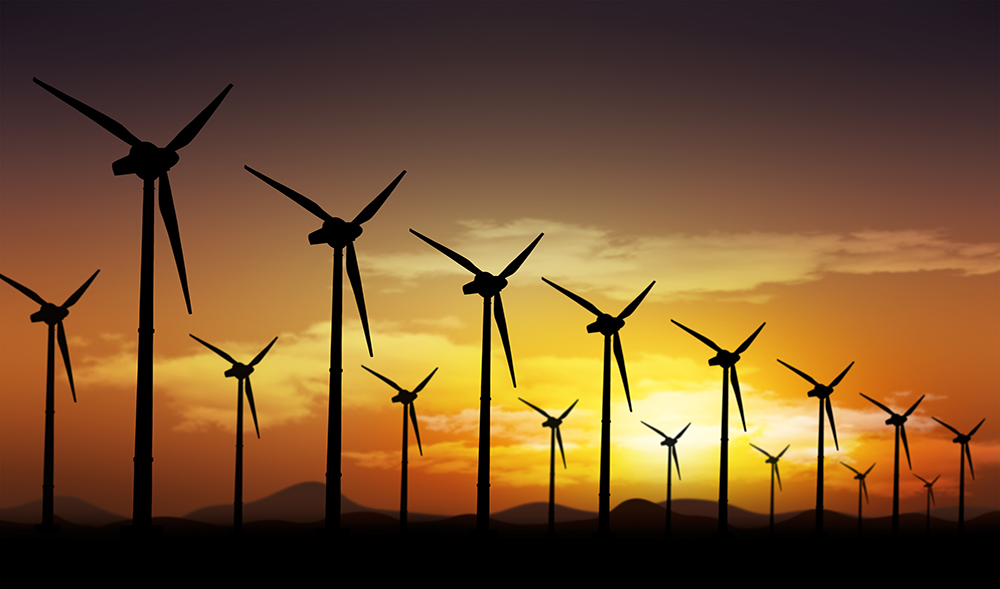
In a survey published by the O Globo portal this Friday (29), forecasts for investments in wind energy between the years 2021 and 2024 exceed US$ 14 billion. This amount, in direct conversion to the Brazilian real, is greater than R$ 78 billion. In the last decade, equivalent to ten years, the value reached R$ 250 billion, representing about 11% of our current energy matrix.
It is worth noting that the projects have a crucial goal of raising energy production capacity to over 30,203 MW. Therefore, this would be equivalent to over 12,456 MW in just four years, showing a variation greater than the mark of 70% compared to the previous year.
- Read More:
- Looking for a job but have no experience? A multinational leader in bauxite and aluminum products is calling for candidates of all areas and ages for internship and trainee positions
- Multinationals Aker Solutions, Equinor, Ocyan, SBM Offshore, Schlumberger, Subsea 7, and Total Energies, along with IBP, are joining efforts for the inclusion of women in the offshore environment
- Mechanical technicians from all over Brazil are summoned today (10/28) to work in December; job vacancies are for a major project abroad
Wind Energy Production: Cheap in the Long Term and Sustainable
This October, many Brazilians are facing problems paying their electricity bills – the Ministry of Mines and Energy created a scarcity tariff that charges about R$ 15 for every 100 watts used in each household. This amount is even higher than the red tariff level two, which charged about R$ 9 for the same quantity. The federal argument is that the country is experiencing a high demand for production while there is a low amount of rainfall to generate energy in hydroelectric plants.
-
Latin America is stagnant, and Brazil is part of the problem, says the World Bank in a report that highlights Argentina as the main positive exception in the region thanks to fiscal adjustment and Milei’s reforms.

-
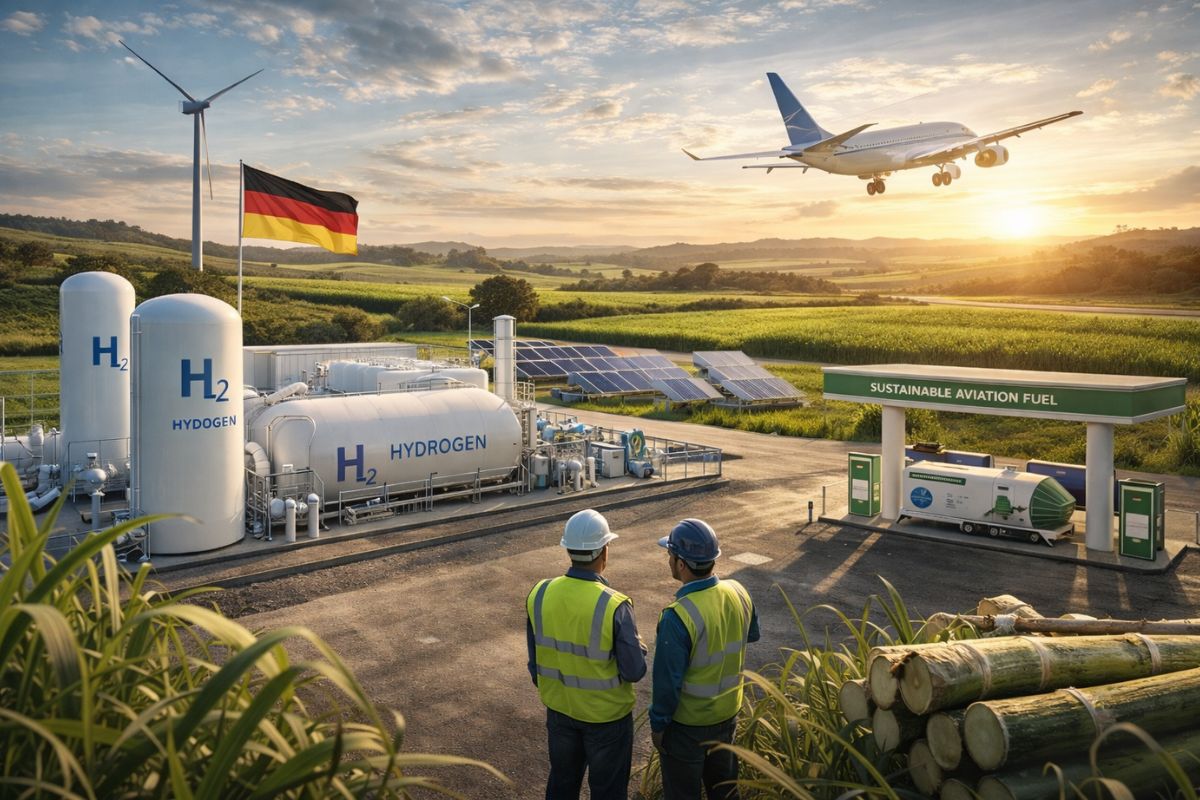
Germany is investing in the interior of São Paulo to test the production of green hydrogen and aviation fuel made from sugarcane in a partnership with Cocal and Siemens that could change the Brazilian energy sector.
-
France takes 129 tons of gold from New York, profits $15.1 billion, and raises alarms in Europe fearing to leave reserves under U.S. control.

-
35 medical entities criticize the MP that automatically renews driver’s licenses without fitness exams: they say that diseases do not show up in fines; Congress analyzes RNPC after 38,253 deaths and a cost of R$ 400 million directly to SUS.

For this reason, and also for environmental issues, wind energy is increasingly being considered an investment by Brazilians and by individuals around the world. The initial investment can be in billion-dollar scale and has already become part of some Eletrobras centers. But it is still in limited quantity.
One of the positive aspects, according to Lazard, is that it has the potential to bring more savings when looking at a long time frame. Additionally, it is more sustainable. However, science is seeking ways to eliminate the negative aspects of production so that it becomes even more efficient, such as the excessive noise produced by machinery that can harm birds, which are more sensitive to noise pollution.
The cost of wind energy can vary from country to country and with the investments made, as well as with the excess or lack of production. One of the places with the lowest rates is Sudan, which charges around US$ 0.003 to generate 1 kWh. Libya is also on this list, with a rate of about US$ 0.014. Another example that can be mentioned for more affordable production is Cuba, which has an average rate of US$ 0.008. The Solar Portal further argues that Eastern countries have the most affordable rates.
A Trend for the Coming Years
With water scarcity, wind energy is becoming an increasingly clear trend for the coming years. The investments made in the field are concrete proof of this, as the forecast is for a 70% increase by 2024 compared to 2020.







Seja o primeiro a reagir!