





 English
  Francês
  Alemão
  Italiano
  Japonês
  Norueguês
  Portuguese
  Spanish
  2 min of reading


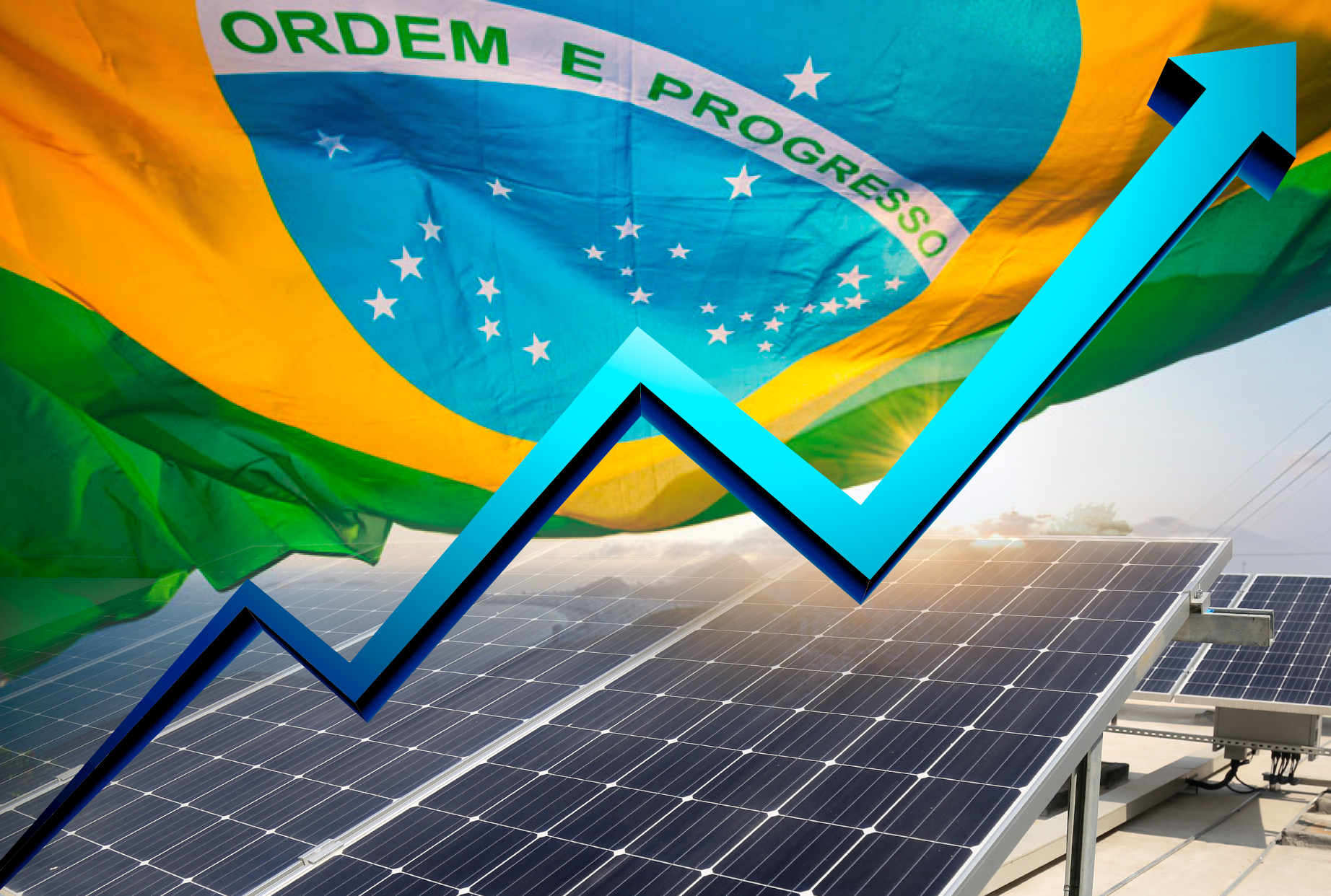
Investments in Solar Energy in Diverse Brazilian Regions Contributed to the Record of Distributed Energy Generation
The Brazilian region has been recording constant records in the solar energy and distributed generation market, all because the production of wind energy has increased and hydropower plants are generating less energy due to a lower water index in reservoirs; the trend is that investments in solar energy will further increase this year, 2021.
Read Also
Renewable Energy Becomes an Option Not Only for the Public but Also for Businesses
Investments in renewable energy systems are becoming an option for businesses and citizens, especially during the pandemic that the country and the world are going through.
In the midst of this economic crisis and reduction in income, the Brazilian population begins to find energy as an effective alternative for cost reduction and access to clean energy and investments in distributed generation.
-
A study reveals the expansion of renewable energy procurement in Brazil and shows how companies are taking advantage of opportunities to reduce expenses, ensure energy efficiency, and strengthen strategic environmental commitments.

-
Mato Grosso do Sul excels in the sugar-energy sector: the state reaches a milestone of 22 operating mills and accelerates the production of clean energy in MS with a focus on sustainability.

-
National energy dilemma: Brazilians support clean energy but reject increases in tariff costs to finance the sustainable transition.
-
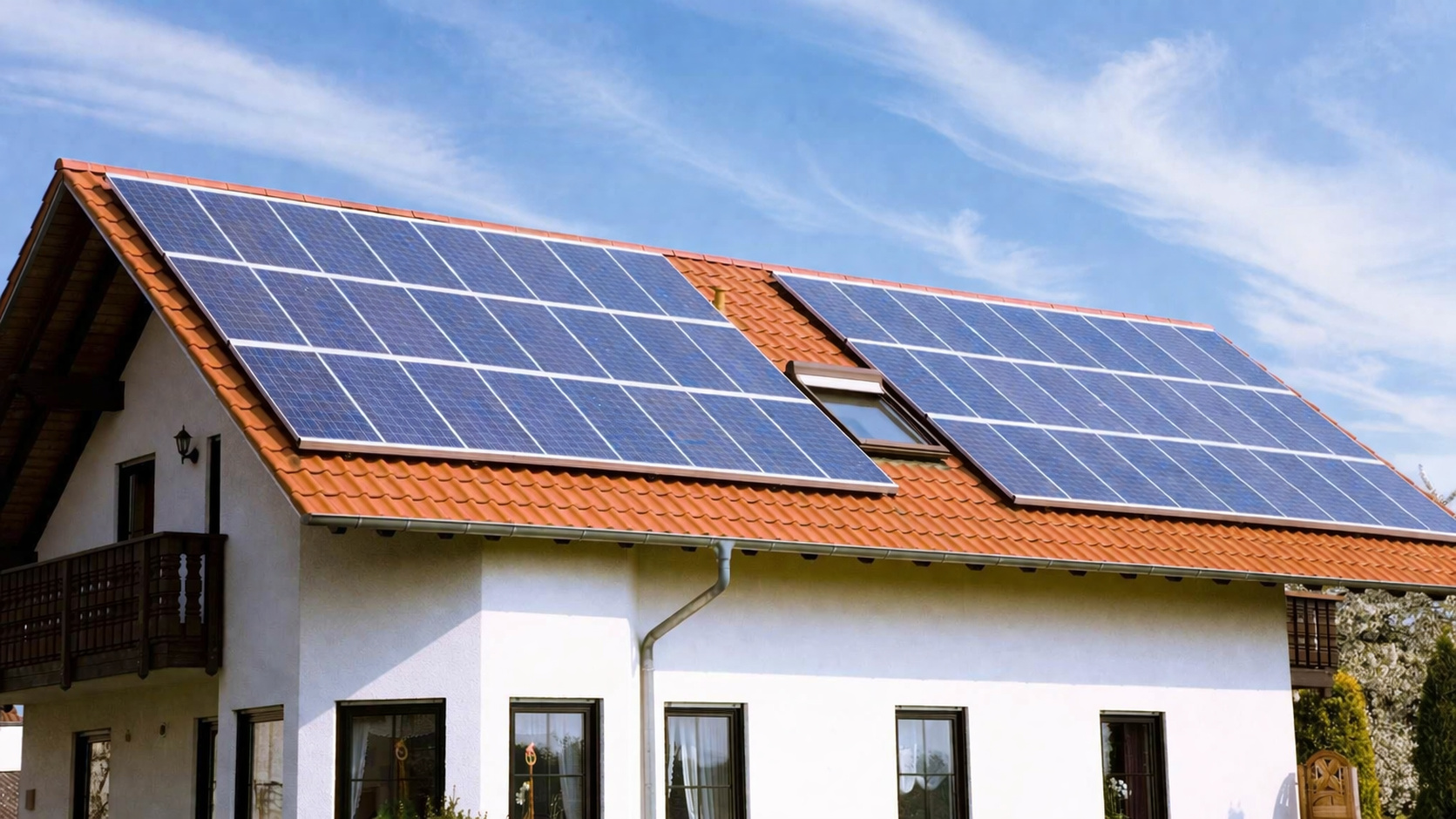
Research indicates that Brazilians support clean energy and wish to advance in the energy transition, but reject paying more on their electricity bill, showing a direct conflict between cost and sustainability.


Public lighting, public authority, and public service represent 0.42% of photovoltaic systems. Even in the midst of the pandemic, the numbers from 2020 (121,000) already exceed the total number of installations made in 2019 (120,914). The deployment of new distributed generation systems in solar energy and new investments allow consumers to reduce their electricity bills, as they start to buy less energy from utilities and generate credits for energy produced and not consumed.
Record in Solar Energy Investments in 2020
In May 2020, investments in solar energy accounted for 1.6% of the Brazilian energy matrix, which means that 2.87 GW of installed capacity in the country comes from a clean, renewable, and sustainable energy source. The forecast is that Brazil will close 2020 with 174,000 grid-connected photovoltaic systems (0.21% of consumer units).
By 2024, experts estimate that the country will have more than 880,000 solar energy systems connected to the electricity distribution network.










Seja o primeiro a reagir!