Portuguese
  Spanish


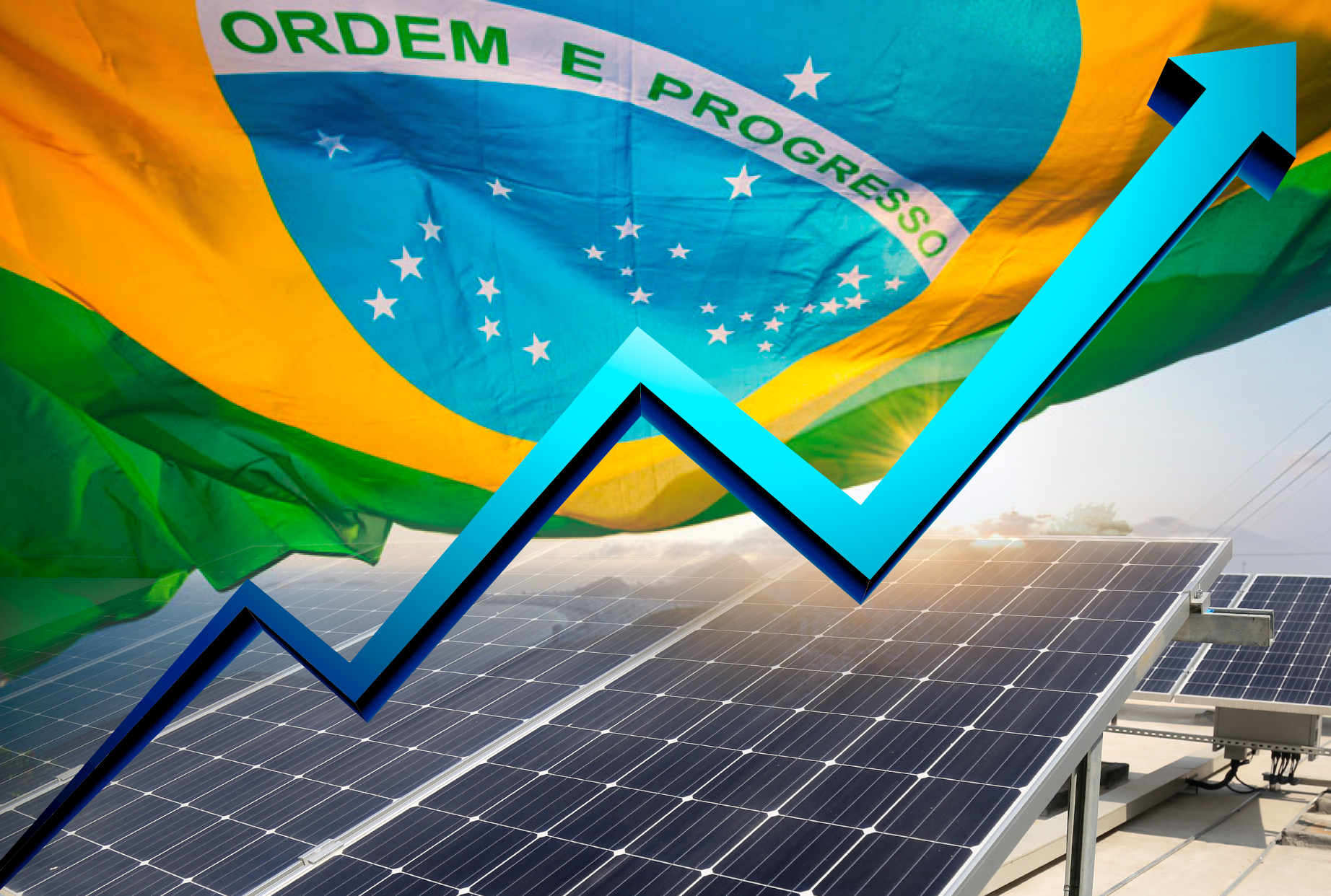

Investments in Solar Energy in Diverse Brazilian Regions Contributed to the Record of Distributed Energy Generation
The Brazilian region has been recording constant records in the solar energy and distributed generation market, all because the production of wind energy has increased and hydropower plants are generating less energy due to a lower water index in reservoirs; the trend is that investments in solar energy will further increase this year, 2021.
Read Also
Renewable Energy Becomes an Option Not Only for the Public but Also for Businesses
Investments in renewable energy systems are becoming an option for businesses and citizens, especially during the pandemic that the country and the world are going through.
In the midst of this economic crisis and reduction in income, the Brazilian population begins to find energy as an effective alternative for cost reduction and access to clean energy and investments in distributed generation.
-
Fired during apartheid and with a little borrowed money, an electrician started with a borrowed truck and transformed electrical services into a group connected to energy, real estate, and infrastructure in South Africa.

-
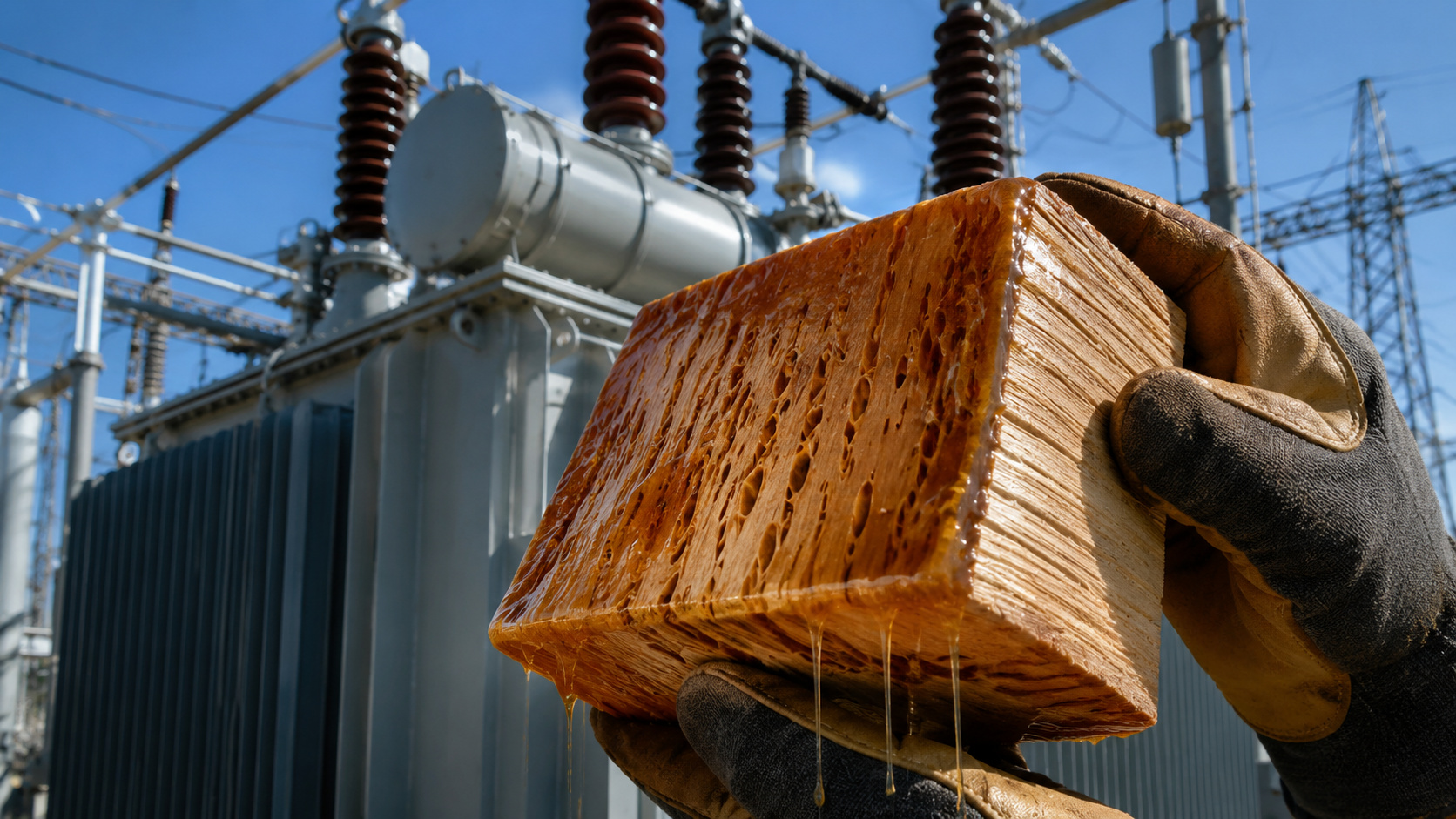
Wood has ceased to be just a construction material in Yale research and has become insulation for electrical transformers that face intense heat, aging, and increasing pressure from the renewable energy-powered grid.
-
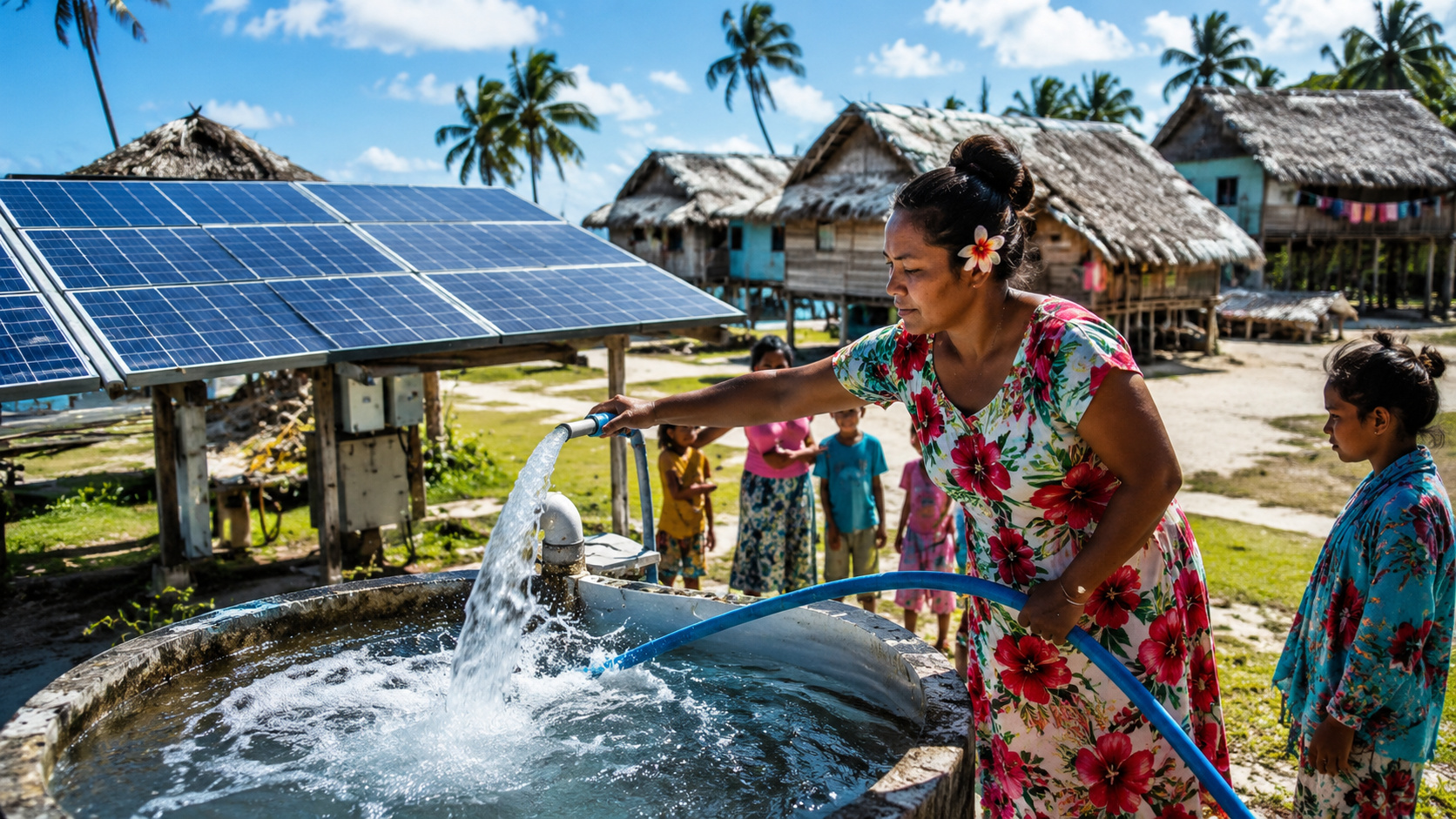
More than 1,000 residents of a remote island in Kiribati now have clean water and electricity with solar systems operated by the community itself.
-
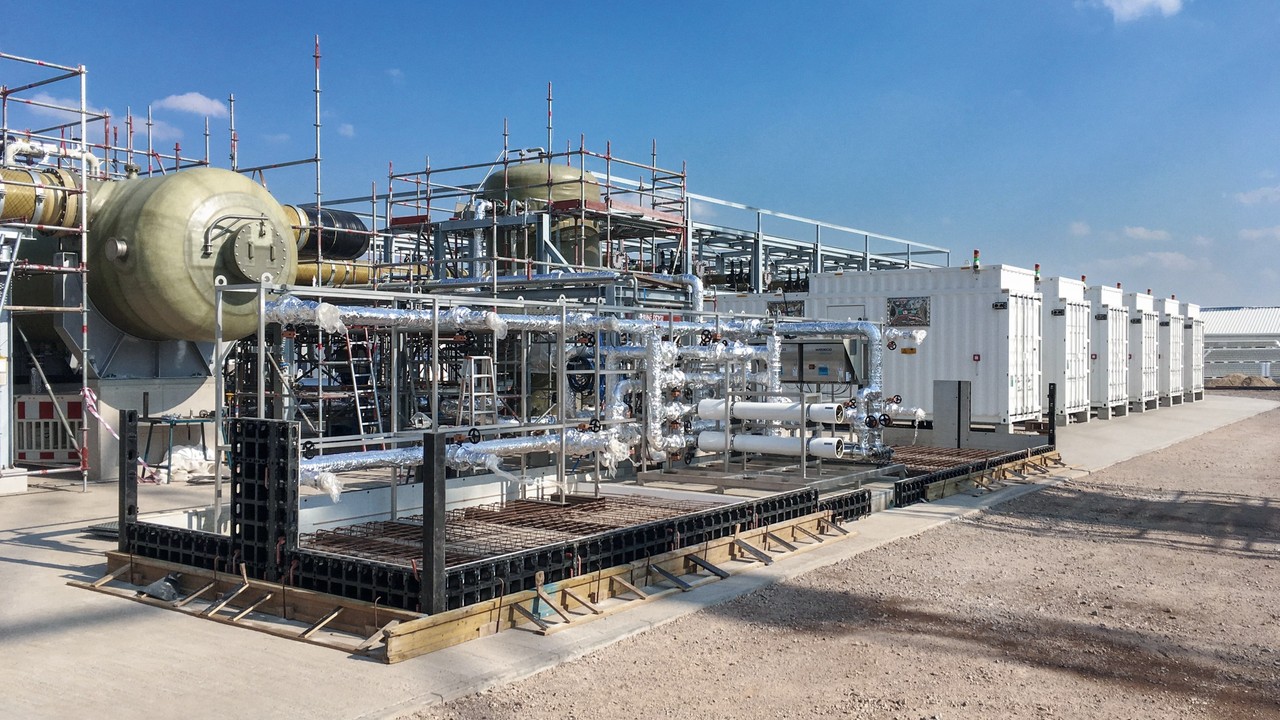
Ceará brings together 7 giants and R$ 66 billion to transform Pecém into the largest green hydrogen hub in Brazil, with final decisions expected by the end of 2026.


Public lighting, public authority, and public service represent 0.42% of photovoltaic systems. Even in the midst of the pandemic, the numbers from 2020 (121,000) already exceed the total number of installations made in 2019 (120,914). The deployment of new distributed generation systems in solar energy and new investments allow consumers to reduce their electricity bills, as they start to buy less energy from utilities and generate credits for energy produced and not consumed.
Record in Solar Energy Investments in 2020
In May 2020, investments in solar energy accounted for 1.6% of the Brazilian energy matrix, which means that 2.87 GW of installed capacity in the country comes from a clean, renewable, and sustainable energy source. The forecast is that Brazil will close 2020 with 174,000 grid-connected photovoltaic systems (0.21% of consumer units).
By 2024, experts estimate that the country will have more than 880,000 solar energy systems connected to the electricity distribution network.