





 English
  Francês
  Alemão
  Italiano
  Japonês
  Norueguês
  Portuguese
  Spanish
  3 min of reading


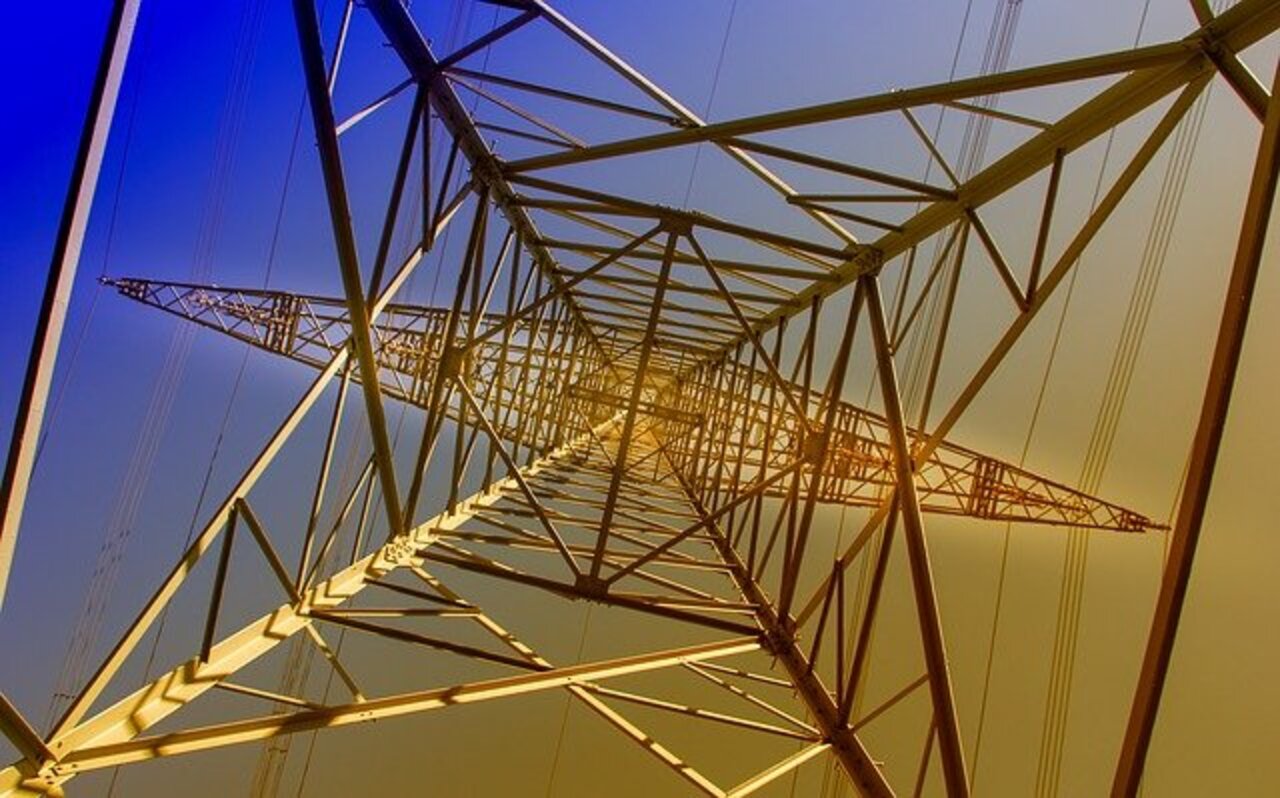
Of This Total Investment, R$ 5 Billion Should Be Invested This Year in Photovoltaic and Wind Sources, According to the Minister of Mines and Energy
By 2030, R$ 329 billion will be invested in expanding photovoltaic and wind sources and increasing autonomy in the national electricity supply. Of the total resources, R$ 5 billion are expected for 2021. The expectation is that, by December of this year, more than 4,800 MW of centralized generation expansion will come online, with 2,600 MW from photovoltaic or wind sources.
Also Read
Announcement of Expansion and New Investments in Photovoltaic and Wind Sources in Brazil Was Made by the Minister of Mines and Energy
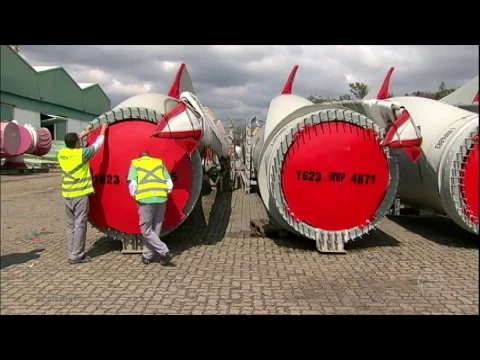

The announcement about the new investments was made by the Minister of Mines and Energy, Bento Albuquerque, during an online event organized by the National Electric System Operator (ONS) on March 12. The meeting brought together 350 guests, including leaders and professionals from the sector.
At the opening of the event, the minister informed that the outlook for the sector remains positive. “By the year 2030, investments in the electric sector and in photovoltaic and wind sources, considering generation and transmission, should reach R$ 329 billion. For this year, we estimate investments of around R$ 5 billion in energy generation,” he stated.
-
Rio Grande do Sul accelerates energy transition: State invests in renewable technologies and consolidates decarbonization strategies and pathways to attract billions in new industrial investments.

-
With 160,000 m² of collectors, an area larger than 20 football fields, Silkeborg, in Denmark, hosts a solar thermal plant that heats 19,500 homes and could become the largest solar heating plant in the world.

-
A study reveals the expansion of renewable energy procurement in Brazil and shows how companies are taking advantage of opportunities to reduce expenses, ensure energy efficiency, and strengthen strategic environmental commitments.

-
Mato Grosso do Sul excels in the sugar-energy sector: the state reaches a milestone of 22 operating mills and accelerates the production of clean energy in MS with a focus on sustainability.

Regarding the forecast for the expansion of photovoltaic and wind sources for this year, Albuquerque explained that the amount will be distributed among 145 projects, located in 20 states, and 9,000 kilometers of transmission lines are expected.
Impacts of Covid-19 on Photovoltaic, Wind Sources and Unblocking After Investments
The statements about the new investments in wind and photovoltaic sources from the minister brought more reassurance to the sector, which has also been suffering from the impacts of the economic crisis caused by the Covid-19 pandemic. In addition to a decline in energy consumption by productive sectors, there was an increase in default rates.
Concerned about the situation, the National Electric Energy Agency (Aneel) approved, in June of last year, a bank loan of R$ 16.1 billion to cover the gap for electricity companies. In its justification, the regulatory agency stated that the measure would also benefit consumers, as it would allow for the postponement of the collection of “extra costs” in electricity bills. One of these additional costs would be the increase in the energy produced by plants due to the rise of the dollar.
According to Aneel, the loan repayment will be made through the collection of a charge on the electricity bill, starting in June.
Solution to Brazil’s Energy Crisis: Wind, Photovoltaic Sources and Investments Can Help
The diversification of Brazil’s energy matrix is seen as a solution to the crisis observed in the electricity sector. The alternative is explained in an article written by the research leader of the Foundation for Centers of Reference in Innovative Technologies (Cesrtis), Jéssica Ceolin de Bona.
Brazil has seen growth in the use of renewable energy (photovoltaic, wind, and solar sources) in recent years. Wind energy has reached the second position in the matrix, only behind hydropower, according to data from the Brazilian Wind Energy Association (ABEEólica). Next, biomass appears in third place; small hydropower plants (PCHs) and central generating hydropower plants (CGHs) in fourth; and solar photovoltaic energy in fifth place.
In the researcher’s analysis, this is the way to go and this is a great market for making investments. “All the efforts made in recent years are leading the Brazilian market towards a transition to renewable energy, thus replacing previous fossil fuel models and adopting a new energy system for the country,” highlighted the expert Jéssica Bona.







Seja o primeiro a reagir!