





 Portuguese
  English
  Spanish
  4 min of reading
  0 comments


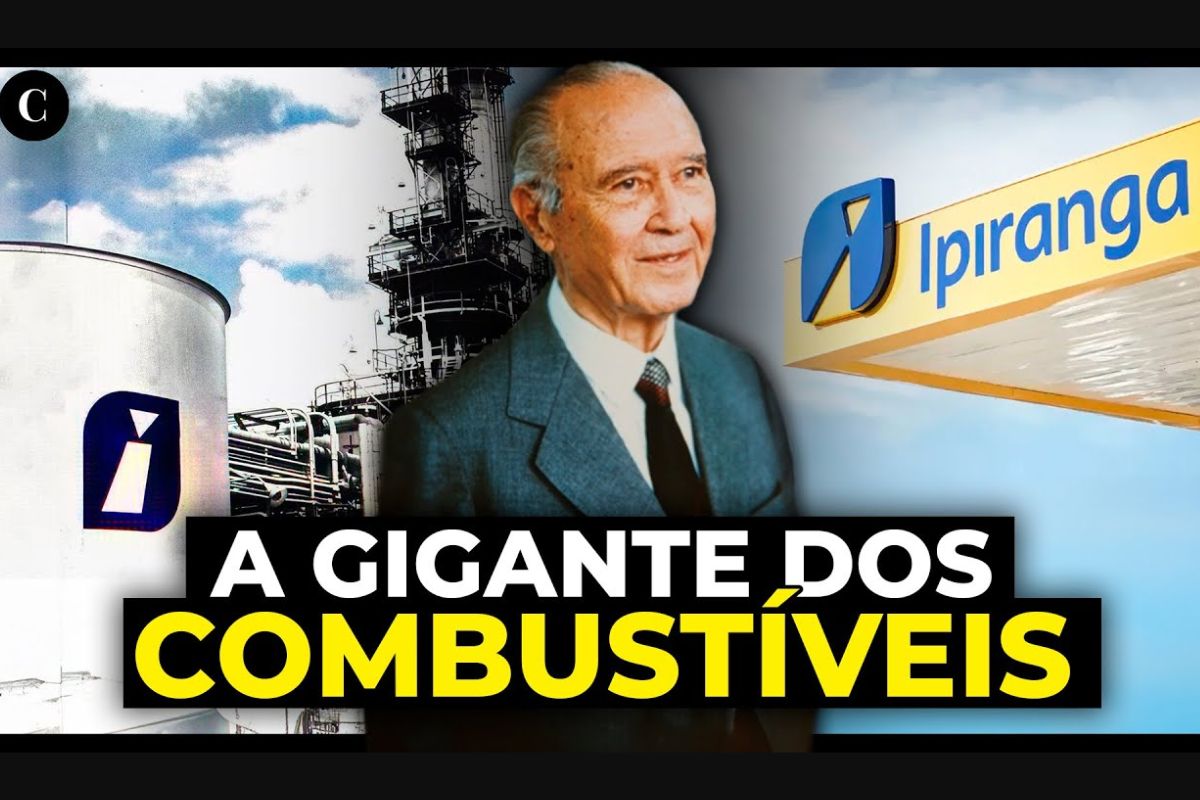
The History of Ipiranga Begins in the Mangrove of Rio Grande and Evolves into a Retail Brand with Approximately 6,000 Stations, 1,600 Convenience Stores, and 1,000 Jet Oil Units, Combining Fuels, Services, and Convenience to Transform the Experience of Brazilian Drivers
The Ipiranga was founded in 1937 with the inauguration of a refinery built on drained land in Rio Grande, following an arrangement among Brazilian, Argentine, and Uruguayan businessmen that started in 1933. The decision to build on the southern coastline, far from major centers, was a high-risk bet in a country without a tradition in oil refining.
What followed in the ensuing decades was the metamorphosis of a pioneering refinery into an omnipresent brand on the roads and in the cities. Ipiranga consolidated a strategy of distribution, communication, and services that took it far beyond the gas station, structuring a convenience ecosystem that today includes 6,000 stations, 1,600 stores, and 1,000 Jet Oil locations.
Origins and Pioneering Spirit
The journey began with the Destilaria Rio-Grandense, the embryo of the project that culminated in the Ipiranga refinery in 1937. The first location chosen was denied, and the second was a mangrove, requiring accelerated drainage and landfill to meet the schedule.
-
Santa Catarina produces up to 7 times more than it consumes in some sectors, and its century-old industries founded by grandparents and great-grandparents now compete on equal footing with Germany and the United States in the international market.
-
U.S. war giant weighing 9,600 tons and equipped with long-range missiles is sent to the Atlantic to protect global internet and hunt submarines.
-
Storms on Jupiter are up to 100 times more powerful than on Earth and reveal extreme phenomena that challenge everything we know about weather.

-
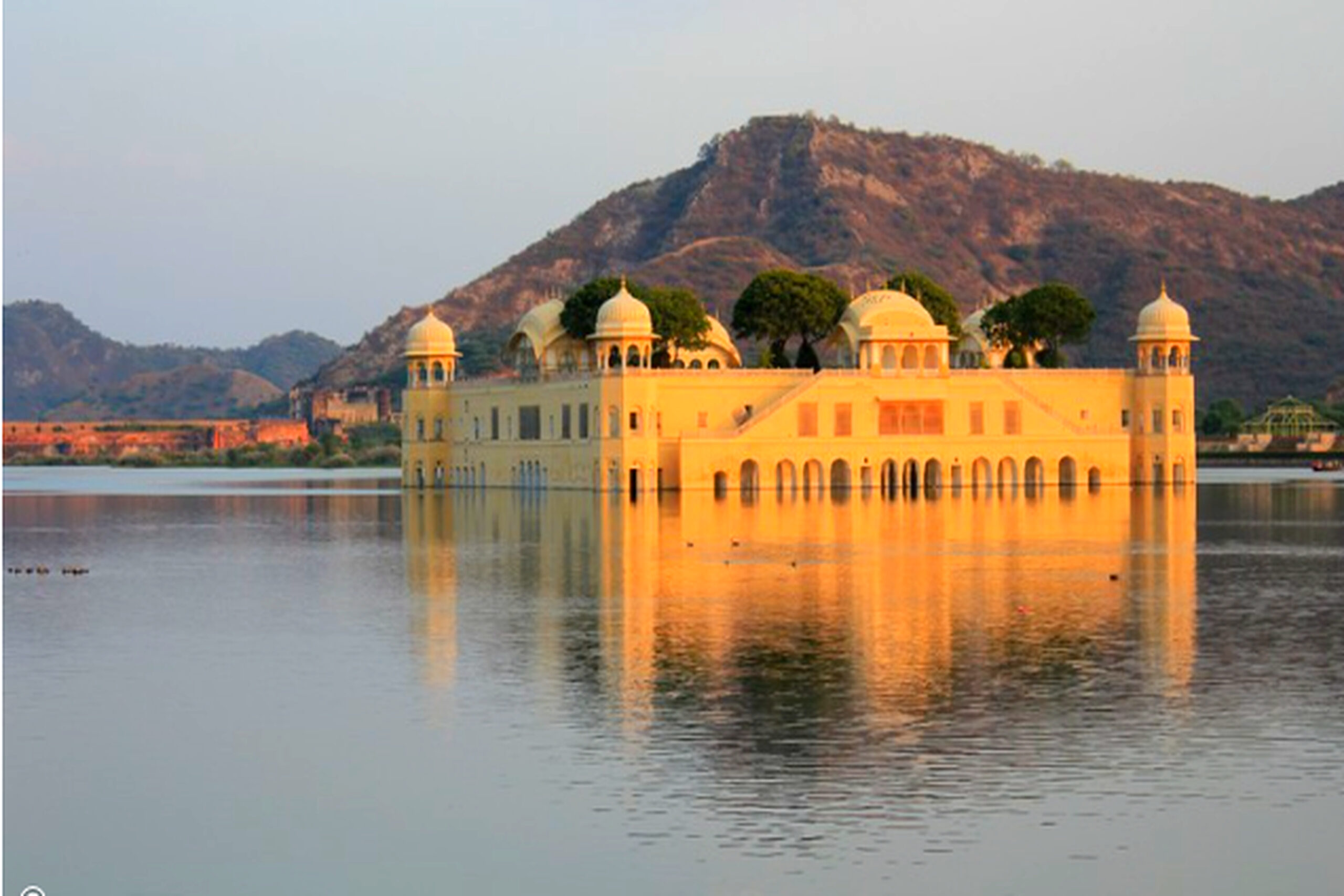
With five floors, the building made of red sandstone, marble, and limestone surprises with its strength, appears to float, and remains stable even when submerged in water, thanks to its hydraulic engineering.

The result was the first oil refinery in the country to operate continuously, inaugurated on September 7 of that year.
In its early steps, the company faced technical and logistical resistances. The arrival at Rio Grande required ferries and poor roads, and the oil supply chain was unstable.
Even so, Ipiranga inaugurated its first station in the city in 1938, establishing the seed of what decades later would become a national retail network.
Crises, Strategy, and Diversification
World War II disrupted maritime routes and restricted oil supply. The response was to accelerate industrial and chemical solutions, such as the production of solvents for the tire industry.
Ipiranga learned early to survive without relying on a single product and adopted diversification as a permanent policy.
In the 1940s and 1950s, the company expanded its portfolio with sulfuric acid, single superphosphate, and asphalt, while the state oil monopoly, starting in 1953, limited refining expansion.
To maintain growth, the company reinforced its distribution vocation and sought less contested markets, making retail its scaling avenue.
Distribution and Brand Building
The creation of its own distributor solidified the push over the network of stations. Selective acquisitions increased reach and reduced asymmetry with multinationals.
At the same time, Ipiranga fine-tuned communication with striking campaigns that helped embed the brand in the popular imagination and directed traffic to the network.
The retail strategy gained traction with the expansion of convenience stores and the standardization of service.
The Ipiranga brand came to signify refueling, breaks, and service, and not just fuel. This understanding of consumer behavior paved the way for the creation of platforms like the convenience network and Jet Oil.
Acquisitions, Petrochemicals, and Scale
The 1990s marked a leap in scale with the purchase of competing operations and advances in petrochemicals, which, for a period, sustained margins and diversification.
Ipiranga expanded its bases, network of stations, and geographical presence, consolidating a relevant market share in distribution.
In retail, the creation of a national convenience network and the launch of Jet Oil professionalized routine automotive services.
This combination of distribution and services transformed each station into a fast consumption hub, anchoring the brand’s value proposition beyond the fuel pump.
The Sale of 2007 and the Reconfiguration
In 2007, a consortium acquired the group’s assets, redesigning operations and distributing businesses among different controllers.
The Ipiranga brand continued focusing on distribution and retail, maintaining its presence in consumers’ daily lives and accelerating service integration.
The original refinery adopted a new name in 2009, while the service station brand consolidated under specialized distribution management.
The repositioning reinforced the thesis that competitive strength lay in retail, experience, and convenience.
What Ipiranga Is Today


Today, Ipiranga operates as a highly penetrative retail brand, with approximately 6,000 stations, 1,600 convenience stores, and 1,000 Jet Oil locations distributed across the country.
The station has become an entry point for services, food, and small replenishment purchases.
The logic is simple and powerful. The greater the convenience, the higher the recurrence. A customer who refuels, changes oil, buys a coffee, and takes care of small items in the same place reduces friction and increases loyalty. It is this traffic and ticket engineering that sustains the brand’s current relevance.
Ipiranga was born as a pioneering refinery on the southern coast and has transformed into a retail ecosystem that combines fuel, convenience, and services.
The brand’s strength lies in its ability to understand mobility habits and translate them into quick and complete experiences.
In your driving routine, what matters most in choosing an Ipiranga station today is convenience, price, or services in the same place?








Seja o primeiro a reagir!