





 Portuguese
  English
  Spanish
  4 min of reading
  0 comments



IPVA, Insurance, Fuel, and Maintenance Show That Keeping a Car in Brazil in 2025 Costs Much More Than the Purchase Price Indicates.
The price of the car has ceased to be the main factor in the buying decision in 2025. More and more Brazilians realize that the real burden on their wallet comes afterward, in the monthly costs of IPVA, insurance, fuel, and maintenance. A cheap car at purchase can easily become expensive to maintain.
With rising fuel prices, the cost of parts, and labor costs, keeping a vehicle now requires realistic financial planning. In many cases, the monthly expense easily exceeds R$ 1,500, even for vehicles considered “popular”.
IPVA in 2025: The Tax That Weighs at the Beginning of Every Year
IPVA remains the first major financial shock for car owners. In states like São Paulo, the rates are still close to 4% of the vehicle’s value.
-
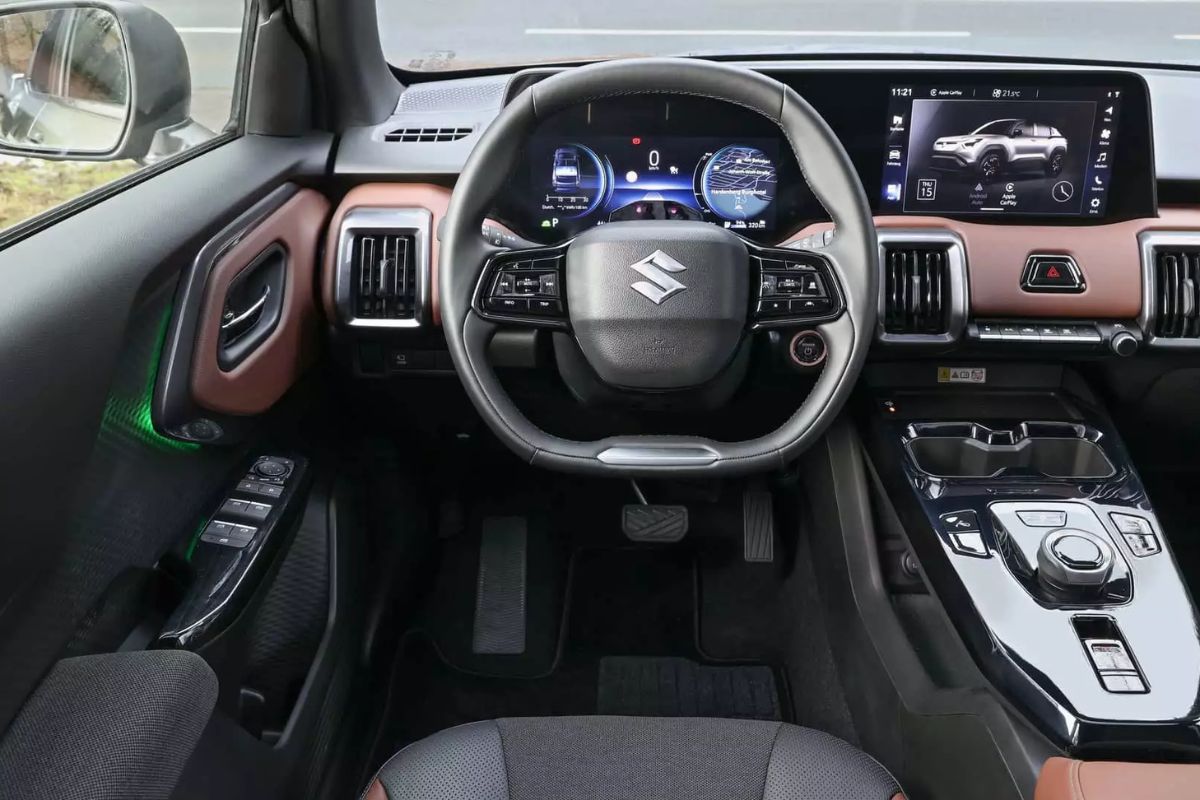
The 2026 electric Vitara arrives in Brazil and proves that Suzuki is not leaving: 4×4 traction, 184 hp, 61 kWh LFP battery, 293 km range, R$ 259,000, and a trunk capacity of 224 L.
-
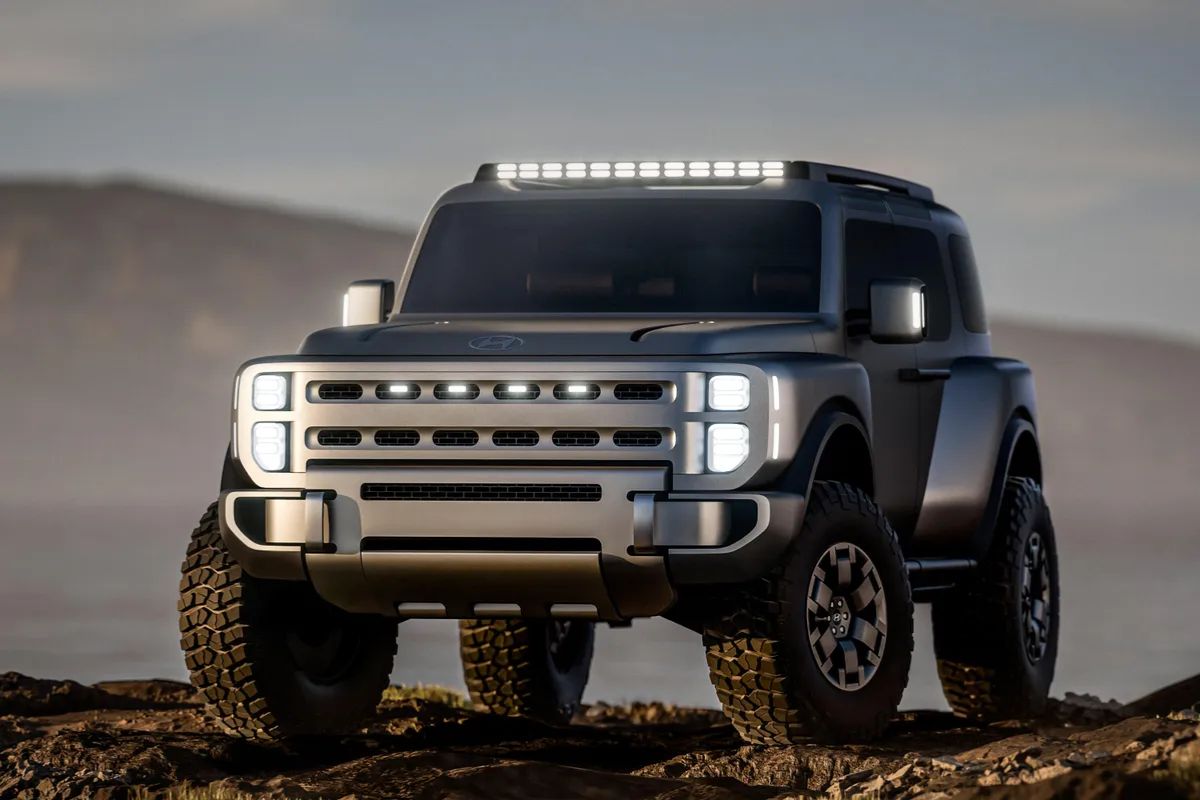
Hyundai has unveiled the Boulder, a square SUV with a body-on-frame design, 37-inch mud tires, and carriage-style doors that seems to be made to take on the Ford Bronco and the Scout Traveller in the United States.
-
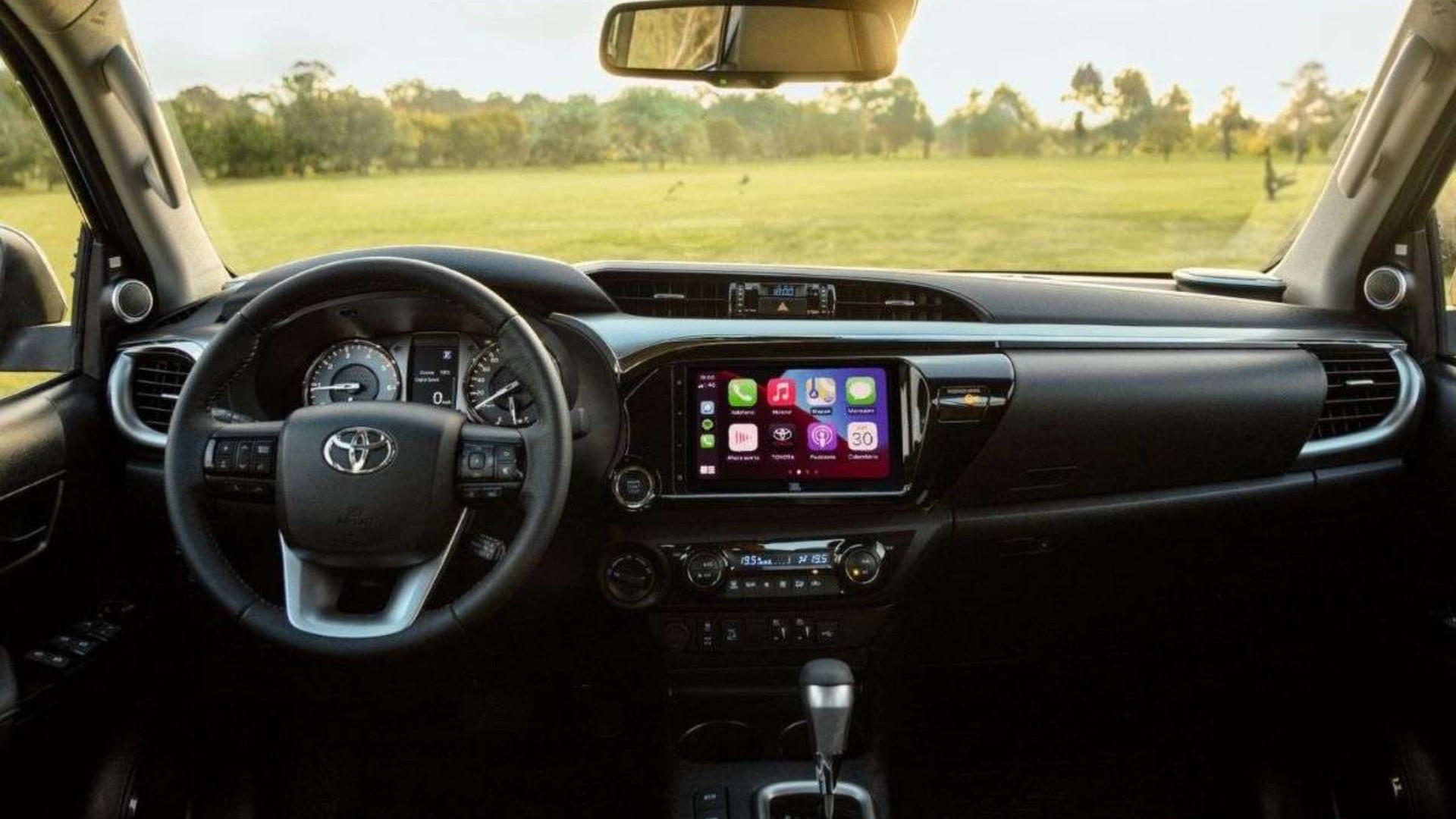
The Toyota Hilux is R$ 75.5 thousand cheaper and bets on the 2.8 turbodiesel engine with up to 204 hp and 50.9 kgfm to catch up with the VW Saveiro, which leads with 4,472 sales.
-
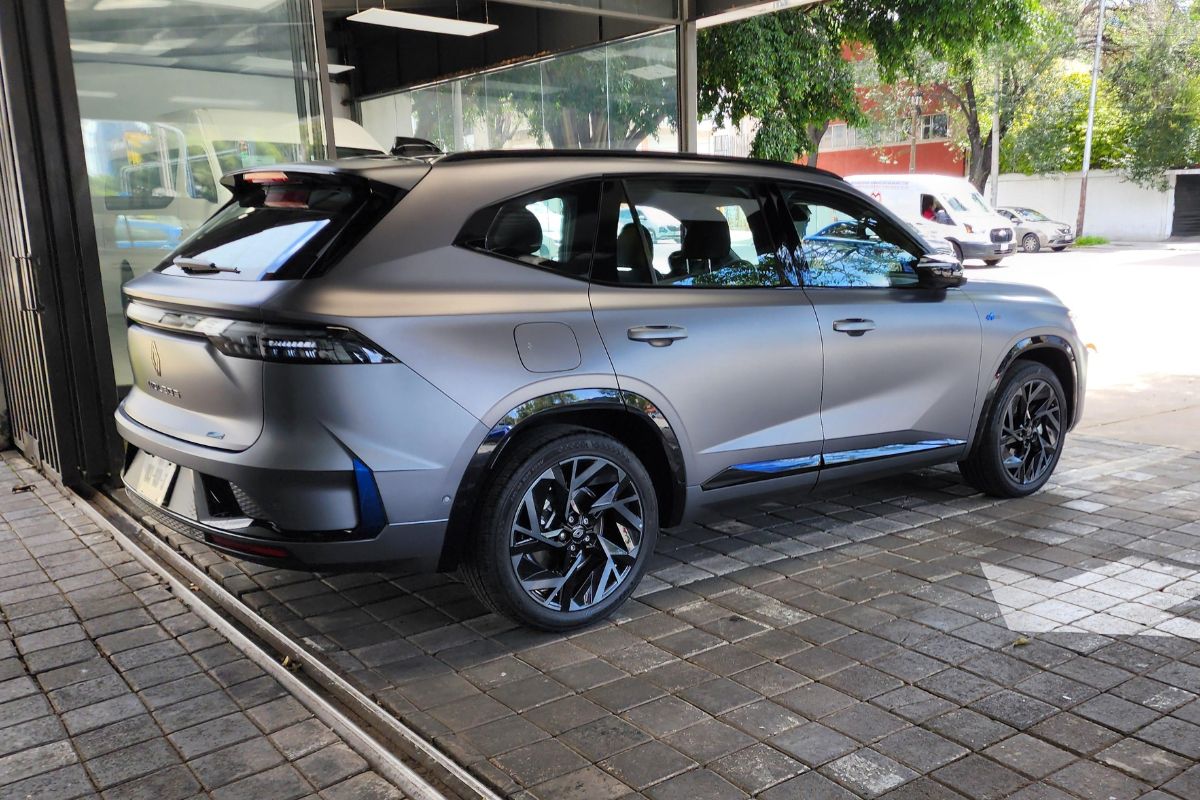
The new Renault Koleos has a screen exclusively for the passenger that is invisible to the driver, heated rear seats, and 29 assistance systems, but its Chinese competitors cost R$ 40,000 less and deliver more power.

In practice, a car valued at R$ 60 thousand generates an IPVA of approximately R$ 2,400 per year. Meanwhile, a vehicle worth R$ 100 thousand easily surpasses R$ 4,000 annually just in taxes.


This cost is fixed and does not depend on usage. Even with the car parked in the garage, the IPVA must be fully paid.
Insurance in 2025: The Invisible Cost That Many People Ignore
Insurance has become the second biggest villain of the automotive budget. The average amount in 2025 ranges between 3% and 7% of the vehicle’s value per year, depending on profile, region, and model.
A car worth R$ 70 thousand can generate an insurance cost between R$ 2,100 and R$ 4,900 per year. Models highly targeted for theft, SUVs, and turbo cars tend to pay higher premiums.
Those who do not purchase insurance assume a huge financial risk. A single accident can represent the total loss of years of savings.
Fuel: Where Money Really Disappears Month After Month
Fuel expenses are the most predictable cost — and also the most constant. With gasoline prices above R$ 6.00 per liter, any car that gets less than 10 km/l becomes a burden on the budget.
A driver who travels 1,200 km per month in a car that does 10 km/l spends about R$ 720 per month just on gasoline. If the consumption rises to 15 km/l, this expense drops to around R$ 480 monthly.
At the end of the year, the difference exceeds R$ 2,800, just based on consumption choices.
Maintenance: The Cost That No One Calculates Correctly
Maintenance is the most underestimated cost in Brazil. Besides oil and filters, it includes brakes, suspension, tires, battery, belts, and clutch.
In 2025, a basic annual inspection hardly costs less than R$ 1,200. A complete tire change easily exceeds R$ 2,000 for medium-sized cars.
When there are failures in automatic transmission, direct injection, turbo, or electronic systems, a single intervention can easily exceed R$ 8 thousand to R$ 15 thousand.
How Much Does It Cost to Maintain a “Common” Car in 2025
A realistic scenario for a R$ 60 thousand car, urban use, 1,200 km per month:
- Monthly IPVA: ~R$ 200
- Monthly Insurance: ~R$ 250
- Fuel: ~R$ 600
- Diluted Maintenance: ~R$ 200
Real Monthly Cost: approximately R$ 1,250. This does not include parking, tolls, washes, and any potential damages. For cars valued at R$ 100 thousand, this cost easily surpasses R$ 1,800 per month.
Why Brazilians Keep Getting the Car Cost Wrong
The majority still decide based on purchase price and completely ignore the monthly cost. It is common for someone to buy a financed car worth R$ 80 thousand and then find out they cannot afford the insurance and maintenance.

Financing hides the real impact of maintenance costs. The installment “fits the budget”, but the car does not. That’s why so many vehicles end up being resold just a few months after purchase.
The Cars That “Swallow” Money Most Without the Owner Realizing
Some profiles are especially dangerous for the budget:
- Heavy SUVs with large engines
- Urban Turbo Cars
- Complex Dual-Clutch Automatics
- Premium Vehicles Out of Warranty
They combine high insurance, high consumption, and unpredictable maintenance. In practice, they are true financial drains.
The Cars That Cost Less Per Month in 2025
On the other hand, vehicles with the lowest monthly cost remain:
- Simple Naturally Aspirated Engines
- Multipoint Injection
- Manual or Automatic Transmission with Torque Converter
- Low Market Value and Abundant Parts
These models reduce financial risk and keep costs predictable throughout the year.
The Price of the Car Is Just the Entry Door, Not the Real Cost
In 2025, keeping a car in Brazil has become a fixed financial commitment. Those who do not calculate the complete costs of IPVA + insurance + fuel + maintenance enter a cycle of budget tightening.
The smarter buyer has stopped asking only “how much does this car cost?” and has started asking “how much is it going to cost me per month?”.
This change in mindset is what separates those who use their car calmly from those who live in a constant financial emergency.










-

Uma pessoa reagiu a isso.