





 Portuguese
  English
  Spanish
  5 min of reading
  0 comments


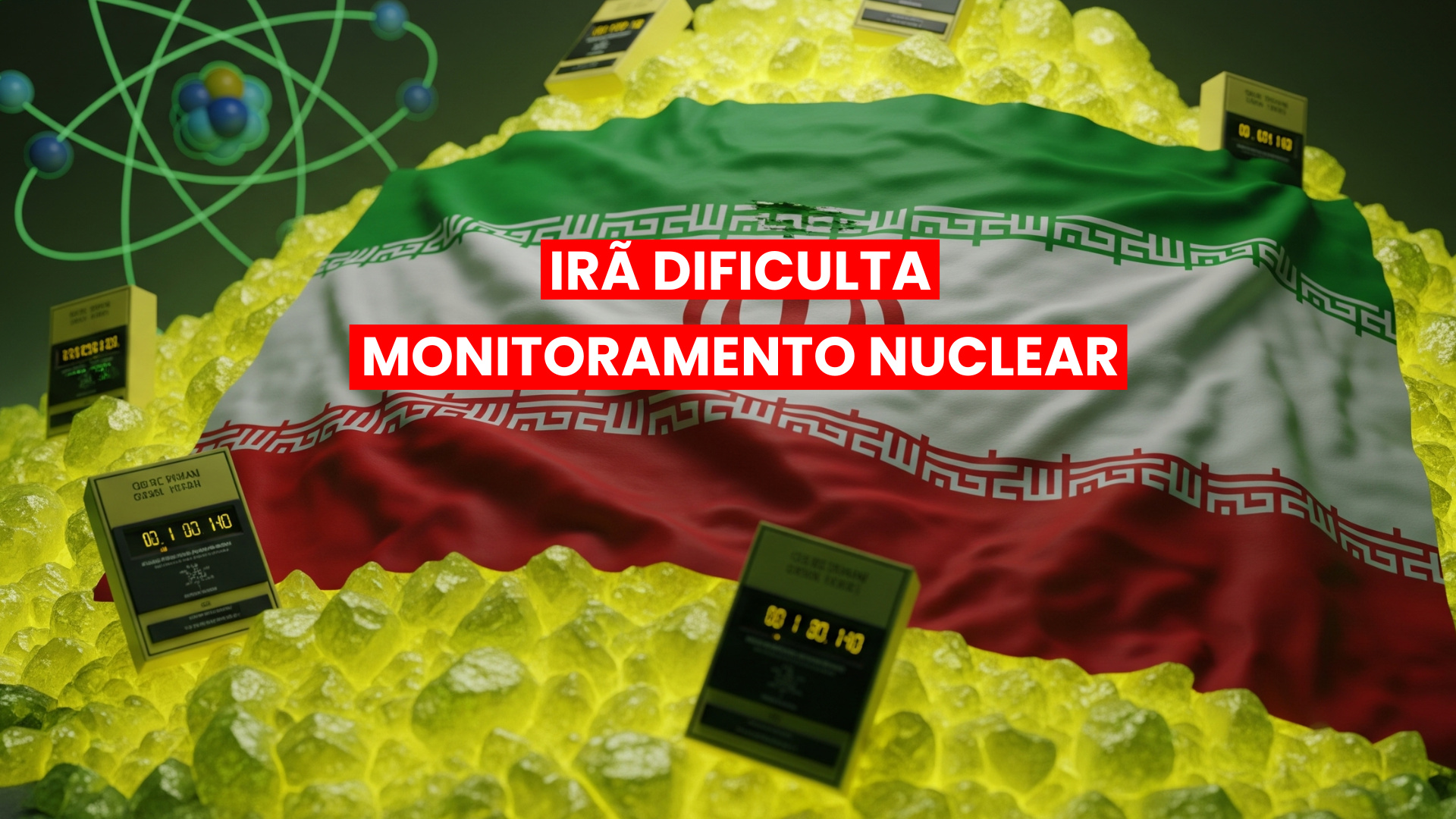
IAEA Reveals Difficulties in Monitoring Iran’s Uranium Stockpiles, Raising Alerts About Nuclear Control Risks and Increasing International Diplomatic Tensions
The International Atomic Energy Agency (IAEA) has expressed growing concerns about its inability to monitor Iran’s uranium stockpiles, raising alarms for the international community about nuclear risks. Recent reports indicate that the country has reduced inspectors’ access to its nuclear facilities, making it difficult to verify compliance with international nuclear control agreements.
Experts highlight that this situation may exacerbate diplomatic tensions, particularly with the United States and European countries, as well as impact future negotiations regarding the Iranian nuclear program. Monitoring uranium is crucial to prevent nuclear proliferation, ensure regional security, and strengthen international confidence.
History of Iran’s Nuclear Program
Iran has maintained a nuclear program since the 1950s, initially for civilian purposes. However, its advancement in uranium enrichment has generated international concerns due to its military potential.
-
USA and China compete for Brazil over resources that could be worth trillions — rare earths put the country at the center of a global dispute

-
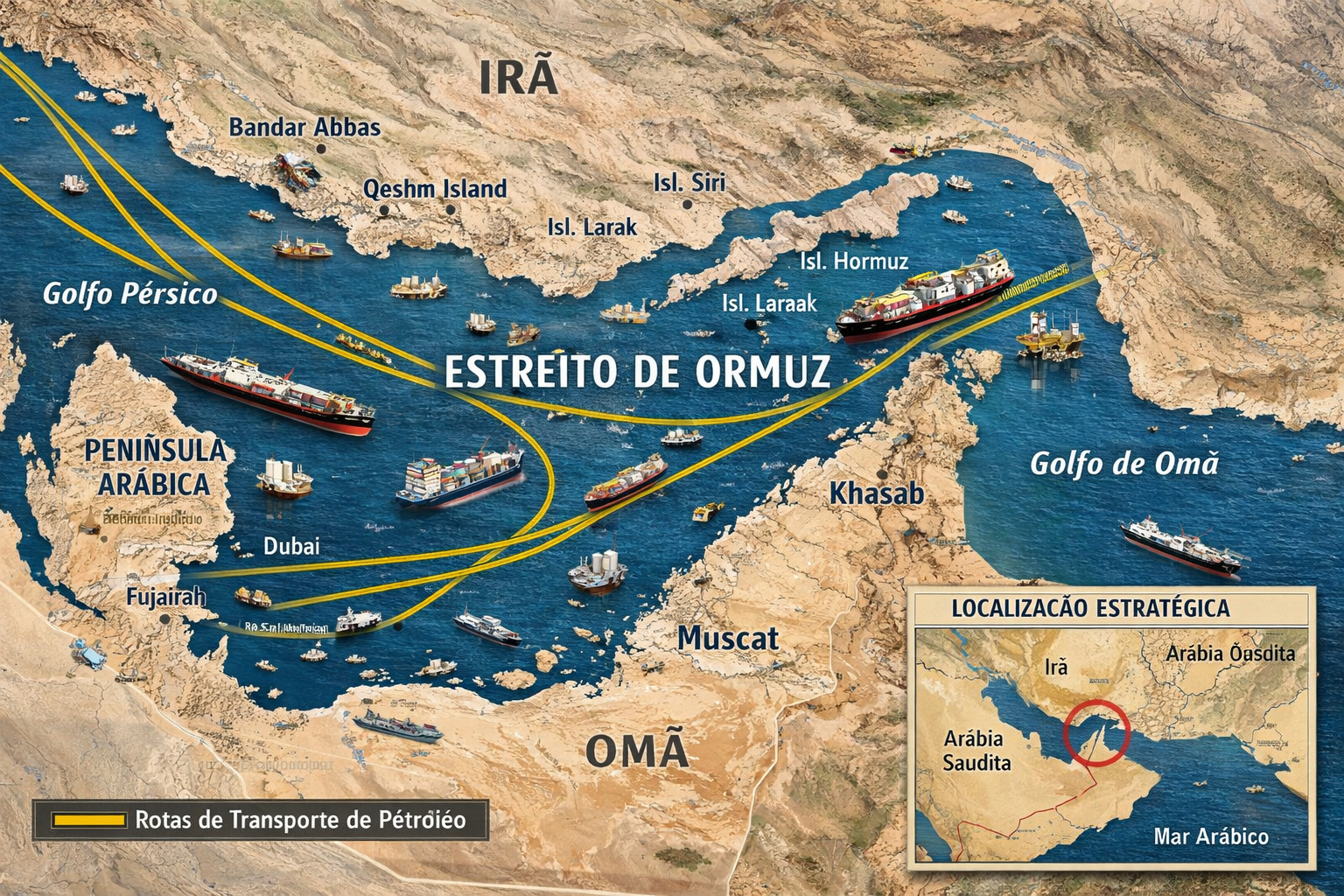
Global summit with over 40 countries pressures Iran for a blockade in the Strait of Hormuz and warns of direct impact on oil, food, and the global economy.
-
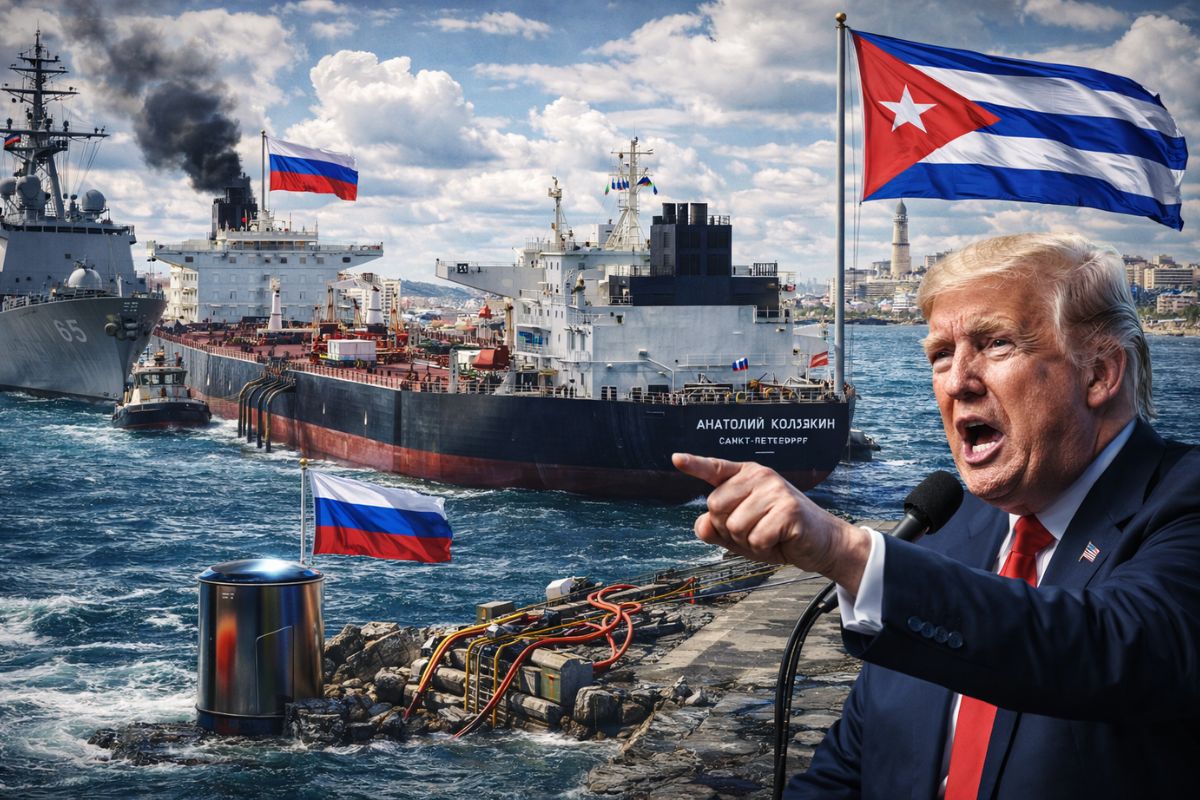
Russia has broken the U.S. maritime blockade to send oil to Cuba and is now loading a second ship while Trump says that “Cuba is next” in a possible military action against the island.
-
Spain challenges the USA and closes its airspace for operations against Iran, raising global tension and provoking the threat of a trade rupture.


In 2015, the country signed the Joint Comprehensive Plan of Action (JCPOA), which limited the amount of enriched uranium and required strict IAEA inspections. The agreement sought to ensure that Iran did not develop nuclear weapons while receiving relief from economic sanctions.
After the United States withdrew from the JCPOA in 2018, Iran began enriching uranium at higher levels, justifying that its activities were for peaceful purposes. However, IAEA reports show that oversight of the uranium stockpiles has become limited, complicating the confirmation that all nuclear material remains under secure nuclear control.
Recent IAEA Reports on Iran
The latest IAEA report indicates that Iran has restricted access to critical parts of its uranium enrichment facilities. According to the document:
- Iran has about 441 kg of uranium enriched up to 60%, as of June 13
- There were interruptions in the transmission of remote monitoring data, complicating the continuous tracking of nuclear material.
- Physical inspections at some facilities were limited or temporarily suspended, compromising security oversight.
These factors generate uncertainty about the exact amount of uranium stored and increase the risk of nuclear proliferation. Experts warn that the lack of transparency may affect the international community’s confidence in the Iranian nuclear program.
Iran’s Uranium Stockpiles and Risks to Nuclear Control
The difficulty in monitoring Iran’s uranium stockpiles poses a direct threat to global nuclear control. UN Security Council member countries and signatories of the JCPOA expressed concern that a lack of oversight could result in:
- Escalation of Diplomatic Tensions: The United States, United Kingdom, France, and Germany warned of possible economic and political consequences in case of violations of international commitments.
- Nuclear Proliferation Risk: without adequate inspection, there are no guarantees that uranium will not be diverted for military purposes.
- Difficulties in Future Negotiations: any attempt to resume discussions on the nuclear program will depend on Iran’s cooperation with the IAEA.
Experts in international politics emphasize that continuous IAEA monitoring is essential to prevent crises and strengthen trust among the involved countries.
International Reactions to the Inability to Monitor
The IAEA alert provoked immediate reactions from the international community:
- United States: The State Department stated that any disregard for the JCPOA will have significant economic and diplomatic consequences, including possible additional sanctions.
- European Union: European leaders are calling for constructive dialogue and a return to full cooperation with international inspectors.
- Iran: The Iranian government insists that its nuclear activities are peaceful and that it will continue to allow inspections “within reasonable limits”.
International organizations, including the UN, emphasize that transparency is crucial for global security and to prevent nuclear proliferation. The situation increases pressure on Iran to allow comprehensive inspections and resume regular monitoring of its uranium stockpiles.
Economic and Geopolitical Impacts of the Iranian Nuclear Program
In addition to security concerns, the inability to monitor Iran’s uranium stockpiles generates economic and geopolitical impacts:
- Energy Market: Iran is one of the largest oil producers in the world. Nuclear tensions can create volatility in oil and natural gas prices.
- Economic Sanctions: further restrictions may affect Iranian exports, foreign investment, and trade relations.
- Regional Security: Middle Eastern countries, such as Israel and Saudi Arabia, closely monitor the nuclear program, increasing the risk of military tension and regional arms races.
Analysts highlight that the lack of cooperation with the IAEA not only undermines nuclear control but also complicates the economic and political stabilization of the region.
Possible Future Scenarios for Iran’s Nuclear Program
Experts outline three likely scenarios for the future:
- Renegotiation of the JCPOA: If Iran agrees to expand IAEA oversight, a new agreement could restore international confidence and reduce tensions.
- Tougher Sanctions: If transparency continues to be lacking, the UN Security Council may impose additional restrictions, limiting Iran’s ability to trade oil and gas.
- Increased Military Tensions: Although unlikely, the mistrust generated by the inability to monitor uranium stockpiles could raise the risk of indirect confrontations in the region, affecting allies and strategic partners.
The ideal scenario for the international community is that Iran resumes comprehensive and transparent monitoring, allowing the IAEA to track uranium stockpiles and ensure secure nuclear control.

Nuclear Control: The Importance of Maintaining IAEA Oversight
IAEA oversight is essential to maintain international peace and stability. The inability to monitor Iran’s uranium stockpiles highlights the fragility of nuclear control mechanisms in contexts of political distrust.
Iran’s cooperation with international inspectors is crucial to:
- Ensure that uranium is used exclusively for peaceful purposes.
- Reduce nuclear proliferation risks in the Middle East region.
- Preserve the credibility of international agreements and avoid diplomatic escalations.
The situation reinforces the need for continuous dialogue and mutual confidence-building measures, allowing future negotiations to be conducted safely and effectively.
Why Monitoring Iran’s Uranium Stockpiles Matters to the World?
The IAEA’s alert about the inability to monitor Iran’s uranium stockpiles goes beyond diplomacy: it involves global security, economics, and geopolitics. Iran’s transparency is crucial to prevent nuclear crises and ensure trust among countries.
As the international community closely monitors the situation, governments, organizations, and investors must consider the impact of Iranian actions on energy markets and global strategic relations. Rigorous monitoring of uranium is, therefore, a priority not only for the countries directly involved but for the entire international community.







-

Uma pessoa reagiu a isso.