





 Portuguese
  English
  Spanish
  4 min of reading
  1 comment


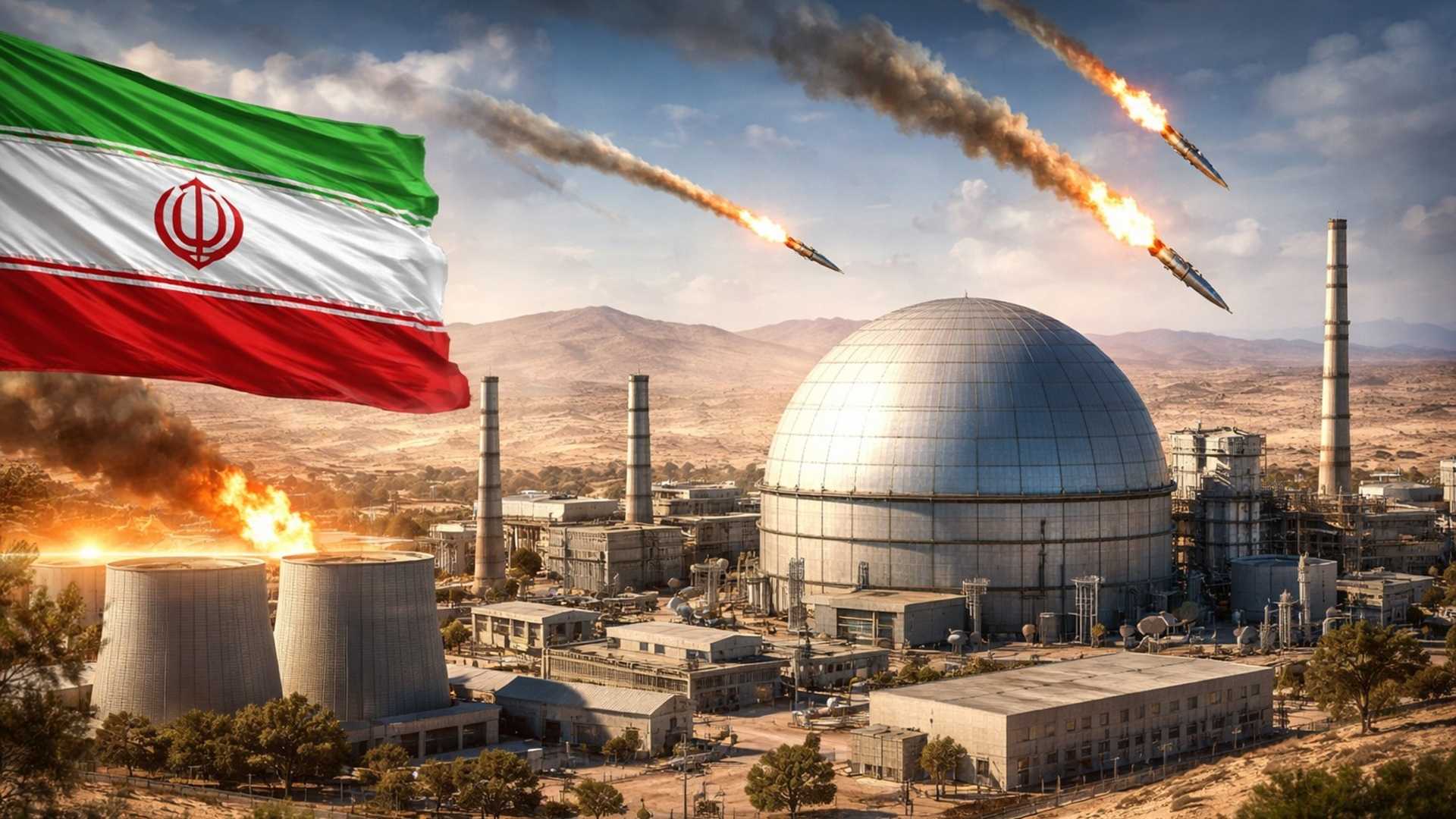

Iran’s Military Authority Statement Puts Dimona Nuclear Complex, Located in the Negev Desert About 30 km from Beersheba, at the Center of the Escalation Between Tehran, Israel, and the United States Amid Tensions Involving Nuclear Programs and Military Operations in the Region
The Iran warned that it may attack Israel’s nuclear facility in Dimona if the United States and Israel attempt to promote regime change in Tehran. The statement placed one of Israel’s most sensitive strategic sites at the center of the growing regional conflict.
The threat was reported by Iranian state media and cited by international outlets. According to an Iranian military official, the Israeli nuclear complex would become a target if external powers attempted to overthrow the leadership of the Islamic Republic.
The statement comes after comments from leaders of the United States and Israel indicating that the broader military strategy of both countries aims to weaken the current Iranian government.
-
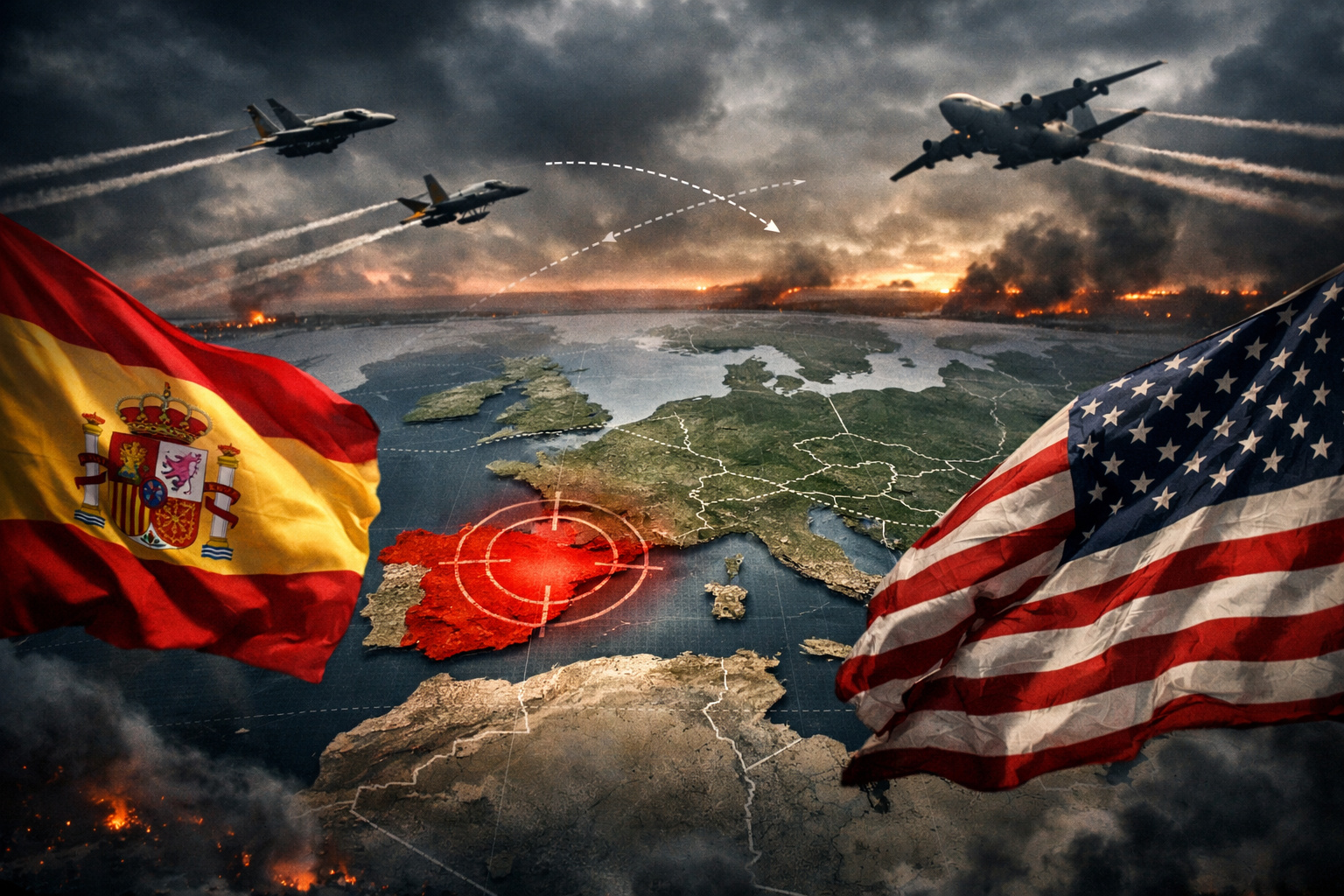
Spain challenges the USA and closes its airspace for operations against Iran, raising global tension and provoking the threat of a trade rupture.
-
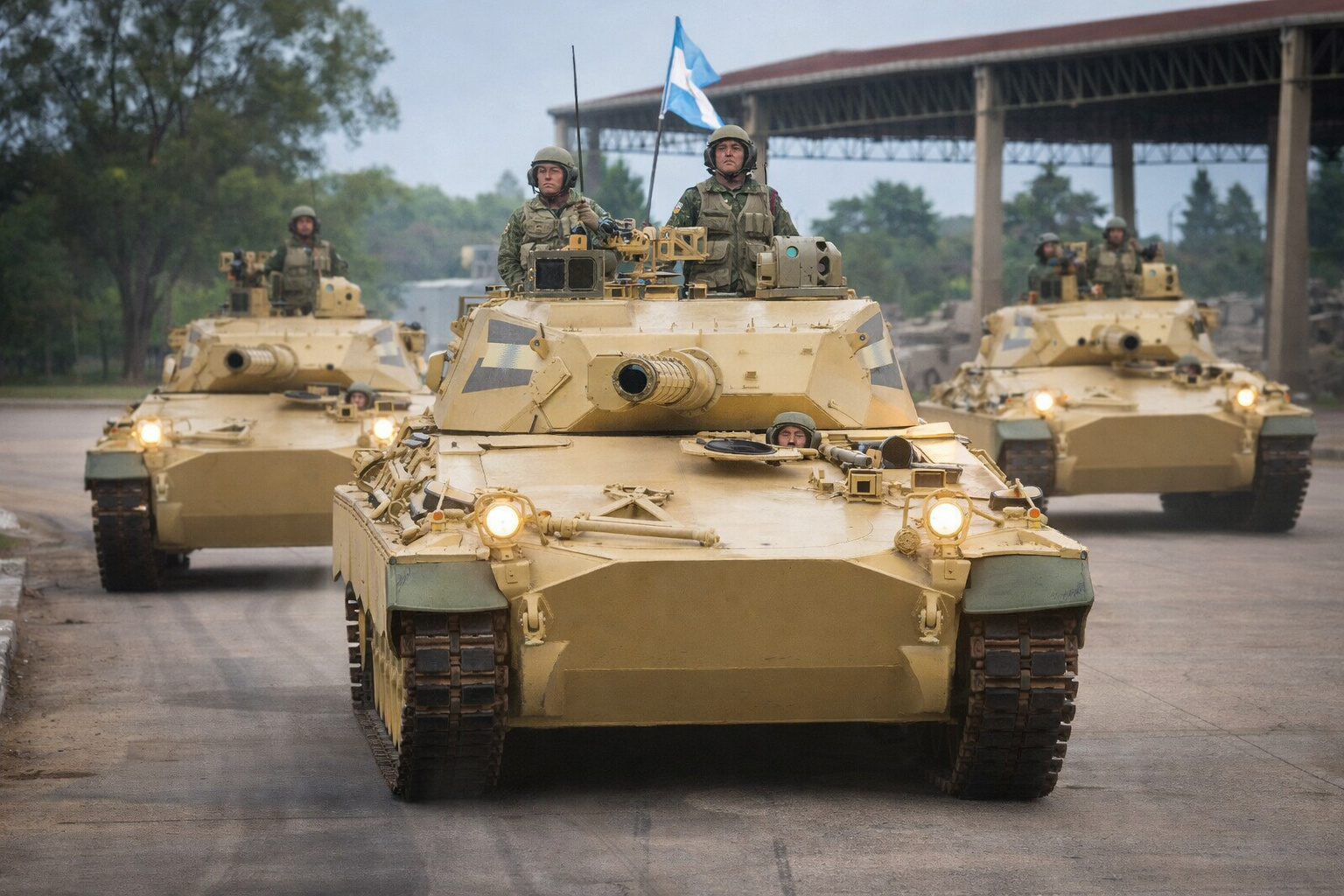
While no other country manufactures tanks in Latin America, Argentina activates the TAM 2C-A2 and raises a curiosity about the technological lag in the region.
-
A Russian ship with 730,000 barrels of oil has just arrived in Cuba while Mexico negotiates fuel sales through private companies: the communist island is desperately seeking alternatives after losing its supply from Venezuela due to American military action.

-
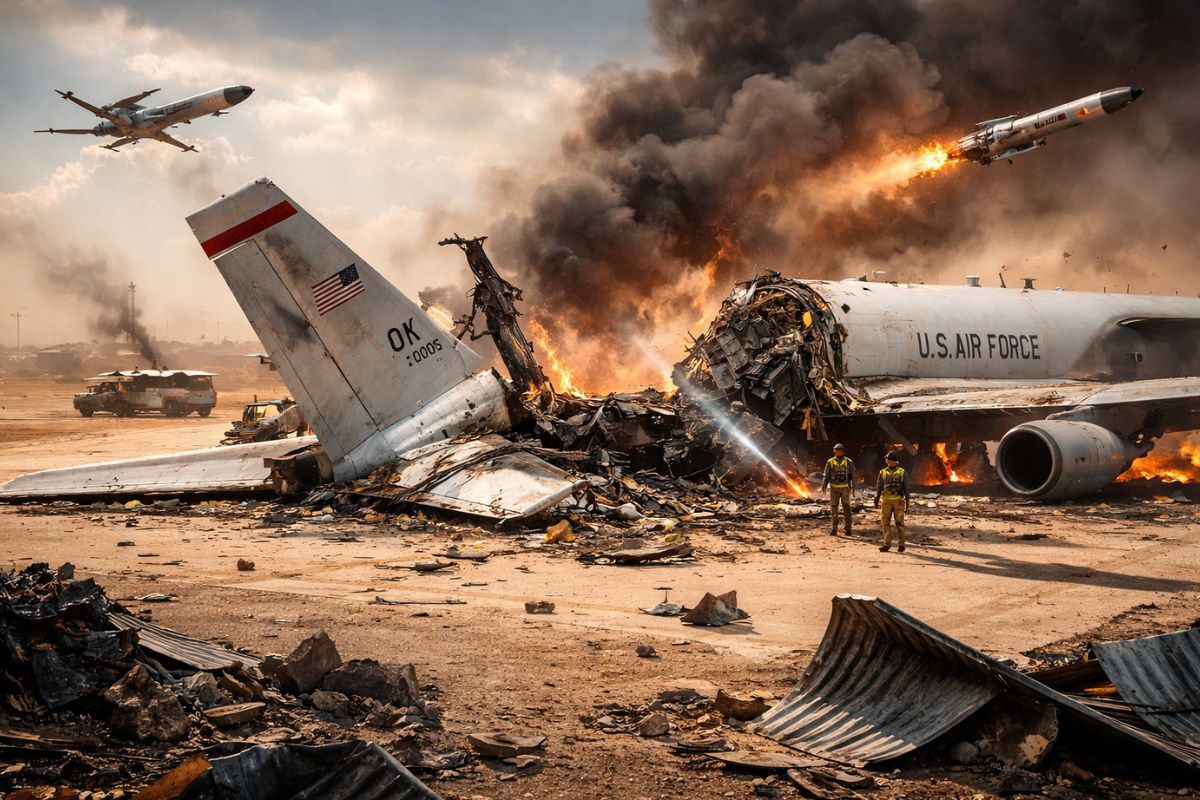
Iranian drones and missiles destroyed a 270 million dollar American spy plane in Saudi Arabia, splitting the E-3 Sentry aircraft in half and injuring 12 military personnel in an attack that exposes the vulnerability of U.S. bases in the Persian Gulf.

The increase in rhetoric occurs alongside the expansion of military operations involving Iran, Israel, and allies in the region.
Iran Puts Dimona Nuclear Facility at the Center of Regional Tensions
The Iranian warning directs attention to the Shimon Peres Negev Nuclear Research Center, known as the Dimona nuclear complex. The facility is located in the Negev Desert in southern Israel, about 30 kilometers southeast of Beersheba.
The complex has been considered one of the pillars of Israel’s nuclear infrastructure for decades. Israel officially describes the site as a nuclear research center focused on scientific activities.
However, various international experts point out that the complex has played a central role in the development of Israel’s nuclear capability. The facility began construction in the late 1950s, and the reactor became operational in the early 1960s.
Iran and the Debate on Israel’s Nuclear Program
The reactor’s operation has allowed for the production of plutonium, material deemed essential for the manufacturing of nuclear weapons. Since then, the Dimona complex has remained at the center of discussions about Israel’s nuclear program.
Israel has never officially confirmed possessing nuclear weapons. The country follows a policy known as nuclear ambiguity, in which the government neither confirms nor denies the existence of an atomic arsenal.
Analysts and non-proliferation advocacy groups estimate that Israel possesses approximately 90 nuclear warheads. According to these assessments, the country also has sufficient fissile material to produce a significantly larger number of weapons.
Iran, Israel, and the Differences in the International Nuclear Control Regime
Unlike Iran, Israel is not a signatory to the Treaty on the Non-Proliferation of Nuclear Weapons. For this reason, the International Atomic Energy Agency does not conduct inspections of Israeli nuclear facilities.
The absence of these inspections means that detailed information about the Dimona complex remains limited in the public domain. This contributes to keeping Israel’s nuclear program surrounded by uncertainties and external analyses.
The contrast with the situation in Iran is often highlighted in the international debate on nuclear oversight. While the Iranian program is monitored by international bodies, the Israeli arsenal remains outside of this verification system.
Iran and the Risks of an Attack on Nuclear Facilities
The threat involving Dimona has raised concerns among experts due to the possible consequences of an attack on a nuclear facility. Depending on the nature of the target and the materials present, an attack could pose risks of radiological contamination.
Specific estimates on the potential impact of such an attack are not publicly available. Nevertheless, experts have warned for years about the dangers associated with military operations against nuclear infrastructure.
At the same time, international agencies have sought to monitor the situation of Iranian nuclear facilities during the conflict. The International Atomic Energy Agency reported that there is no evidence of damage to facilities in Iran that contain nuclear material capable of causing radioactive leakage.
Iran Claims Peaceful Nature of Its Nuclear Program
The International Atomic Energy Agency has also repeatedly stated that it has not found evidence that Iran is currently building a nuclear weapon.
Despite this, concerns remain about the scale of the country’s uranium enrichment activities.
There are also recurring questions about the level of transparency of Iran’s operations with respect to international inspectors. These concerns are often cited by Western governments and by Israel.
Iran maintains that its nuclear program has peaceful objectives. In contrast, Israel and various Western governments assert that Iran’s technological capabilities could allow for the development of nuclear weapons should the country choose to do so.
The dispute over Iran’s nuclear ambitions has remained one of the main factors of tension between the two countries for over a decade. Analysts warn that the rhetoric surrounding nuclear infrastructure raises the risks in an already volatile regional confrontation.









Parabéns ao Trump e Netanyahu por mais essa cagad@