





 Portuguese
  English
  Spanish
  2 min of reading
  0 comments


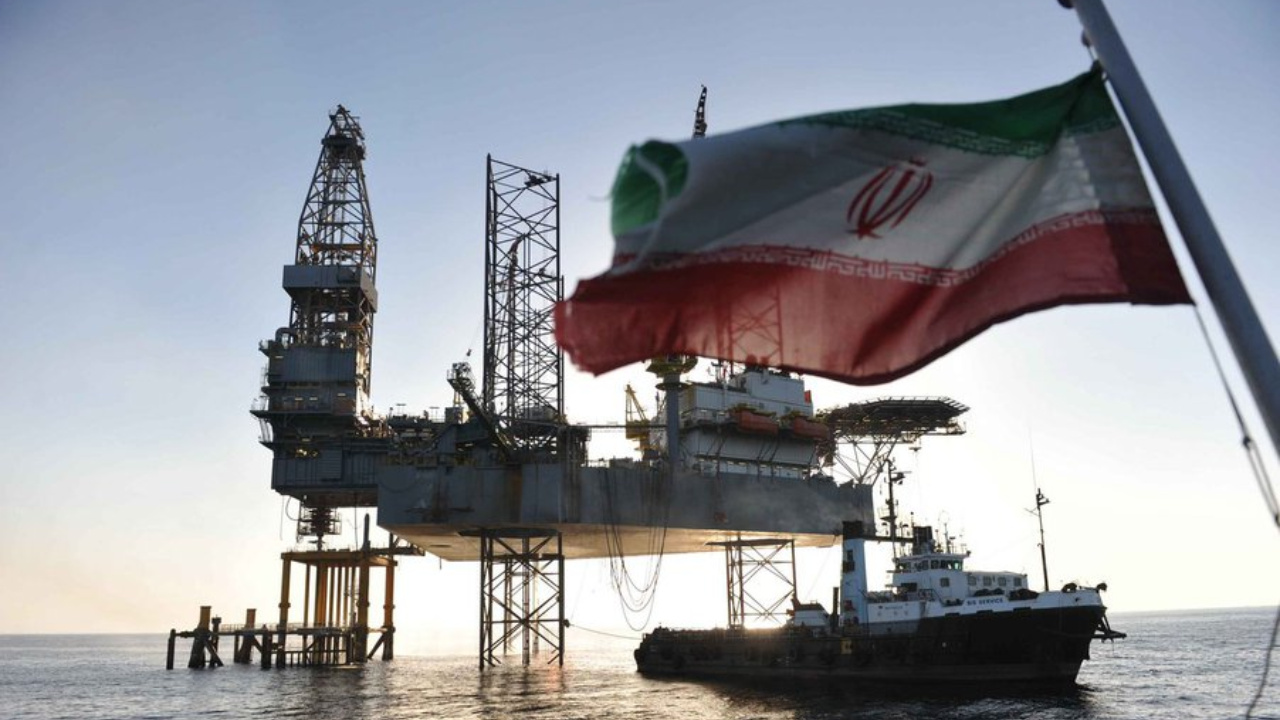
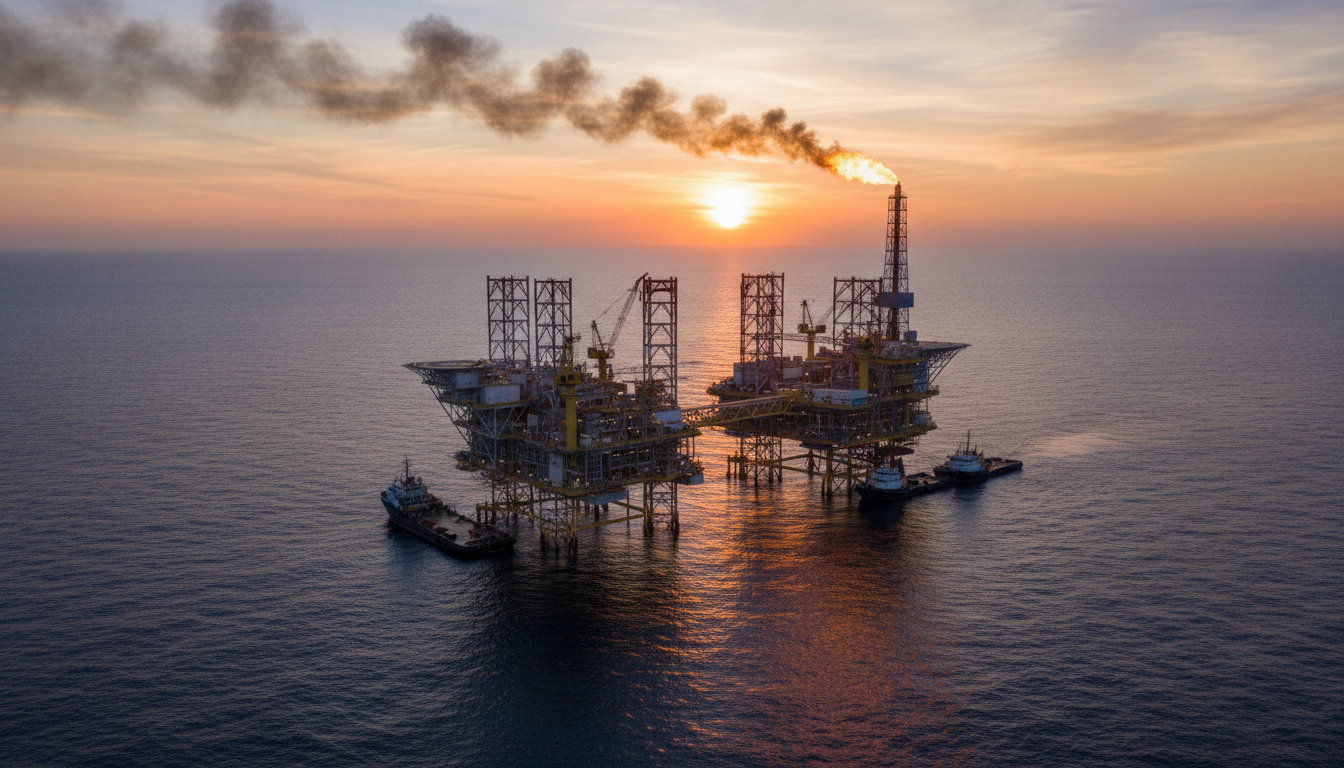
Iran Reveals New Oil And Gas Reserves In The Pazan Field In The Fars Province, Consolidating Its Position Among The Countries With The Largest Energy Resources On The Planet, According To Minister Of Petroleum Mohsen Paknejad.
The Iran announced the discovery of significant oil and gas reserves in the south of the country, strengthening its presence on the global energy map. The announcement was made by the Minister of Petroleum, Mohsen Paknejad, who detailed that the new reserve is located in the Pazan field, in the Fars province. The news was released by the Mehr News Agency and generated great expectations about the economic and strategic impact of the discovery.
According to the minister, recent studies suggest a significant increase of 10 trillion cubic feet (tcf) to national gas reserves. The explored area extends to the north of the Bushehr province, approximately 21 kilometers from the city of Jam, which demonstrates the energy potential of this strategic region.
Drilling Resumed After Nearly A Decade Of Interruption
Exploration activities in the Pazan field had been interrupted for nearly eight years. However, the resumption of work marked a new phase for the Iranian energy sector. According to Paknejad, this stage was crowned by the successful drilling of a second well, which confirmed the presence of the new reserves.
-
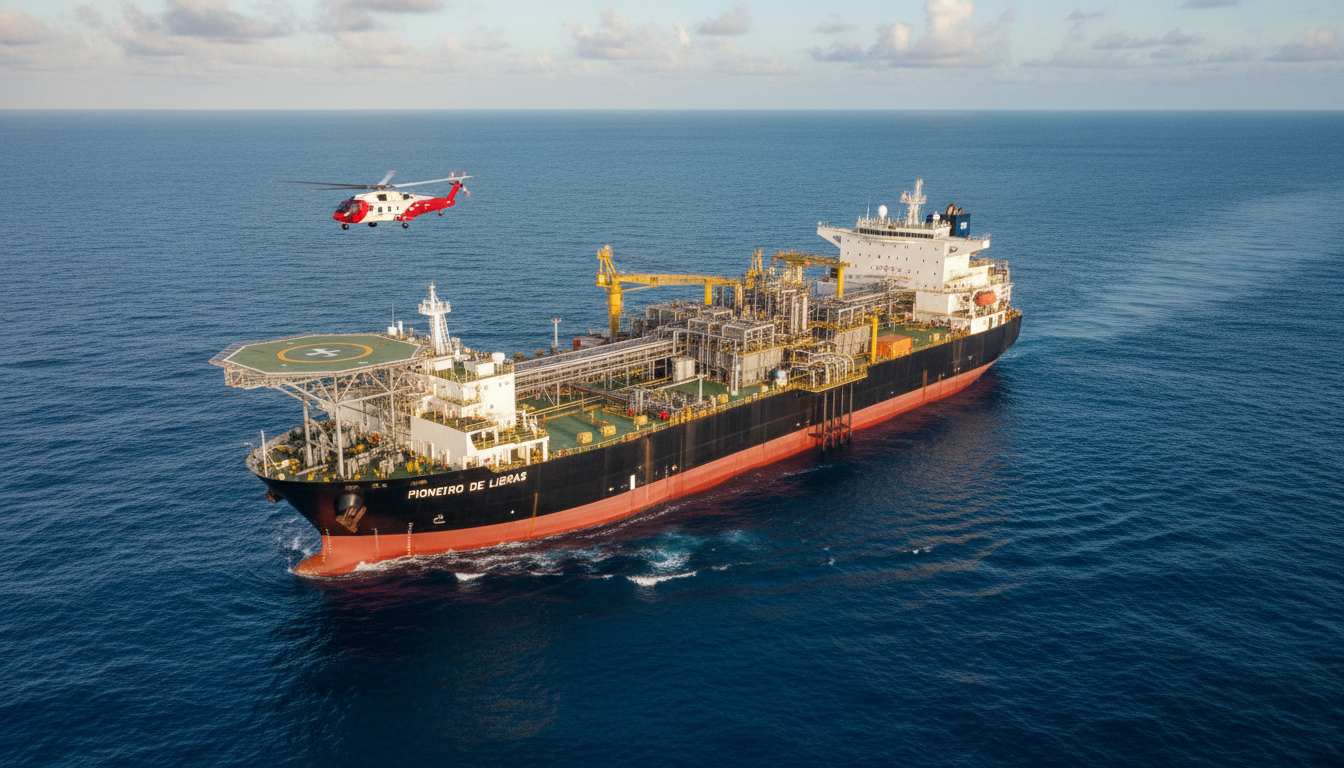
With the war silencing the wells of Iran, Brazil set a record of 5.3 million barrels per day and rose in the global oil ranking without anyone noticing — the pre-salt now accounts for 80% of everything that comes from the seabed.
-
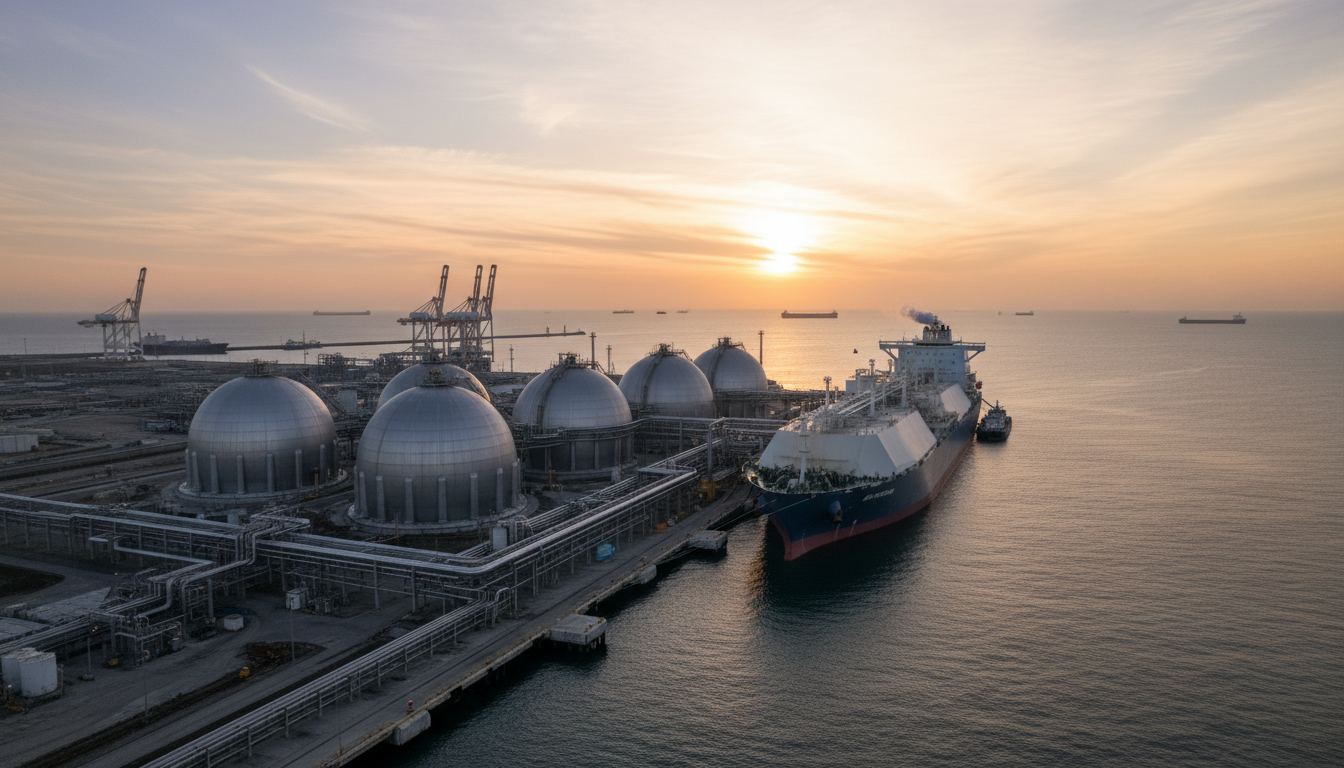
After years of delays and billions invested, the Golden Pass megaterminal in Texas is about to start exporting liquefied gas and will reshape the global energy map amid the Middle East crisis.
-
The artificial intelligence market within the oil industry is worth billions today and will more than double by 2033, and those who do not get on board now with the race for digital twins and autonomous drilling will be left behind.

-
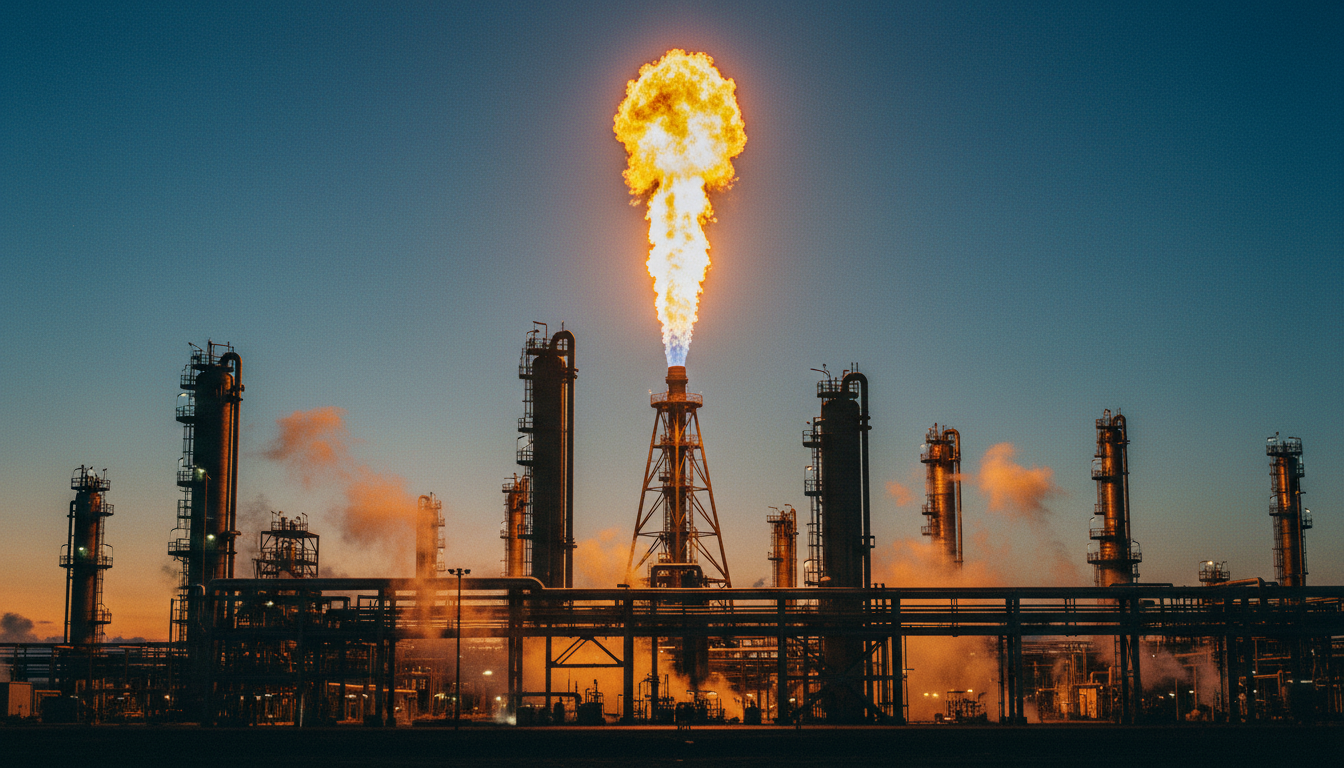
Petrobras quietly installed an artificial intelligence system called Smart Tocha in six of its largest refineries, and the technology independently controls the burning of gases to reduce emissions without any operator needing to intervene.
The minister classified the advancement as a significant milestone in the recent history of the country’s oil and gas exploration. The project is expected to accelerate local development and help reduce dependence on imports, strengthening Iran’s energy self-sufficiency.
Production Expected To Start Within 40 Months, Government Says
The operations contract for the Pazan field has already been signed, and the Iranian government anticipates that commercial production will commence within 40 months. The expectation is that the field will significantly contribute to the increase of national production capacity, consolidating Iran among the global leaders in natural gas reserves.
This discovery comes at a crucial moment, as Tehran seeks to expand its export capacity and reduce the effects of international sanctions that still limit the country’s oil sector.
With the new field, the Iranian government demonstrates that, even under economic restrictions, it continues to invest heavily in oil and gas exploration, aiming to secure its strategic role in the global energy supply.





-

2 pessoas reagiram a isso.