





 Portuguese
  English
  Spanish
  4 min of reading
  0 comments


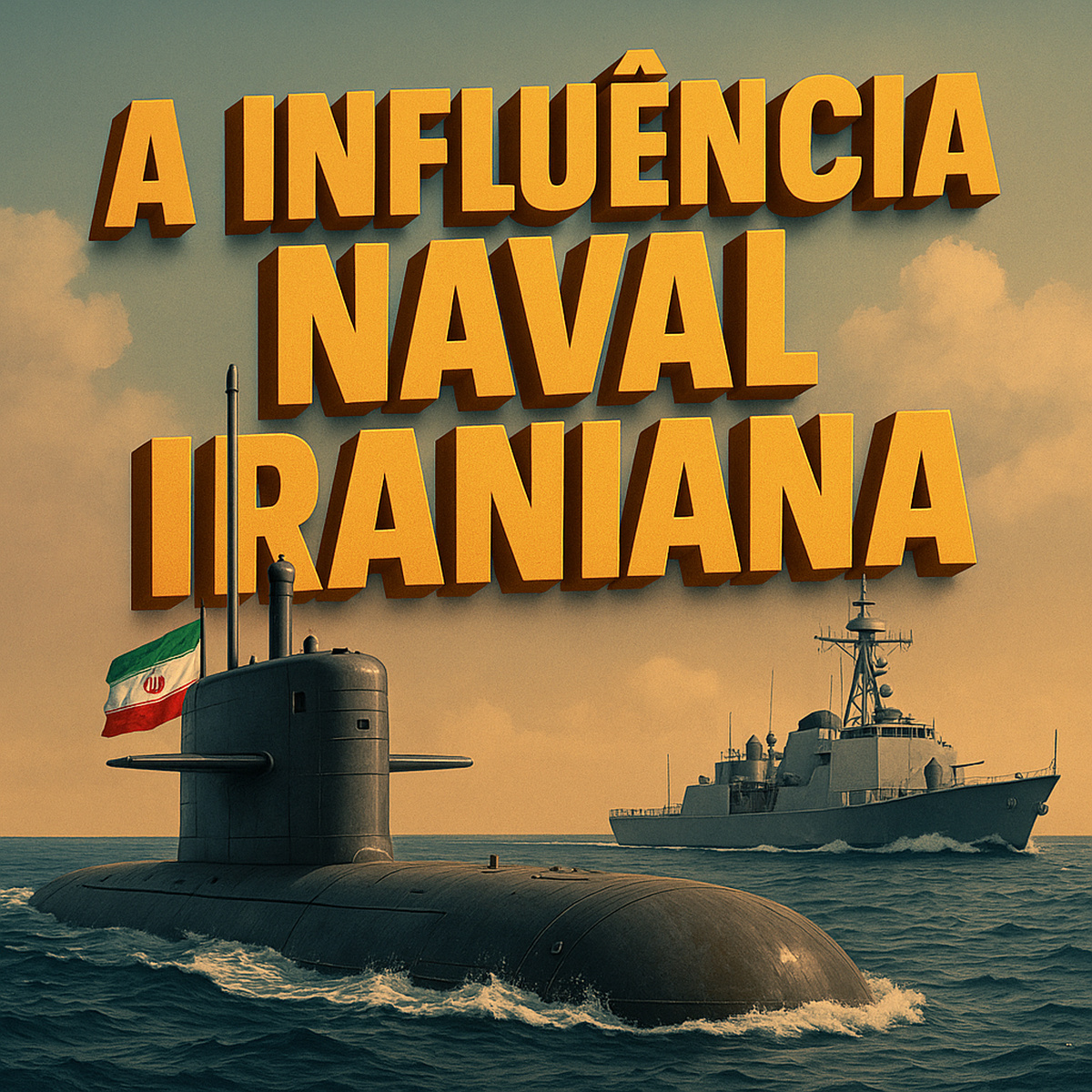
Iranian Navy Combines Domestic Technology, Submarines, and Strategic Presence to Consolidate Maritime Control in the Gulf and the Caspian Sea.
Iran has continuously expanded its naval and strategic capabilities in the Persian Gulf, the Caspian Sea, and international maritime routes.
Since the Islamic Revolution of 1979, the country has invested in a diverse fleet that blends warships, diesel-electric submarines, mini-submarines, drones, and state-of-the-art technologies.
Although it does not have a navy comparable to the world’s great powers, Iran is already regarded as one of the most advanced medium-sized navies in Asia.
-
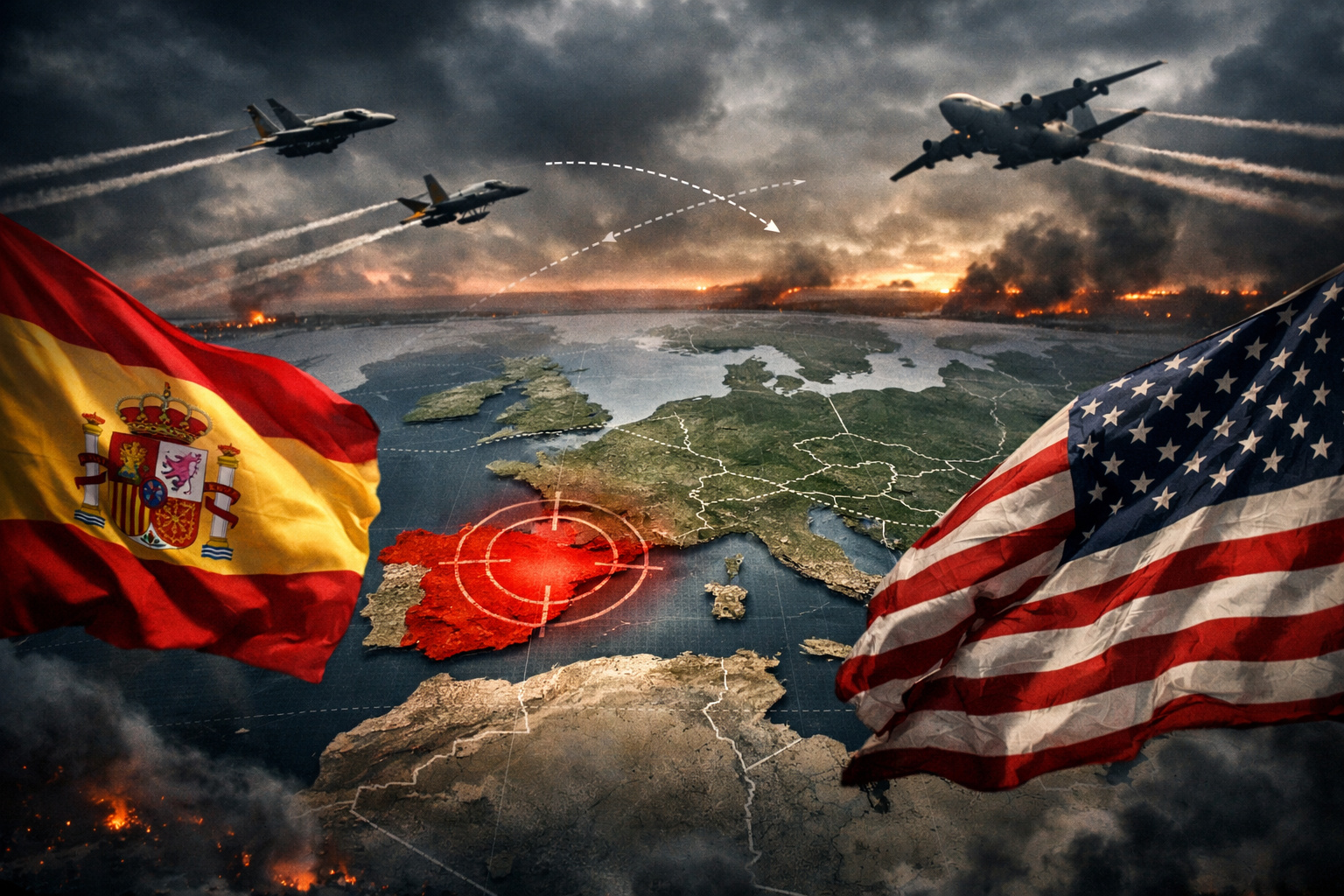
Spain challenges the USA and closes its airspace for operations against Iran, raising global tension and provoking the threat of a trade rupture.
-
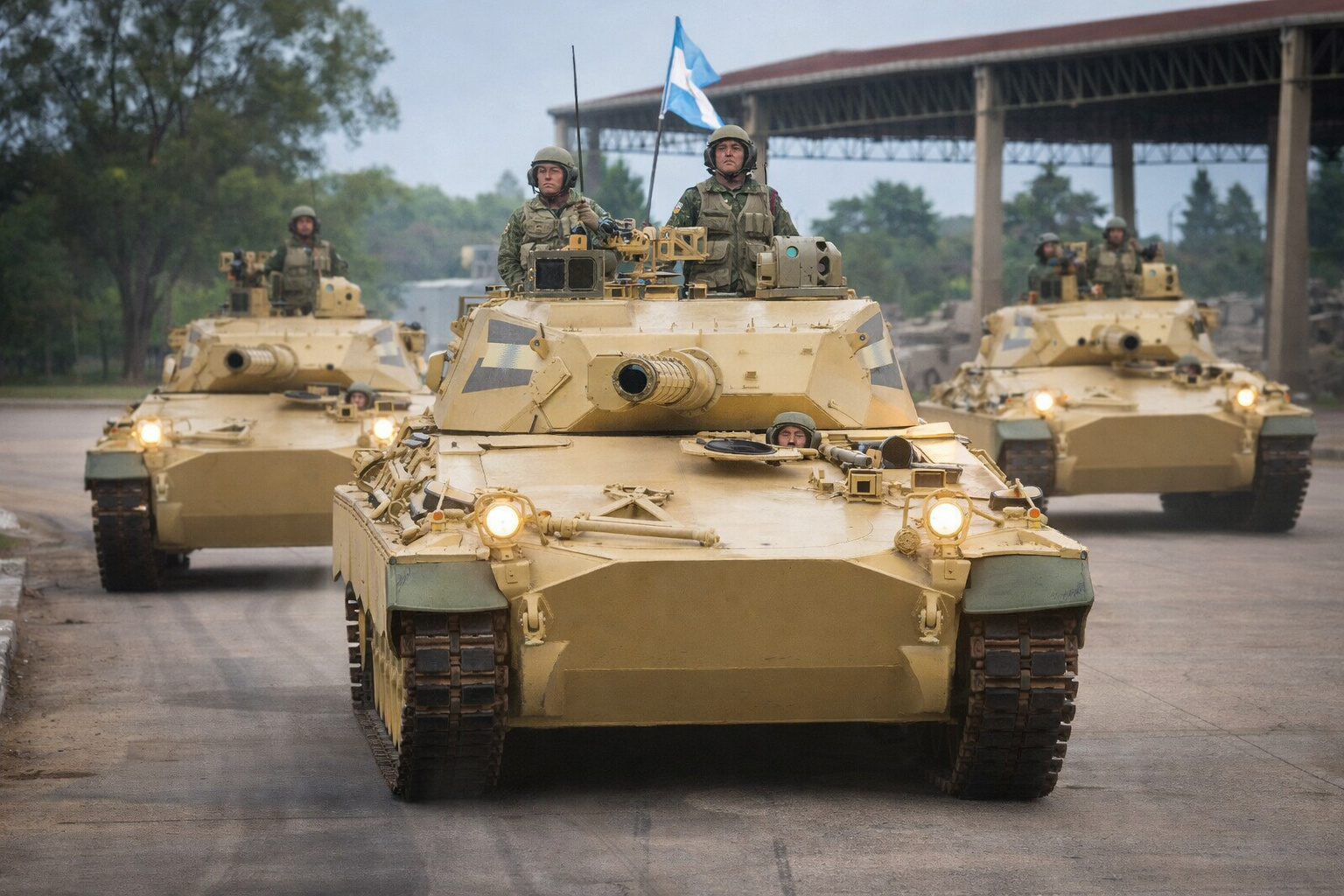
While no other country manufactures tanks in Latin America, Argentina activates the TAM 2C-A2 and raises a curiosity about the technological lag in the region.
-
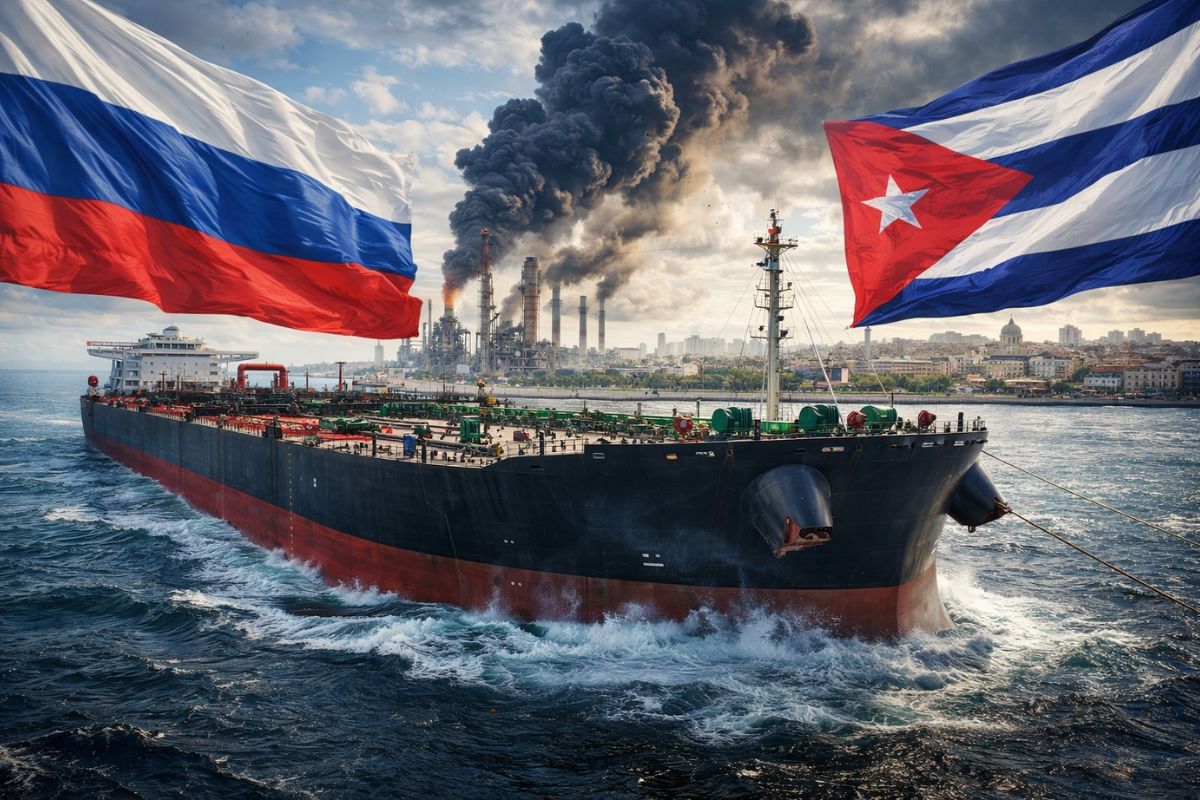
A Russian ship with 730,000 barrels of oil has just arrived in Cuba while Mexico negotiates fuel sales through private companies: the communist island is desperately seeking alternatives after losing its supply from Venezuela due to American military action.
-
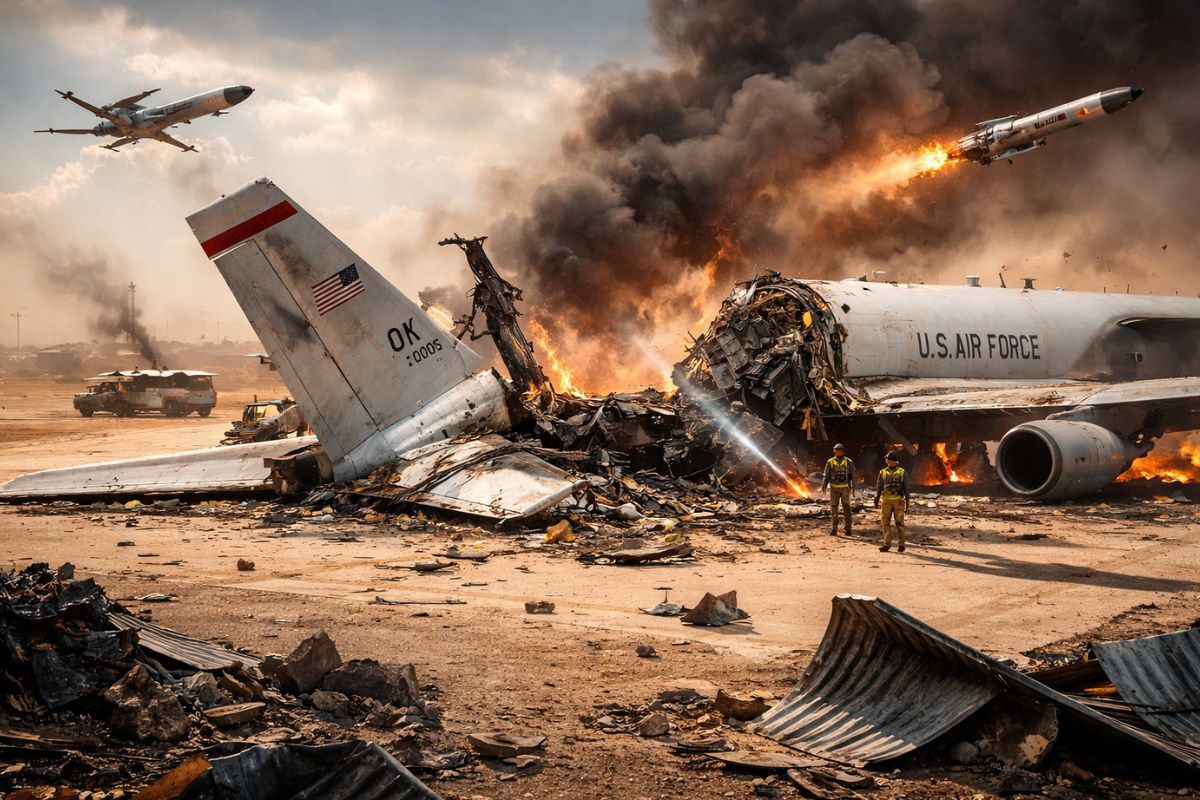
Iranian drones and missiles destroyed a 270 million dollar American spy plane in Saudi Arabia, splitting the E-3 Sentry aircraft in half and injuring 12 military personnel in an attack that exposes the vulnerability of U.S. bases in the Persian Gulf.

Moreover, according to the Global Firepower Report 2024, the Iranian navy ranks 37th among the 145 largest in the world — a relevant achievement, considering the international sanctions and technological limitations faced by Tehran.
Regular Fleet Invests in Technological Diversity
The Regular Navy of Iran (IRIN) is responsible for the majority of the fleet. Additionally, it currently has more than 18,500 personnel and about 100 ships and submarines, operating in the Persian Gulf and the Caspian Sea.
Key equipment in service includes:
- Modern destroyers such as Zulfiqar, Sahand, and Zagros, armed with precision missiles.
- Alphand frigates and Moj, of British and Iranian origin, used in medium-range operations.
- Amphibious assault ships and corvettes, employed in troop transport and rapid attacks.
However, the great differential of the regular fleet is its set of submarines — considered Tehran’s “silent weapon.”
Submarines: The Iranian Undersea Force
Currently, in 2024, Iran has between 19 and 27 active submarines. Therefore, this fleet is considered strategic. It includes:
- Tareq Class (Kilo), of Russian origin, measuring 74 meters in length and capable of cruise missile launch and strategic mining.
- Fateh Class, domestically manufactured, in operation since 2019, equipped with torpedoes and missiles, operating in coastal waters.
- Ghadir Class, small submarines ideal for special operations and surprise attacks, with up to 23 units.
- Nahang Class, a unique submarine adapted for transporting special forces.
It is worth noting that, since 2018, the Iranian government has expressed interest in developing nuclear-powered submarines. However, international sanctions and technological barriers still prevent such progress.
Additionally, Tehran is seeking to enhance its current fleet by integrating air-independent propulsion (AIP) systems to extend submerged operation time.
Naval Bases Reinforce Regional Presence
The network of naval bases in Iran is distributed across strategic areas in the Caspian Sea, Persian Gulf, and Oman Gulf. Thus, among the main operational centers are:
- Bandar Abbas: the largest Iranian naval base, with facilities for ship and submarine construction and maintenance.
- Jask: an advanced defense point in the Oman Gulf, with logistical functions and protection of economic interests.
- Chabahar: a strategic base with direct access to the Indian Ocean, essential for trade with Central Asia.
- Bandar-e Anzali: submarine manufacturing base and defense of oil facilities in the north of the country.
- Kharg: garrison to protect the largest oil facilities in the Persian Gulf.
- Imam Ali (in Chabahar): base from which reconnaissance patrols and presence missions in the Oman Gulf depart.
Furthermore, the Islamic Revolutionary Guard Corps (IRGC) maintains advanced facilities such as the Sirik base, near the Strait of Hormuz, and in Abu Musa, an island disputed with the United Arab Emirates, equipped with anti-missile defense systems and underground fortifications.
Revolutionary Guard Navy Invests in Light and Fast Technology
Complementarily, the IRGCN (Revolutionary Guard Navy) operates independently. Therefore, it prioritizes high-speed vessels and emerging technologies.
Its fleet includes:
- 10 Houdong boats;
- 25 Peykaap II boats;
- 10 MK13 boats;
- Special operations units with drones and advanced surveillance systems.
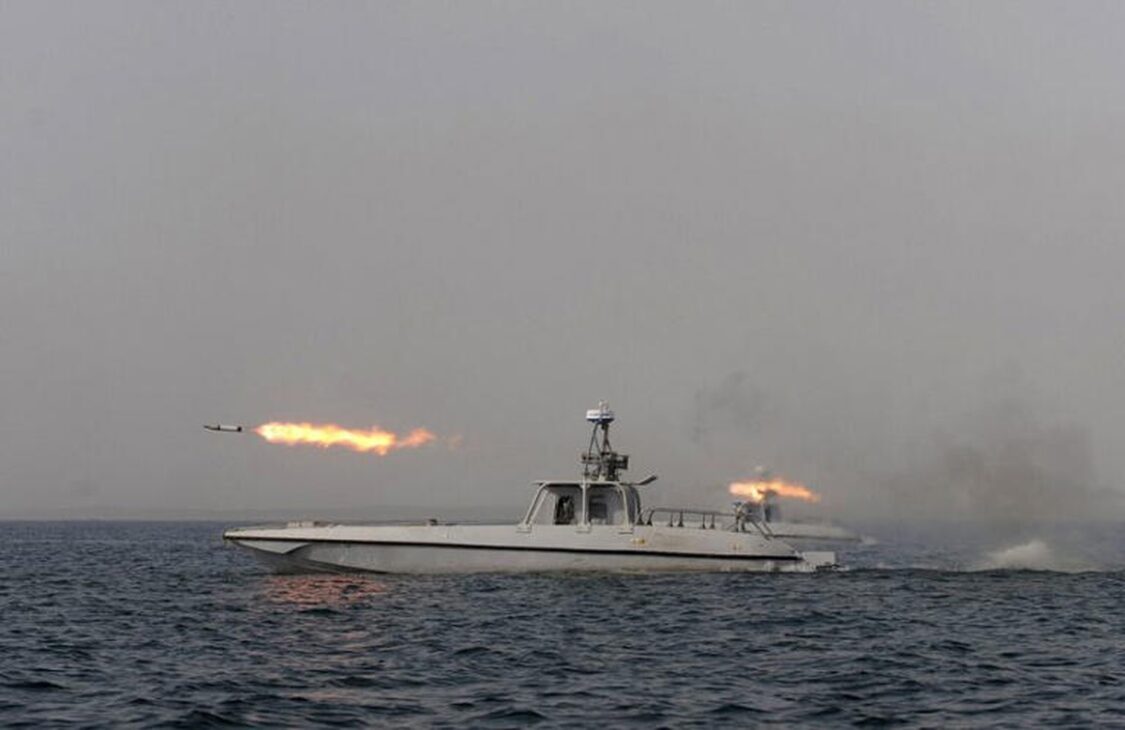
Despite the absence of large ships or submarines, this force stands out for its speed, mobility, and ability to pose a constant threat in strategically important areas.
Recent Advances Consolidate Offensive Capabilities
In August 2024, Iran announced the incorporation of 2,640 missile and drone systems, including models of stealth cruise missiles to radar.
Additionally, also in 2024, the Iranian navy successfully conducted cruise missile launches from smaller submarines, demonstrating evolution in offensive capabilities.
In the previous year, in 2023, an Iranian naval group completed an unprecedented mission: covering more than 63,000 kilometers in a journey lasting eight months, reaching the Strait of Magellan.
The mission, led by the destroyer Dana and the supply ship Makran, signaled Iran’s intention to expand its presence in international waters.
What Does the Future Hold for Iran’s Naval Fleet?
According to international analysts, such as Amir Mousavi (former Iranian diplomat) and specialists from NESPAK, the future of the Iranian navy depends on the country’s ability to continue enhancing its domestic technology.
Moreover, in the meantime, maritime deterrence tactics keep the Strait of Hormuz as one of the most sensitive points in global trade, with the potential to impact oil and gas routes.
With the strengthening of its naval bases, integration of new weapons, and the experience accumulated in long-distance operations, Iran is expected to maintain, in the coming years, a posture of increasing influence in the Persian Gulf and adjacent seas.
What do you think: will the modernization of the Iranian fleet consolidate its regional position or bring new challenges to global maritime security?








-

-

2 pessoas reagiram a isso.