





 Portuguese
  English
  Spanish
  4 min of reading
  0 comments



Understand how vehicle financing can be a financial trap, with interest rates of up to 25% per year and the impact of depreciation, which makes you pay much more than the car is really worth
The decision to finance a car involves more than just checking if the installment fits your budget. For many people, financing is a practical and accessible solution, but is it the best financial choice?
When the dealership salesperson suggests financing the car in long installments, consumers often have no idea of the total cost involved. The question that should be asked is: how much does this car really cost in the end?
The real cost of financing
The interest rate for vehicle financing in Brazil ranges from 1.8% to 2.3% per month, which may seem reasonable.
-
Farmer forgets barbed wire in the pickup truck and destroys Ford Fusion at car wash.

-
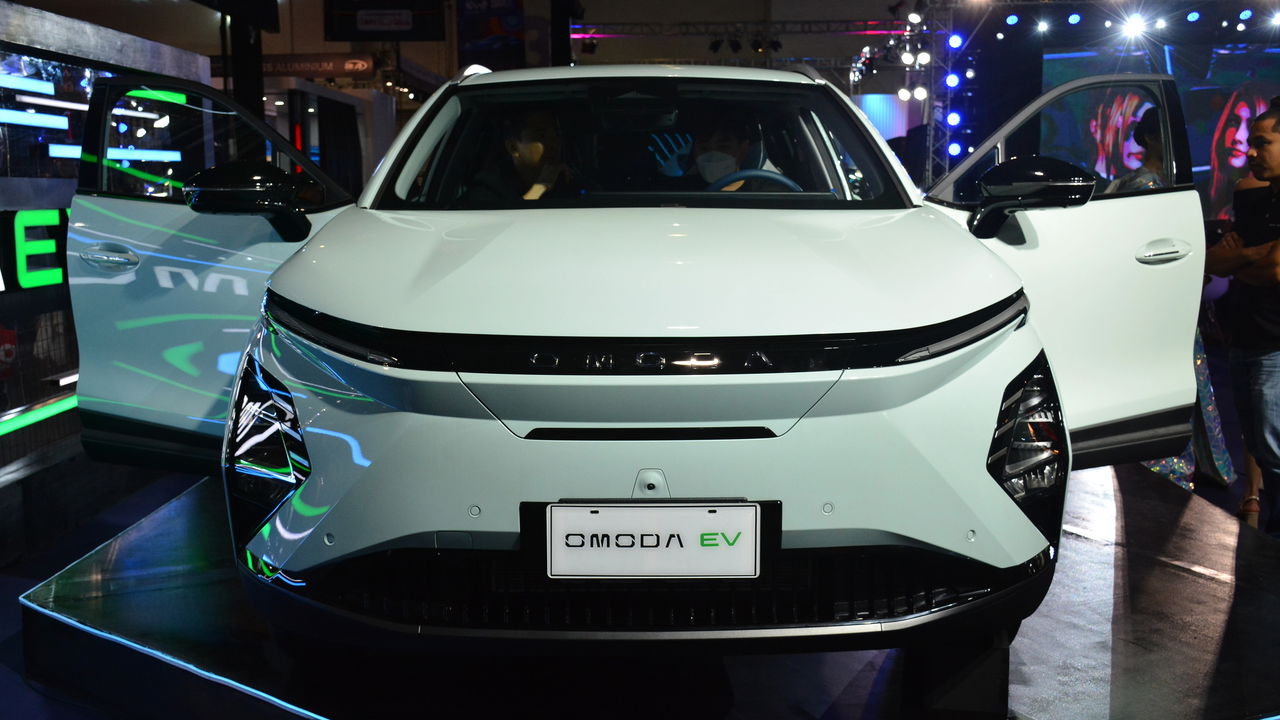
While the industry rushes towards automation, Omoda & Jaecoo bets on technology with a human touch and reveals its global mobility plan for 2026.
-
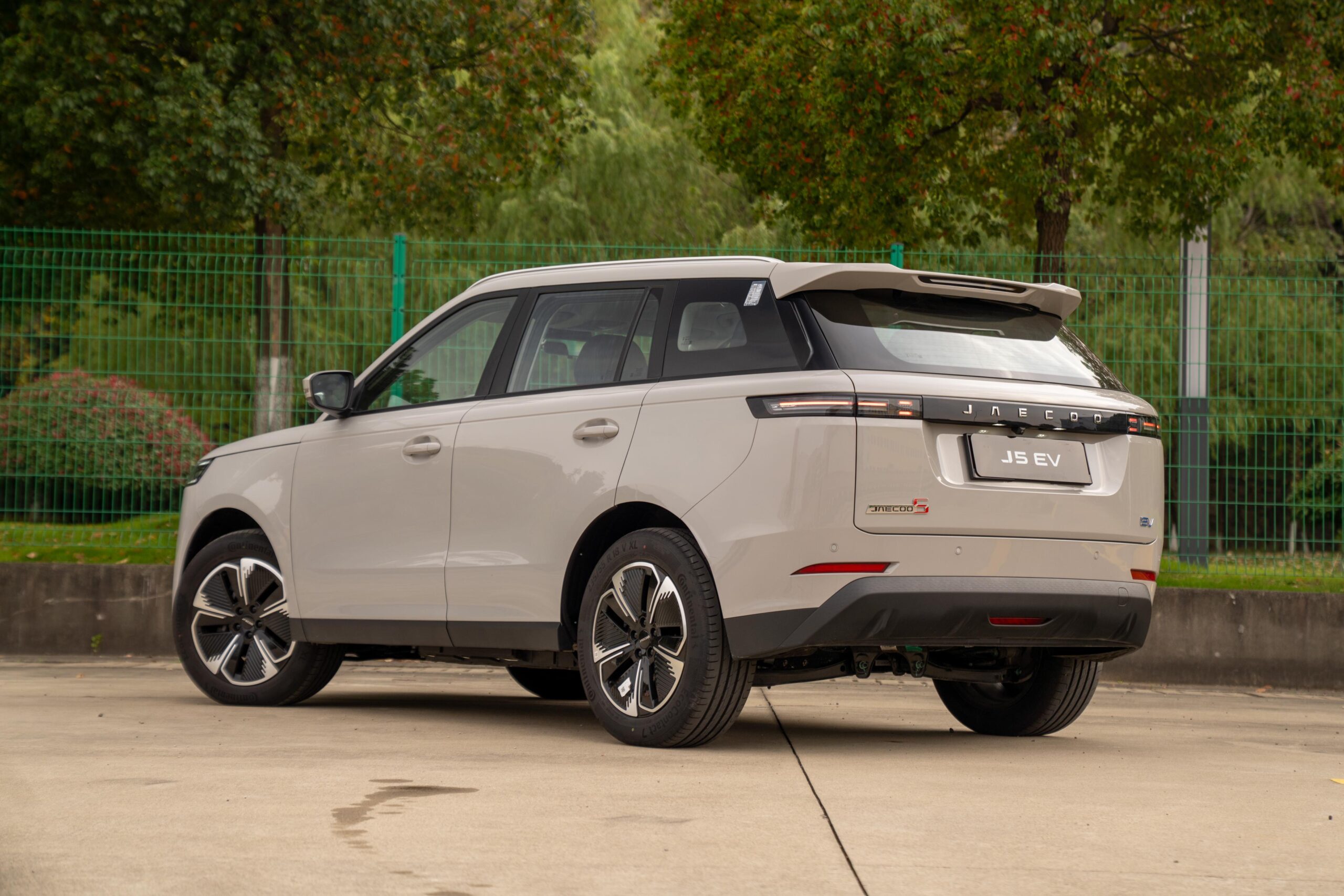
In just 1 year, JAECOO surpasses 7,000 units of the J5 EV delivered in Indonesia and consolidates trust in the Asian market.
-
With awards in various countries, the Jaecoo 7 is establishing itself globally and accelerating the expansion of Omoda & Jaecoo in the hybrid SUV market.


However, this rate reflects a financial reality more complicated than many imagine. For example, financing a car worth R$ 80,000 with a down payment of R$ 20,000, the outstanding balance of R$ 60,000 can result in installments of approximately R$ 1,650.00 for 60 months.
In the end, the consumer will have paid R$ 99,000, which means about R$ 39,000 in interest, representing 65% of the financed amount. And this does not account for the IUF (Fiscal Unit Index), which can add between R$ 500 to R$ 2,000 to the total amount paid, depending on the contract.
Moreover, a little-discussed factor is the depreciation of the car. In the first three years, a vehicle loses between 25% to 35% of its value. In other words, while the consumer pays for an asset that no longer has the same market value, the effective cost of financing becomes even higher.
The theory behind financing: using other people’s capital
One justification for financing a car is the possibility of using the bank’s money while preserving personal capital, investing the saved amount.
Theoretically, if the financing rate is lower than the return on an investment, the strategy of “using the bank’s money” can be advantageous. For example, if you finance R$ 60,000 at a rate of 1.9% per month and invest the remaining R$ 60,000 at a rate of 10% per year, after 5 years you would have about R$ 97,000.
However, the reality is that most people do not invest this difference in a disciplined manner. The money is often spent on other needs, and the result is that, in the end, financing becomes just a burden.
Financing in Brazil: a reality of increasing indebtedness
More than 60% of Brazilian families have some type of active debt, and vehicle financing is one of the main causes of this indebtedness. The common practice in dealerships is to focus on the installments, without discussing the impact of the total amount paid.
This creates a false sense that financing is accessible, when, in reality, committing 20% to 30% of monthly income to car installments can result in significant financial vulnerability.
For those who already have financial reserves, investments, and strict financial control, financing can be a valid strategy. However, if you do not have an emergency fund or if financing compromises more than 20% of your monthly income, the scenario changes completely. In this case, the decision to finance is not financial but emotional, and the amount paid in the end can be much higher than the value of the acquired asset.
Real financing scenarios
In the first scenario, if you have an emergency fund, are already investing, and the installments do not exceed 15% of your income, financing may be an interesting option. However, this requires discipline to invest the difference with the same rigor.
In the second scenario, if financing compromises more than 20% of your income and you are still building assets, financing can be a financial trap disguised as a practical solution.
There is also the compounded opportunity cost, which means that the money you pay for a car could be invested more advantageously.
If you invested R$ 1,650.00 per month for 5 years in an investment yielding 8% per year, you would have about R$ 122,000 accumulated. This represents the real cost of financing: the difference between what you pay to the bank and what it could have generated in investments.
Alternatives to traditional financing
Instead of financing a large part of the car’s value, one alternative is aggressive partial financing. By accumulating more capital and making a larger down payment, you significantly reduce the value of the installments and the total cost of financing. Another more advantageous option is a consortium, which, although slower, has a significantly lower cost.
Finally, the simplest and most effective option is to buy a cheaper car outright, without financing anything. By choosing a car worth R$ 40,000 outright, your income remains free for other needs and for building assets.
Financing a car is not necessarily a financial mistake, but what determines whether it is a good or bad decision is your financial situation. If you do not have reserves, financing can be a significant mistake, compromising your budget and your financial future.
The key is to do the math before making the decision and never be swayed solely by the appearance of the installment. In the end, the decision to finance a car should be based on the total cost of the asset, not just on the monthly installment.









Seja o primeiro a reagir!