





 Português
  Inglês
  Espanhol
  4 min de leitura
  0 comentários


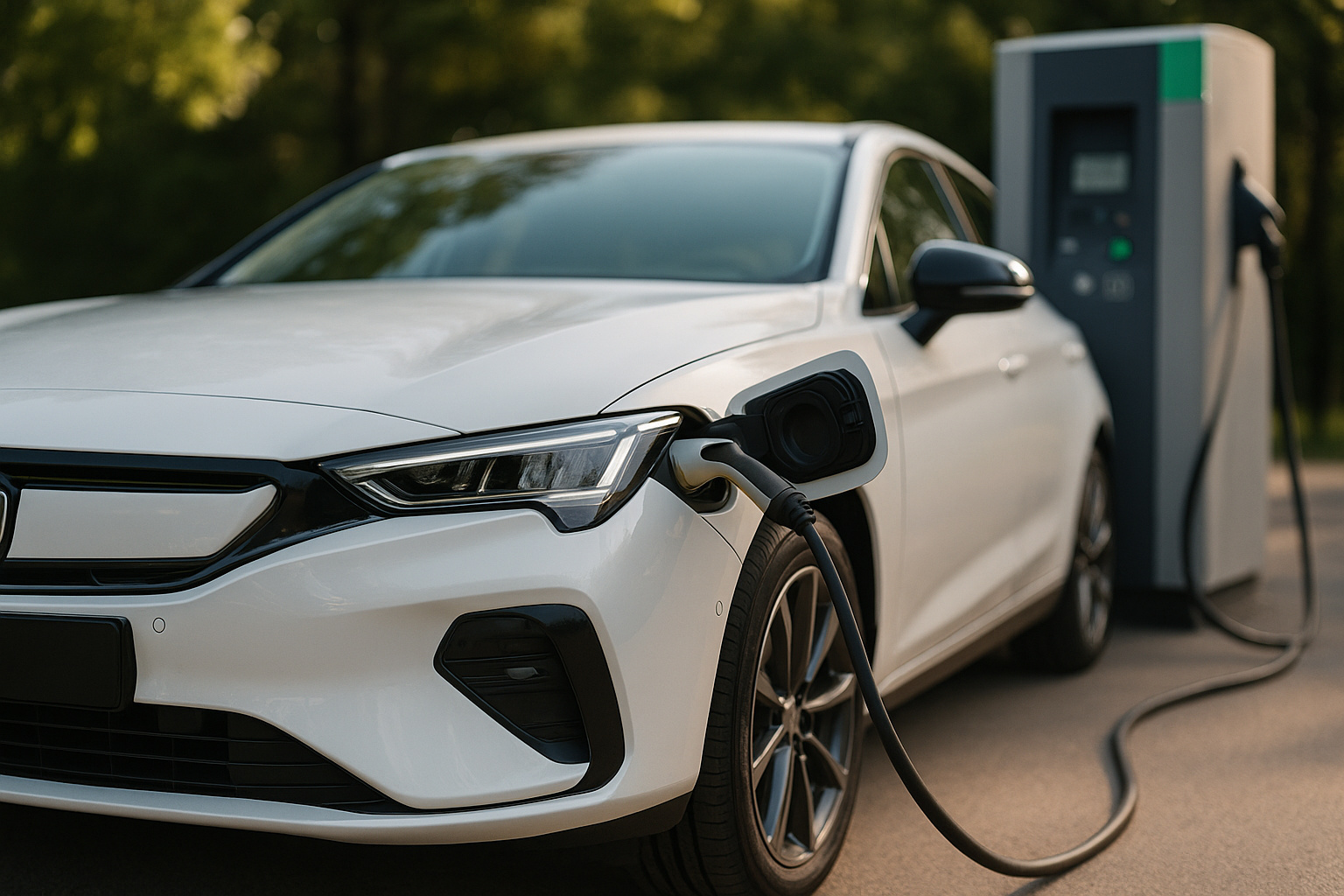
Tax Benefits for Electric Vehicles Are Expanded in Different Regions of the Country, with Full Exemption from IPVA in 2026, Specific Rules by State and Requirements Shape Access to Full Discount for Owners of Electric and Hybrid Models
Paying the IPVA will gain new characteristics in 2026, when several states will begin to treat the exemption for electric and hybrid cars as a consolidated fiscal policy, albeit with their own rules and variations among different regions. In various federative units, the granting of the full discount will depend on criteria such as the vehicle’s value, place of manufacture, or type of engine, which will redefine the tax impact on the electrified fleet.
State Rules on IPVA Exemption
The adoption of the benefit is governed by specific rules in each state, which define when the owner will be entitled to the full discount, how the tax will be waived, and which vehicles qualify. According to state governments that have already published rules, 18 federative units, including the Federal District, will offer some type of tax advantage aimed at electric and hybrid vehicles. These regulations determine when the exemption will be full, when there will be additional requirements, and in which situations the discount may be limited by economic or industrial criteria. In many cases, the framing removes the owner’s isolated decision about taxation, requiring compliance with the current state policy.
Criteria and Limitations: “Traps” That Influence the Benefit
Among the states that announced total exemption, some apply specific conditions. In Bahia, for example, the zero IPVA will only be granted to electric vehicles priced up to R$ 300 thousand. If the model exceeds this value, the tax will be charged in full again. In Minas Gerais, the benefit will be restricted to vehicles produced within the state, such as models manufactured by Stellantis. These conditions reflect regional strategies that link the discount to economic incentive policies or specific market segments.
-
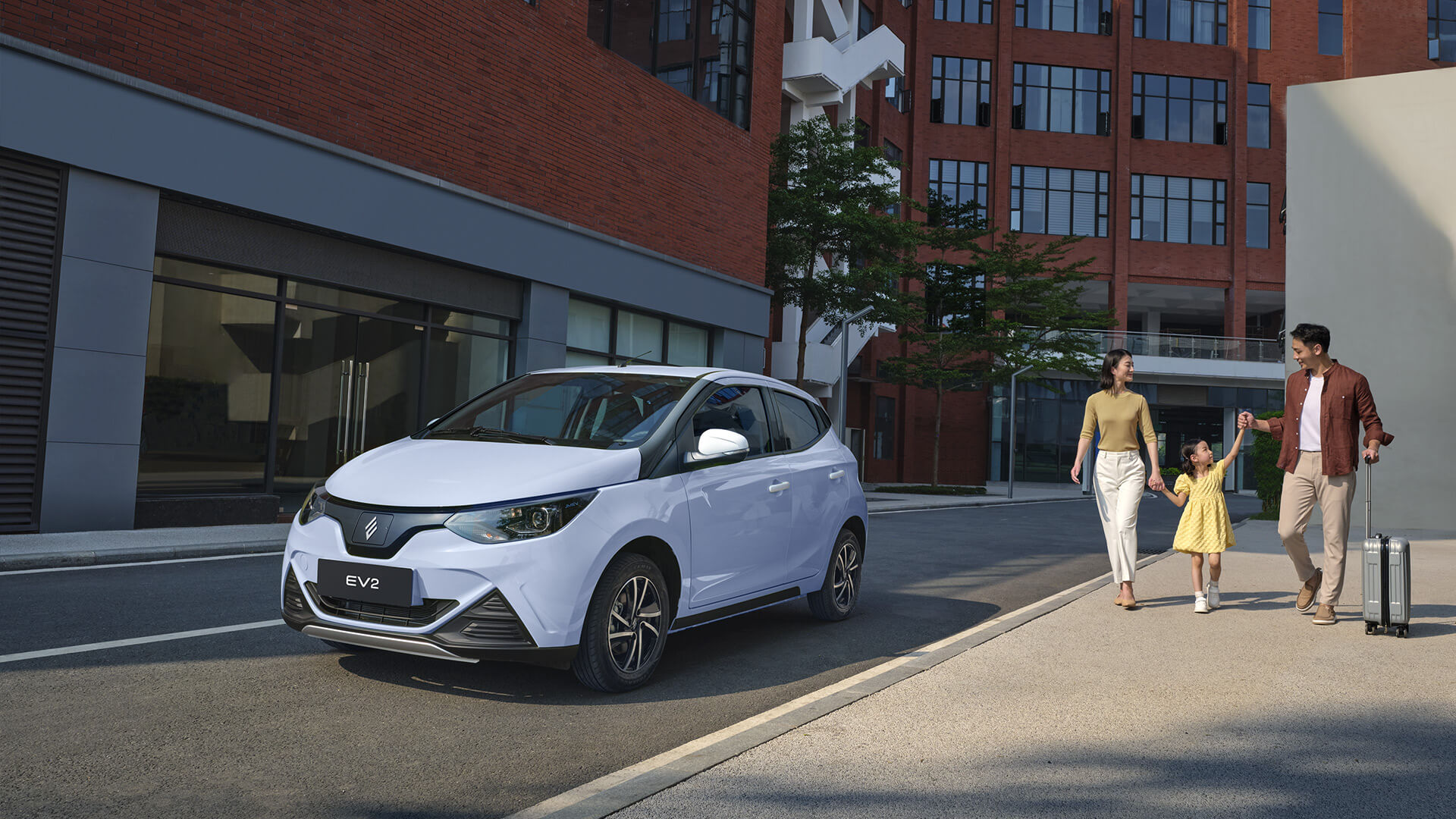
Goodbye expensive popular car: electric vehicle for less than R$ 70,000 starts being sold in Brazil with a range of 200 km and targets those looking to escape gasoline.
-
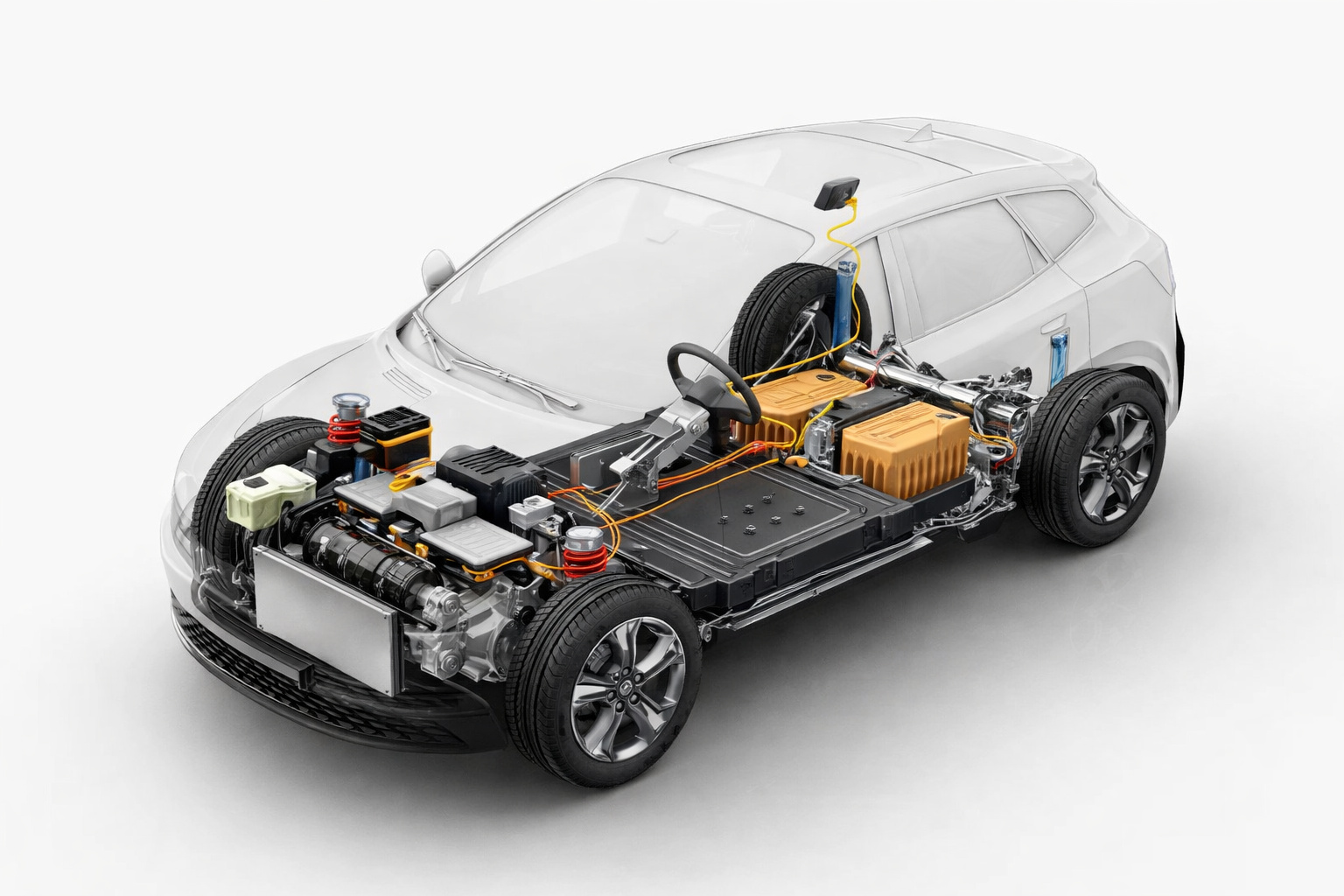
China Surprises Automotive Industry With Battery That Promises Electric Car Able to Run Up to 1,000 km Without Recharge
-
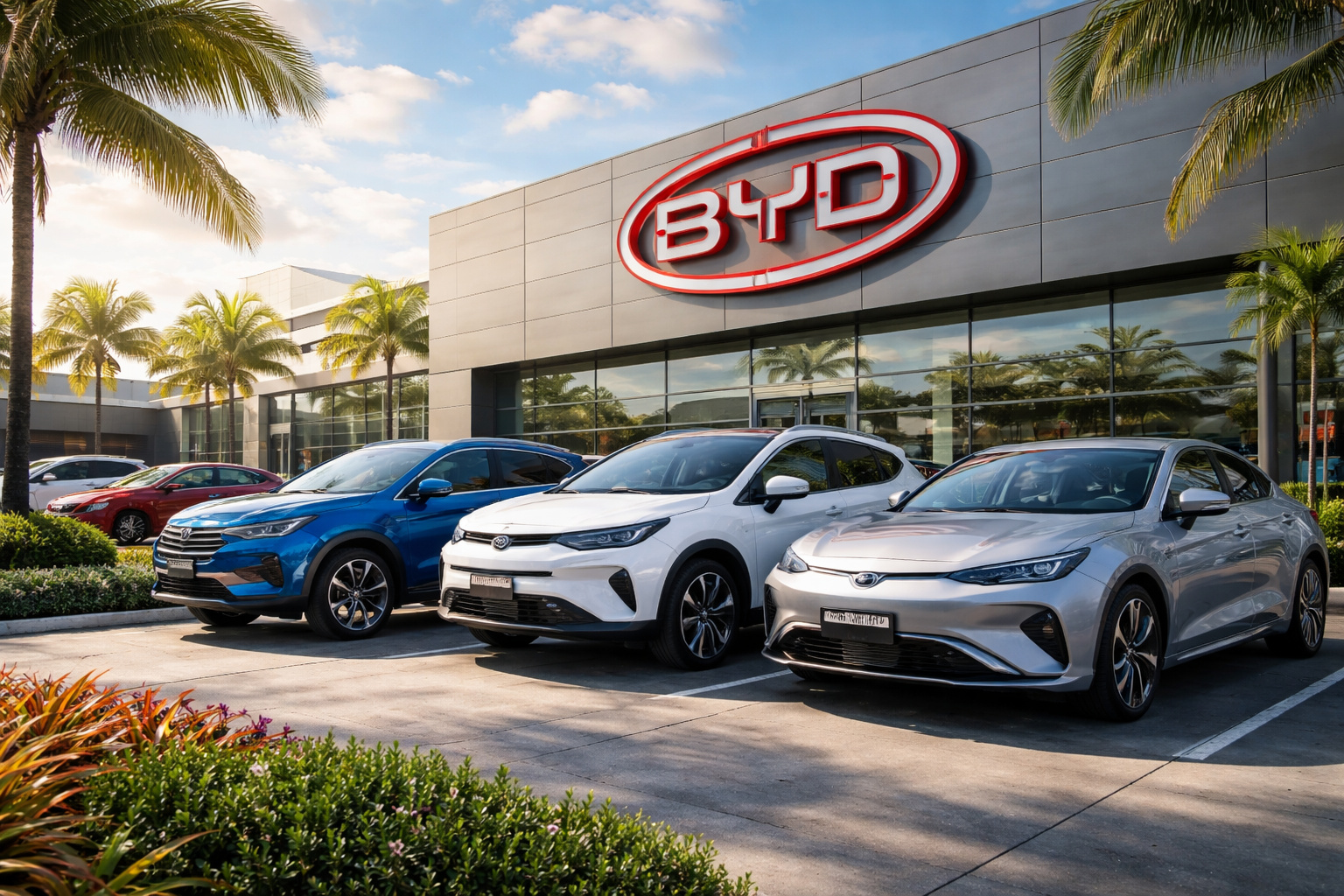
Why BYD Grew So Fast in Brazil and How Blade Batteries, Electric Cars, and Industrial Incentives Shaped This Expansion in the National Automotive Sector
-
Electric Cars Make Progress in Brazil in 2026 and Promise to Reduce Drivers’ Costs with Cheaper Energy, While Infrastructure Grows Slowly Across the Country
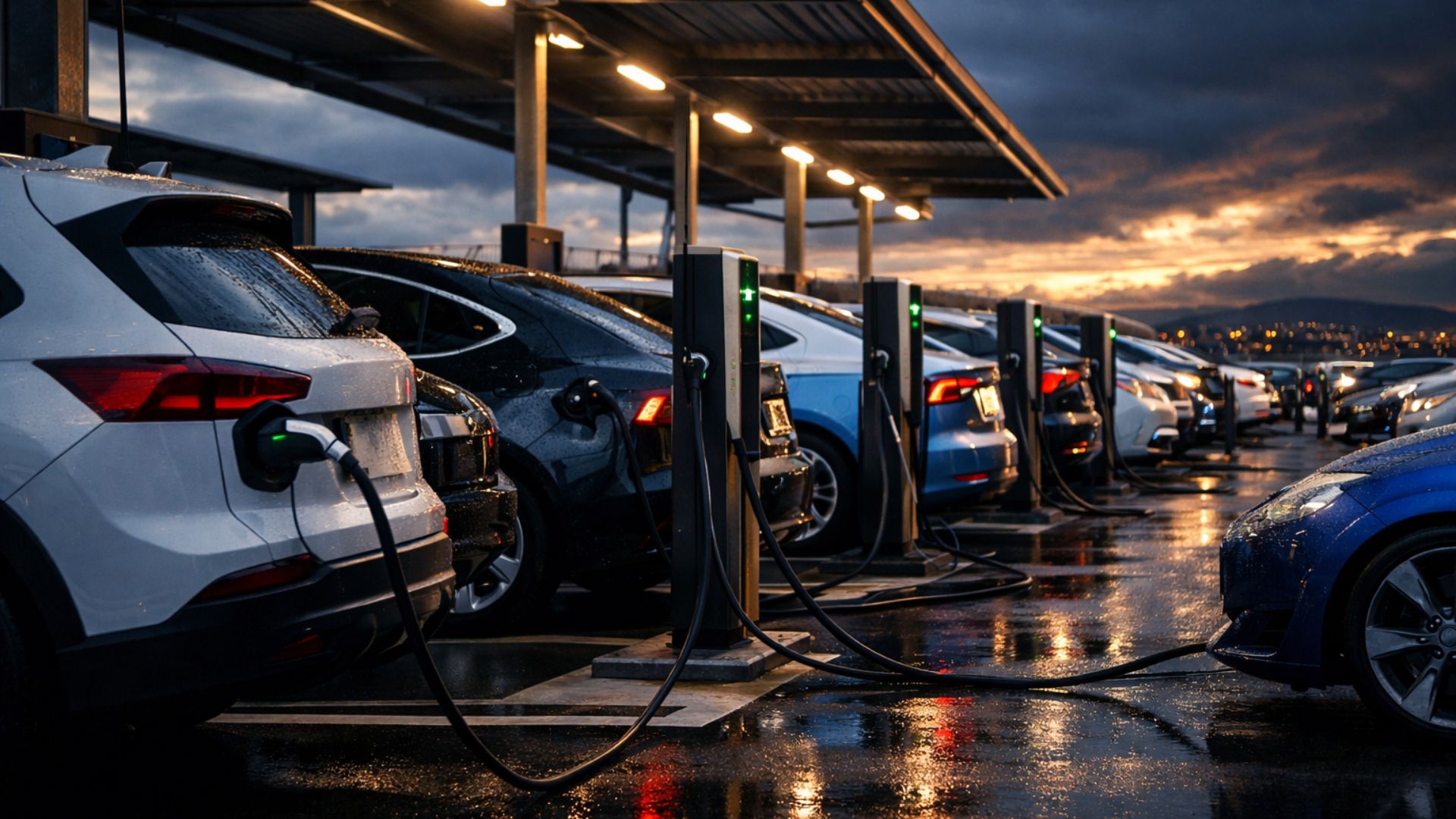

States That Will Have IPVA Totally Waived in 2026
The state governments have already confirmed where the total IPVA exemption will apply for electric and hybrid vehicles. Acre: electric and hybrid vehicles. Alagoas: electric and hybrid vehicles 0 km. Bahia: electric vehicles up to R$ 300 thousand. Federal District: electric and hybrid vehicles. Maranhão: electric vehicles. Minas Gerais: models produced in the state. Pará: electric vehicles. Paraíba: electric vehicles. Rio Grande do Norte: electric vehicles. Rio Grande do Sul: electric vehicles. These criteria will show that the expansion of the benefit will occur differently in each region.
How States Structure the Granting of the Benefit
The consolidation of policies to promote electric vehicles will lead several states to create technical criteria to classify each model. Some will differentiate hybrids from pure electrics, while others will condition the discount to mileage, year of manufacture, or commercial value. In regions where the benefit will include hybrids, the combination of combustion engine and electric propulsion will expand the tax reach. Nevertheless, this expansion will depend on specific classifications and requirements defined locally.
Impacts of the Rules and Expectations of Owners
The combination of state laws, fiscal policies, and technical requirements will require constant attention from electric vehicle owners. Moreover, criteria such as vehicle value, production location, and type of engine will directly influence access to the zero IPVA. The expansion of the benefit may also alter market behavior, as buyers consider maintenance costs and taxation before purchasing a vehicle. Thus, the offer of incentives will reinforce the choice of electric vehicles in various regions.
Changes in the Driver’s Relationship with the Tax
With the rules adopted by states and the enforcement of the requirements, the exemption from IPVA for electrified vehicles will require ongoing attention. Additionally, understanding the benefit will depend on reading local regulations and checking the required conditions. Thus, this process will redefine the perception of ownership cost and show that the fiscal incentive policy will depend on the specific criteria of each state.









-

Uma pessoa reagiu a isso.