





 Portuguese
  English
  Spanish
  4 min of reading
  0 comments


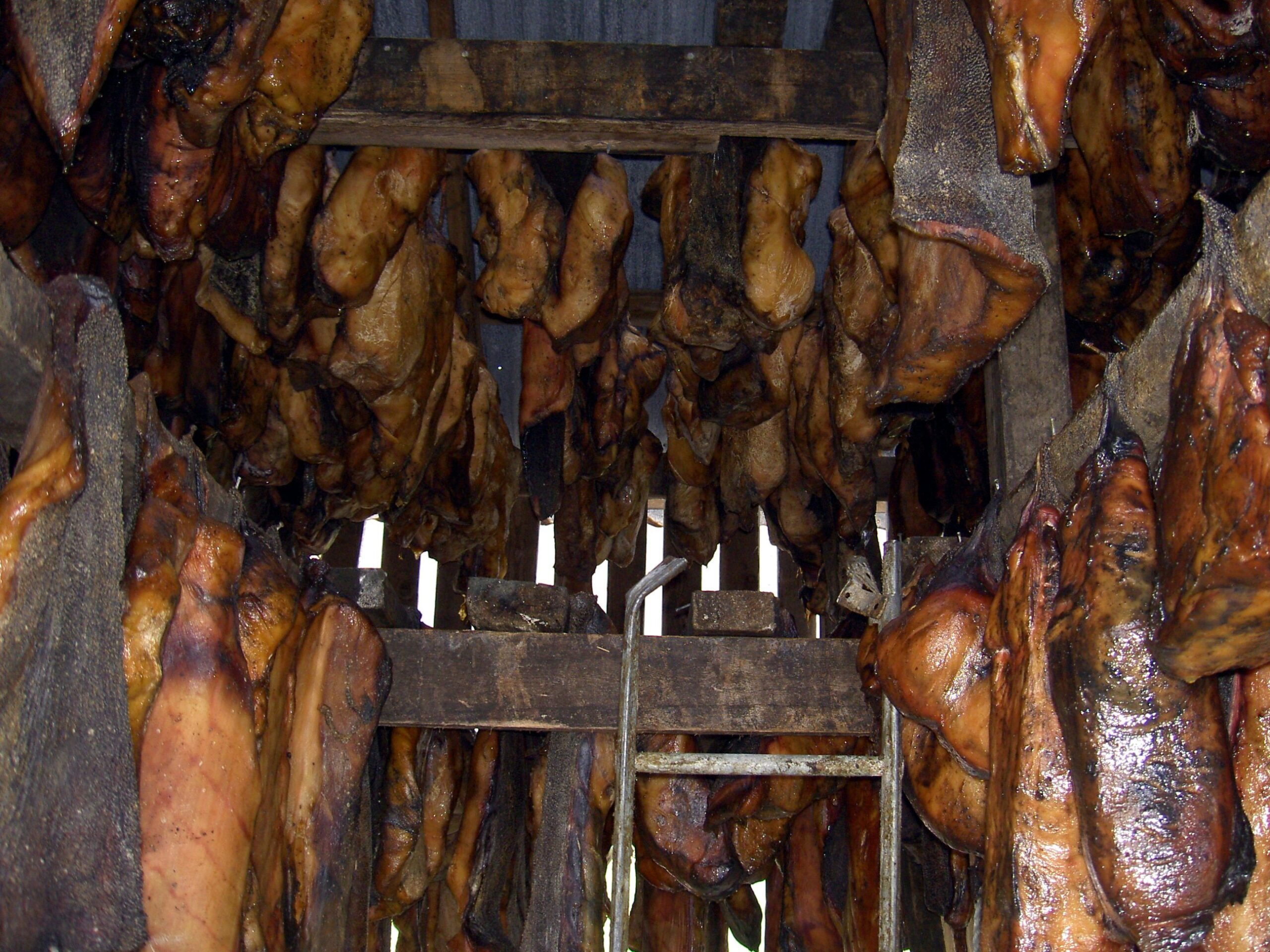
Hákarl, The National Dish Of Iceland Made From Greenland Shark Fermented For Months, Was Called By Anthony Bourdain “The Most Disgusting Thing” He Ever Tasted.
Anthony Bourdain, celebrity chef who traveled the world trying exotic foods from various cultures, stated categorically that hákarl was “the worst and most disgusting” thing he ate in his life. Archaeologist Neil Oliver described it as “blue cheese a hundred times stronger.” Host Ainsley Harriott couldn’t swallow it and compared the experience to “chewing on a urine-soaked mattress.” Everyone was talking about hákarl, the national dish of Iceland. It literally means “rotten shark” in Icelandic. And it’s not a marketing exaggeration — it’s exactly what it is: Greenland shark (Somniosus microcephalus) deliberately decomposed through a process of anaerobic fermentation that lasts for months and produces an intense ammonia smell, comparable to industrial cleaning products.
The first recommendation tourists receive when preparing to try hákarl: pinch your nose before putting the cube of meat in your mouth. Otherwise, the gag reflex is almost inevitable.
Why Burying A Poisonous Shark Became A Tradition In Iceland
The origin of hákarl does not come from gastronomic experimentation or a desire to create extreme culinary experiences. It comes from the brutal need for survival.
-
Friends have been building a small “town” for 30 years to grow old together, with compact houses, a common area, nature surrounding it, and a collective life project designed for friendship, coexistence, and simplicity.

-
This small town in Germany created its own currency 24 years ago, today it circulates millions per year, is accepted in over 300 stores, and the German government allowed all of this to happen under one condition.

-
Curitiba is shrinking and is expected to lose 97,000 residents by 2050, while inland cities in Paraná such as Sarandi, Araucária, and Toledo are experiencing accelerated growth that is changing the entire state’s map.

-
Tourists were poisoned on Everest in a million-dollar fraud scheme involving helicopters that diverted over $19 million and shocked international authorities.

When Scandinavian Vikings colonized Iceland starting in the 9th century, they found a volcanic island in the middle of the North Atlantic where temperatures plunged below -20 °C in winter, trees were virtually nonexistent, and food options were severely limited.
The Greenland shark, abundant in the cold waters of the Arctic and North Atlantic, was an obvious source of protein. These fish can reach 6.5 meters in length and weigh over 1,000 kilograms — a single animal could feed a family for months.
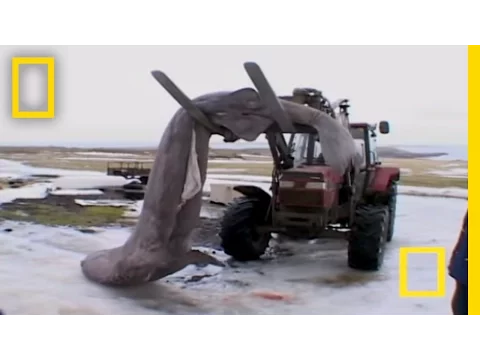

There was just one problem: the fresh meat of the Greenland shark is highly toxic to humans.
To survive in the Arctic waters that can reach -2 °C, the animal developed high concentrations of uric acid and trimethylamine oxide in its muscle tissue — substances that prevent the blood from freezing. Some bites of the uncured meat can cause symptoms similar to extreme intoxication, seizures, and even death.
The Vikings initially suffered poisonings. The solution came with prolonged fermentation, which neutralizes the toxins and makes the shark edible.
The Traditional Process Of Hákarl: 6 Months Of Fermentation And Air Drying
The preparation of hákarl, maintained for over 1,000 years, is a rigorous ritual:
Step 1 – Capture And Decapitation:
The shark is caught, killed, and decapitated.
Step 2 – Burrowing And Pressing (6 To 12 Weeks):
The body is buried in sand or gravel. Heavy stones are placed on the carcass to force the toxic liquids out. During this period, subterranean anaerobic fermentation occurs.
Step 3 – Exhumation And Cutting:
After weeks buried, the shark is dug up and cut into strips.
Step 4 – Air Drying (4 To 5 Months):
The strips are hung in open huts, exposed to the cold Icelandic wind. A brown oxidized crust forms on the surface.
Step 5 – Finalization:
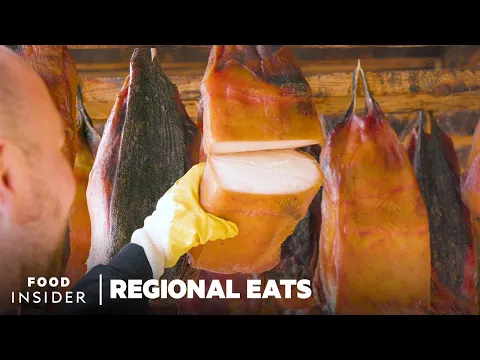
The outer crust is removed, and the inner meat is cut into cubes of 1 to 2 centimeters.
The entire process takes 5 to 7 months. The result is firm, dry meat, with a flavor reminiscent of extremely aged cheese with intense ammonia notes.
Two Types Of Hákarl: Differences Between Belly And Body
There are two main varieties:
Glerhákarl:
Extracted from the belly, it has a reddish color and a more chewable texture. Considered relatively milder.
Skyrhákarl:
Comes from the body of the shark, has a white color, softer texture, and more intense flavor.
Brennivín: The Icelandic Spirit That Accompanies Hákarl
No Icelander consumes hákarl without brennivín, a spirit made from fermented potato with caraway seeds, with 37.5% alcohol content.
The drink helps to mask the persistent ammonia taste that lingers in the throat after tasting.
The 400-Year-Old Shark: The Longest-Living Vertebrate On The Planet
The Greenland shark is considered the longest-living vertebrate on Earth. Studies published in the journal Science in 2016 indicate it can live around 400 years, with estimates ranging between 272 and 500 years.
Females only reach sexual maturity at 150 years, when they reach about 4 meters in length. Their extremely slow metabolism — the heart beats only 4 to 6 times per minute — contributes to this longevity.
The species is classified as vulnerable to extinction by the International Union for Conservation of Nature.
Sensory Experience: What Tourists Really Feel When Eating Hákarl
Reports are consistent:
- Smell: strong ammonia odor
- Texture: firm and slightly rubbery
- Initial Flavor: very intense aged cheese
- Residual Flavor: persistent ammonia
Icelanders joke that tourists are identified by the shocked expression after the first bite.
Modern Consumption: Supermarkets And The Þorrablót Festival
Today, hákarl is sold in Icelandic supermarkets year-round. The peak consumption occurs during Þorrablót, a winter festival celebrated in January and February.

The dish is part of Þorramatur, a collection of traditional foods that includes smoked sheep’s head and other historical recipes.
Hákarl: Viking Legacy Of Extreme Survival
The story of hákarl is about human adaptation to extreme environments. The poisonous shark was not a culinary luxury — it was the difference between surviving or dying in the Icelandic winter.
The ammonia taste is not a culinary error. It is a chemical reminder of an ingenious solution developed a thousand years ago to transform a toxic resource into food.









-

Uma pessoa reagiu a isso.